







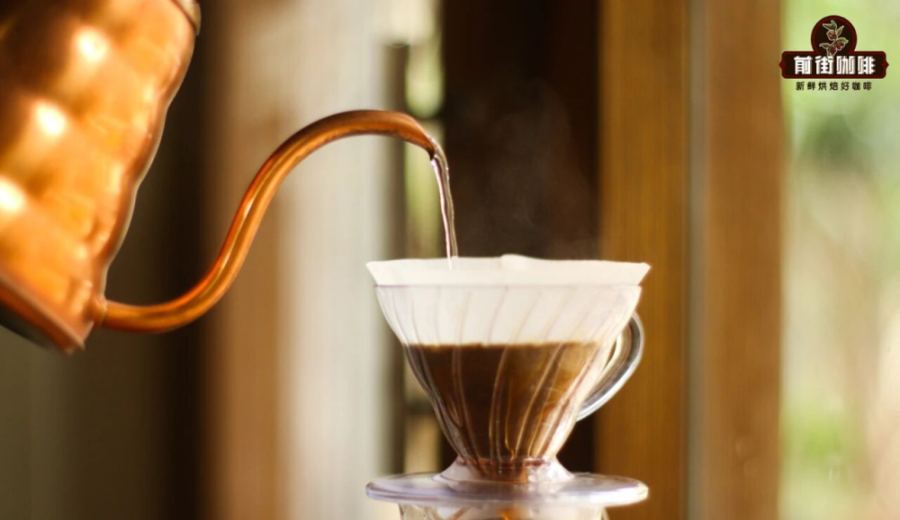
Introduction:Brewing a delicious pour over coffee at home hinges on selecting freshly roasted beans and mastering the right coffee-to-water ratio. This article spotlights five high-value, freshly roasted coffee beans — ranging from Hua Kui to Sidamo — offering diverse flavor profiles, and delves into how coffee-to-water ratios affect extraction. Finally, using Golden Mandheling as an example, it provides complete brewing parameters and steps to guide you step-by-step in refining your pour over technique, helping you effortlessly achieve your ideal coffee concentration and flavor.
To enjoy a flavorful pour over coffee at home, choosing freshly ground beans is the first essential step, and mastering the appropriate coffee-to-water ratio is key to overall performance. This article not only recommends five freshly roasted, budget-friendly small-packaged coffee beans — including Hua Kui, Mandheling, Strawberry Sugar, Sidamo Red Bourbon, and Sidamo — but also explains in detail what the coffee-to-water ratio means and how it directly influences coffee strength and flavor expression. Finally, using the classic Golden Mandheling as an example, it demonstrates complete brewing parameters and process to help you understand how water volume control alters the overall outcome of your coffee.
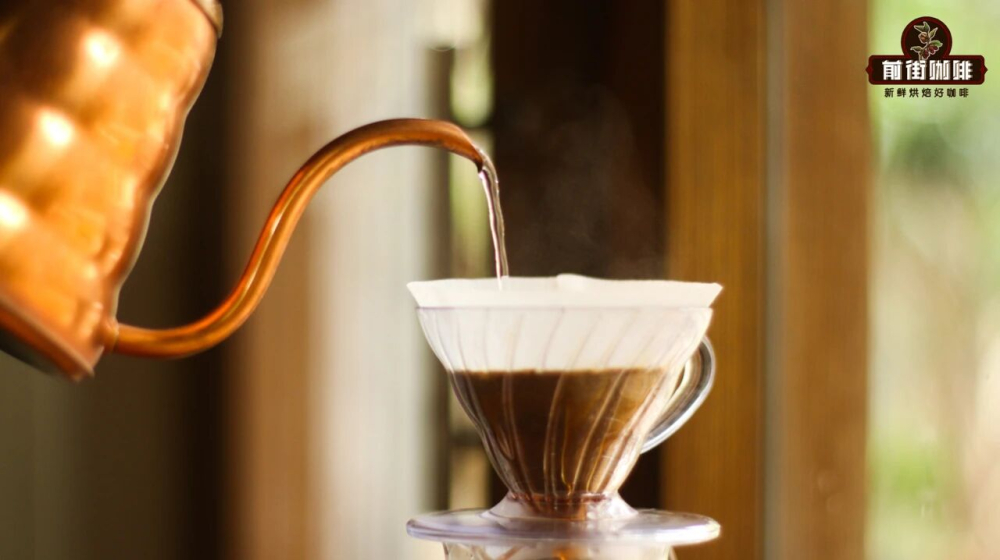
Many people ask, is it more convenient to just buy pre-ground coffee? In fact, if conditions allow, it’s recommended to opt for freshly roasted coffee beans and grind them yourself before brewing. Freshness is one of the key factors that determine coffee flavor. Choosing high-quality beans with clearly marked roast dates ensures you experience the richest aromas and layers. With proper storage, these beans can release their captivating flavors at their best.
The recommended coffee beans are all freshly roasted within five days of order and support 24-hour dispatch, ensuring they arrive at the peak of their flavor — ready to enjoy straight out of the bag. Thoughtful packaging and storage preserve the full flavor of each bean.
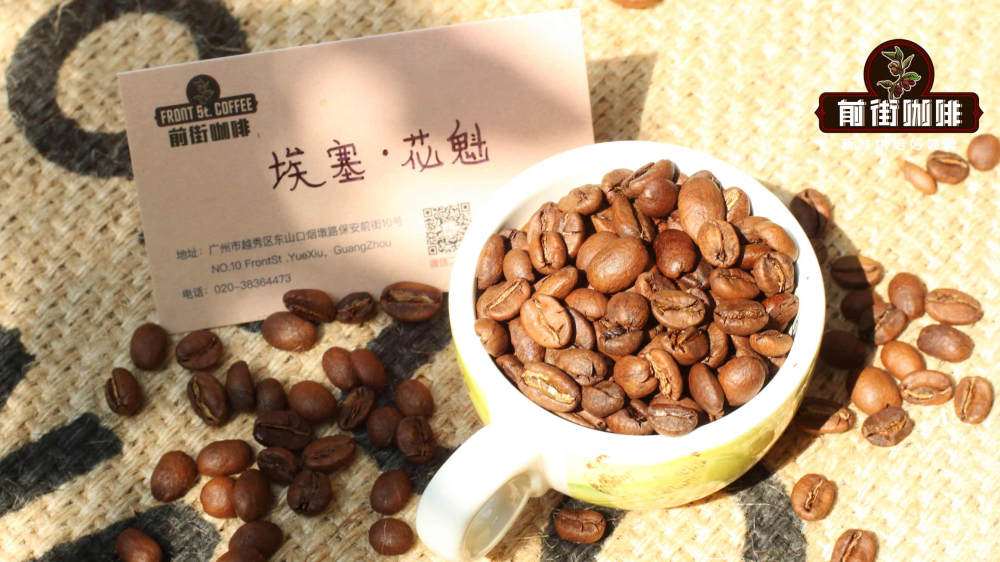
Here are five freshly roasted, small-packaged coffee beans worth trying:
1. Ethiopian Hua Kui
Flavor Profile: Features prominent rose floral notes, sweet-tart strawberry-like acidity, and a brandy-like winey finish. Overall, it presents rich fruity notes and bright acidity, making it ideal for those who prefer a light body and layered fruit acidity. Not recommended for use in espresso machines or moka pots.
2. Indonesian Mandheling (Sumatra)
Flavor Profile: Showcases herbal, nutty, caramel, and chocolate notes, with a long-lasting sweet aftertaste and low acidity. Suitable for those who prefer a rich, bold taste and dislike sourness.
3. Strawberry Sugar Espresso Bean
Flavor Profile: Excels in low acidity and intense nutty-chocolate flavors, especially well-paired with milk to highlight the coffee’s rich qualities. Recommended for users of espresso machines or moka pots who enjoy milk-based coffee.
4. Sidamo Red Bourbon
Flavor Profile: Highlights sweet chocolate and nutty tones with a mild, non-irritating taste and low acidity. Suitable for adding milk or sugar, or as a base for coffee desserts.
5. Sidamo
Flavor Profile: Bursting with passionfruit, grape, apricot preserve, and citrus aromas, with a chocolatey-sweet and fruity-winey finish. Excellent for iced coffee, cold brew, or those who enjoy a fermented-style cup.
To deeply experience the unique flavors of these beans, pour over is the brewing method that best highlights their nuanced layers. During roasting, coffee develops a variety of aromatic compounds, which pour over extracts by allowing hot water to interact with the grounds. The basic principle is grinding the beans, evenly soaking them with hot water, then filtering out the grounds through a filter cone and paper to yield a clean, clear black coffee.
So,what is the pour over coffee-to-water ratio?
Simply put, the coffee-to-water ratio is the proportion of coffee grounds weight to total water volume used, and this value directly affects coffee strength and taste. For example, a common café ratio is 1:15, meaning 15 grams of coffee grounds to 225 milliliters of hot water. Increasing the water lowers concentration, resulting in a lighter, more diluted flavor; decreasing the water raises concentration, producing a bolder, heavier taste. Additionally, water volume changes also impact overall extraction yield, thereby altering flavor expression.
Next,we’ll useGolden Mandheling1:14as an example to demonstrate a full brewing process using a
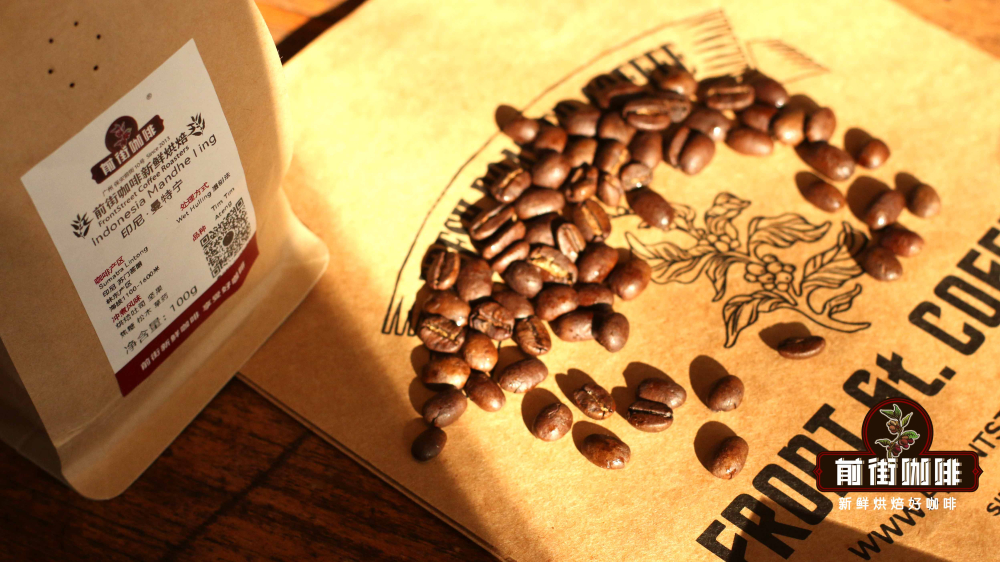
coffee-to-water ratio.Golden Mandheling’s flavor profile centers around nuts and chocolate, so roasters often apply a medium-dark roast. The deeper the roast, the looser the bean structure, making it easier to extract. To avoid over-extraction and bitterness, a slightly lower water temperature of around 86–88°C is recommended. This demonstration uses aKONO filter cone,87°Cwith water temperature set at15 grams of coffeeand a coffee-to-water ratio of1:14medium-coarse grind (about 70% passing through a Chinese standard #20 mesh sieve).
Steps are as follows: First, wet the filter paper with hot water to let it adhere tightly to the cone, preventing side leakage and preheating the equipment. Then add 15 grams of coffee grounds into the cone. Start with a 30-gram bloom pour using hot water for 30 seconds to awaken the grounds. Next, pour water in a slow, circular motion centered on the grounds. When the total water volume reaches 105 grams, pause briefly until the coffee bed descends to the middle of the cone. Then continue pouring with the same technique until reaching 210 grams. Finally, wait for all the coffee to fully drip through before removing the filter cone.
The resulting Golden Mandheling offers initial aromas of wood and caramel, followed by a rich, full-bodied mouthfeel with layers of dark chocolate, spices, cream, pine, and caramel, with almost no perceivable acidity. As it cools, the bitter notes gradually soften, leaving a long, sweet aftertaste — reminiscent of savoring aged Pu-erh tea.
The above content is compiled by CoffeeHunters, a coffee news website.


