







Introduction:Hambela is the highest-altitude coffee sub-region in Ethiopia, renowned for its distinctive natural processing method. This article delves into the well-known Huakui series from this area, starting with the origins of the 2017 TOH champion beans, analyzing the differences in aroma, acidity and sweetness profile, and aftertaste between Huakui 8.0 and Mini Huakui. It also provides practical pour over parameters and techniques to help coffee enthusiasts better master the brewing performance of these two popular natural-processed beans.
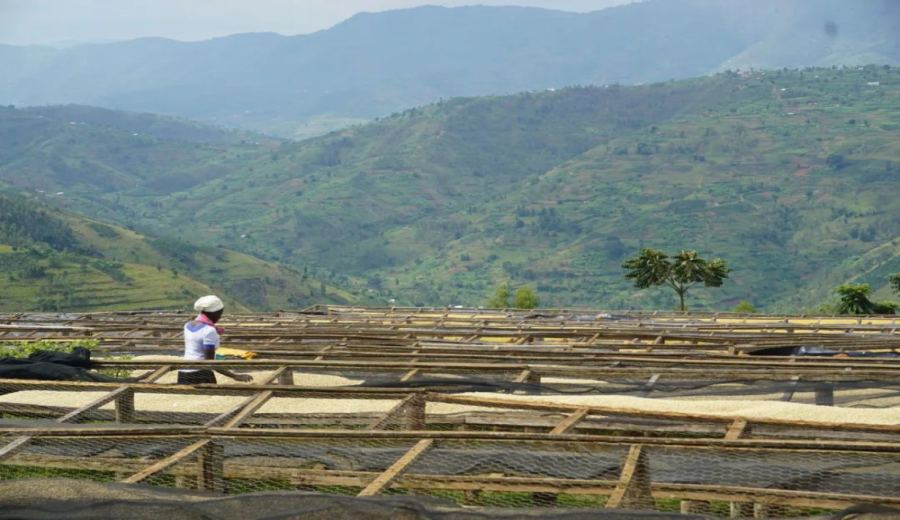
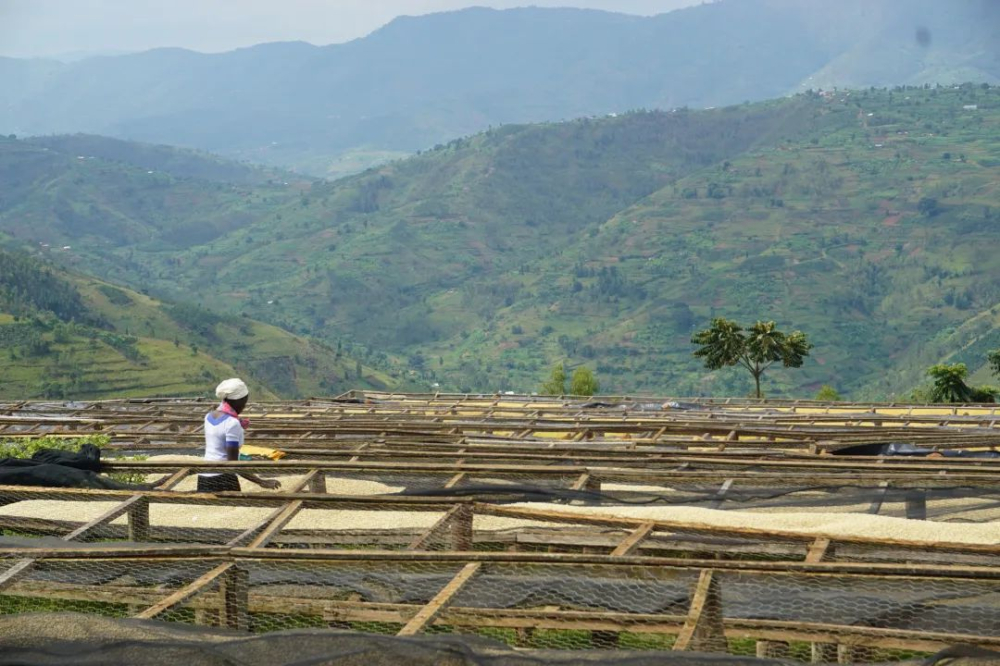
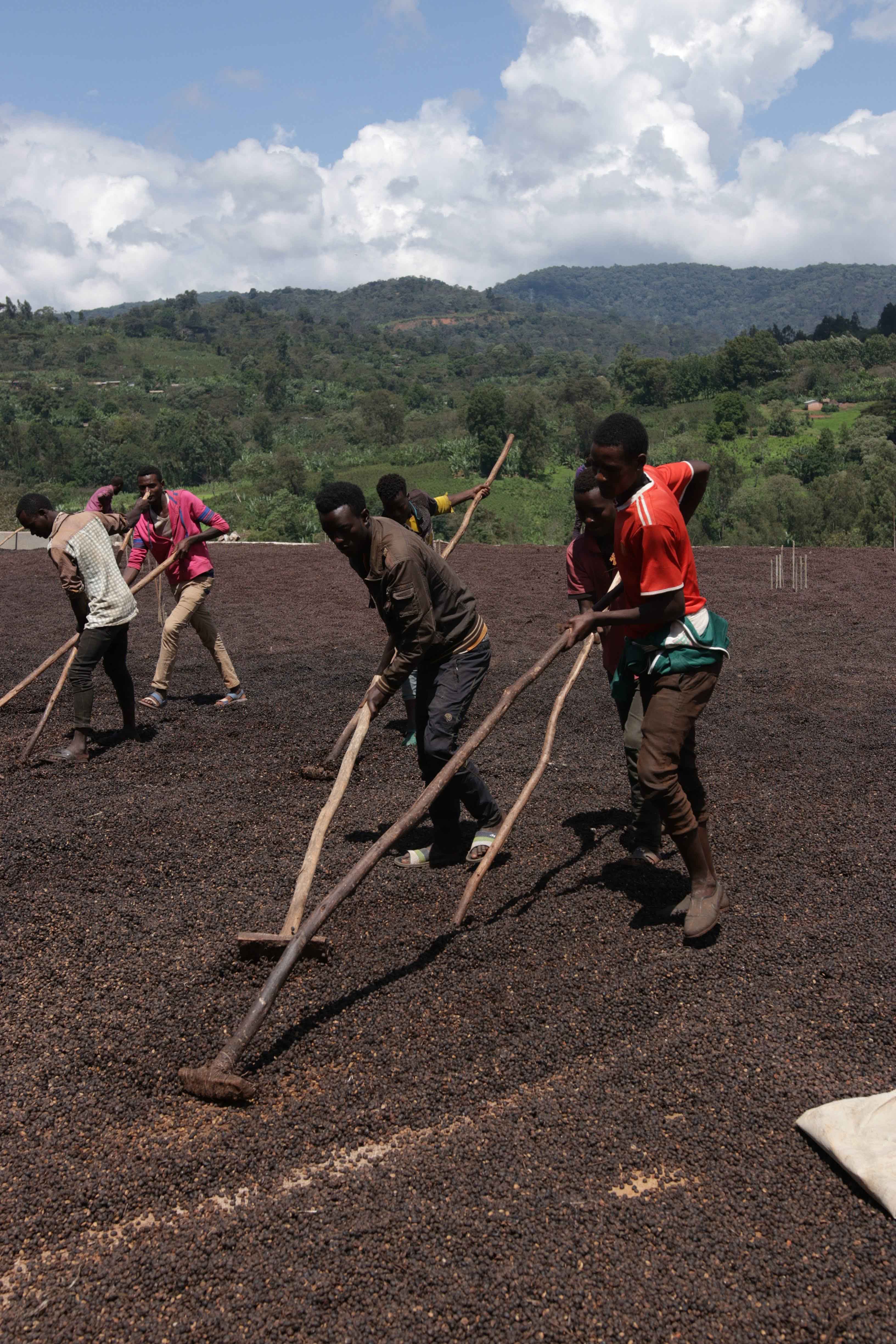
Located within Ethiopia’s Guji zone, Hambela is the country’s highest-altitude coffee-growing sub-region, boasting red-brown soil rich in humus and an elevation of approximately 2,300 meters. The region experiences significant day-night temperature variations, which help coffee cherries ripen slowly and accumulate more complex flavor compounds. Local natural processing is typically carried out on African raised beds, with strict control over drying bed thickness maintained between two to three layers. Through multiple rounds of manual sorting and protective covering, the fermentation process is precisely managed over about 21 days, resulting in unique aromas and mouthfeel.
Geographic and Processing Features of the Hambela Region
Administratively part of the Oromia Region, Hambela borders other Guji sub-regions such as Shakiso, Uraga, and Kercha, with the famed Yirgacheffe Kochere region lying just across the mountains to the west. This area not only enjoys exceptional natural conditions but is also home to around 20 processing facilities of varying scales. Among them, Hongshun Company has established several partner natural processing stations here since 2016, including the Dire Church Station, Mansa Mountain Pond Station, Bobea Red Flag Station, and Goro Baessa Mountain Spring Station. Particularly at Goro Baessa village at an altitude of 2,280 meters, during the December coffee harvest season, the landscape is filled with ripe coffee cherries spread across African raised beds — a unique local spectacle.
Origins and Naming Logic of the Huakui Series
In 2017, the Buku Abel processing station under DW Company won the TOH (Taste of Harvest) Natural Category championship with a natural-processed coffee bean. After being introduced to the Chinese market, it was named “Huakui.” This bean received widespread acclaim for its intense strawberry and cream aromas, and gained further recognition when Chinese competitor Li Jianfei used it to win the runner-up position in the China leg of the World Brewers Cup that year (where other competition beans used were Geisha). It’s important to note that the “Huakui” at that time specifically referred to the 2017 TOH-winning natural bean produced by the Buku Abel station.
Subsequently, DW Company expanded its operations in Hambela, owning four processing stations by 2021: Buku Abel, Buku Saysay, Haro Soresa, and Tirtiro Goye. Starting in 2018, the company launched Huakui 2.0, 3.0, 3.1, 4.0, and eventually Huakui 8.0 in 2021. The naming convention is primarily based on the production season, for example, Huakui 3.0 represents the 2019 season, Huakui 4.0 the 2020 season, and Huakui 8.0 the 2021 season. However, as the number of processing stations increased and production volume expanded, their flavor profiles also diverged significantly from the original 2017 Huakui. Therefore, strictly speaking, only the natural beans processed by the Buku Abel station can be considered the “authentic Huakui.”
Unique Flavor and Processing Background of Mini Huakui
Compared to the evolving flavor profile of a certain series over the years, items born from independent processing workflows within the series exhibit flavor characteristics closer to the original 2017 version, particularly the intense strawberry and cream notes. A team discovered during cuppings from 2018 to 2019 that while some batches shared similar aromas, they still lacked the body and aftertaste depth of the 2017 version. Further investigation revealed that these unique flavors mainly came from a type of bean within the batch that had noticeably smaller particle size, leading the processing station to start sorting and processing these small-bean varieties separately starting in 2020, forming what is now known as the “Mini variety.” It is worth noting that the Mini variety does not belong to the X.0 numbering series but is an independently named special product since 2020.
Cupping Flavor Comparison: Huakui 8.0 vs Mini Huakui
Taking the 2021 new season as an example, a brand conducted a detailed cupping comparison between the Mini variety and the 8.0 version. In terms of raw and roasted bean appearance, the Mini variety beans are visibly smaller in size, and the proportion of Mini beans is higher. In cupping, the Mini variety exhibits a deeper, richer strawberry aroma, accompanied by abundant berry sweetness along with complex notes of citrus, passionfruit, and fermented wine-like tones. In contrast, the 8.0 version presents a more vibrant berry acidity, bright citrus notes, and tropical fruit flavors such as honey, mango, and floral notes.
In short, the overall flavor profile of Mini Huakui is closer to the original 2017 Huakui, while Huakui 8.0 showcases more typical Guji regional flavor characteristics — such as juice-forward berry acidity, clear floral notes, and a soft honey-like finish.
Hands-On Pour Over Test: Extraction Parameters and Flavor Performance
To further compare the actual brewing performance of the two beans, a brand used the following standardized pour over parameters for a three-stage extraction: using a V60 #01 filter cone, water temperature controlled at 90–91°C, 15 grams of coffee, a 1:15 coffee-to-water ratio, and a grind size set to medium-fine (80% passing through a Chinese standard 20-mesh sieve). The specific technique involves: a first pour of 30 grams of water for a 30-second bloom, followed by a slow circular pour to reach 125 grams for the first break, then continuing the pour to 225 grams as the water level drops close to exposing the coffee bed, and finally removing the filter once the water level drops again — total extraction time is about 2 minutes.
Cupping results showed that Mini Huakui presented pronounced sweet berry aromas after pour over, including creamy strawberry and passionfruit notes, with a full-bodied and layered mouthfeel. In contrast, Huakui 8.0 displayed refreshing floral notes, vibrant berry and citrus acidity, paired with plum-like sourness, mango-like juiciness, and honey sweetness, leaving an aftertaste akin to soft black tea. Each bean offers distinct characteristics, making them ideal for coffee lovers to explore and compare based on preferred flavor profiles.
The above content is compiled by CoffeeHunters, a coffee news website.


