








Introduction:Many beginner coffee enthusiasts prefer low-acid flavors and often opt for dark roast beans such as Indonesian Golden Mandheling or Brazilian Queen Estate. However, to brew out their richness and sweetness, it's essential to master the right parameters and techniques. This article starts with the science behind bitter flavors, analyzing how caramelization and Maillard reactions bring out positive notes like caramel, nuts, chocolate, and spices, while also highlighting negative characteristics such as smokiness and medicinal tones. Taking Golden Mandheling as an example, it provides detailed recommendations on grind size, water temperature, brew ratio, and a three-step pouring method, helping you easily achieve a balanced and full-bodied dark roast coffee.
Many people who are new to coffee often say they want a cup that is "not acidic." In response to this request, many professional baristas recommend classic dark roast beans such as Indonesia’s Golden Mandheling, Brazil’s Queen Estate, or Papua New Guinea’s PGN Bird of Paradise. These beans are known for their rich and bold flavors, but to truly bring out their sweetness and complex textures, the nuances of brewing technique are crucial. This article will delve into the origin of bitterness in dark roast coffee, breaking down how caramelization and Maillard reactions create familiar positive flavors like caramel, nuts, chocolate, and spices, while also pointing out negative features like smoky or medicinal notes to avoid. Finally, using the widely loved Golden Mandheling as an example, we’ll provide practical tips on grind size, water temperature, brew ratio, and a three-step pouring technique to help you pour over a balanced and layered coffee experience.

It’s common for someone walking into a café to specifically ask for a coffee that is “not acidic,” and the barista usually points them toward classic dark roast options, such as Indonesia’s Golden Mandheling, Brazil’s Queen Estate, or Papua’s PGN Bird of Paradise. These dark roast beans are representatives of bitter and aromatic profiles, but if you want to fully release their rich texture and sweet aftertaste, every step — from grind coarseness to water temperature control — needs to be precisely managed. Next, we’ll take the ever-popular Golden Mandheling as an example, and step-by-step analyze how the correct pour over parameters can bring out its most captivating flavor profile.

With the growing popularity of specialty coffee culture, many people are already familiar with the various flavor descriptions of light roast coffee, such as citrus, floral, and honey, and can easily use professional terminology to express taste. However, when it comes to dark roast coffee, many find themselves at a loss for words, often only able to use simple descriptors like “bitter,” “strong,” or “bold.” In fact, dark roast coffee has equally rich flavors, only expressed in a more subtle and complex way. The aroma and taste of bitter coffee are closely related to the chemical reactions during the roasting process, especially caramelization and Maillard reactions. These two reactions not only shape the core flavor profile of dark roast coffee, but also determine its final aromatic texture and taste direction.
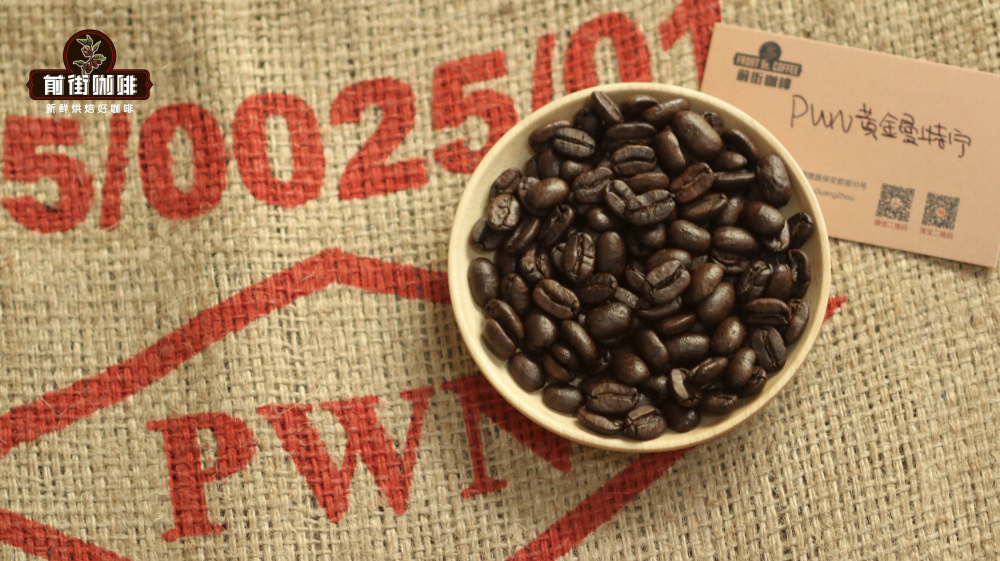
The bitterness in dark roast coffee can be divided into positive and negative categories. Positive bitter flavors are generally pleasant and include four main types: caramel, roasted, nutty-chocolate, and spicy. These mostly originate from chemical changes between amino acids, sugars, and proteins inside the coffee bean at different temperatures during roasting. First, the caramel flavor is a typical product of the caramelization reaction, which usually becomes significant after the first crack. Sugar compounds are heated and browned, releasing aromas similar to caramel and maple syrup. It’s important to note that the caramel or maple here refers to aroma characteristics, not actual sweetness, so don’t confuse it with the syrupy taste in desserts. Second, roasted aromas resemble the smell of toasted bread or grilled meat, which come from the Maillard reaction between amino acids and proteins, and are also a major source of what we commonly refer to as “coffee aroma.”
The third common flavor category is nuts and chocolate. These two aromas are extremely common and easily recognizable in dark roast coffee. Nuts can be further subdivided into roasted almond, hazelnut, and peanut tones, while chocolate usually refers to the bittersweet flavor of dark chocolate, which is very different from the common high-cocoa-butter sweet chocolate found in stores. Finally, there is a subtler yet enchanting category of spicy notes, such as clove, cardamom, and cinnamon. These aromas also come from the Maillard reaction, but because these spices often appear in compounded forms in daily life, identifying them individually can be more challenging. In contrast to these enjoyable positive flavors, dark roast coffee may also exhibit some negative traits, such as smokiness, sawdust-like texture, medicinal notes, or even overly burnt, charred flavors. These often bring discomfort and irritation, and are aspects to pay special attention to during brewing and roasting.
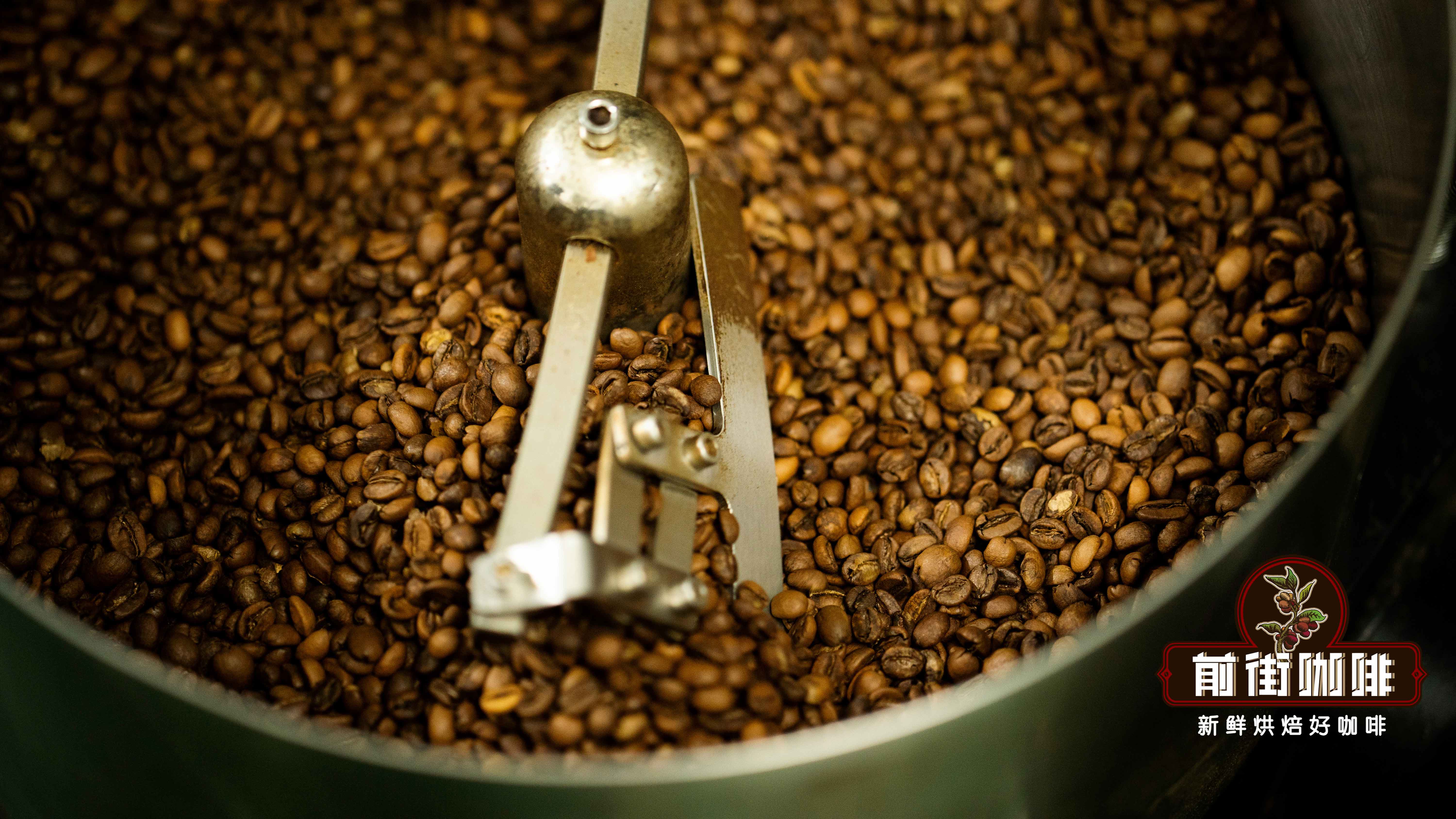
When talking about the mouthfeel of dark roast coffee, many people describe it as “full-bodied” or “mellow.” This is actually a comprehensive evaluation of the overall drinking experience, encompassing the coffee’s body, smoothness, and layering. Dark roast beans are roasted for a longer time, resulting in a looser internal structure that can be easily crushed with light pressure. This also means that after grinding, they have strong water absorption and tend to release large-molecule bitter substances easily. Therefore, when pour over brewing, it’s recommended to use a coarser grind and slightly lower water temperature to avoid over-extraction, which can lead to bitterness and astringency. Specifically, baristas often use China Standard No. 20 sieve (0.85mm), and for medium-dark roasts like Golden Mandheling, the target is to maintain a sieve pass rate of around 70%, which is slightly coarser than the 75–80% common for light roasts. This helps control extraction rate, preserving more body and sweetness while suppressing excessive bitter release.
In terms of water temperature control, dark roast coffee also differs from light roast. Light roast beans are typically brewed with high water temperatures of 91–93°C to fully extract flavors. But for dark roast beans, where caramelization is more intense, using too high a water temperature can release too many large-molecule bitter substances, affecting overall balance. Therefore, for medium-dark roasted Golden Mandheling, it’s recommended to control the water temperature at 87–88°C , which helps bring out caramel sweetness and nutty aromas while avoiding negative sensations caused by over-extraction.
Recommended brewing water temperature:87–88°C
Coffee powder amount:15 grams
Brew ratio:1:15
Grind size:Medium-coarse grind (20-mesh sieve passing rate of 70%)
For the actual pour over process, it’s recommended to use a three-step pouring method, which helps achieve even extraction and highlights the unique body and sweetness of Golden Mandheling. The first step is the bloom, where you pour about 30ml of hot water. The purpose is to let the coffee grounds fully absorb water and release CO₂, laying a solid foundation for subsequent extraction. The second pour 100mlshould have water flowing evenly around the coffee bed, which helps bring out golden crema and gradually enhances the overall flavor layers. The final pour then gently applies 95ml of water to the center area of the coffee bed. This further enhances sweetness and makes the overall mouthfeel richer, fully showcasing a symphony of caramel sweetness, nutty aroma, and chocolate flavors.

The above content is compiled by CoffeeHunters, a coffee news website.


