








Introduction:Did you know that coffee beans from the same batch can yield completely different flavors when processed using different methods? From the classic clean acidity of washed processing to the rich sweetness of natural sun-dried processing, and the full-bodied complexity of honey processing—these flavor profiles stem from the variations in processing techniques. This article takes an in-depth look at the steps, historical backgrounds, and flavor characteristics of the three mainstream coffee processing methods, along with a practical comparison to help you find the coffee beans that best suit your taste.
Coffee processing is not just an agricultural technique, but a key factor that determines the flavor of a cup of coffee. The same coffee cherry, when processed via natural sun-drying, washed, or honey methods, can result in vastly different cup profiles. Understanding these processing methods is not only a gateway to appreciating coffee but also helps you make smarter choices when selecting your favorite beans.
Natural (Sun-Dried) Processing: Rich Sweetness, the Representative of Fermentation Complexity
Natural processing is the most traditional and weather-dependent method of coffee processing. The entire coffee fruit (with the pulp and skin intact) is placed directly on drying beds and sun-dried for about three to four weeks until the moisture content drops to around 11%. During this lengthy drying period, the sugars in the pulp and mucilage gradually seep into the seed (the coffee bean we drink), imparting richer sweetness and complex fermented aromas.
This processing method produces intense fruity notes, with common flavors including berries, tropical fruits, honey, and even wine-like aromas. Representative natural-processed beans include the floral-rich Huaca, the distinctly citrusy Red Cherry, and the Queen Estate beans with creamy and nutty notes. These coffees are particularly well-suited for those who enjoy sweetness and layered complexity.
Washed Processing: Clean and Bright, the Industrial Standard for Acidity
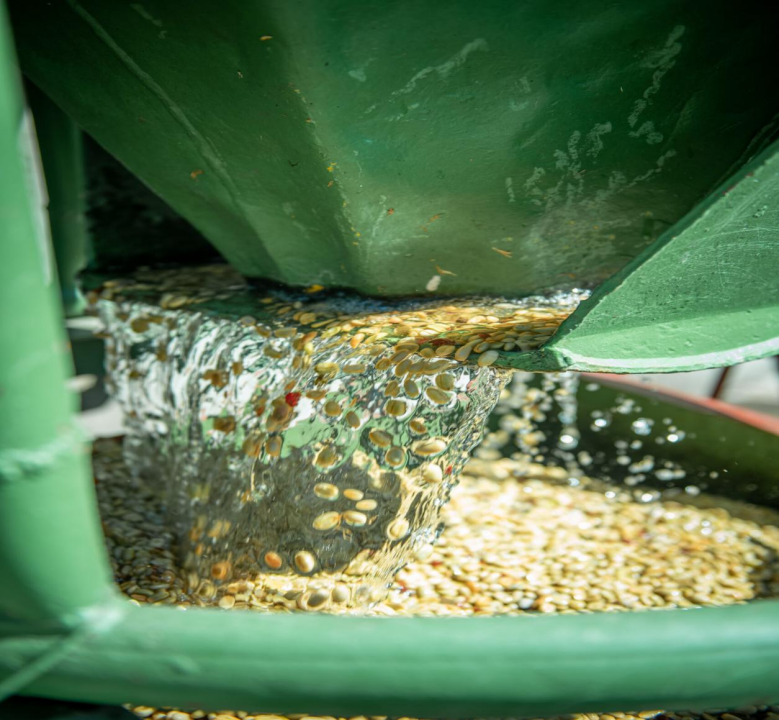
Compared to natural processing, washed processing places greater emphasis on process control and hygiene. First, the coffee fruit’s skin and pulp are removed, and the remaining mucilage-covered beans are soaked in fermentation tanks for about 36 hours. Microbial activity breaks down the mucilage, after which the beans are thoroughly rinsed with clean water and then dried. This process mainly focuses fermentation on the mucilage layer, so during drying, it's primarily the coffee bean itself that is involved—resulting in a final flavor that is “cleaner,” with brighter and clearer acidity.
Washed beans are usually light green in color, and dried green beans often show a distinct “white center line,” one of the visual distinctions from natural beans. These coffees commonly feature fresh flavors such as jasmine, lemon, and cantaloupe, with vibrant acidity, making them ideal for those who prefer a clean and refreshing taste. Classic examples include the jasmine-scented Fruit Ding Ding, the cantaloupe-toned Green Label Geisha, and the Kenya Little Tomato with prominent berry aromas.
Honey Processing: The Balance of Sweetness and Body, Between Natural and Washed
Honey processing, also known as semi-washed or pulp-natural processing, is a method that falls between natural and washed processing. In this process, the coffee fruit is depulped,with part or all of the mucilage layer retained, and then sun-dried. The more mucilage retained, the more pronounced the sweetness and body, along with more intense fermented flavors. This method demands higher standards for weather and technique, requiring close monitoring of temperature and turning frequency to prevent mold.
Honey-processed coffees often exhibit a blend of caramel, honey, nuts, and tropical fruit flavors, with a smooth and full-bodied mouthfeel. Commonly found in dry or semi-dry regions like Costa Rica and Brazil, such as the Blackberry and Brazilian Cerrado beans. This processing method is especially suitable for coffee lovers who enjoy sweetness and body without sacrificing clarity.
The Origins of Processing Methods: From Weather-Dependent to Industrial Standards
The earliest form of coffee processing was simply natural sun-drying. The traditional method involved placing freshly picked coffee cherries directly on the ground or rooftop to dry, with almost no cost—but extremely dependent on weather. In the event of rainy seasons or cloudy weather, the pulp could easily become moldy or attract insects, leading to unstable quality. In the past, such beans in Ethiopia were even classified as low-grade G3.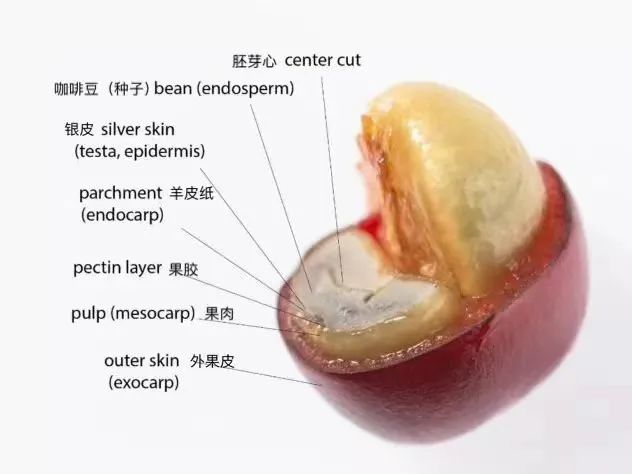
Washed processing originated during the 18th-century Dutch colonial period, first applied in the West Indies. It was discovered that removing the coffee fruit’s skin and soaking it in water effectively removed the sticky mucilage—not only accelerating drying but also significantly reducing the risk of mold infection. The invention of the coffee pulper in 1844 further greatly improved the efficiency of washed processing. However, washed processing consumes large amounts of water—approximately 10 to 20 tons of clean water per 200 kilograms of green beans—so it is mostly found in regions with abundant water sources, and washed beans have come to symbolize quality and consistency.
Adaptation to Local Conditions: The Emergence of Honey and Wet-Hulled Processing
Not all coffee-growing regions have sufficient water or stable weather, so various methods suited to local environments have been developed. For example, the highlands of Costa Rica and Brazil, due to water scarcity, developed honey and semi-washed methods; while the humid climate of Sumatra in Indonesia gave rise to wet-hulled processing, which accelerates drying and preserves unique herbal and earthy flavors, such as the famous Mandheling.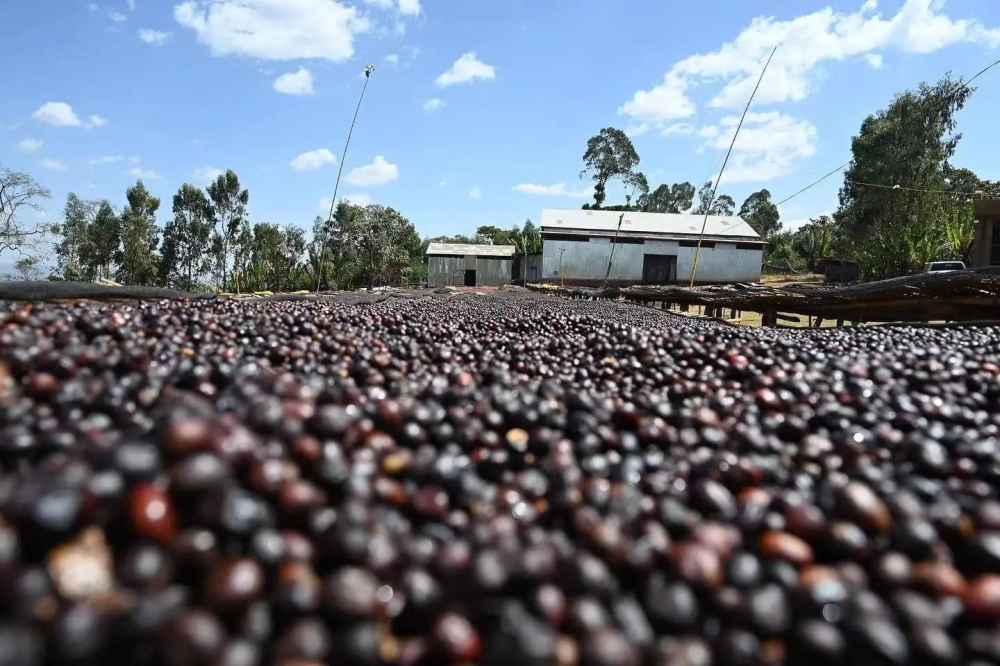
Flavor Recognition and Selection Tips
For consumers, flavor can often be a preliminary indicator of which processing method was used. Washed beans are generally clean and bright in acidity; natural beans have noticeable sweetness and rich layers; honey beans fall between the two, balancing sweetness and body. When choosing, consider your own taste preferences: if you prefer a clean and refreshing cup, washed beans might be your first choice; if you prefer sweetness and fruity notes, natural or honey processing will be better options.
In addition, modern specialty coffee processing techniques continue to evolve. Whether it’s using African raised bed sun-drying to reduce ground contamination, or employing shade cloths to control sun exposure intensity—all are aimed at stabilizing quality while uncovering more flavor potential. Understanding the history and principles behind these processing methods allows you to more deeply appreciate the stories and craftsmanship behind each cup of coffee.
The above content is compiled by CoffeeHunters, a coffee news website.


