







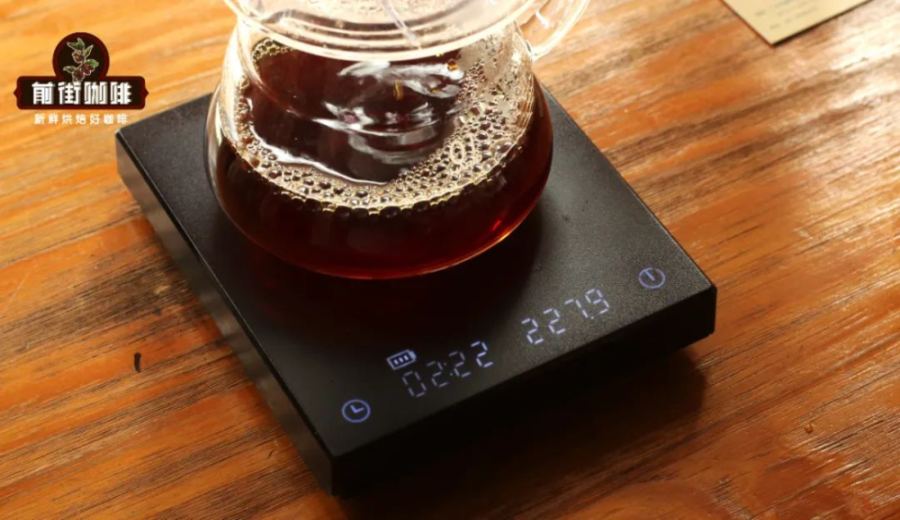
Introduction:To consistently brew a balanced pour over coffee, the key lies in mastering six core parameters: water temperature, coffee-to-water ratio, grind size, pouring technique, time, and water quality. This article delves into these critical factors affecting extraction, combining practical experience and common pitfalls to guide you step-by-step in adjusting to your optimal brewing settings. Whether you're a beginner or a seasoned enthusiast, you'll find useful advice here.
The allure of pour over coffee lies in its diverse flavor profiles, but these variations are not random. Many coffee lovers follow tutorial videos or articles yet often encounter inconsistent flavors—the issue usually stems from misunderstanding or poor control of a few core parameters. This article will systematically introduce the six elements that influence pour over flavor: water temperature, coffee-to-water ratio, grind size, pouring technique, extraction time, and water quality, helping you achieve stable and satisfying results through continuous adjustments.
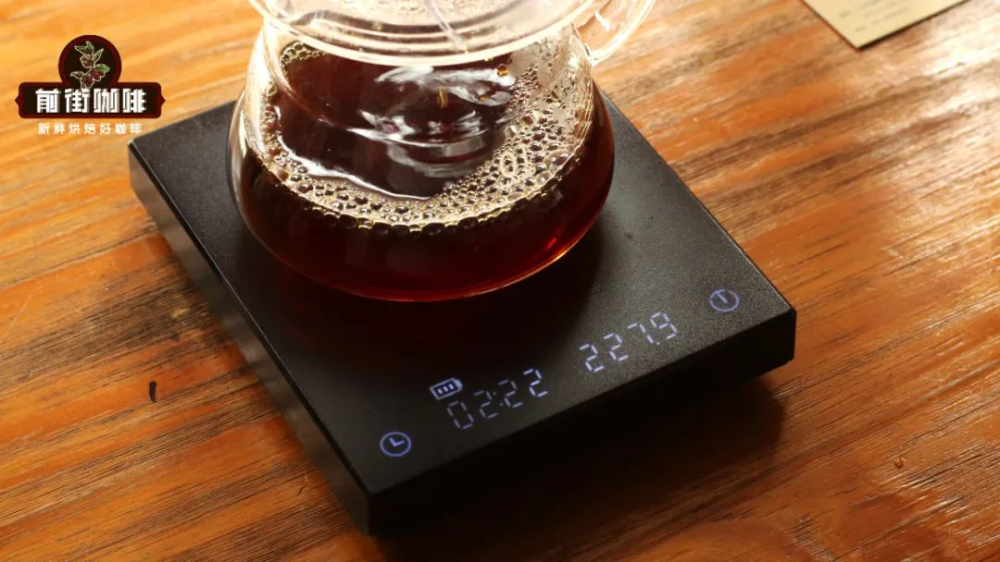
Many readers who have read related articles and visited our stores often discuss pour over parameter settings. One customer once asked the barista: among all the variables, which one is the key to influencing coffee taste? The reason for their question was that even when following instructions carefully, the resulting coffee flavor remained unstable—sometimes delicious, sometimes undrinkable—making them suspect a critical misstep. Let’s take this opportunity to clarify which parameters truly dictate coffee flavor and which are often overlooked.
One of the charms of pour over coffee is its variability. Many people often say “coffee is a mystery,” such as believing the tail end must be discarded to avoid bitterness, that the filter paper must be pre-wetted before adding grounds, that blooming must show expansion, or even that changing cups makes the coffee more aromatic. When we don’t understand the principles behind these steps, they indeed seem mystical; however, once we grasp the science of extraction and flavor from a scientific perspective, these questions naturally resolve themselves.
The same applies to parameter settings. Numerous factors influence pour over coffee—each new bag of beans, each change of dripper, or even each slight adjustment of a variable can lead to vastly different flavor experiences. Based on experience, brewing a great pour over typically requires mastering six main elements: water temperature, coffee-to-water ratio, grind size, pouring technique, extraction time, and water quality. The first four are the most frequently discussed and adjusted, while time is often influenced by the former three, and water quality can be referenced in our past articles. Next, we’ll break down each of these elements one by one.
|Water Temperature
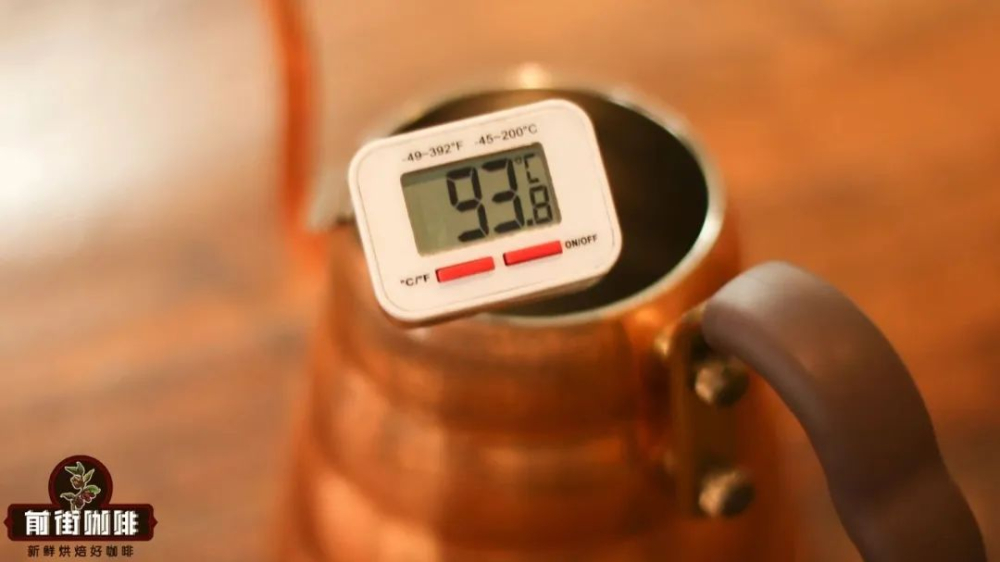
Is water temperature really that important for pour over extraction? Our view is: yes, but it doesn’t determine everything. Water temperature is actually a tool for regulating the rate of solubles extraction—higher temperatures extract more compounds from the coffee but also tend to bring out bitterness or overly sharp flavors. Therefore, it’s advisable to choose a relatively safe temperature range. Generally, most coffee beans are best brewed with water between 86–93°C.
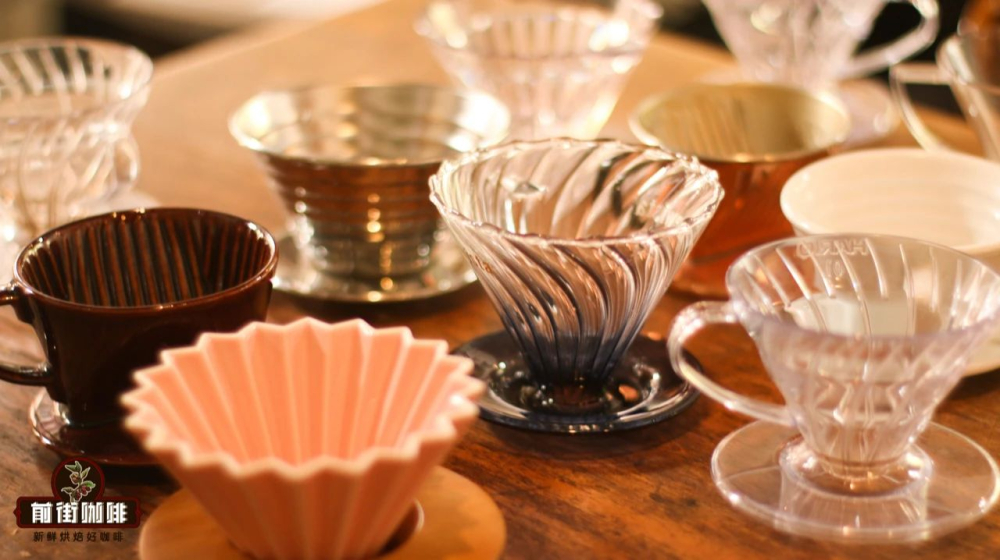
Based on actual brewing experience, for medium-to-light roasted beans that are more extraction-resistant, we recommend using water at 91–93°C, such as several beans we often suggest; for darker roasts that are less extraction-tolerant, lower temperatures around 86–88°C are more suitable, such as certain beans with strong nutty profiles; as for medium roasts with balanced acidity and bitterness, around 90°C works well. However, because water temperature is relatively easy to control and its impact on flavor is more intuitive, many people, when facing brewing issues, often first suspect the water temperature is off.
For example, one customer using Ethiopian Heirloom beans, following the recommended 91°C, found the aroma lacking and bitterness prominent, so they reduced the temperature to 90°C or even 89°C—but the flavor still didn’t improve. Further discussion revealed the real issue was an overly fine grind. In fact, we’ve also tested and found negligible flavor differences between 91°C and 93°C brews—so subtle they’re almost imperceptible without close comparison. Thus, unless the water temperature deviates significantly from the recommended range, and the coffee flavor is clearly off, it’s usually safe to rule out water temperature and check other parameters first.
|Coffee-to-Water Ratio
The coffee-to-water ratio, as the name suggests, is the proportion of coffee grounds to water used. Simply put, the more water you use, the more compounds are extracted, though overall concentration decreases while extraction yield typically increases. Therefore, choosing the right ratio essentially means finding a comfortable balance between extraction yield and concentration for a pleasant drinking experience.
For example, the commonly used 1:15 ratio means 15 grams of coffee grounds to 250 grams of water. If you find the flavor too intense or concentration too high at this ratio, you can slightly increase the water to 1:16 or 1:17 for a more balanced taste and enhanced aftertaste layers. But if the coffee’s concentration is already moderate and the mouthfeel is fine, yet the aroma lacks richness, we generally don’t recommend relying solely on adjusting the ratio to alter aroma—doing so risks under- or over-extraction by straying too far from the ideal concentration range.
|Grind Size
Grind size is often the first hurdle for beginners and a key factor in extraction. No matter the brewing method, grind setting is crucial. To achieve ideal flavor, the particle size must be appropriate, and the uniformity of the grounds is equally important—this ensures even release of flavor compounds as water passes through. The former requires selecting the right grinder setting, while the latter depends on the grinder’s inherent quality.
Some beginners use everyday analogies to judge grind fineness, such as comparing it to “fine sugar” when adjusting the grinder, only to find slow water flow or clogging during brewing. Assuming the setting is wrong, they later discover it’s actually poor grinder quality causing excessive fines, muddy slurry, and brew times often exceeding 2.5 minutes. Solutions include using a sieve to remove some fine particles or switching to a more consistent grinder.
Additionally, particle size significantly affects brew time. Simply put, the finer the grind, the greater the resistance the packed grounds create against water flow, slowing drainage and extending brew time, often resulting in richer flavors. Since grind size directly influences overall extraction time, baristas often judge whether the current setting is appropriate based on actual brew time and flavor. A common benchmark: if brew time is under 1:40, flavors may taste sharp and thin, likely due to too coarse a grind; if over 2:20, bitterness and heaviness may emerge, indicating the grind might be too fine.
|Pouring Technique
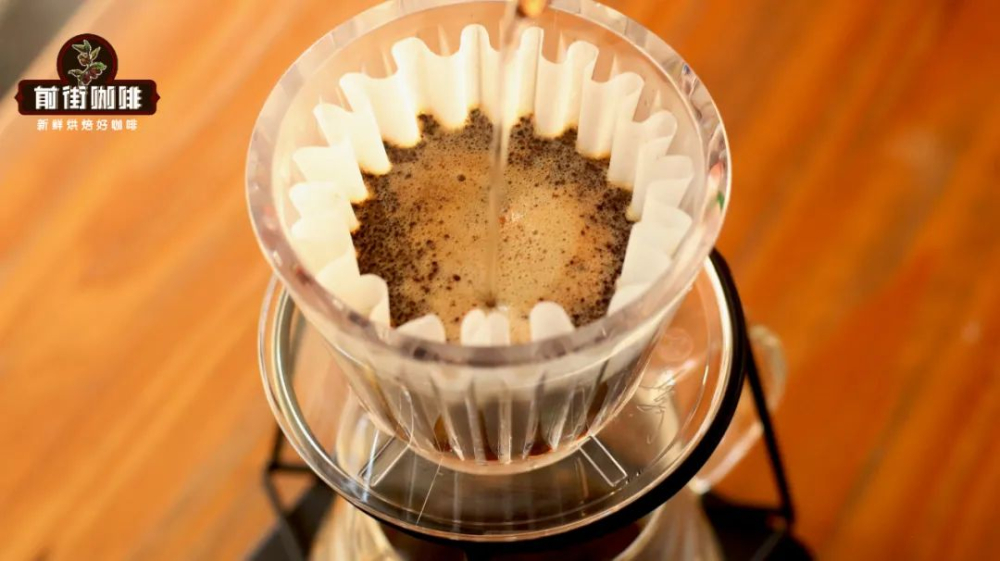
Pouring technique encompasses details like water distribution, flow rate, and pouring path. When parameters like water temperature, coffee-to-water ratio, and grind size are within reasonable ranges, pouring becomes a key method for balancing extraction.
Whether you prefer single-pour (one-pour), three-pour, four-six pour, or more challenging techniques like the vortex pour, uniform extraction remains the primary goal—that is, ensuring water contacts every coffee particle evenly. The simplest way to assess this is by observing the post-brew puck condition; details can be found in our previously published “Ultimate Guide to Pour Over Coffee Pucks!”
Compared to those visual parameters, pouring technique is more susceptible to human error, making it the biggest variable. If you’re new to pour over, we recommend starting with the more stable three-pour method. Mastering the flow rate and swirling motion makes this technique suitable for nearly all coffee bean types—a true “universal formula” in the pour over world.
Of course, pouring technique can also be flexibly adjusted to achieve more thorough extraction. For example, using standard parameters (15g coffee, 1:15 ratio, 91°C water, ~80% sifted grind) with a three-pour technique (30ml, 95ml, 100ml) for Colombian Gesha beans, if the coffee flows into the server within a minute after the second pour—risking under-extraction due to too short contact time—we can adjust the remaining 100ml by splitting it into two 50ml pours, using a smaller stream and slow circular pouring, ultimately aiming for a total brew time around 1:55. This often yields a juicier, more layered cup.
The above content is compiled by CoffeeHunters, a coffee news website.


