








Introduction:Are you confused about popular coffee drinks like Flat White, Dirty, and cappuccino, and unsure of the differences between them? This article will delve into the composition, flavor characteristics, and key brewing elements of these coffee beverages—including practical details such as espresso ratio, milk foam thickness, and temperature differences. It also explores the origin debate of Flat White and common misconceptions to help you better understand coffee and choose the cup you truly love.
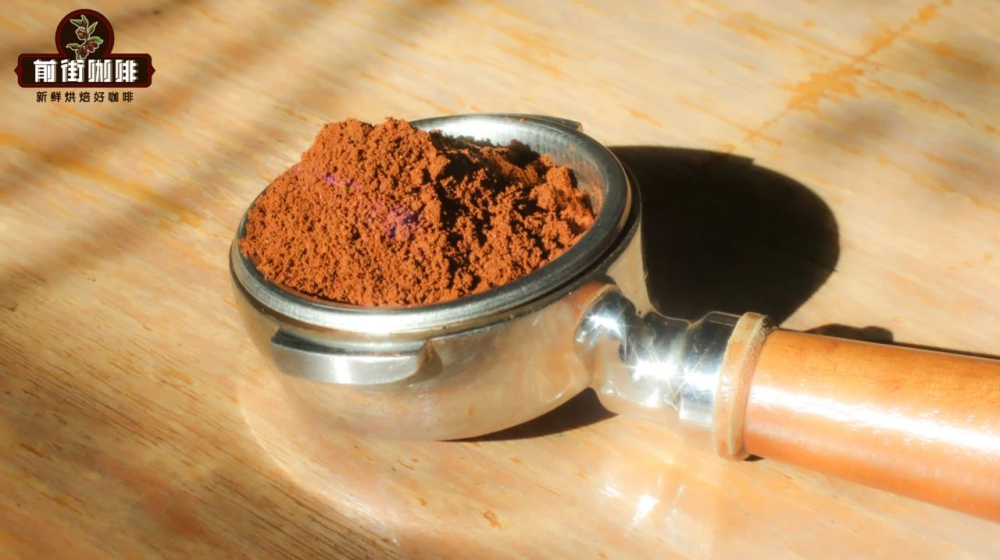
You can easily make a professional-grade Flat White at home too—but to truly grasp how it differs from other popular coffees like Dirty, cappuccino, and latte, you first need to start with espresso. Espresso is the foundation of all Italian-style coffee, extracted under high pressure to produce a small amount of highly concentrated coffee liquid, characterized by a balanced bitter-sweet taste and a rich crema layer. Generally, to make a standard double shot of espresso, it’s recommended to use about 20 grams of coffee grounds to extract 35 grams of coffee liquid in approximately 26 seconds—this parameter yields a well-balanced base.

So, what is a Flat White? It’s a coffee that combines a small amount of milk with an extremely thin layer of foam, with its main feature being the emphasis on the flavor of the espresso itself, rather than being overwhelmed by a heavy milk aroma. A typical Flat White is around 200 milliliters in volume, using a double shot of espresso paired with a small amount of heated milk. The milk foam is extremely thin, almost liquid-like, giving the entire drink a silky-smooth mouthfeel while preserving the distinct layers of the espresso. Visually, the foam is flat, hence the name “Flat White,” which means “flat white.” When making it, it's important to heat the milk evenly without creating excessive foam, and the final surface should be as smooth as velvet, with the liquid level not too high.

Regarding the origin of Flat White, there is actually a regional dispute. Both New Zealand and Australia claim to be its birthplace. In the New Zealand version of the story, a barista, due to poor frothing with low-fat milk, accidentally produced a coffee with very little foam but outstanding flavor—thus giving birth to Flat White. The Australian side, however, believes it was developed to fill the gap in milk foam thickness between latte and macchiato. Regardless of its origin, today Flat White has become a globally popular coffee choice, especially in specialty cafés.

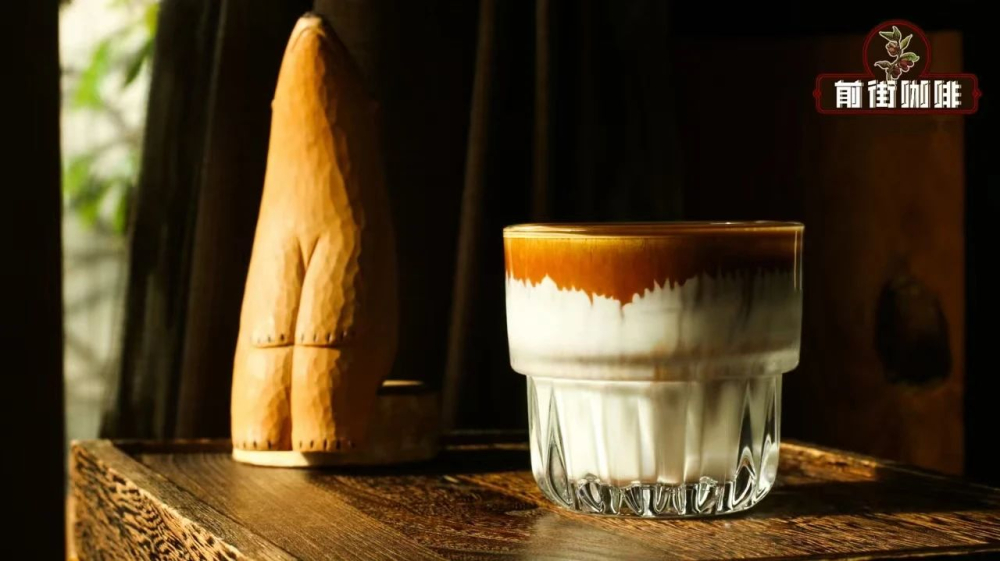
In addition to Flat White, other common coffee drinks like Dirty, cappuccino, and latte each have their unique styles. Dirty is usually served cold, where hot espresso is poured directly over ice-cold milk, creating a strong temperature contrast and emphasizing the “fire and ice” taste. It’s recommended to use an ice-filled cup and consume it quickly to experience the best flavor layers. Cappuccino and latte are also based on espresso, but cappuccino uses a single shot, with a coffee-to-milk ratio of about 1:2 to 1:3, and thicker foam, resulting in a more velvety overall mouthfeel—typically served hot. Latte, on the other hand, has a coffee-to-milk ratio between 1:3 and 1:5, with less foam and a relatively softer taste, suitable for those who prefer a more pronounced milk aroma.

Many consumers don’t fully understand the differences between Flat White and cappuccino, especially when it comes to cup selection and foam control. Flat White is often served in a tulip-shaped ceramic cup to maintain temperature and concentrate aroma. Its foam is thinner than that of a cappuccino, sometimes less than 1 millimeter, allowing the coffee’s flavor to stand out more, while the smooth texture of the milk can moderately soften the bitterness of the espresso. Although cappuccino also uses a ceramic cup, its foam is thicker, offering a more substantial mouthfeel. Additionally, Dirty, which emphasizes the hot-cold contrast, is typically served in a clear glass cup, creating a visually striking effect and has become one of the more popular street-style coffees in recent years.
It’s worth noting that the presentation of Flat White differs slightly between overseas and domestic settings. In its countries of origin, Flat White is usually served in well-insulated ceramic cups to maintain temperature and aroma. But in China, to distinguish it from mainstream milk coffees like latte and cappuccino, it’s often served in glass cups—not only making the thinness of the foam easier to observe but also adding a modern touch. Moreover, the ratio of milk to espresso in Flat White is very precise; baristas need to carefully control the milk temperature and froth level to achieve the best flavor.

When it comes to coffee bean selection, Flat White also has unique requirements. Typically, lattes and cappuccinos use blended coffee beans with flavors mainly of nuts and chocolate, which blend well with milk and highlight sweetness. However, Flat White emphasizes the flavor of the coffee itself, so it usually opts for single-origin or beans with distinct flavor profiles—such as those with citrus, floral, or caramel notes—to showcase clearer taste layers. This also explains why many specialty cafés specifically indicate the use of SOE (Single Origin Espresso) beans for Flat White, to enhance the intrinsic coffee flavor.

In summary, whether it’s Flat White, Dirty, cappuccino, or latte, the core differences between these coffee drinks lie in the ratio of espresso to milk, foam thickness, temperature treatment, and cup selection. Once you master these key points, you’ll not only be able to more accurately choose your favorite type of coffee, but also try recreating the flavors of professional cafés at home. From adjusting milk temperature and controlling foam fineness, to selecting the right coffee beans and espresso parameters—every step influences the final taste and is worth exploring in detail for any coffee enthusiast.




The above content is compiled by CoffeeHunters, a coffee news website.


