








Introduction:Want to delve deeper into the unique charm of Yunnan small-bean coffee? This article explores everything from variety origins and regional characteristics to a hands-on cold brew guide, analyzing the flavor profile and brewing essentials of a well-known coffee brand’s 2013 Natural Typica. It not only breaks down the differences between Typica and Catimor but also provides clear, easy-to-follow cold brew steps—teaching you how to extract clean, smooth coffee with simple tools. Ideal for both beginners and advanced enthusiasts.
The story of Yunnan small-bean coffee begins with Typica and Bourbon, the two oldest Arabica varieties. Renowned for their pure flavors and round, sweet profiles, they were gradually replaced by the more commercially viable Catimor due to lower yields and weaker disease resistance. Nowadays, the commonly seen "Yunnan small-bean" is mostly Catimor-based, processed via washed methods to deliver a balanced profile of brown sugar, nuts, and plums—a great choice for entry-level drinkers.
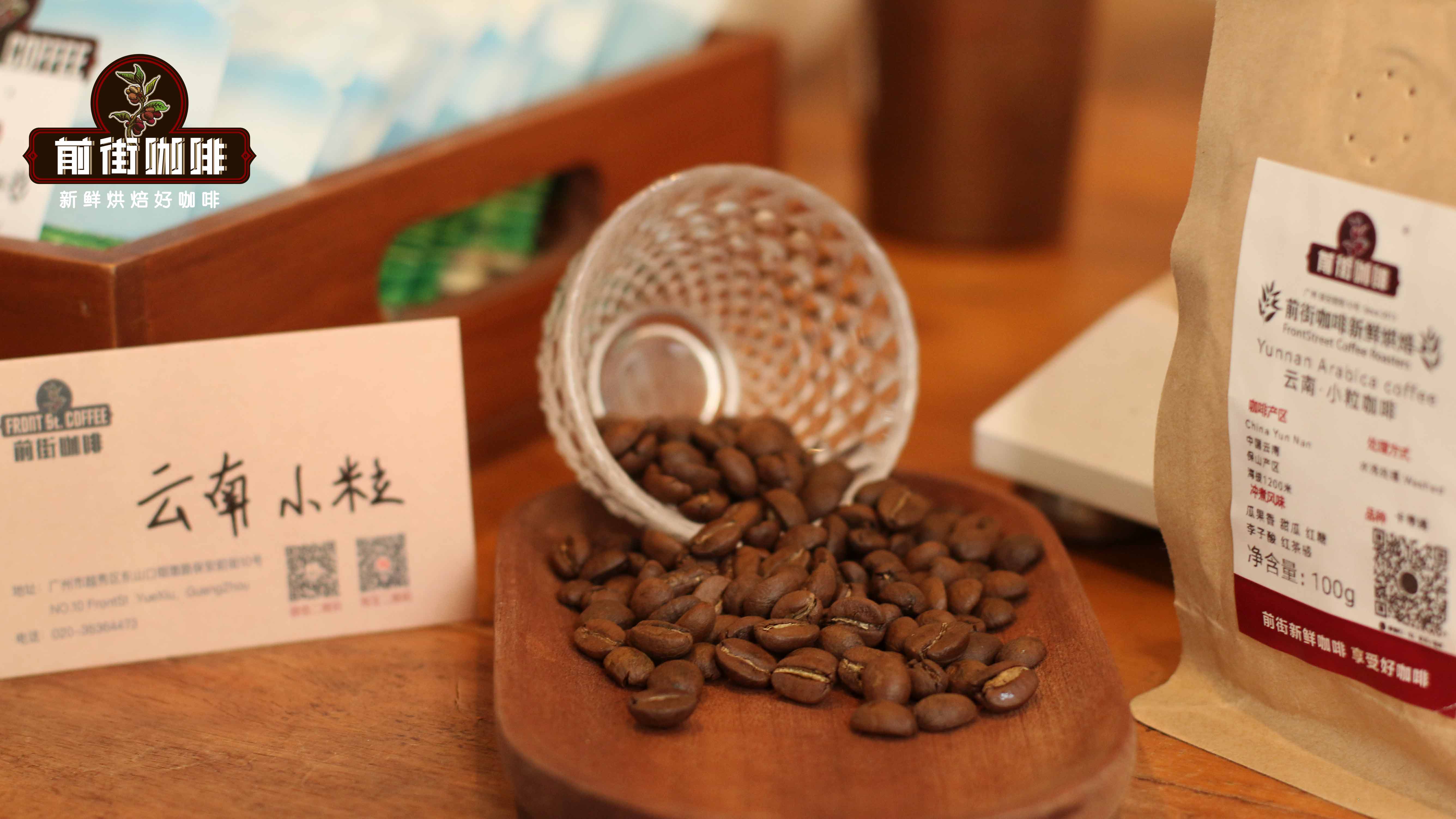
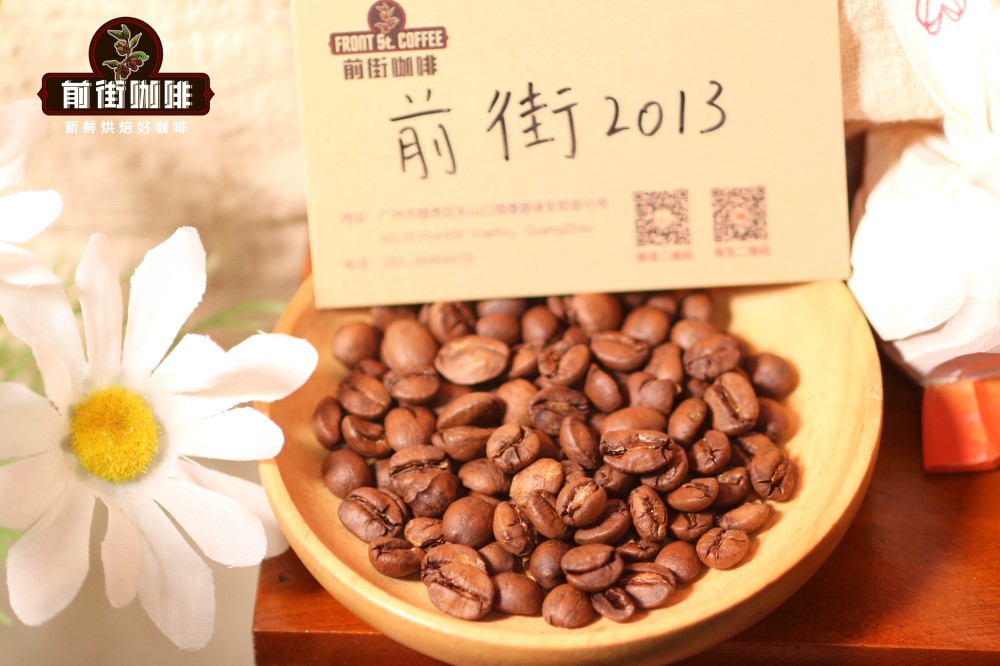
For those seeking a more nuanced expression of Yunnan’s native flavors, the 2013 Natural Typica from a certain renowned coffee brand is worth exploring. These beans hail from Lincang’s high-altitude growing regions, where large day-night temperature variations allow the coffee cherries to fully accumulate sugars and ripen. After harvest, they undergo natural sun-drying processing, with the skin and pulp intact throughout drying—locking in fruity aromas and imparting a rich, full-bodied texture. When medium-roasted, cupping notes reveal layers of dried apricot, black tea, creamy nuts, chocolate, and Chinese plum. Suitable for brewing via pour over, French press, cold drip, or cold brew.

The following takes cold brew as an example, guiding you step-by-step—from bean selection and grinding to filtration and dilution—to craft a clean-flavored Yunnan Natural Typica cold brew. The advantage of cold brew lies in its low acidity and smooth mouthfeel, making it especially appealing to those who prefer refreshing flavors.
First, bean selection and grinding. Prepare 25 grams of the 2013 Natural Typica coffee beans from the renowned brand, grinding them to a coarseness similar to white sugar. This grind size ensures that prolonged steeping won’t lead to over-extraction and unwanted bitterness or astringency.Pay attention to the uniformity of the ground particles; overly coarse grinds may result in under-extraction, while overly fine grinds can easily lead to over-extraction.
Next is mixing and steeping. Pour the ground coffee into a clean glass container (such as a Mason jar or large water bottle), then add 300 grams of cold water (approximately 25 grams beans: 300 grams water) at a 1:12 coffee-to-water ratio. Stir thoroughly to ensure even saturation, then seal the container.The container material isn’t restricted—as long as it’s clean, oil-free, and spacious enough, even a temporary water bucket can be used.
Recommended steeping time is 6 to 18 hours. Refrigerating the mixture helps better control temperature and prevent microbial growth.When refrigerating, place the container in a stable position to avoid accidental knocks or spills when opening the fridge door.Also, keep it away from strongly scented foods like garlic or onions to prevent the coffee liquid from absorbing unwanted odors.
After extraction, use a fine-mesh strainer or filter paper to remove the coffee grounds, yielding a clear coffee liquid.For an even clearer taste, refrigerate the filtered coffee liquid for an additional 2 to 5 hours to allow any residual fine particles to naturally settle before pouring and drinking.
Finally, adjust the flavor. If the cold brew feels too intense, you can dilute it with milk or water to your preference, resulting in a softer, smoother mouthfeel.It’s recommended to first try the undiluted brew, then tweak the ratio according to your taste.
In summary, the Yunnan Natural Typica cold brew not only showcases the variety’s distinctive fruity and sweet notes but also highlights its rich, delicate characteristics through the cold brew method. Whether you’re a beginner eager to explore different processing styles or an advanced enthusiast seeking new brewing inspiration, this cold brew is definitely worth a try.
The above content is compiled by CoffeeHunters, a coffee news website.


