








Introduction:Espresso is the soul foundation of many classic coffee beverages, but its unique flavor and texture are actually closely related to the choice of blended beans. This article delves into the definition and characteristics of espresso, compares the differences between blends and SOEs (Single Origin Espresso), and provides a detailed introduction to the blend ratios and flavor profiles of four classic Italian-style espresso blends, helping you master bean selection techniques and understand the flavor logic behind espresso.
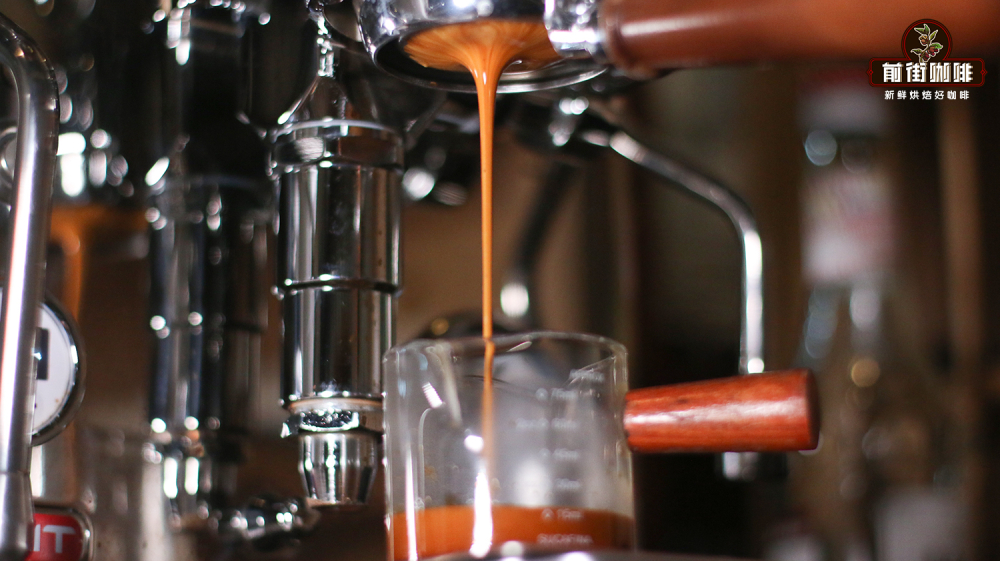
Walk into any café, whether you order a classic Americano or a milky, rich Latte, it all starts with a high-quality shot of espresso. This extraction method, originating in the early 19th century, uses high pressure and high temperature to quickly extract a concentrated and layered coffee liquid. The finished espresso is typically topped with a layer of golden crema, which not only indicates the freshness of the coffee but also contributes to its unique flavor.
However, why do some espressos taste rich and chocolatey, while others showcase bright fruit acidity and floral notes? The key lies in the type of coffee beans used and how they are blended. Commonly available espresso beans on the market can be divided into two main categories: blended coffee beans and single-origin espresso beans (SOE). The former consists of beans from different regions and with varying flavor profiles, combined in specific proportions to achieve balanced and stable flavors; the latter uses beans from a single origin, often highlighting the unique characteristics of that particular region.

When it comes to espresso, due to the high extraction pressure and short brew time, the inherent characteristics of the beans are easily amplified. Therefore, using beans typically suited for pour over may result in overly sour or bitter notes. Blended beans, on the other hand, are carefully crafted by roasters, combining beans with different flavor attributes—for example, using a rich Brazilian base, paired with Central and South American beans that offer nutty or caramel aromas, and even adding certain beans to balance acidity—thus creating an espresso that is smooth, rounded, and layered.
Next, we will take an in-depth look at the recipes and flavor profiles of four classic Italian-style espresso blends, helping you better understand how to adjust the blend ratio to achieve your desired coffee taste.
Classic Bold Type — Commercial Blend Coffee Beans
This blend uses 10% washed Robusta, 30% washed Colombian, and 60% semi-washed Brazilian beans. Although Robusta is often considered to have a stronger flavor, here it serves mainly as the structural support for the flavor profile, providing a rich body and a bitter foundation. The Colombian beans bring a distinct nuttiness, while the majority Brazilian semi-washed beans contribute a bold caramel and chocolate aroma. After extraction, the espresso has a thick crema; the first impression is a hint of roasted aroma and bitterness, which then transitions into a smooth, buttery mouthfeel, with a long-lasting and mild aftertaste.
Mildly Acidic Bold Type — Dark Cocoa Blend Coffee Beans
This blend combines 30% washed Yunnan small-bean variety with 70% Brazilian semi-washed beans. The Yunnan beans provide a gentle fruit acidity and unique regional aromas, while the Brazilian beans ensure a stable, bold foundation. Together, they produce an espresso with caramel sweetness, nutty notes, and a slight plum-like acidity. The overall profile is well-balanced, making it ideal for those who enjoy a touch of acidity without sacrificing a rich taste.
Balanced Rich Type — Premium Blend Coffee Beans
Composed of 30% washed Colombian and 70% Brazilian semi-washed beans, this blend enhances the nutty character of the Brazilian beans and introduces the deep, dark chocolate-like aroma of the Colombian beans. The extracted coffee has a dense crema; the initial flavors are intense chocolate and caramel sweetness, followed by delicate nutty and roasted aromas. It’s suitable for various milk-based coffee drinks and can also be enjoyed on its own to savor its rich and balanced profile.
Choosing the right blend not only enhances the quality of the espresso itself but also influences the performance when adding milk or other flavorings. It is recommended that coffee enthusiasts, when selecting blends, not only consider the blend ratio but also pay attention to the roast level—typically, medium-dark to dark roasts better highlight the bold and rich characteristics needed for espresso. Additionally, parameters such as the coffee-to-water ratio, water temperature, and pressure during extraction can greatly affect the final flavor profile. It is advisable to fine-tune these settings based on the specific characteristics of the chosen blend to fully realize its potential.
The above content is compiled by CoffeeHunters, a coffee news website.


