







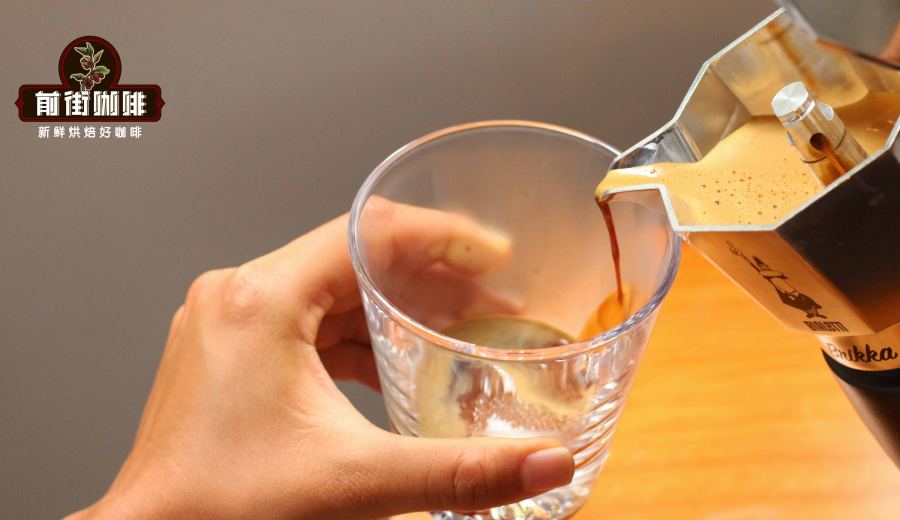
Introduction:Many beginners using a moka pot often encounter issues such as the coffee flowing out too quickly, tasting weak, or not flowing at all, resulting in over-extraction. The key lies in the grind size of the coffee grounds. This article delves into the ideal grind range for a moka pot, how to determine and adjust it, and provides practical tips and precautions to help you easily master the essentials of extraction and consistently brew concentrated coffee with an ideal flavor.
Making coffee with a moka pot may seem simple, but many people get stuck on the step of "how fine should the coffee grounds be?" If the grind is too coarse, the water flows through too quickly, leading to insufficient extraction and a weak, flavorless cup. Conversely, if the grind is too fine, the water flow is obstructed, making it difficult for the coffee to exit, potentially leading to over-extraction and bitterness, or even danger due to excessive pressure. Therefore, mastering the correct grind size is the first step to brewing a delicious cup of moka pot coffee.
The moka pot is a pressure-based brewing device, operating at an internal pressure of about 1.5 bar. Although not as high as the 9 bar of a professional espresso machine, it still requires a certain amount of pressure to drive the extraction process. For this reason, its grind size is similar to that used in espresso machines, but actually needs to be slightly coarser. It is generally recommended to aim for a particle size between 0.3 and 0.55 millimeters — finer than the coarse particles used in pour over, but slightly coarser than standard espresso grind.
How can you tell if your grind size is appropriate? There are two practical methods: one is to directly measure using a particle size gauge, and the other is to adjust through repeated practical brewing and observation of the extraction results. If you don’t have a particle size gauge, you can also refer to pre-ground coffee specifically designed for moka pots available on the market, using them as a visual and tactile reference.
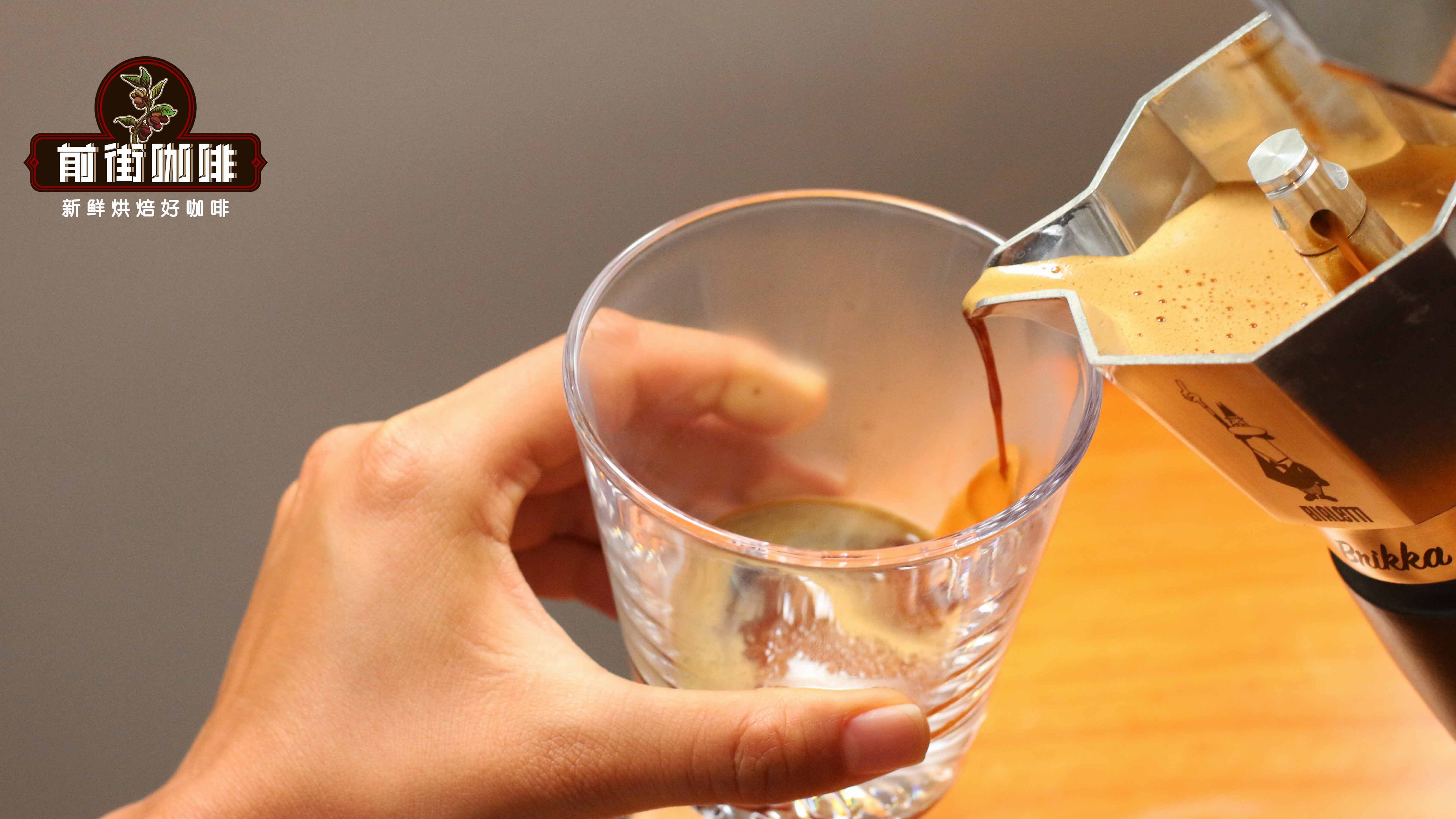
If you choose to adjust by actual brewing, you can observe the following phenomena: if the coffee flows out like a fountain and tastes weak, it means the grind is too coarse — the contact time between the coffee grounds and water is too short, resulting in under-extraction. On the other hand, if you hear a “wheezing” sound from inside the pot but the coffee doesn’t rise or barely flows, it may be that the grind is too fine, preventing the pressure from effectively pushing the water through. In this case, you should immediately remove the moka pot from the heat source to prevent overheating or abnormal pressure buildup.
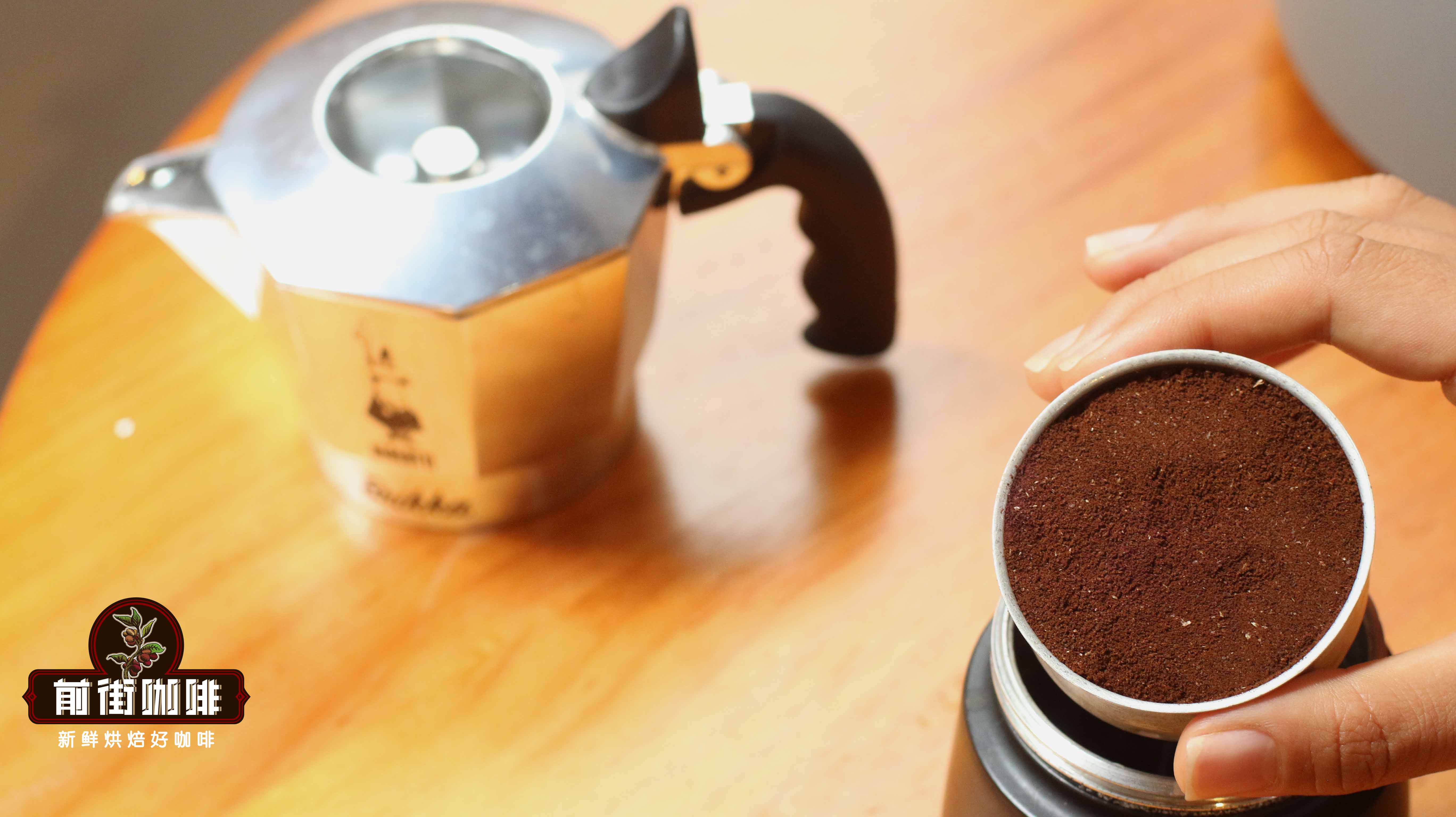
Once you’ve found a roughly suitable grind size, you can further fine-tune it based on the characteristics of the coffee beans you’re using. For example, if you prefer a rich, full-bodied coffee with a thick crema, you might opt for medium-dark roasted beans, such as a classic medium-dark roast blend. For such coffees, it’s recommended to adjust the grind to be slightly coarser than table salt to avoid over-extracting and releasing too many bitter compounds. If you enjoy fruity, floral, and aromatic profiles, you could choose a light to medium roast or a unique specialty blend, such as one with prominent strawberry notes. In this case, you can go for a slightly finer grind, close to the texture of table salt, which helps bring out more complex layers of aroma.
In addition, safety details must never be overlooked when using a moka pot. Carefully observing the lower chamber of the moka pot, you’ll notice a small protruding hole — this is the so-called safety valve. This valve functions to release excess pressure when it becomes too high inside the pot, preventing dangerous situations such as explosions caused by uncontrolled pressure. When adding water, be sure the water level does not exceed the height of the safety valve. Otherwise, once the pressure rises, the safety valve may fail, creating a serious safety hazard.
In summary, adjusting the grind size of the coffee grounds in a moka pot is one of the key factors affecting extraction results. It is recommended that beginners start with a grind slightly coarser than standard espresso grind, gradually adjusting based on actual brewing outcomes, while also considering their understanding of the flavor characteristics of the coffee beans, to find the most suitable balance of grind and extraction for themselves. By steadily controlling the grind size, water flow rate, and extraction time, you too can brew professional-grade coffee with a moka pot.
The above content is compiled by CoffeeHunters, a coffee news website.


