







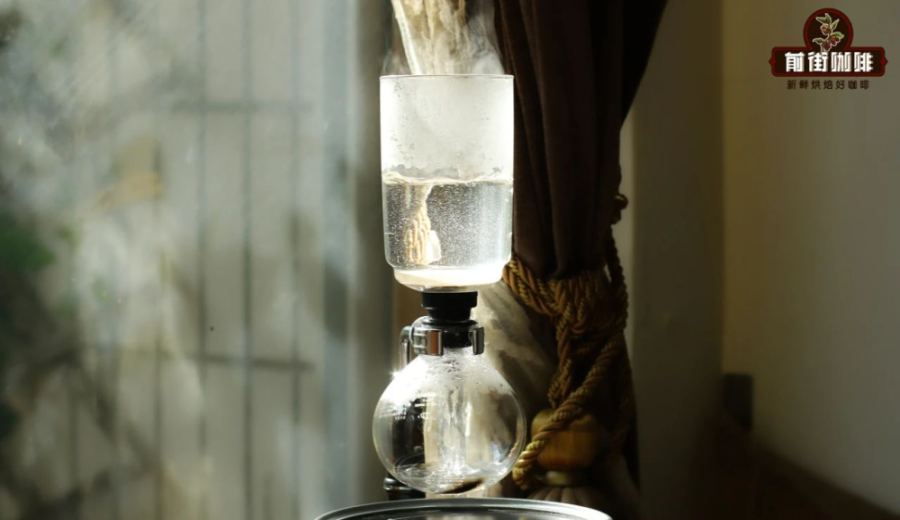
Introduction:Although siphon coffee is not as common as pour over, it boasts a uniquely rich flavor and visual appeal. This article delves into the brewing principles of the siphon, covering everything from the device structure, heating methods, to grind size, coffee-to-water ratio, and stirring techniques—providing precise extraction parameters and practical steps to help coffee enthusiasts brew a layered, smooth, and aromatic siphon coffee at home.
The siphon coffee maker is a brewing device that combines scientific principles with handmade aesthetics. Though less commonly seen in modern cafés, it remains beloved by many coffee fans for its distinctive flavor and immersive experience. This article will thoroughly analyze all aspects of siphon coffee, including equipment design, filter selection, heating tools, coffee bean choices, grind settings, coffee-to-water ratio, stirring techniques, and brewing time, along with detailed practical recommendations to help beginners get started easily and enjoy a richly aromatic, full-bodied siphon coffee.
[Basic Structure of the Siphon]
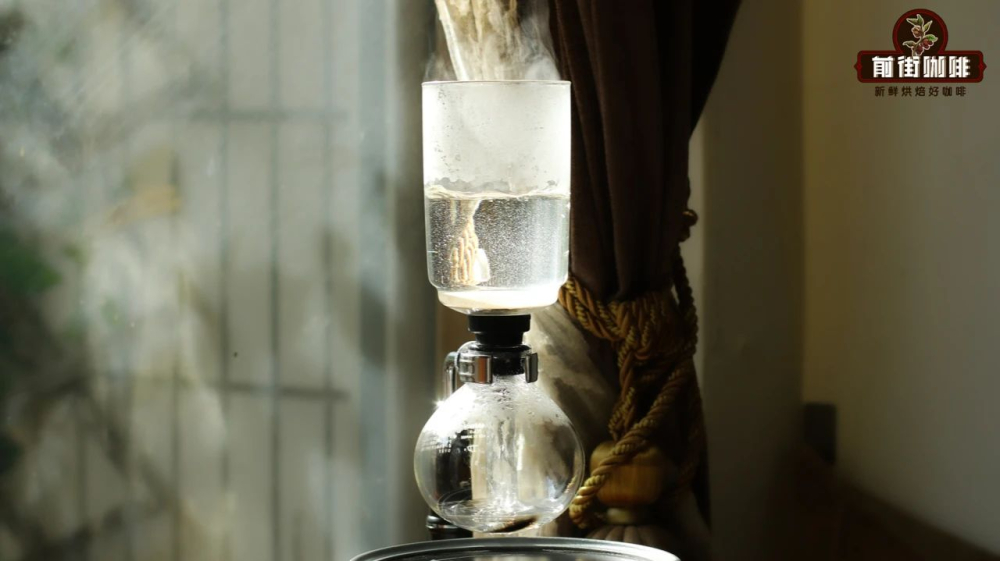
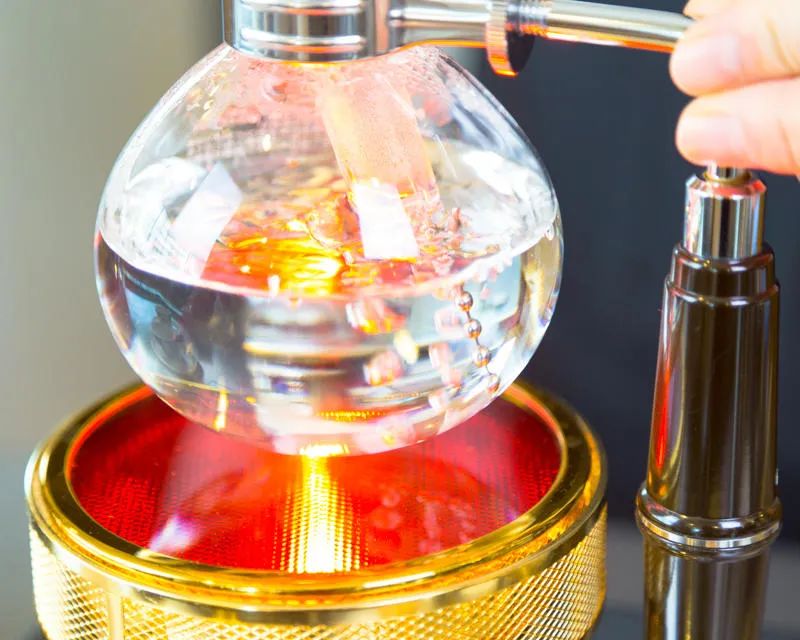
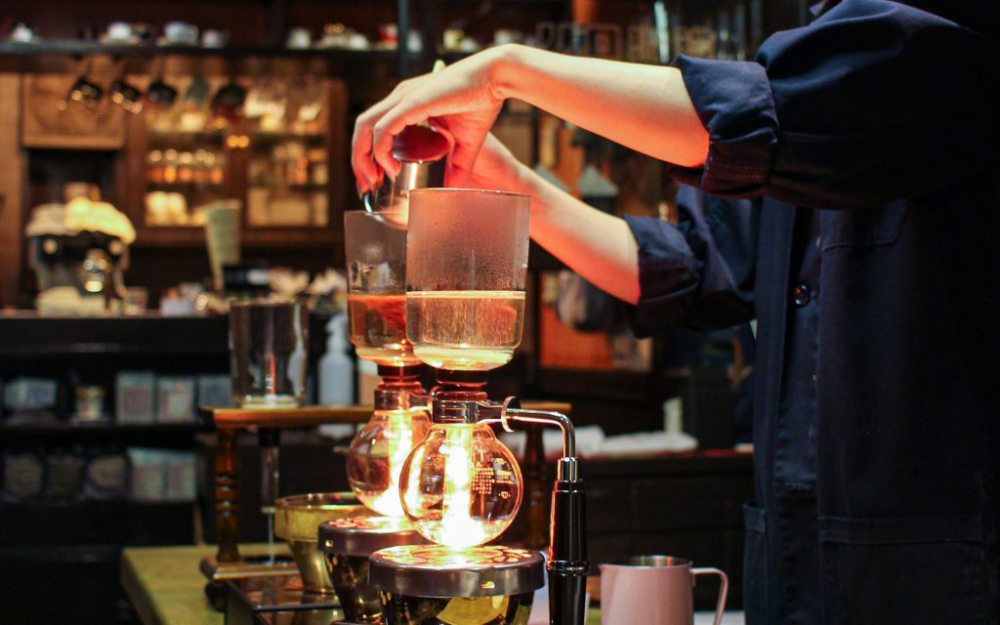
The siphon consists mainly of three parts: the upper chamber, the lower chamber, and the stand. The lower chamber is typically spherical for even heat distribution, while the upper chamber is cylindrical with a narrowed base connected to a slender tube. The two are sealed together with a rubber gasket. When heated, the water in the lower chamber generates steam, increasing internal pressure and pushing the water up into the upper chamber to fully contact the coffee grounds. After removing the heat source, as the temperature drops, the brewed coffee flows back down into the lower chamber due to the pressure difference, completing the entire extraction process.
[Filter Choice: Cloth vs. Paper]
To prevent coffee grounds from affecting the taste, a filter is needed to strain the brewed coffee. Common options include cloth filters (like flannel) and circular paper filters. Flannel retains more coffee oils, enhancing the richness of the flavor but requires more complex cleaning and maintenance. Paper filters offer more thorough filtration, removing finer impurities and oils, making them suitable for those who prefer a cleaner taste. If you don’t brew often or prefer a richer mouthfeel, flannel filters may be your first choice.
[Comparison of Heating Methods]
Siphon coffee can be heated using a gas stove, microwave, or alcohol lamp. Gas and microwave devices heat up quickly and offer easy flame control, but they tend to be more expensive. Alcohol lamps are affordable but provide inconsistent heat output and take longer to heat. Regardless of the heat source chosen, the key is to adjust your brewing rhythm according to its characteristics to achieve optimal extraction.
[Coffee Bean Types Suitable for Siphon]
Since siphon brewing has a shorter extraction time, it’s recommended to use medium-dark to dark roasted beans, which help release sufficient flavor within the limited time. The bean variety can be chosen based on personal preference, with the focus being on the freshness of the beans and the pairing with roast level to deliver a full and balanced taste.
[Add Coffee Grounds Before or After Heating?]
The timing for adding coffee grounds in siphon brewing is divided into pre-heating (before heating) and post-heating (after heating). Adding grounds before heating may cause some to come into early contact with hot water during the rising phase, leading to uneven extraction. Adding them afterward ensures all coffee grounds begin extraction only after uniform absorption of water, usually resulting in more stable and controllable results. For beginners, the post-heating method is recommended to reduce the chance of mistakes.
[Grind Size Setting]
The grind size for siphon coffee needs to be finer than that for pour over. It is generally recommended to reach about90% passing through a #20 sieve. If using an EK43s electric grinder, this corresponds tosetting 9; for hand grinders like the C40, it’s roughlysetting 20. The right grind coarseness ensures sufficient water-coffee contact without over-extraction that could negatively affect the taste.
[Recommended Coffee-to-Water Ratio]
The standard coffee-to-water ratio for siphon coffee is1:10 to 1:12, with1:12being the most commonly used range. For a single serving, you can refer to18 grams of coffee grounds with 200 milliliters of water, a ratio that achieves a good balance between flavor and strength.
[Stirring Techniques]
Common stirring methods include circular, cross, Z-shaped, infinity (∞), and tapping. For users new to siphon coffee, it’s recommended to start with the simple tapping method: using the center of the stirring rod as the axis, tap the coffee grounds layer lightly at offset ends to help the grounds absorb water evenly and mix initially, aiding stable extraction later on.
[Timing to Turn Off Heat & Brewing Rhythm]
The timing of turning off the heat is a crucial factor affecting the flavor of siphon coffee. It’s generally recommended to start timing from when the grounds are added or stirring begins, and to turn off the heat sourcebetween 50 to 70 seconds, allowing enough time for the coffee to extract and gradually flow back down. Extraction times that are too long or too short may lead to imbalanced flavors.
[Practical Brewing Process]
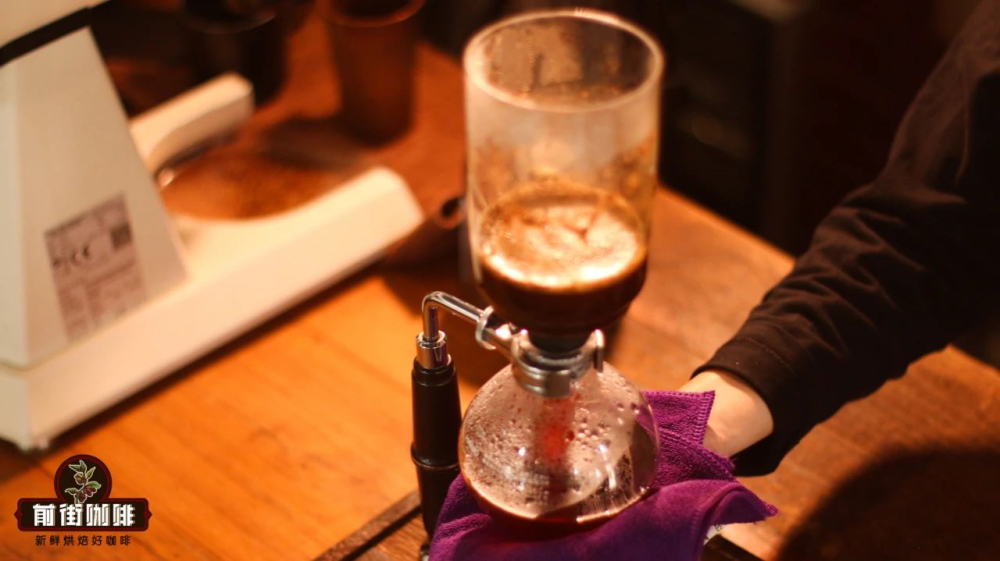
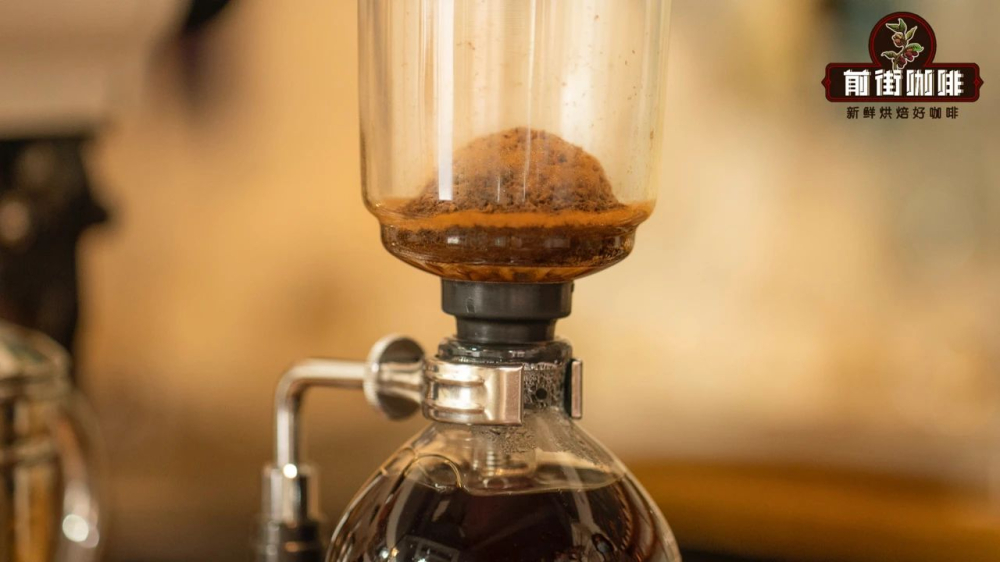
Here is a common siphon brewing procedure: First, pour 200 milliliters of hot water into the lower chamber and turn on the heat source. Tilt the upper chamber and ensure the anti-explosion bead touches the bottom of the chamber. When small water droplets appear in the lower chamber, straighten the upper chamber and press it down firmly, waiting for the water to rise completely. Then add the coffee grounds afterward and start timing. In the first stage, use the tapping method to allow the coffee grounds to absorb water evenly. At around 25 seconds, perform the second stir to form a clear three-layer structure. At 50 seconds, stir again, and turn off the heat at 60 seconds, then wait for the coffee to slowly flow back down. Following these steps, you’ll be able to brew siphon coffee with rich aroma and smooth texture at home.

Although siphon brewing involves more steps than pour over and requires attention to heat control and cleaning, mastering the correct parameters and techniques allows you to experience the unique joy and charm of this extraction method. For coffee lovers seeking layered flavors and visual enjoyment, the siphon is undoubtedly a brewing tool worth exploring in depth.
The above content is compiled by CoffeeHunters, a coffee news website.


