







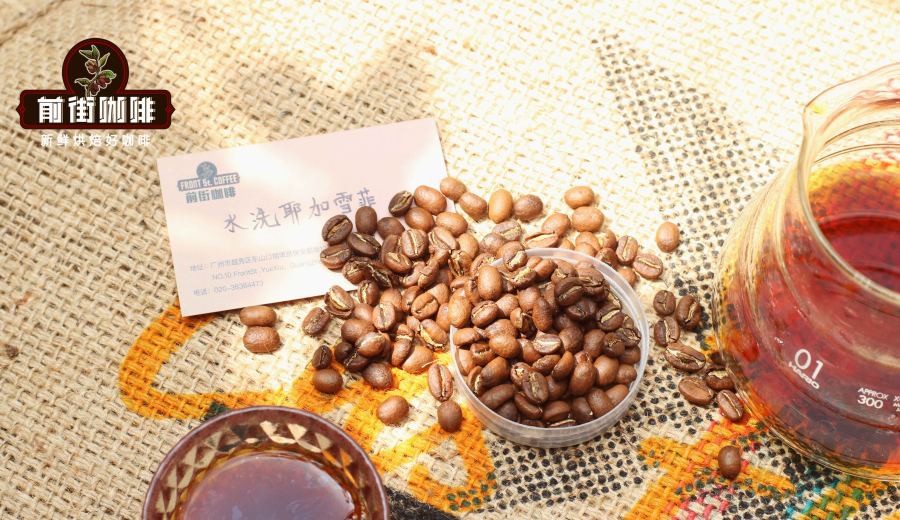
Introduction:Yirgacheffe G1 coffee beans are one of the representatives of Ethiopia’s high-altitude coffee-growing regions, renowned for their distinctive floral and fruity aromas and bright acidity. This article delves into its growing environment, variety characteristics, differences between washed and natural processing methods, flavor profiles, and offers practical grind and pour-over brewing suggestions to help you choose the right beans based on your personal preferences and enhance your brewing experience.
Yirgacheffe G1 is a top-tier representative of Ethiopian specialty coffee, grown in one of the highest-altitude coffee cultivation areas in the world, blessed with unique microclimates and terroir conditions. These beans are not only widely acclaimed in the global specialty coffee market but are also a popular first choice for many coffee enthusiasts trying African beans. This article will comprehensively break down all key elements of Yirgacheffe G1—from regional geography, varietal genetics, processing techniques, flavor characteristics, to practical brewing parameters.
Yirgacheffe is located in Ethiopia’s Sidamo region. Although it lies on a plateau and is surrounded by rivers, its unique microclimate has made it an ideal place for producing high-quality natural-processed beans. Unlike the common belief that natural-processed beans thrive in dry and hot climates, Yirgacheffe benefits from the misty valley’s characteristic humid fog, stable temperatures, and abundant moisture, which allow for more thorough fermentation of fruit flavors during the natural processing, resulting in intense wine-like notes and ripe fruit tones.
The altitude in this region generally reaches nearly 2,000 meters. The high-altitude environment extends the growth cycle of coffee cherries, resulting in denser beans with richer internal compounds, which directly impacts the brightness of the coffee’s acidity and the complexity of its aroma. The name Yirgacheffe comes from the local language, where “Yirga” means “to settle” and “Cheffe” means “wetland,” reflecting how its geographical environment has long been closely associated with moisture.
In terms of quality grading, Yirgacheffe G1 is not judged by bean size but by the ratio of defects in the green beans, where G1 represents the highest grade with the lowest defect rate. These beans are typically handpicked one by one to ensure only those with excellent appearance and internal quality are selected. Compared to the G2 grade, G1 demonstrates superior flavor purity and consistency, making it an ideal choice for coffee enthusiasts pursuing premium flavor profiles.
If you prefer a clean and bright taste profile, you might want to try the washed Yirgacheffe G1, such as the version from the Kochere Cooperative. These beans often showcase layers of jasmine, citrus, honey, and green tea, with soft acidity and a delicate sweetness, making them very suitable for brewers who are new to high-altitude African beans. The washed processing method preserves the original fruit acids and floral notes of the coffee beans while reducing interference from impurities, resulting in a purer and more transparent flavor.
For those who enjoy intense fruitiness and a fuller body, the natural-processed Yirgacheffe G1, such as the Red Cherry version, is the perfect choice. After prolonged sun exposure, the sugars and aromatic compounds in the fruit pulp penetrate deeper into the bean core, often releasing rich notes of berries, cream, and black tea upon brewing. These beans accumulate more complex flavors during the maturation process, offering a round and full mouthfeel with a lingering aftertaste of distinct caramel and nutty aromas.
In terms of flavor expression, the dry aroma of Yirgacheffe G1 often carries sweet scents of rum, plum, and peach, accompanied by fermented citrus notes and a honey finish; during the wet aroma stage, you can perceive an interplay of peach, citrus peel, caramel, and cocoa. Upon tasting, the acidity is soft, the body is full and bright, the sweetness releases quickly, and the overall flavor profile is clear and dynamic. The aftertaste often features notes of roasted nuts and toffee, with a noticeable nutty aroma lingering at the bottom of the cup.
For practical pour-over brewing recommendations, it is advised to use a medium-fine grind (approximately Hario Mini-Mill 15–18 or equivalent to 70–75% extraction through a standard #20 sieve), with water temperature controlled between 90–92°C. Using a medium extraction method can balance acidity, sweetness, and body. A grind that is too coarse may lead to weak flavors, while one that is too fine may cause over-extraction and bitterness—adjustments should be made based on actual brewing conditions.
In summary, Yirgacheffe G1 coffee beans, with their unique regional flavors, refined processing techniques, and diverse aromatic expressions, have become a classic item in the specialty coffee world that should not be missed. Whether you are a beginner just starting out or a seasoned connoisseur seeking fresh flavors, you can find your own brewing enjoyment and taste experience from these beans.
The above content is compiled by CoffeeHunters, a coffee news website.


