







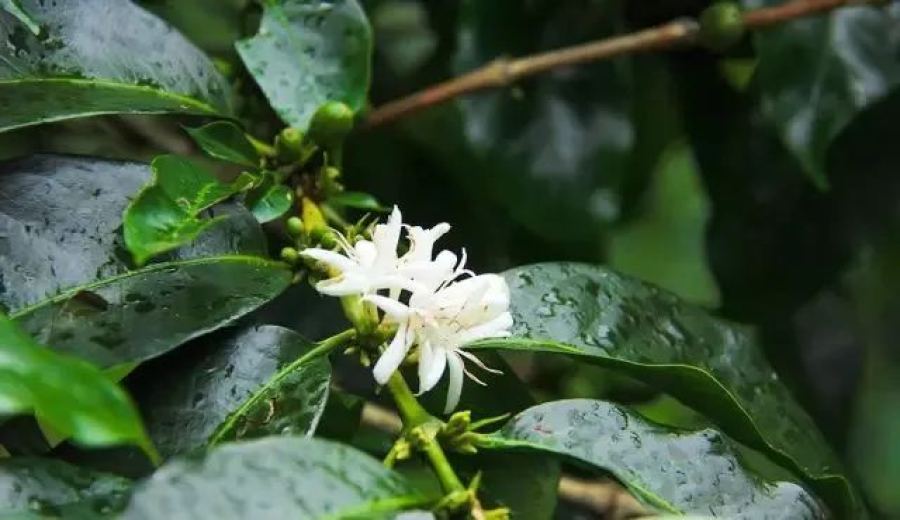
Introduction:An in-depth exploration of the origins, terroir, and grading system of Panama’s Boquete Geisha from Hacienda La Esmeralda. Discover the microclimate differences across its three core plots—Jaramillo, Cañas Verdes, and El Velo—as well as the flavor profiles and pour over parameters for both its Red Label auction lots and Green Label everyday offerings. Learn the key points for selecting and brewing this top-tier Geisha.
In today’s specialty coffee scene, the Geisha variety from Panama’s Boquete region is undoubtedly synonymous with premium flavor, and the driving force behind its international reputation is none other than Hacienda La Esmeralda. Yet what’s lesser known is that these now highly sought-after beans were initially regarded merely as windbreak trees. What kind of geographic conditions and meticulous management transformed these once unremarkable trees into specialty coffee scoring over 90 points? This article will take you from the volcanic soils and microclimates of Boquete to the evolutionary journey of Geisha—from its Ethiopian origins to becoming a champion at international competitions. We’ll also analyze the unique terroirs of Hacienda La Esmeralda’s three main regions—Jaramillo, Cañas Verdes, and El Velo—and detail the grading logic, optimal brewing methods, and typical flavor profiles of the Red and Green Labels.
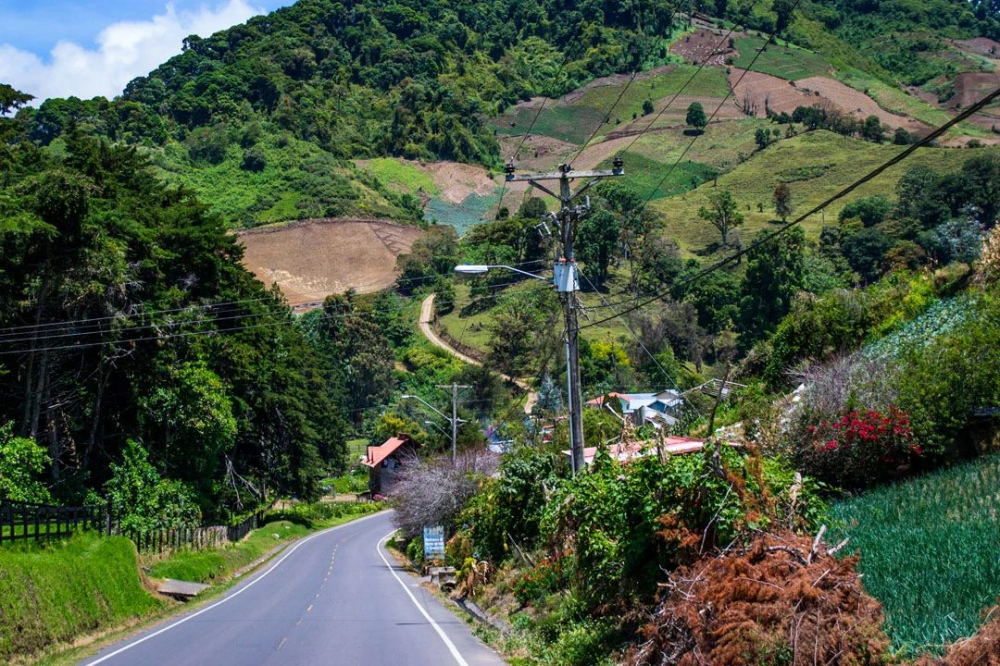
Panama is located at the hub of Central America, bordering Costa Rica to the north and Colombia to the south. The development of its coffee industry is inseparable from its geographic advantages. Particularly in the Chiriquí Highlands, with Boquete as the core, the region benefits from fertile soils derived from the Barú Volcano, stable rainy seasons, and a cool environment shrouded in clouds. These conditions collectively create the signature bright acidity, delicate floral notes, and rich sweetness of Geisha coffee. Compared to a single region, the diverse microclimates surrounding Boquete provide a natural setting for cultivating Geisha with varying flavor profiles.
Focusing on the small town of Boquete, which lies close to the border between Panama and Costa Rica, its location adjacent to the Barú Volcano not only features deep volcanic soils but also a uniquely cool and foggy microclimate due to the mountainous terrain. The interaction of persistent cloud cover and frequent rainfall effectively slows the ripening process of coffee cherries—similar to the slow development effect seen at high altitudes—allowing the beans to accumulate a richer array of flavor compounds. In actual cuppings, this region often exhibits multi-layered aromas ranging from dark cocoa to bright tropical fruits, with soft and well-defined acidity.
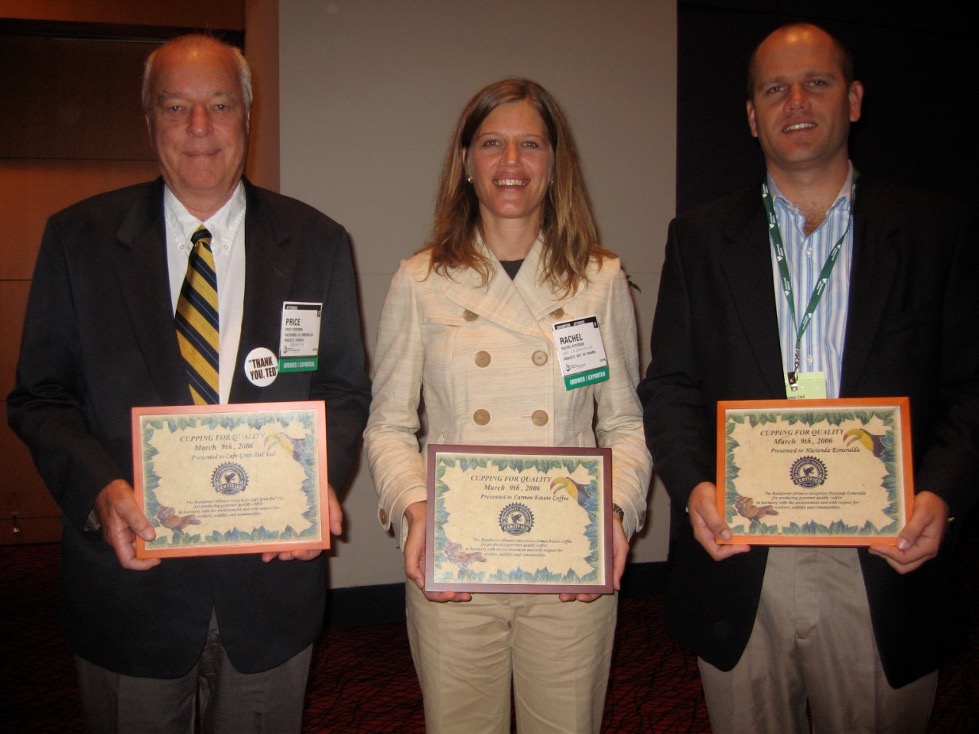
The history of Hacienda La Esmeralda dates back to 1964, when American banker Rudolph A. Peterson chose to settle in Boquete and acquired local farms to convert them into dairy operations. It wasn’t until 1987 that his son, Price Peterson, gave up his medical career to return home and assist, introducing the Caturra and Catuaí varieties and establishing a dedicated washed processing facility in 1994. The real turning point came in 1996, when they acquired the neighboring Jaramillo Estate at elevations of 1600 to 1700 meters. Although the coffee trees in this area had been used solely as windbreaks by the previous owner, their location at the highest elevation nurtured unique citrus and fruity-floral characteristics. After years of cupping and selection, these once-overlooked coffee trees were ultimately identified as the traditional Ethiopian variety Geisha, which won the prestigious Panama Coffee Competition (BOP) in 2004 with its exceptional flavors.
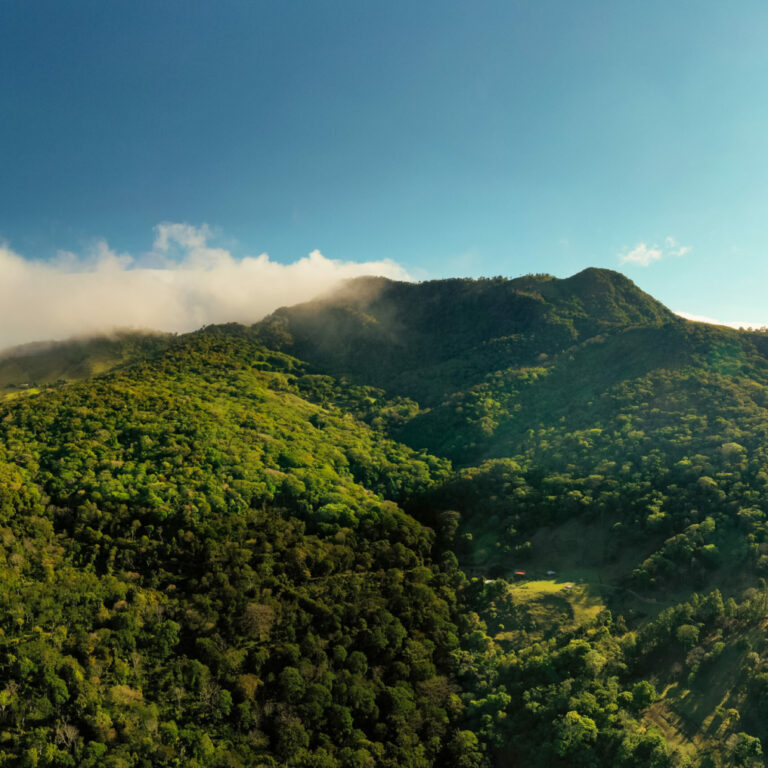
Currently, the main areas under Hacienda La Esmeralda’s focus for Geisha cultivation include: Jaramillo, Cañas Verdes, and El Velo. Since its inclusion in 1996, Jaramillo has consistently demonstrated stable, high quality, with elevations ranging from 1600 to 1700 meters, an average annual temperature of 19 to 25°C, and annual rainfall reaching 4000 mm. Cañas Verdes covers even higher elevations (1600 to 1800 meters), with slightly lower annual rainfall (around 3500 mm) but equally ideal day-night temperature variations. The newest addition, El Velo, climbs to elevations of 1700 to 1900 meters and, besides Geisha, also experiments with rare varieties such as Laurina and Pacamara, showcasing Hacienda La Esmeralda’s ongoing commitment to exploring extreme flavor profiles.
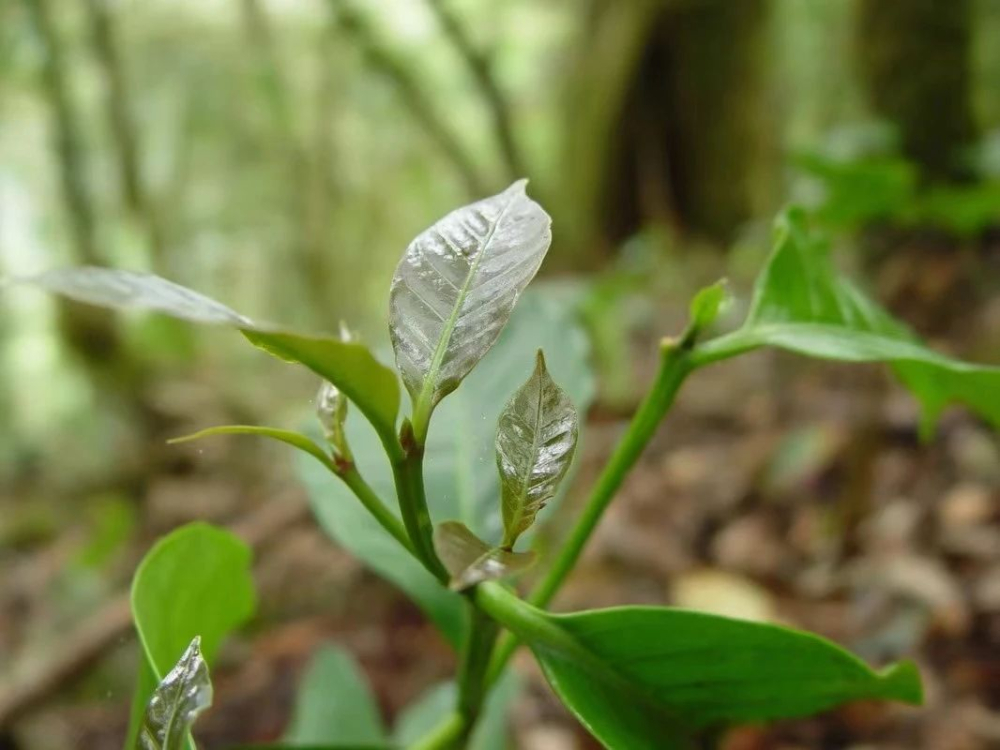
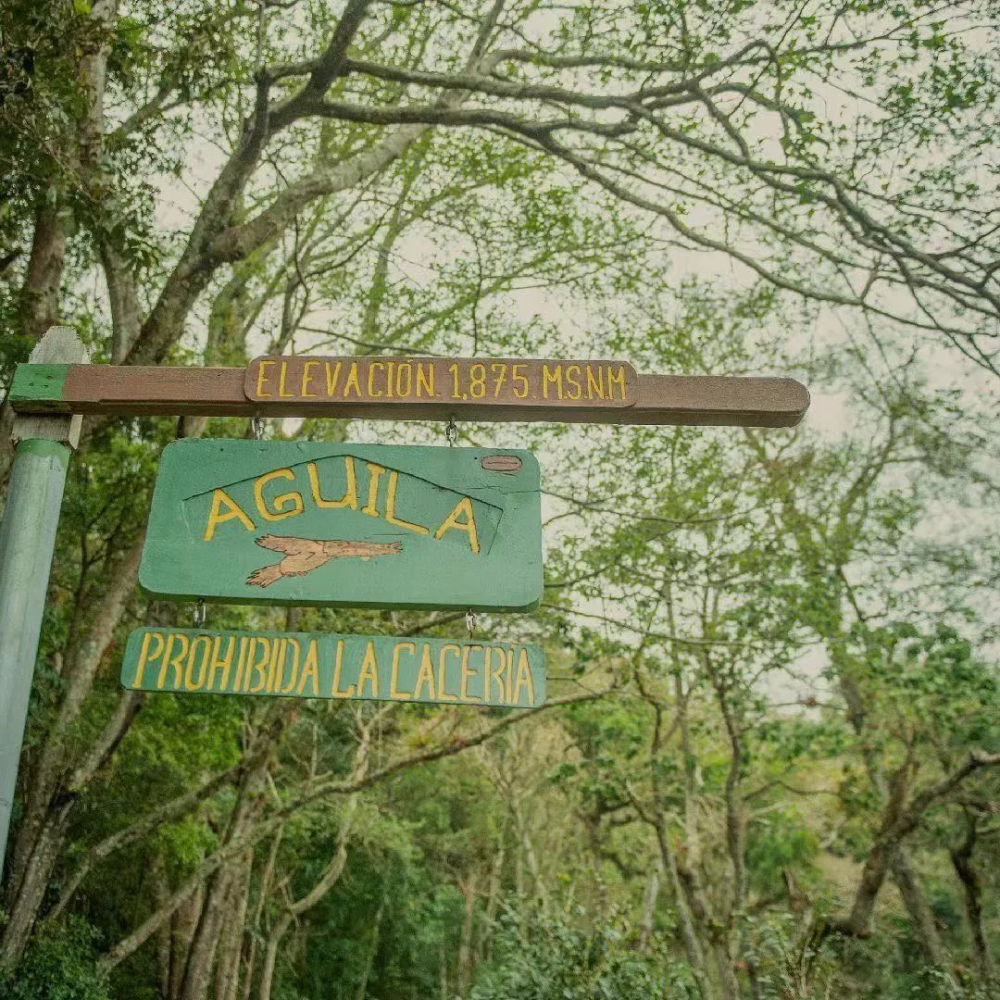
A closer look at Hacienda La Esmeralda’s three core Geisha plots: Jaramillo is subdivided into five smaller sections—including Mario, Ferris Wheel, and Queen—each with distinct microclimate characteristics. Cañas Verdes includes nine smaller blocks—such as Linen, Coronation, and Founder—where differences in terrain and soil composition result in subtle flavor variations. El Velo, the most recently acquired high-elevation area, is divided into seven smaller plots—including Peach, Fig, and Eagle—where Geisha is cultivated alongside small experimental fields of foreign varieties. This meticulous block-by-block management enables Hacienda La Esmeralda to precisely classify different grades of Geisha, such as Red Label and Green Label, based on elevation and cupping results.
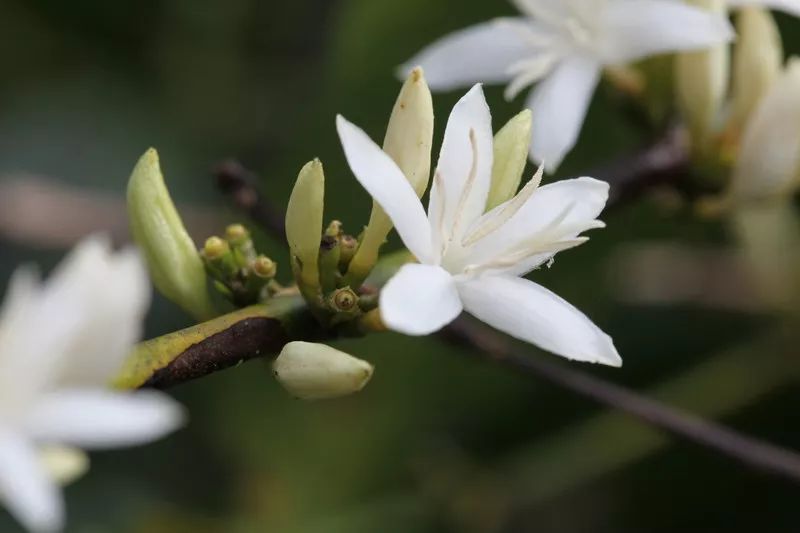
The so-called “Red Label” Geisha specifically refers to auction-grade batches with cupping scores of 90 or above, grown at elevations of 1600 to 1800 meters, and sourced from premium blocks within Jaramillo and Cañas Verdes. This grade is exclusively released through Hacienda La Esmeralda’s annual independent auction. Processing methods may include either washed or natural, with flavor profiles highlighted by intense floral notes (such as rose and jasmine) and bright citrus tones, often accompanied by honey-like sweetness and juicy mouthfeel. It’s important to note that both the auction and non-auction Red Label lots actually come from the same plots—the only difference being whether they are sold through the auction channel. Therefore, if your budget is limited, the non-auction Red Label remains an affordable option for experiencing top-tier flavors. Recommended pour over parameters: Hario V60 dripper, 91°C water temperature, 1:15 coffee-to-water ratio, medium-fine grind (80% passing through a #20 sieve), three-stage extraction (bloom for 30 seconds → 125g pour → 225g total, approximately 2 minutes total brew time).
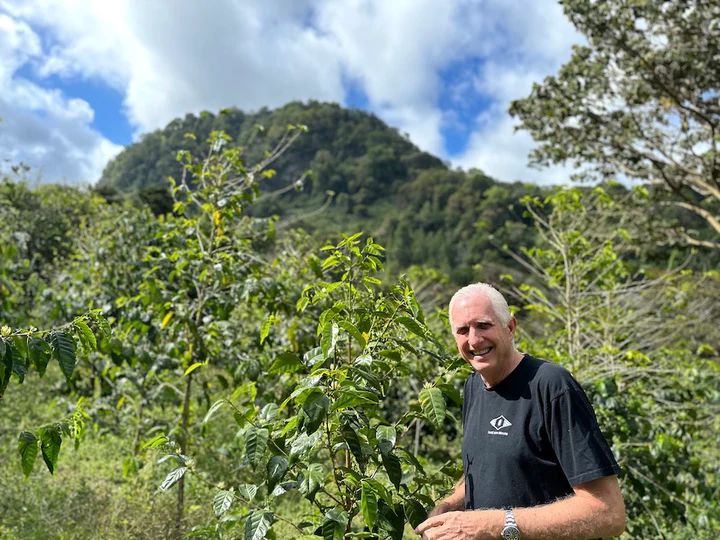
The “Green Label” Geisha, while not part of the auction system, still maintains an elevation of 1600 to 1800 meters and a high standard of processing. It primarily blends batches from various small plots across Jaramillo, Cañas Verdes, and others. Compared to the Red Label, its flavor profile is more approachable and consistent, typically featuring citrus acidity, berry notes, creamy body, and a green tea finish, with noticeable sweetness and rich layers. Processing options also include both washed and natural, making it suitable for everyday drinking or for coffee lovers trying Geisha for the first time. Brewing recommendations are similar to those for the Red Label, with minor adjustments to grind size possible to balance acidity and sweetness according to personal taste.
Practical Pour Over Guide: When using a Hario V60 dripper, it is recommended to preheat your equipment, then add 15 grams of medium-fine ground coffee (it is advisable to sieve to confirm 80% passing through a #20 sieve). The first pour involves adding 30 grams of 91°C hot water for a 30-second bloom to initiate expansion of the coffee grounds. The second pour uses a slow circular motion to reach 125 grams, then pause and wait until the coffee bed drains down to about one-third exposed before continuing to pour up to a total of 225 grams to complete the extraction (total brew time should be controlled around 2 minutes). Pay attention to the flow rate: if the pour is too fast leading to excessive drainage speed, consider grinding slightly finer. If water flow is sluggish, check whether the grind is too fine or the tamper pressure is too high.
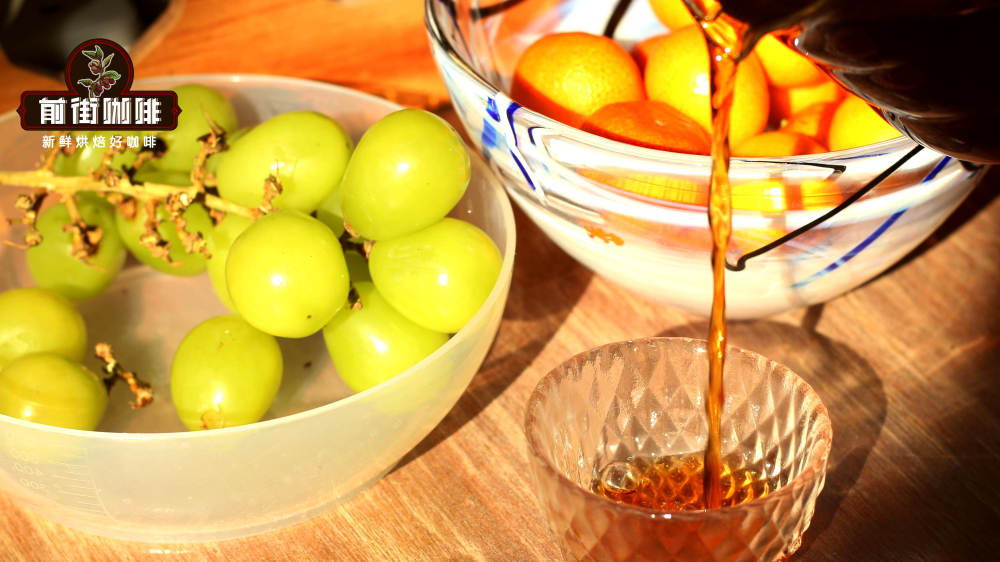
The flavor profile of Red Label Geisha leads with vivid floral notes (especially rose and citrus blossom), followed by complex fruit aromas such as rice, berries, and apricots, and a finish with honey sweetness and a juice-like rich body. The overall balance of acidity and sweetness is excellent, with distinct layers—ideal for those who enjoy bright acidity and floral-fruity profiles. Green Label presents a softer foundation of jasmine floral notes, paired with fresh acidity from citrus and berries, a creamy mid-palate, and green tea aroma, finishing with the sweet aftertaste of orange peel and cantaloupe. The overall mouthfeel is round and approachable, making it an excellent choice for everyday drinking or pairing with desserts.
The above content is compiled by CoffeeHunters, a coffee news website.


