








Introduction:Kenyan coffee is renowned for its bright acidity and juicy, vibrant flavors, with its distinctive taste profile originating from the SL28 and SL34 varieties and the K72 washed processing method. This article delves into the growing regions, varietal genetics, and processing techniques of Kenyan coffee, and provides expert pour over brewing parameters — including grind size, water temperature, and pouring techniques — to help you fully highlight its layered notes of cherry tomato, black plum, and berries.
Kenyan coffee is globally celebrated for its vivid acidity and rich juiciness, particularly favored by coffee enthusiasts who appreciate bright acidity. This unique flavor primarily comes from the two classic varieties, SL28 and SL34, along with the region’s distinctive K72 washed process. Coffee beans from the Assalia washing station in the Thika region, after undergoing a lengthy 72-hour fermentation, exhibit complex aromas of cherry tomato, black plum, pear, and various berries.

The growing environment of Kenyan coffee plays a crucial role in shaping its flavor. The main producing areas are concentrated in the highland regions surrounding the capital, Nairobi, at altitudes between 1400 and 2000 meters. These areas feature highly draining acidic volcanic red soils, along with abundant sunlight and significant diurnal temperature variations, which extend the fruit maturation period, increase bean density, and concentrate flavor compounds. The high-altitude environment also imparts bright acidity and a rich aromatic complexity to the coffee.
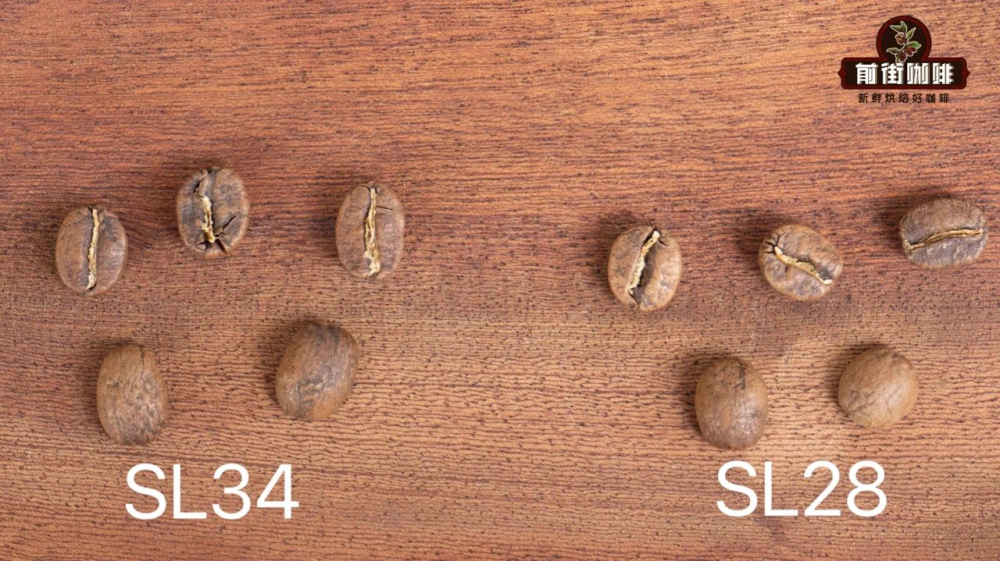
Both the SL28 and SL34 varieties originate from the Bourbon genetic lineage and were selected and cultivated by the Scott Agricultural Laboratories (Scott Labs) in Kenya during the late 1920s. These two varieties account for over 90% of Kenya’s coffee cultivation area and form the foundation of the country’s coffee flavor profile.The SL28 plant is tall, with dark green leaves and relatively large beans. It is drought-resistant but prone to leaf rust and nematode infestation.Its flavor profile features prominent black plum and citrus notes, accompanied by deep stone fruit acidity, and a wine-like, full-bodied mouthfeel.The SL34 variety has dark bronze-colored leaves, higher nutrient demands, and when grown at high altitudes, can exhibit outstanding fruity acidity and nutty aromas.It also possesses excellent flavor potential.
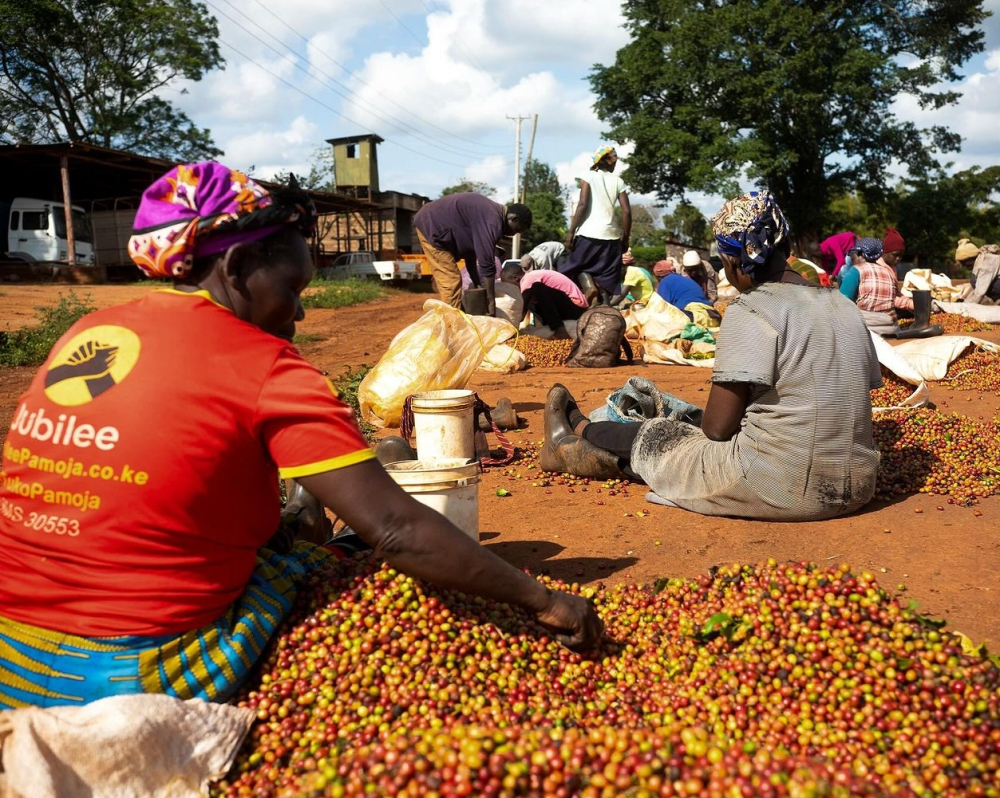
Kenya’s unique K72 washed processing method is key to creating its signature flavor. Harvested coffee cherries undergo strict sorting to remove defective beans, followed by pulping and three cycles of 24-hour fermentation, with thorough rinsing in clean water after each fermentation. This 72-hour fermentation process effectively breaks down the mucilage layer and develops a more complex acidity structure, while also enhancing the coffee’s clarity and sweetness. Coffee beans processed with this method retain the original fruity aromas and transform them into intense notes of cherry tomato, black plum, and berries.
The Kenyan Assalia coffee beans released feature a medium-light roast that perfectly highlights the characteristics of the SL28 and SL34 varieties. The roasters precisely control the roasting profile to preserve the coffee’s bright acidity and aroma. In cupping, a range of rich notes can be identified, including pear, black plum, brown sugar, cherry tomato, and black plum. This roast level helps accentuate the delicate layers of high-altitude beans and balances the acidity-sweetness relationship.
To brew a high-quality Kenyan pour over coffee, the following key parameters should be noted: First, coffee beans require a 4 to 7-day resting period after roasting, allowing carbon dioxide to fully dissipate for optimal flavor. For grind size, it is recommended to use a Chinese No. 20 sieve with an 80% pass rate (approximately 0.85mm), which balances extraction efficiency and mouthfeel. For users of the V60 filter, it is advised to adjust the grind setting to 10 (based on the EK43s standard).
In terms of water temperature, lightly roasted beans are best brewed at a high temperature of 91–93°C to enhance acidity and aroma; medium-dark roasts are recommended to use 87–88°C to avoid over-extraction and bitterness. For pouring technique, a three-stage extraction is suggested: using 15 grams of coffee grounds with a 1:15 coffee-to-water ratio (total water volume 225ml) as an example, the first pour involves adding 30ml of water for a 30-second bloom, the second pour brings the total to 125ml with even circular pouring, and once the water level drops by half, the third pour is executed up to 225ml to complete the extraction. The entire process takes about 2 minutes, resulting in a coffee with clear layers and a long-lasting aftertaste.
By mastering these key elements, even novice pour over brewers can fully showcase the unique charm of Kenyan coffee — from its bright acidity reminiscent of cherry tomato and black plum, to its honey-like sweet finish, every sip delivers the vivid flavors of Africa’s highlands.
The above content is compiled by CoffeeHunters, a coffee news website.


