








Introduction:Jamaica Blue Mountain No. 1 coffee is renowned for its rich, balanced flavor and rarity, yet it is also a frequent target of market counterfeits. This article delves into how to identify authentic beans across multiple dimensions—including certification, packaging, grade, and flavor characteristics—and shares a classic Kono dripper pour over recommendation for Blue Mountain No. 1, helping you choose the right coffee and master the optimal brewing method.
Jamaica Blue Mountain coffee is globally acclaimed for its balanced acidity, sweetness, and bitterness, along with a smooth and mellow mouthfeel, consistently ranking among the world’s top-tier coffees. However, the market is flooded with products labeled as having a “Blue Mountain flavor,” which often differ greatly from genuine Blue Mountain coffee. This article analyzes the key points of identifying Blue Mountain coffee from multiple angles, covering taste, packaging, certification, origin, grade, appearance, grind, and aroma—eight critical aspects. It also includes the flavor profile of Jamaica Clifton Estate Blue Mountain No. 1 coffee and Kono dripper pour over parameters, enabling you to buy with clarity and brew professionally.
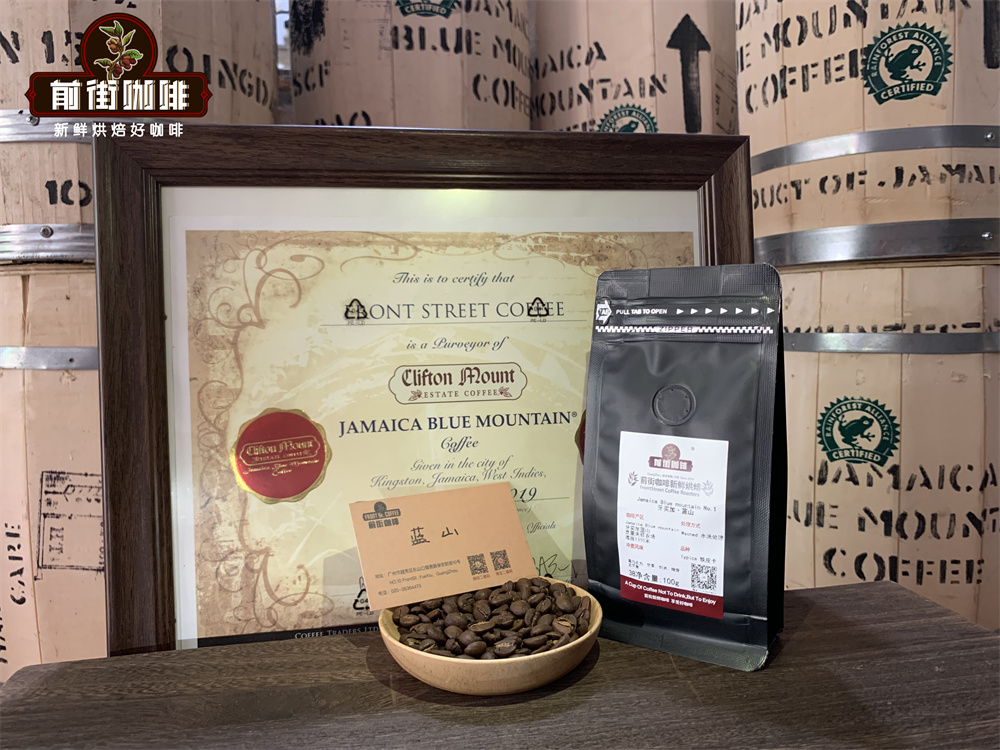
The reason Blue Mountain coffee is so prized lies not only in its scarce production but also in its extreme quality control. The growing region is located in the Blue Mountains of Jamaica, spanning between the southern part of the capital Kingston and the northern part of Port Antonio, with peaks reaching up to 2,256 meters, making it one of the highest mountain ranges in the Caribbean. The Blue Mountain area enjoys a cool, foggy climate with abundant rainfall and fertile, well-drained volcanic soil, providing an almost perfect environment for coffee cultivation. These conditions together produce a coffee with delicate, layered, and exceptionally balanced flavor characteristics.
Precisely because of the lofty status of Blue Mountain coffee, counterfeit products abound in the market. Consumers need to possess certain discernment skills to find traces of authenticity among various details. First and foremost, it is essential to distinguish between “Blue Mountain coffee” and “Blue Mountain-flavored coffee.” The latter often contains only trace amounts of Blue Mountain beans, or none at all, and should not be confused with the genuine article.
Here are eight practical methods to determine the authenticity of Blue Mountain coffee:
1. Taste the Flavor
For coffee connoisseurs, taste is the most direct tool for judgment. Genuine Blue Mountain No. 1 coffee is smooth on the palate, with an excellent balance of acidity, bitterness, and sweetness, distinct flavor layers, and a long-lasting aftertaste—completely free of astringency or off-flavors. Counterfeit versions often exhibit thin, sharp, or chaotic tastes, lacking that natural harmony.
2. Certification Source — Jamaica Coffee Industry Board (CIB) and Jamaica Agricultural Commodities Regulatory Authority (JACRA)
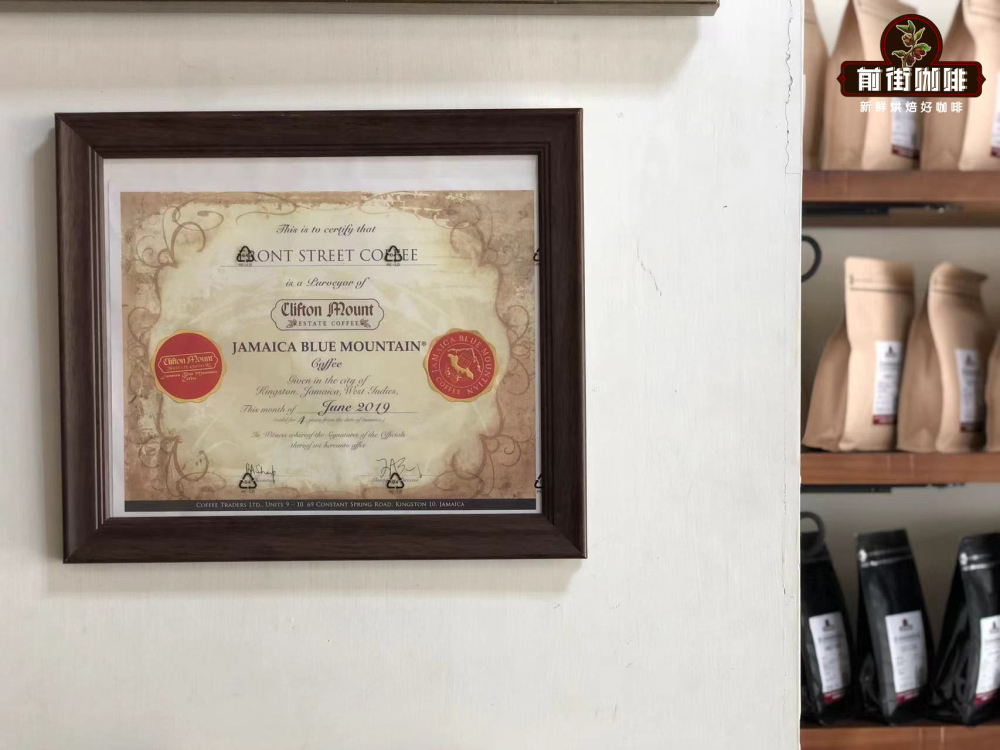
The export of Blue Mountain coffee is strictly regulated, and only farms and exporters certified by Jamaican official agencies are qualified to export Blue Mountain coffee overseas. Originally responsible for this task, the Jamaica Coffee Industry Board (CIB), established in 1950, was succeeded by the Jamaica Agricultural Commodities Regulatory Authority (JACRA) starting in 2018. All authentic Blue Mountain coffee comes with relevant certifications, and consumers can proactively request verification to ensure a reliable source.
3. Confirm the Origin — Only Jamaica Is True Blue Mountain
Although it may seem redundant, historically, much of the Blue Mountain coffee was imported by Japanese brands such as UCC, and some products may have vague labeling. Be sure to confirm that the origin is Jamaica, not other regions or merely locally roasted blends.
4. Packaging Form
Authentic Blue Mountain coffee was traditionally packaged in aluminum foil-sealed jute bags, but nowadays green beans are mostly packed in wooden barrels—a traditional and unique packaging method in Jamaica, rarely seen elsewhere in the world. If you see commercially available Blue Mountain coffee in painted wooden barrels, especially one-pound sizes, be highly suspicious of its authenticity, as painting the barrels can easily affect the coffee’s aroma.
5. Strict Grading System
Blue Mountain coffee is divided into five grades according to quality: Blue Mountain No. 1, Blue Mountain No. 2, Blue Mountain No. 3, Blue Mountain PB (Peaberry), and Jamaica High Mountain Supreme. Do not be misled by labels such as AAA, AA, A, or G1—these are not part of the Blue Mountain grading system, and their presence indicates a fake.
6. Appearance Details
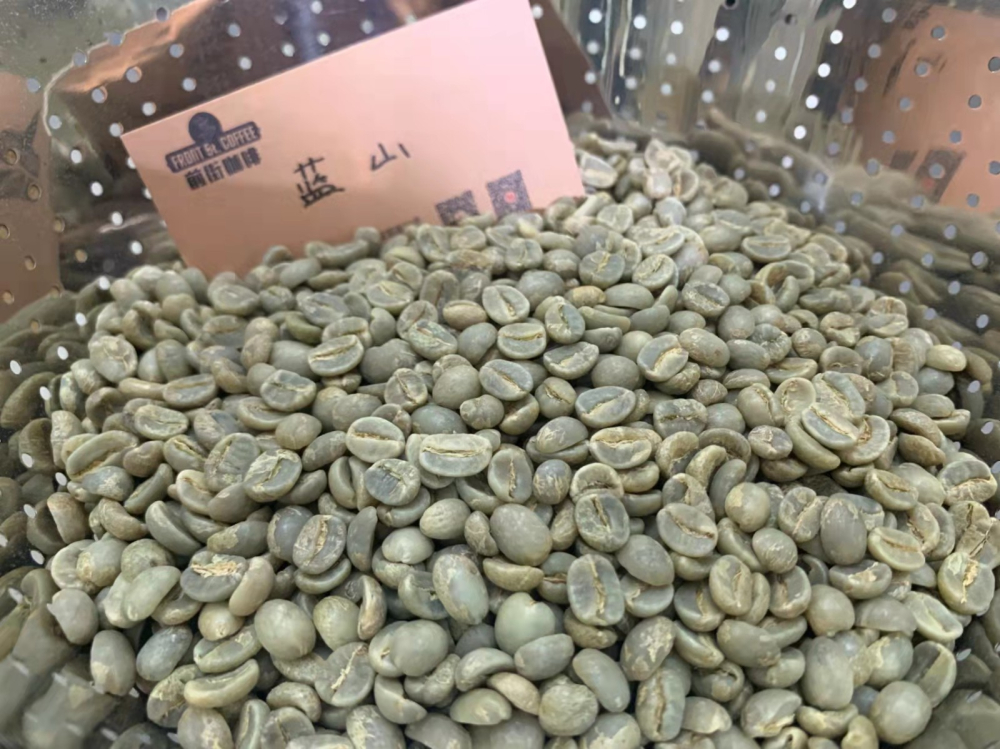
Green Blue Mountain beans exhibit a jade-green color, with uniform particle size, a slightly smaller shape, and slightly curled ends. After roasting, they expand, becoming round and plump. These characteristics can serve as preliminary identification criteria, especially important when inspecting unroasted green beans.
7. Grind Feel
Since Blue Mountain green beans grow at relatively high mid-altitudes, their cell structure is relatively loose. When manually grinding, there should be a distinct crisp sound, with a smooth feel and almost no resistance. If it feels laborious to grind or the beans are hard, it is likely not authentic.
8. Aroma Identification
Blue Mountain coffee possesses a rich and stable aroma, often with notes of dark fruit, chocolate, or creaminess. The aroma after roasting is steady and long-lasting. If the scent seems light and fleeting, or mixed with unfamiliar aromas, it may be a blend or low-quality imitation.
Having understood these identification techniques, we now introduce a widely acclaimed authentic Blue Mountain coffee—Clifton Estate Blue Mountain No. 1. This estate is not only the largest (though still considered small by international standards) coffee farm in the Blue Mountain region, but also boasts a history of over 270 years, making it one of the oldest coffee plantations in the area. It is also one of the few sustainable farms in the Blue Mountains to receive Rainforest Alliance certification, with an exceptionally favorable ecological environment.
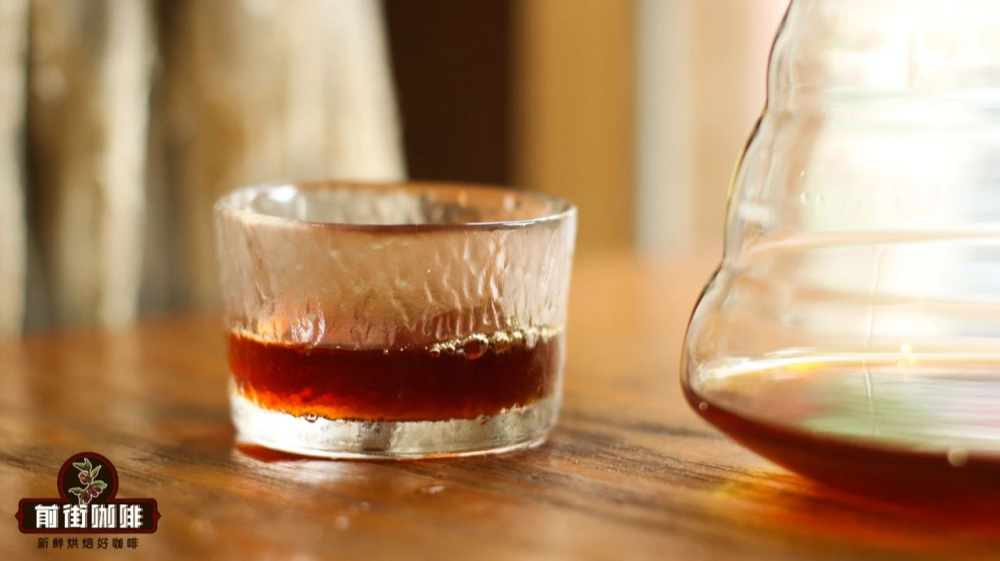
The flavor profile of Blue Mountain No. 1 coffee is clear and gentle, with bright acidity that is not overly sharp, achieving an excellent balance with a rich body and aromatic complexity—hardly any bitterness is perceived throughout, while the finish offers lingering fruity and sweet notes. The dry aroma captures warm notes of roasted peanuts and hazelnuts, while the wet aroma releases an elegant hint reminiscent of oolong tea. Upon tasting, chocolate flavors dominate, transitioning into a mellow caramel sweetness, delivering an overall performance of exceptional elegance.
For this coffee, it is recommended to use the Kono dripper for pour over to fully showcase its rich character and layered profile.
Pour over recommendations are as follows:
Dripper: Kono
Coffee dosage: 15 grams
Coffee-to-water ratio: 1:15
Water temperature: 88°C
Grind size: Medium-coarse (similar to fine sugar granules)
The design of the Kono dripper helps to fully bloom the coffee grounds during the pre-infusion stage. As the water level gradually rises, the filter paper tightly adheres to the walls of the dripper, allowing air to escape only through the gaps in the bottom ribs, thereby creating a siphon-like extraction effect that results in a rounder and fuller mouthfeel.
Pour over steps are as follows:
1. Begin with a 30-gram bloom for 30 seconds to activate the release of aromas from the coffee grounds.
2. Then, slowly pour in a circular motion from the center outward using a small stream of water until you reach 120 grams. Once the coffee bed visibly drops to about half, switch to a larger stream and continue pouring until you reach 225 grams.
3. Once the coffee liquid in the dripper has completely dripped through, remove the dripper to complete the extraction. Total time is approximately 2 minutes.
By using the above method, you can not only accurately identify the authenticity of Jamaica Blue Mountain No. 1 coffee, but also brew a cup at home with optimal parameters that closely resembles the classic flavors of its origin.
The above content is compiled by CoffeeHunters, a coffee news website.


