







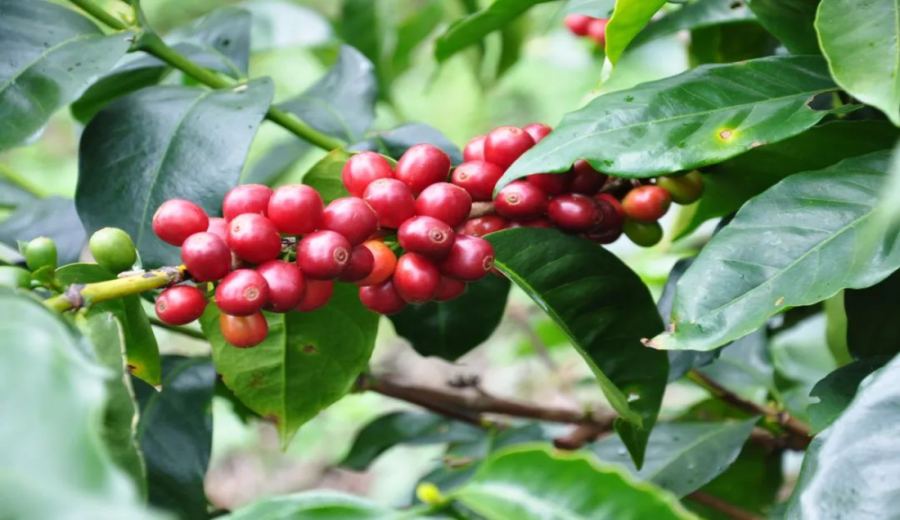
Introduction:Delve into Panama’s two renowned specialty coffee regions—Boquete and Volcán—to understand how their geography, climate, and coffee varietals shape their unique flavor profiles. This article also offers practical roasting and pour over recommendations to help you find the coffee experience that best suits your taste.
Although Panama is a small country, it holds a notable position in the global specialty coffee market thanks to its two premier coffee-growing regions: Boquete and Volcán. These two areas, located in the Chiriquí Province, not only lie within the ideal coffee-growing latitude but also benefit from volcanic soils, diverse microclimates, and high altitudes, all of which contribute to producing exceptional and surprising coffee flavors. Whether you're new to specialty coffee or an enthusiast eager to explore new bean varieties, understanding the characteristics of these two regions will help you select and appreciate a great cup of coffee more precisely.
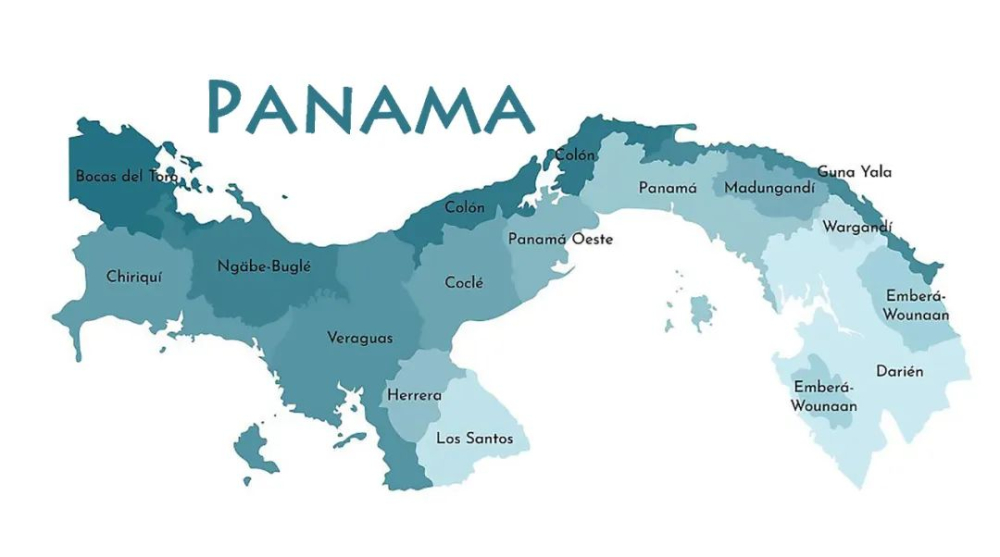
Panama’s coffee-growing areas are primarily concentrated in the western part of the country, including smaller regions such as Boquete, Volcán, Santa Clara, and Piedra de Candela. Among them, Boquete and Volcán stand out on the international stage due to their outstanding flavor profiles. Both regions are situated around the Provincia de Chiriquí mountain range, right at the ideal coffee-growing latitude of around 9 degrees north. They feature fertile volcanic soils and are surrounded by pristine forests with high ecological diversity, providing optimal growing conditions for coffee trees.
Boquete is a small town near the border between Panama and Costa Rica, adjacent to the famous Volcán Barú. Due to its dramatic elevation changes and its location—facing the Caribbean Sea on one side, which brings warm, moist air, and influenced by the cool currents of the Pacific Ocean on the other—it enjoys significant microclimatic variation. It is said that there are as many as seven different microclimates within the Volcán Barú National Park. Coupled with year-round cloud cover and abundant rainfall, these factors contribute to Boquete coffee’s rich and layered characteristics. Coffee beans produced here, such as the popular Emerald Estate Red Label, Emerald Estate Green Label, Elida Geisha Catuai, and Geisha Geisha (also known as "花蝴蝶" or Butterfly), are all highly sought-after specialty-grade options.
For those new to Panama’s specialty coffee, it is recommended to start with the Geisha variety from Boquete. This bean is typically grown at altitudes of around 1,600 meters. The volcanic ash soil is rich in mineral elements such as potassium, calcium, and magnesium, which help the coffee cherries accumulate more sugars and aromatic compounds. When brewed, Geisha often exhibits distinct jasmine and green tea notes, accompanied by soft honey sweetness and a bright citrus acidity. It has a round mouthfeel and a long, lingering finish, making it an excellent choice for those new to Geisha coffee.
Compared to Boquete, the coffee plantations in Volcán are situated at even higher altitudes, generally ranging between 2,000 and 3,000 meters, making it one of the highest-altitude coffee-growing areas in Panama. In the past, Volcán was primarily known for fruit cultivation, with coffee serving as a secondary crop. It is only in recent years that it has gained increasing attention. The local Hartmann Family has been a key driving force behind bringing Volcán coffee to the international stage. With slightly lower rainfall and a cooler, drier climate, along with frequent intercropping with various tropical fruit trees, Volcán-grown coffee often boasts more intense fruit aromas, higher sweetness, and delicate layers of spice and floral notes.
In terms of roasting recommendations, Boquete coffee, with its bright acidity and delicate aromas, is well-suited for medium-light to medium roasts, which can highlight its fruity acidity and floral characteristics. For pour over brewing, it is recommended to use a water temperature of 90–93°C, a medium-fine grind (such as BG 15–16), and a brew time of around 2 minutes. This approach brings out its fresh citrus and green tea notes. On the other hand, Volcán coffee, due to its high altitude and rich fruitiness, benefits from a medium-dark roast to further enhance its sweetness and body. The water temperature can be slightly lowered to 88–91°C, with a slightly coarser grind (such as BG 14–15), helping to balance the intense fruit flavors with a fuller body. The brew time can also be extended to 2.5 minutes to highlight deeper berry, caramel, and chocolate notes.
In summary, Boquete and Volcán are not only representative specialty coffee regions of Panama but also, thanks to their distinctive terroirs, produce beans with uniquely varied yet equally remarkable flavors. Whether you prefer the bright, floral-fruity notes of Geisha or the rich, sweet profiles of high-altitude blended beans, understanding their origin backgrounds and the appropriate roasting and brewing methods will allow you to enjoy a more enriching coffee experience.
The above content is compiled by CoffeeHunters, a coffee news website.


