







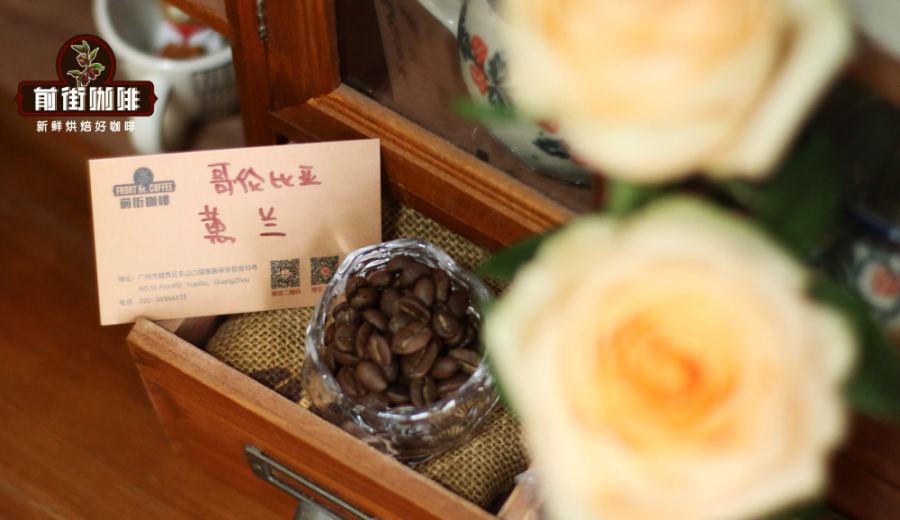
Introduction:Thanks to its unique geographical advantages, Colombia is home to multiple world-renowned specialty coffee regions. From the nutty and chocolatey flavors of Huila to the berry notes of Nariño, each region delivers distinctive cup profiles due to differences in altitude, climate, and soil conditions. This article will take an in-depth look at five major Colombian regions—Huila, Cauca, Nariño, Medellín, and Santander—covering their regional characteristics, common varieties, and processing methods, along with practical recommendations on roasting and pour over parameters to help coffee enthusiasts better grasp the flavor profiles of each region.
Colombia boasts an exceptionally favorable geographical location, bordering both the Atlantic and Pacific Oceans. This not only reduces transportation costs but also lays a solid foundation for the export of specialty coffee. The country’s main specialty coffee regions are concentrated in the central and southern areas, including the eastern and central Cordillera mountain ranges, as well as southern regions such as Huila, Cauca, and Nariño. These areas, varying in altitude, microclimate, and soil composition, produce a diverse spectrum of coffee flavors—from rich nutty and chocolatey notes to bright berry and floral tones, offering a richly layered experience.
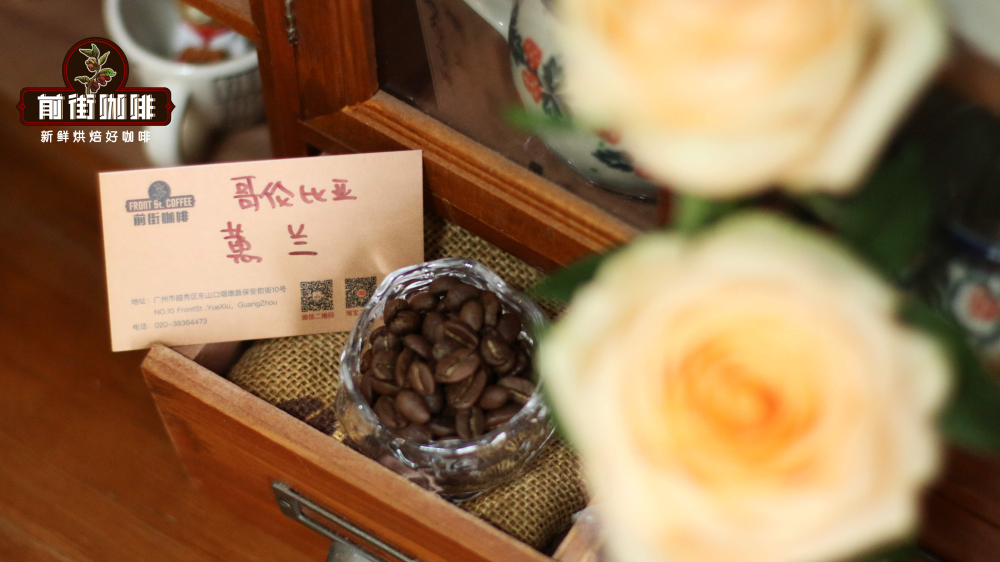
First, let’s explore the Huila region located in southern Colombia, one of the country’s key coffee-growing hubs, accounting for about 12% of the national production. Within Huila, there are numerous well-known sub-regions, each forming unique microclimates, so many coffees enter the market under the names of these smaller regions. In cupping, Huila coffees often exhibit intense notes of nuts, dark chocolate, and caramel, with soft acidity and pronounced sweetness—making them ideal for coffee lovers who prefer balanced and full-bodied flavors. A medium-dark roast is recommended to bring out its rich caramel and nutty characteristics.

Next is the Cauca region, located in southwestern Colombia. Though it accounts for only about 8% of the nation’s output, it features extremely high-altitude conditions, with an average cultivation height of 1,758 meters, and some areas even exceeding 2,100 meters. The significant diurnal temperature variation here can reach up to 11°C, with daytime averages around 18°C. This marked temperature fluctuation helps accumulate flavor compounds in the coffee cherries, resulting in Cauca coffees that generally have bright acidity and outstanding sweetness. Common processing methods include washed and anaerobic series, with flavor profiles often featuring berries, citrus, tea-like notes, and floral aromas. It is recommended to use a light-to-medium or medium roast to highlight its vibrant fruit acids and layered complexity.
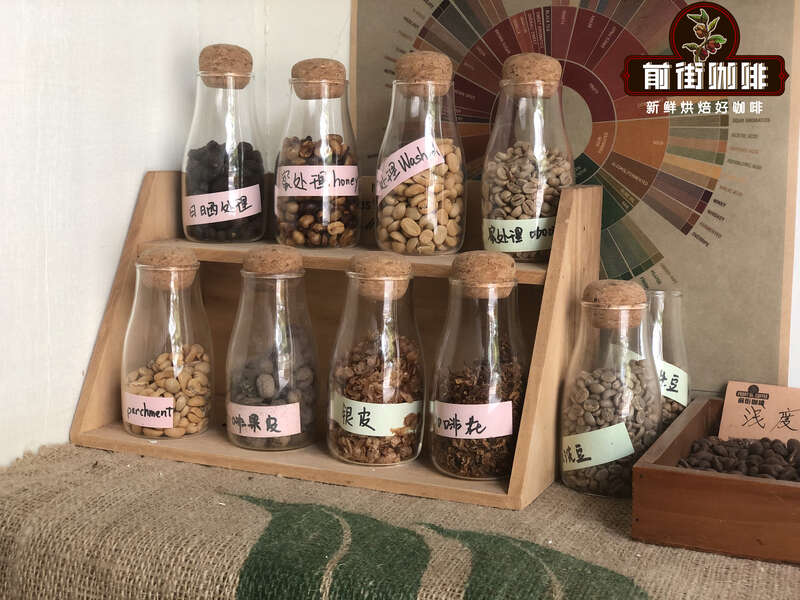
The Nariño region is situated in the southernmost part of Colombia, near the equator at around 1 degree north latitude. However, with altitudes mostly above 1,600 meters—and certain microclimates reaching up to 2,300 meters—it has become a popular origin for high-altitude specialty coffee. Nariño experiences distinct wet and dry seasons throughout the year, along with stable sunlight and fertile volcanic soils, creating an ideal environment for growing high-quality coffee. Coffees from this region often display bright berry aromas, juicy mouthfeel, and delicate herbal and floral undertones. For brewing, it is suggested to use a medium-fine grind with water temperature controlled at 90–91°C to accentuate its fresh fruit characteristics.
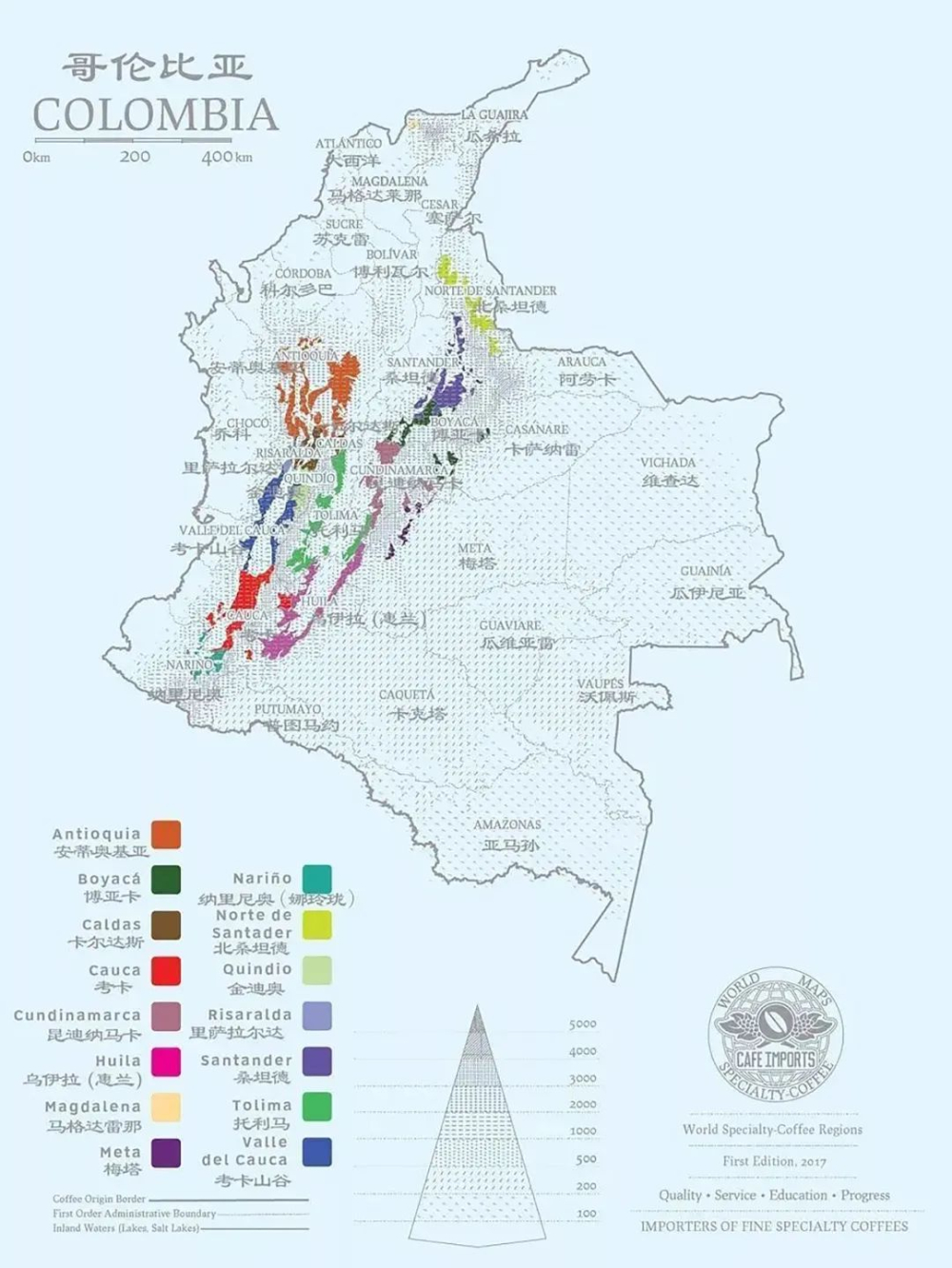
Next, we look at the Medellín region in northern Colombia, one of the traditional “MAM Golden Triangle” regions, alongside Armenia and Manizales. Medellín coffee is known for its plump beans, rich aroma, and moderate acidity. It offers good sweetness and layered complexity, and is well-suited for dark roasting, which enhances its nutty and caramel notes. Medellín coffee exported by the FNC association is subject to strict quality control, performing even better in terms of taste consistency and cleanliness, making it an ideal choice for those seeking stable quality. The recommended roast level is medium-dark to dark to emphasize its robust base.
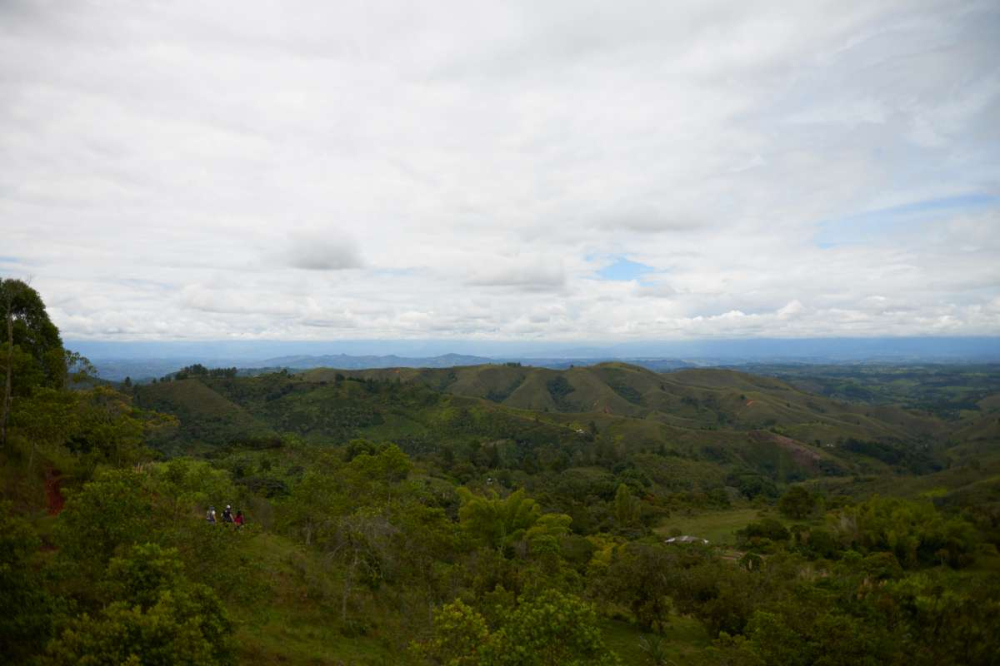
Finally, there’s the Santander region (Santander), though less frequently mentioned, its historical significance is not to be overlooked. It is one of the earliest regions in Colombia to begin coffee cultivation, currently accounting for about 5% of the national output. With altitudes around 1,400–1,600 meters, the local climate and soil characteristics lend the coffee a unique herbal freshness. Cup profiles often show strong flavor intensity and long-lasting aftertastes. The industry has previously released Santander coffee beans processed with anaerobic double-enzyme washed methods, showcasing captivating layers of peach, rose, and liquor chocolate. Suitable for medium-light roasting, this brings out the delicate expressions of its fruit and floral notes.
In terms of brewing, it is recommended to adopt suitable grind sizes and water temperatures according to the characteristics of each region. For example, Nariño benefits from medium-fine grind and slightly lower water temperature to preserve bright fruit acidity, while Cauca or Huila can use moderately higher water temperature and medium grind to highlight the richness of caramel and nuts. Additionally, regardless of the region, it is advised to use freshly roasted coffee beans (ideally within 5 days post-roast) and allow for an appropriate rest period (typically 4–7 days) to achieve the optimal balance of flavors. By understanding the uniqueness of each region and applying suitable roasting and brewing strategies, one can more fully appreciate the diverse charm of Colombian specialty coffee.
The above content is compiled by CoffeeHunters, a coffee news website.


