







Introduction:Want to brew balanced and delicious American-style drip coffee using a home drip coffee maker? This article delves into the types of coffee beans suited for drip machines, grind size settings (recommended to be as coarse as pour over), and detailed brewing steps. It also provides variations for making iced Americano. From choosing between 5-cup and 12-cup machines, standard coffee-to-water ratios, to flavor differences across light, medium, and dark roasts—helping you extract a coffee with distinct layers even with basic equipment.
 " />
Many coffee beginners at home are looking for a simple and affordable coffee machine, and the American drip coffee maker (Drip Coffee Maker) is the perfect entry-level choice. These machines are not only widely used in homes and offices, but their standardized brewing process allows you to make a pot of coffee in about 5 to 8 minutes, ideal for everyday quick enjoyment. Want to know how to brew great-tasting American coffee with this basic equipment? Below, we’ll detail machine specifications, coffee-to-water ratios, grind size recommendations, and suggest several suitable types of coffee beans.
 " />
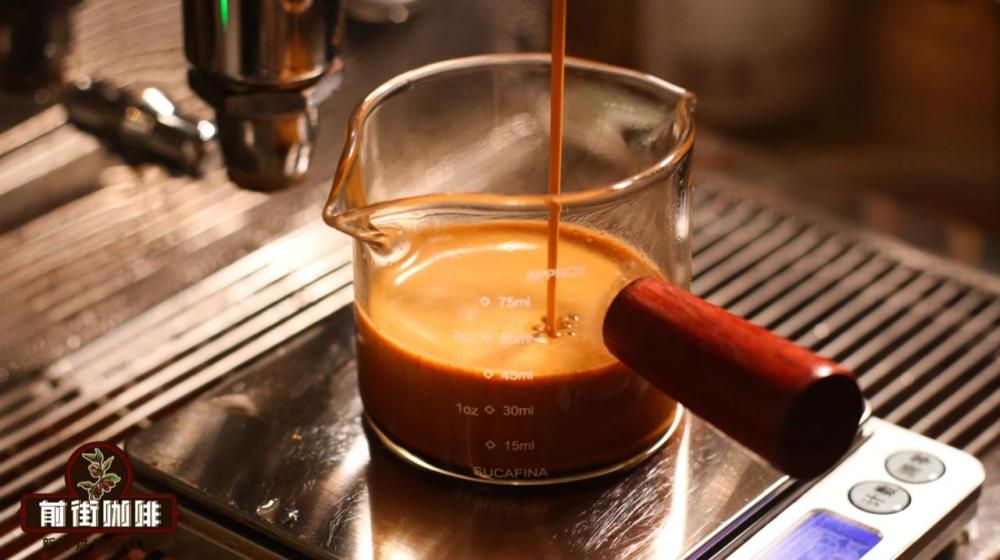
Coffee machines are mainly divided into two categories based on brewing principles: drip and espresso. Drip coffee machines became popular in American households even before World War II, characterized by intuitive operation and simple structure. In contrast, the espresso commonly found in modern cafés is extracted under high pressure to produce a concentrated shot, which is then diluted with water to make an Americano as needed. In fact, the term "Americano" originated from the way American soldiers stationed in Europe during WWII adjusted the concentration of espresso, later becoming a universally accepted form of coffee drink in the Western world.
 " />
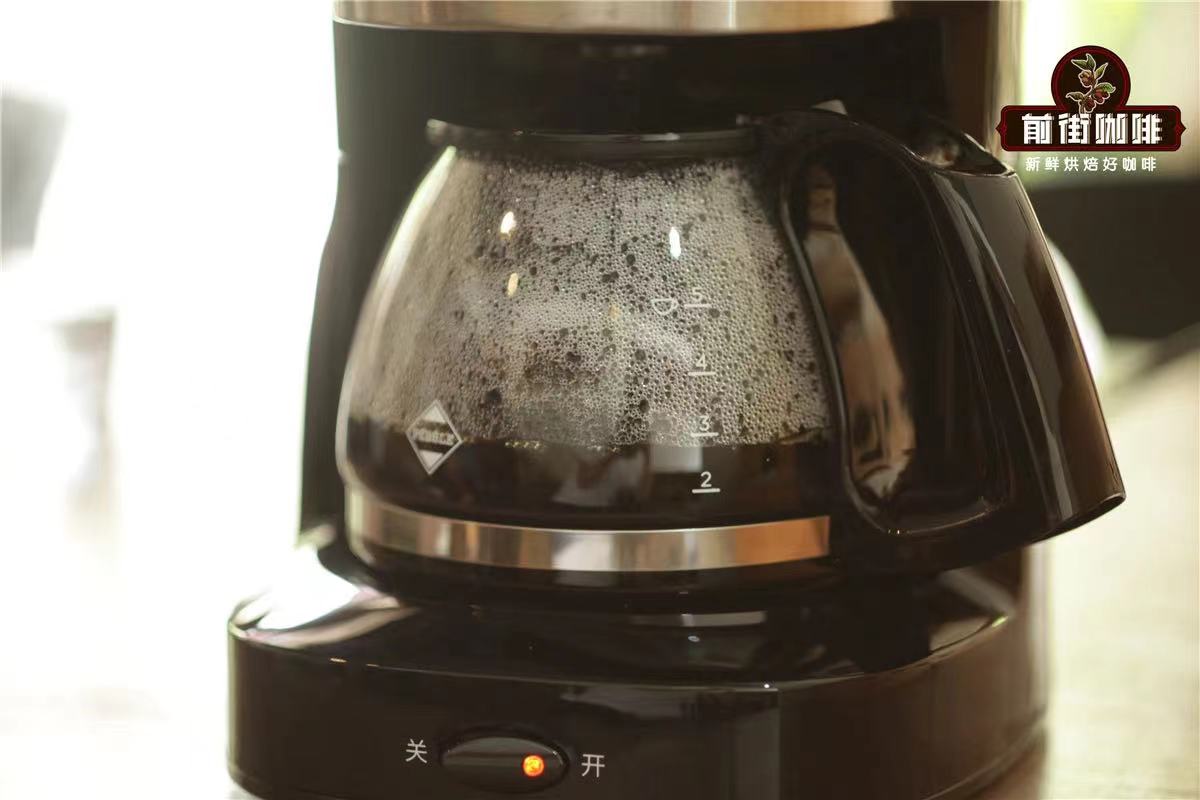
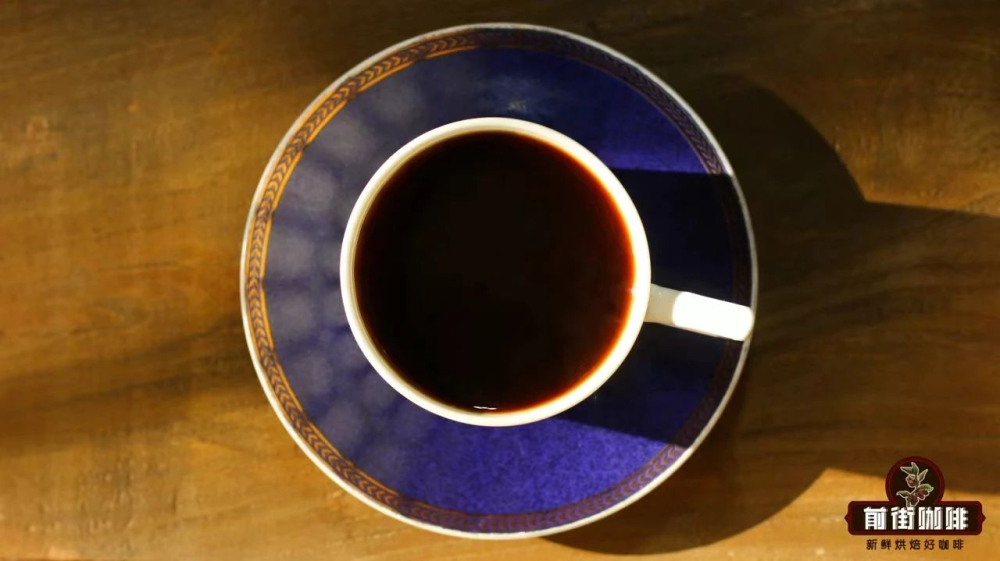
Commercially available American drip coffee makers mainly come in two capacity options: 5-cup and 12-cup. Generally speaking, the glass carafe and water reservoir of a 5-cup machine hold about 550ml to 650ml, while a 12-cup machine can accommodate 1.2 to 1.3 liters of liquid. The standard “cup” size is approximately 100 to 120ml. It’s recommended to brew at least 2 cups at a time to achieve better extraction results. Understanding your machine’s capacity and the standard single cup size helps you precisely control the coffee-to-water ratio, avoiding over-extraction or under-extraction.
 " />
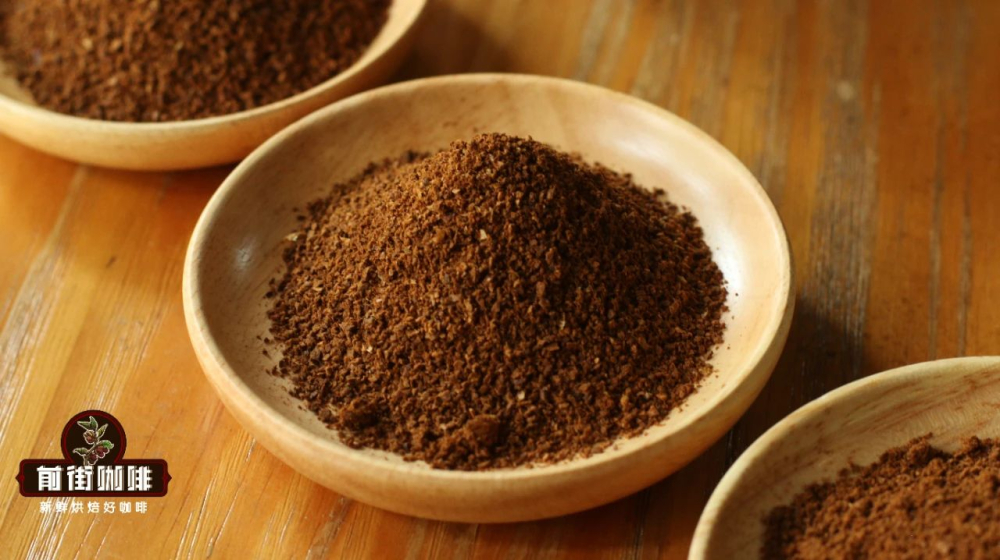
Regarding coffee dosage, it’s recommended to use about 5 to 7 grams of coffee powder per cup (100-120ml). Most machines come with a dedicated coffee scoop, where one scoop is roughly equivalent to the amount needed for one cup. If you don’t have a dedicated scoop, you can estimate using a regular measuring spoon—usually one level scoop is about 6 grams. It’s important to note that regardless of the coffee bean origin or processing method, as long as it’s ground to the appropriate coarse consistency, it can be used in a drip machine. The recommended coffee-to-water ratio is between 1:15 and 1:18, which can be fine-tuned according to personal taste.
 " />
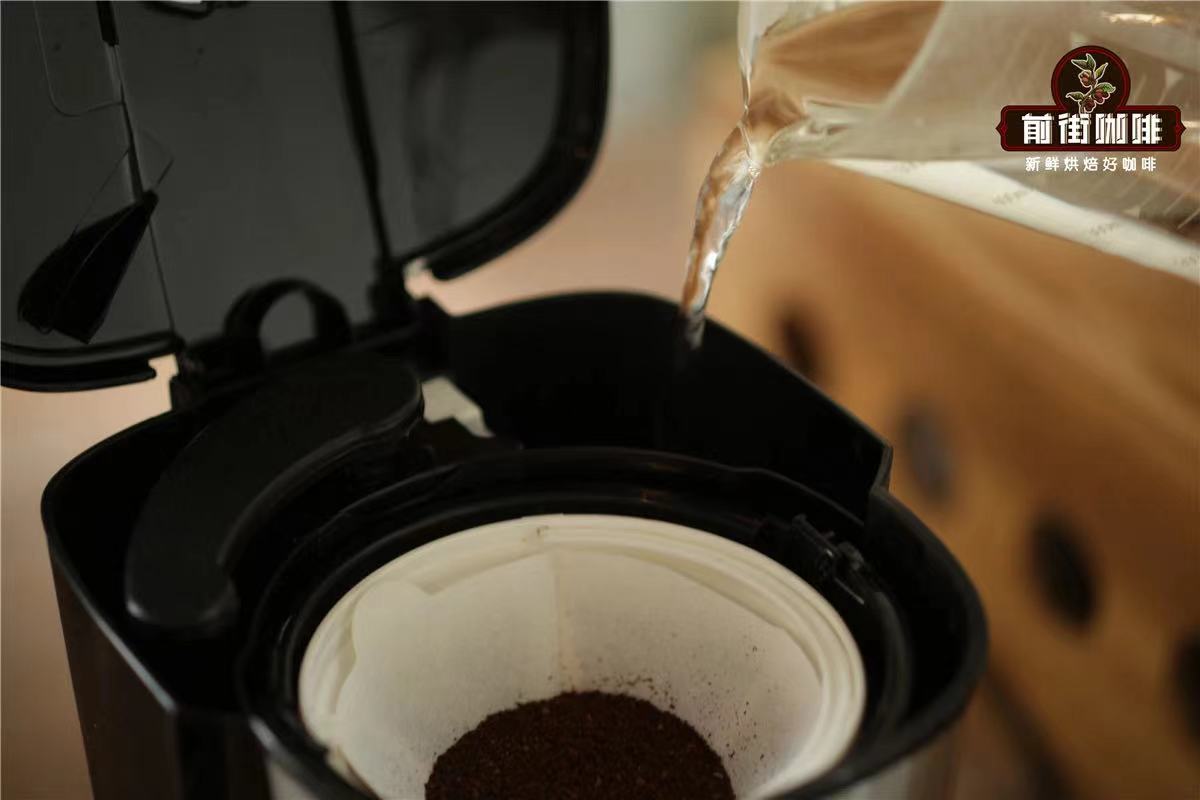
Here are the steps for using an American drip coffee maker: First, grind the coffee beans to a coarseness similar to pour over (skip this step if you already have pre-ground coffee). It’s recommended to grind and brew right before drinking to preserve optimal flavor. Next, place a filter paper in the filter basket (if applicable), then add the coffee grounds into the filter—typically about 5 to 7 grams per cup, or use the machine’s included 6-gram standard scoop. After placing the coffee grounds, close the filter basket, pour water into the reservoir corresponding to the number of cups you’re making—for one cup, add water up to the 100–120ml mark, and scale up proportionally for more cups.
 " />
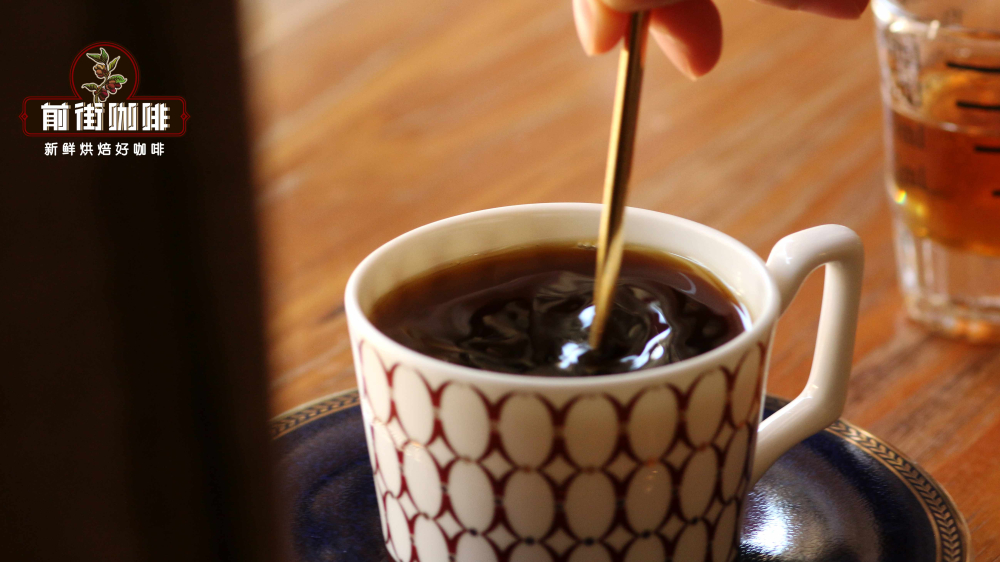
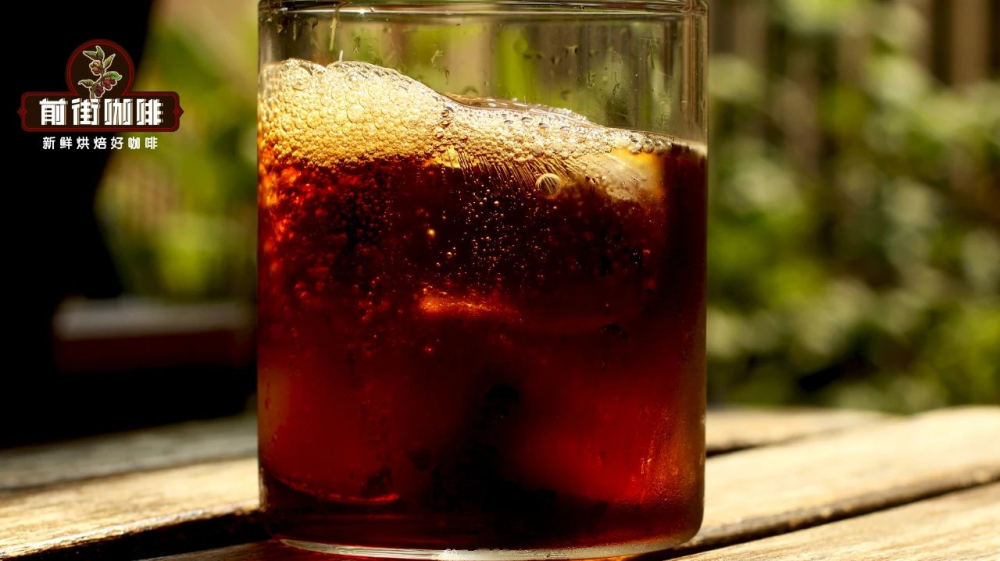
After adding the coffee and water, close the water reservoir lid, place the glass carafe back onto the machine’s warming plate, plug in the machine, and turn it on. Wait about 5 to 8 minutes until the dripping stops, indicating that the brewing is complete. It’s recommended to keep the machine running until all the coffee has dripped through to ensure even extraction. Finally, feel free to add sugar or fresh milk to taste. For an iced Americano, reduce the amount of hot water and add ice cubes, or mix concentrated espresso with cold water for a refreshing and layered flavor.
 " />
It’s worth noting that the grind size required for a drip coffee maker is very different from that of an espresso machine. The correct grind should be similar to pour over—medium-coarse—to allow water to penetrate evenly and avoid over-extraction, which can lead to bitterness. If you don’t have a grinder at home, you can explain your needs to the coffee shop staff and ask them to grind the beans to a suitable drip-coarse consistency. The right grind ensures the water flows through at the optimal rate, extracting the aroma and layered flavors of the beans.
 " />
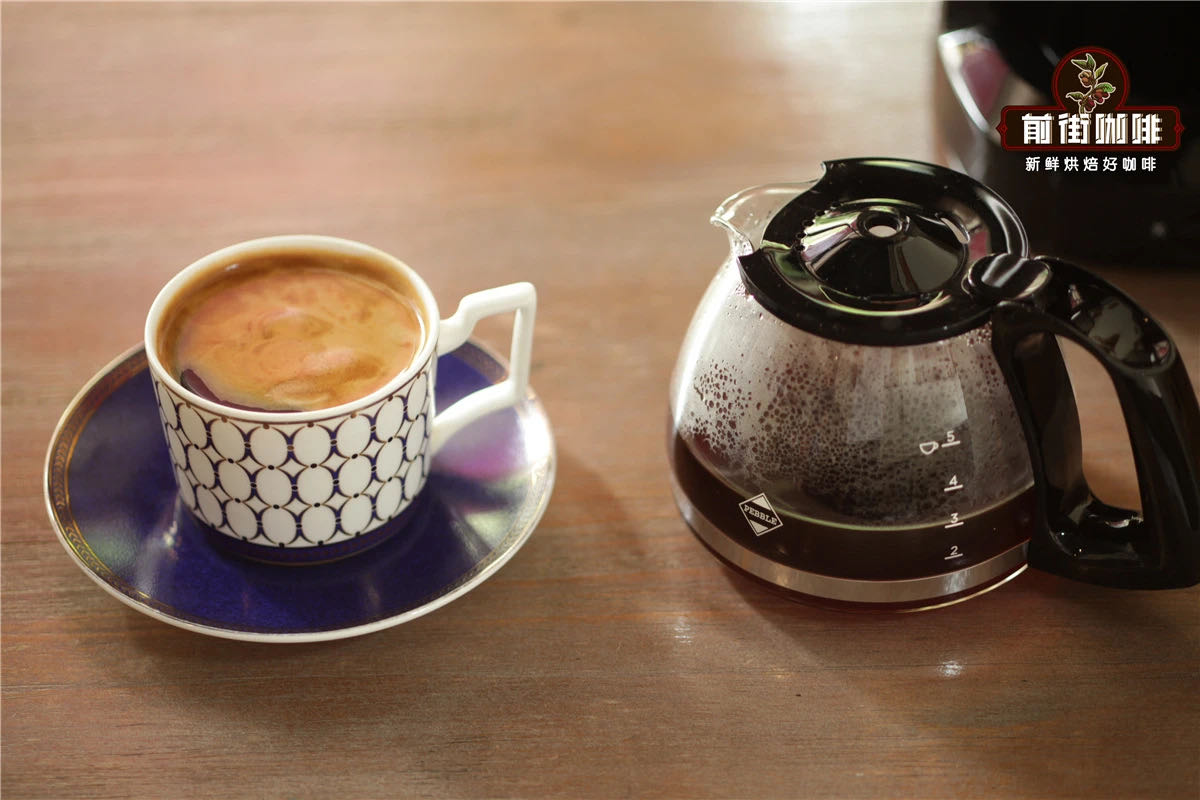
As for the types of coffee beans suitable for a drip coffee maker, there are no absolute restrictions—the key lies in personal taste preference. Light roast beans typically exhibit pronounced fruit acidity and rich juiciness, ideal for those who enjoy a fresh and vibrant flavor profile. Medium roasts strike a balance between acidity and sweetness with nutty and caramel notes, offering a smooth mouthfeel suitable for most people. Dark roasts feature intense roasted aromas and chocolatey aftertastes, with more noticeable bitterness but also richer layers. No matter which roast level you choose, it’s advisable to select fresh, well-stored beans, and adjust the grind coarseness and coffee-to-water ratio according to your machine’s characteristics to fully bring out the coffee’s potential.
 " />
The above content is compiled by CoffeeHunters, a coffee news website.

