







Introduction:To brew Americano-style coffee at home that closely resembles café-quality flavors, choosing the right machine and beans is key. This article delves into the extraction principle differences between standard drip machines and high-pressure espresso machines, explains why espresso blends can also work with drip systems, and recommends suitable coffee bean combinations for different machines—giving you a complete guide from machine selection to flavor profiling.
In recent years, Taiwan’s coffee consumption market has flourished, with both street-corner cafés and convenience stores offering instant-style Americano coffee. But do you know that this common black coffee differs fundamentally in extraction methods from the versions served by specialty shops? This article will clarify the two main ways Americano coffee is made and analyze how machine types critically affect flavor.
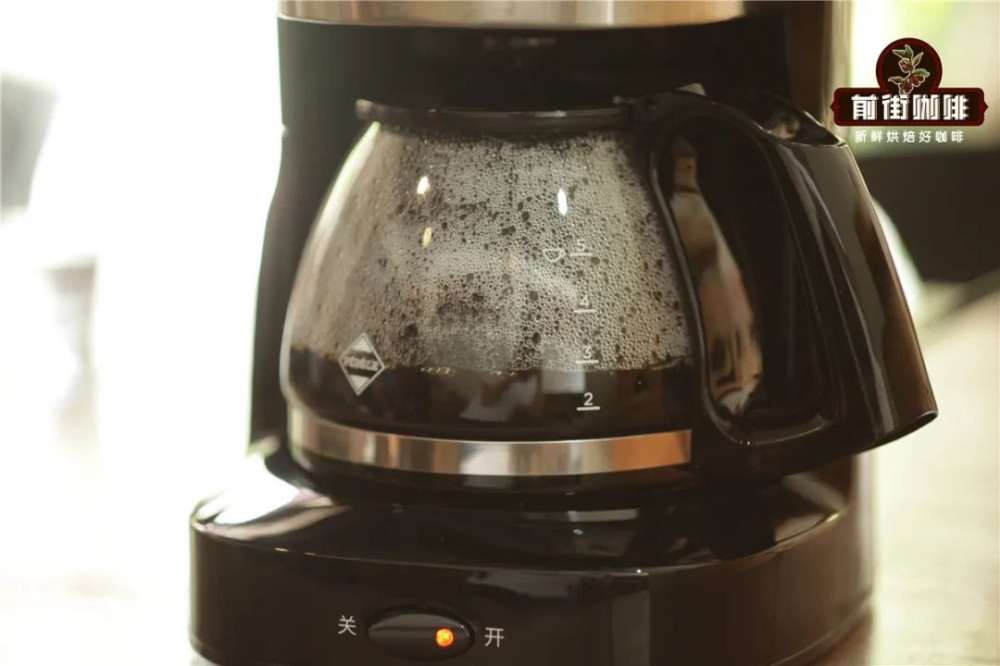
The commonly used American drip coffee maker at home is a non-pressurized extraction system. Its structure is relatively simple, usually consisting of a two-tier design—the upper part holds a funnel container with filter paper or a metal mesh, and the lower part is a glass or ceramic pot that stores the brewed coffee.Image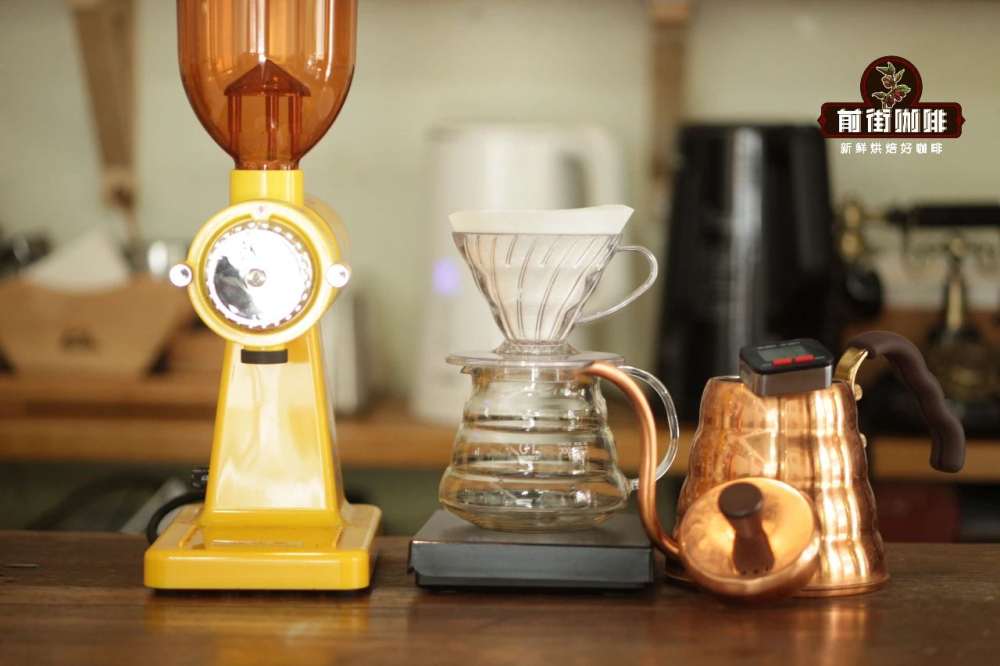 The model shown extracts coffee by allowing hot water to naturally drip through the coffee grounds under gravity. It features low operational complexity and an affordable price, and can be used not only for brewing coffee but also for tea.
Because such machines lack pressurization, the extraction process relies solely on water temperature and time control, resulting in a brew that is lighter in flavor with a lower release of bitter substances. Therefore,it is not suitable as a base for milk-based drinks like lattes. However, for consumers seeking a simple, freshly brewed black coffee, it remains a highly cost-effective option.
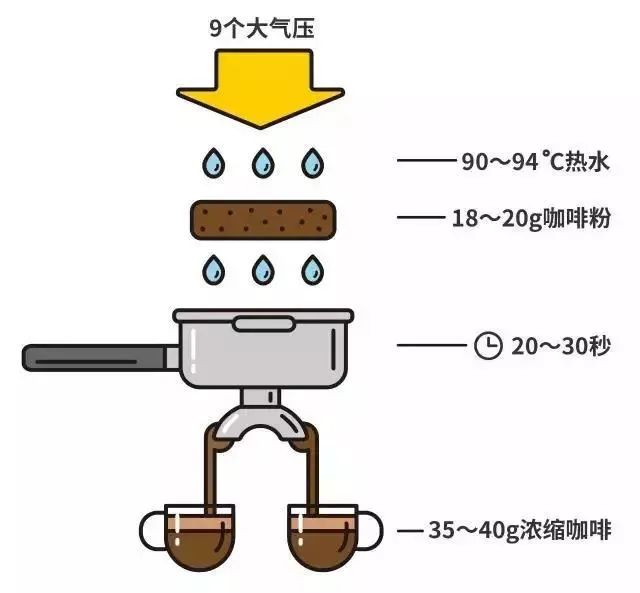
In contrast, an espresso machine uses a high-pressure pump system (typically reaching 9Bar), forcing heated water at 90-96°C through a compacted puck of coffee grounds under pressure.Image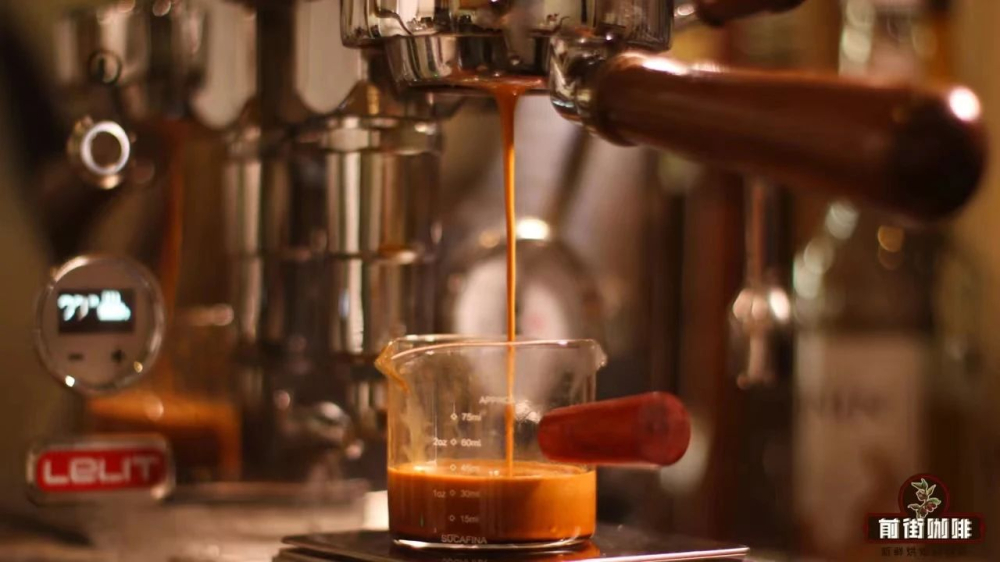 The typical model shown is equipped with a dedicated boiler that quickly produces espresso, characterized by a layer of crema on the surface, delivering a rich and complex flavor profile. The so-called Americano is simply a diluted version of this concentrated shot, mixed with water at a ratio of 1:3 to 1:6.
This pressure-based extraction method can release aromatic compounds and acidic elements from the coffee beans within a short period (about 25-30 seconds), forming the unique flavor profile of espresso. It is worth noting thatconsistently producing quality espresso requires precise control over grind size, tamping pressure, and water temperature parameters, making the machine structure and operation significantly more complex than that of drip systems.
The traditional Americano originated from the adaptation needs of American soldiers during WWII, who sought a milder alternative to the intense concentration of Italian espresso. It later evolved into a globally popular style of black coffee. While modern recipes have no fixed standards, a common brewing ratio in the industry is 40 grams of espresso liquid mixed with 240 grams of water at 88°C (approximately 1:6). Iced versions adjust the mix using ice cubes and room-temperature water.Image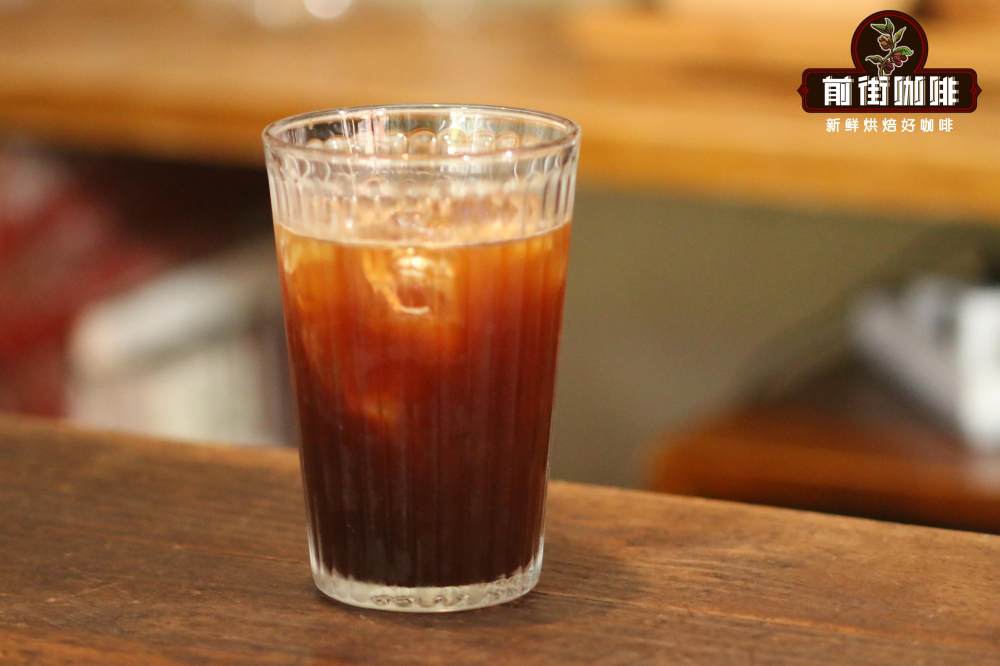 The iced Americano, especially popular in the Guangzhou area for its notes of whiskey-like aroma and fruity tartness, has become a best-seller in summer.
Coffee bean selection strategies should also be adjusted according to different extraction equipment. When using a non-pressurized drip machine,Image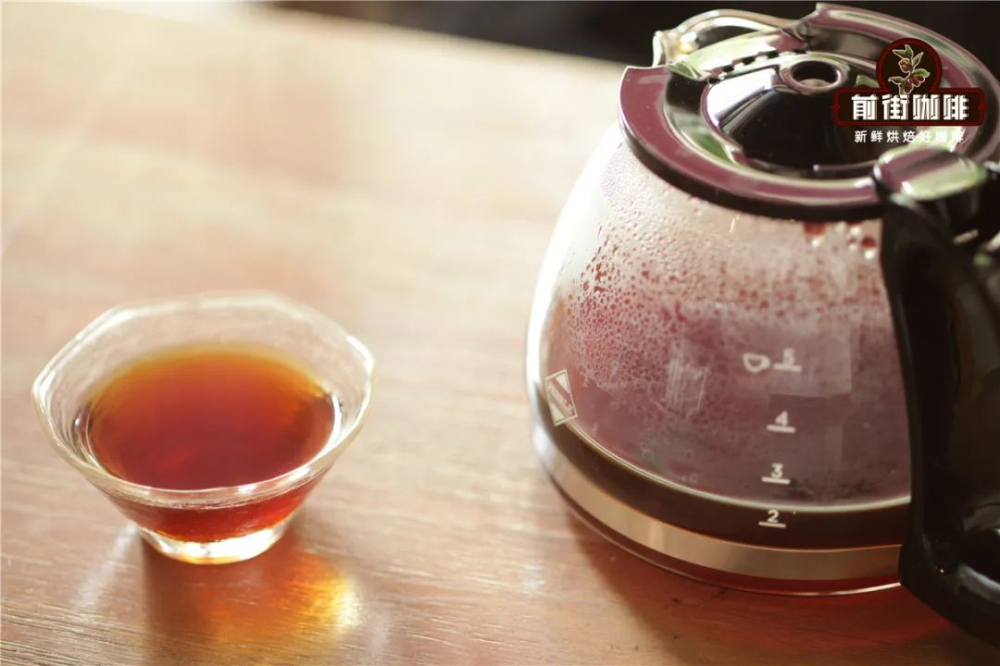 it is recommended to follow the same logic as selecting beans for pour over—choosing single-origin beans ranging from light to medium-dark roast based on personal preference. However, if using a high-pressure espresso machine, blends are generally preferred. This is because single-origin beans tend to highlight sharp or flawed flavors under high pressure, whereas professionally blended beans achieve balance across acidity, sweetness, bitterness, and saltiness through complementary bean varieties.
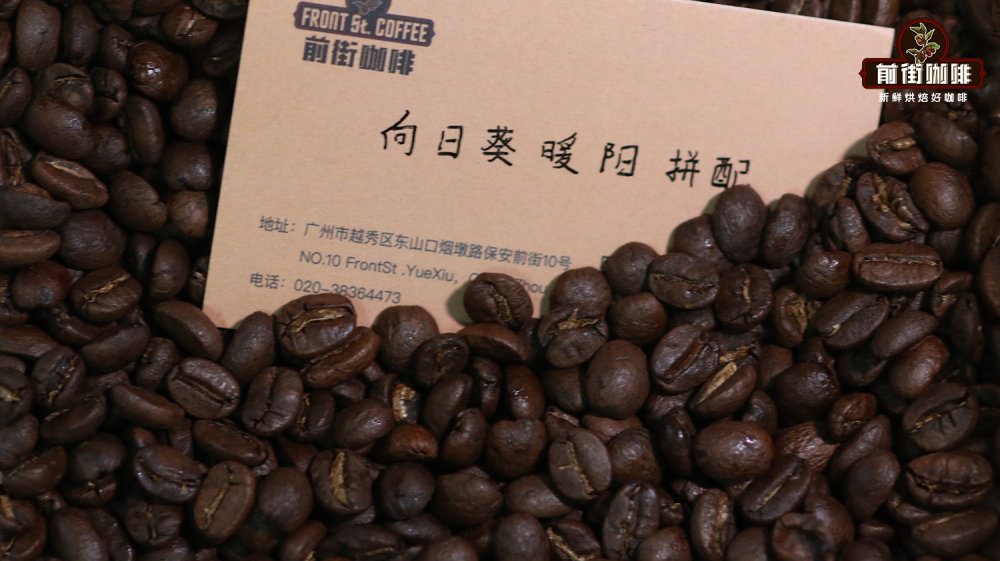
Practical recommendation case: A self-roasted “Sunflower Warm Sun Blend,” combining 30% Ethiopian natural-process red cherry beans with 70% Honduran sherry cask-processed beans, delivers a prominent dark chocolate note and caramel finish when brewed as espresso. Even when diluted with water, it retains a rich layered taste. This blend emphasizes freshness management, offering beans used only within five days post-roast to ensure optimal flavor during the best drinking window.
The above content is compiled by CoffeeHunters, a coffee news website.

