







Introduction:Are you always hesitant when ordering at a coffee shop? Americano, Latte, and Cappuccino—these three classic espresso-based drinks may seem similar, but they differ significantly in ratio, flavor, and preparation method. This article provides an easy-to-understand breakdown of their ingredients, common recipes, and flavor profiles to help you choose the one that best suits your taste. It also includes practical brewing tips and considerations to give you a more comprehensive understanding of espresso beverages.
On the menus of many coffee shops, Americano, Latte, and Cappuccino are arguably the most common espresso options. Although all are based on espresso, their presentation, proportions, and flavors vary greatly. Understanding these differences not only makes ordering easier but also helps you find the cup that truly suits your palate.
Americano: Simple Yet Not So Simple
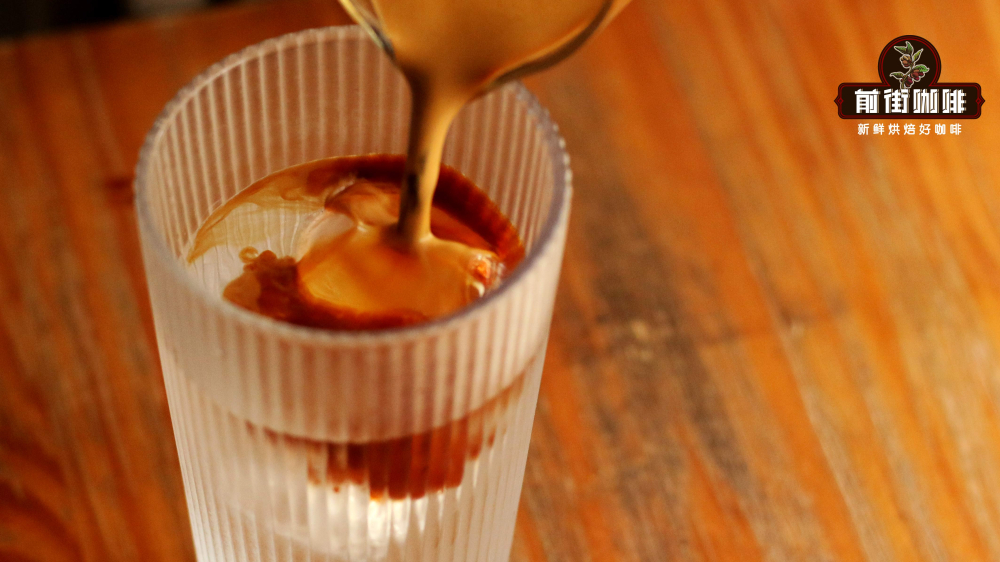
An Americano is typically made by adding hot water to a shot of espresso (about 30ml), with a common ratio ranging from 1:5 to 1:8, resulting in a total volume of around 220–250ml. This brewing method originated in the later stages of World War II when American soldiers stationed in Italy found the strong taste of espresso too intense, so they diluted it with water. Over time, this practice evolved into what we now know as the Americano. It is a type of black coffee, with a relatively refreshing taste that retains the core flavors of espresso but with lower intensity, making it ideal for those who enjoy a mild coffee aroma without consuming too much caffeine.
Latte: The Perfect Balance of Milk and Coffee
The name “Latte” comes from the Italian word for “milk.” A traditional latte is actually a combination of “coffee and milk,” rather than just a milk drink. A typical latte recipe consists of one shot of espresso, a large amount of steamed milk, and a small amount of thin milk foam, in a ratio of roughly 1:2:0.5 (espresso:milk:foam). The final volume is usually around 250ml, with a smooth texture and prominent milky sweetness, reminiscent of a chocolate milkshake. It’s often the first choice for many coffee beginners.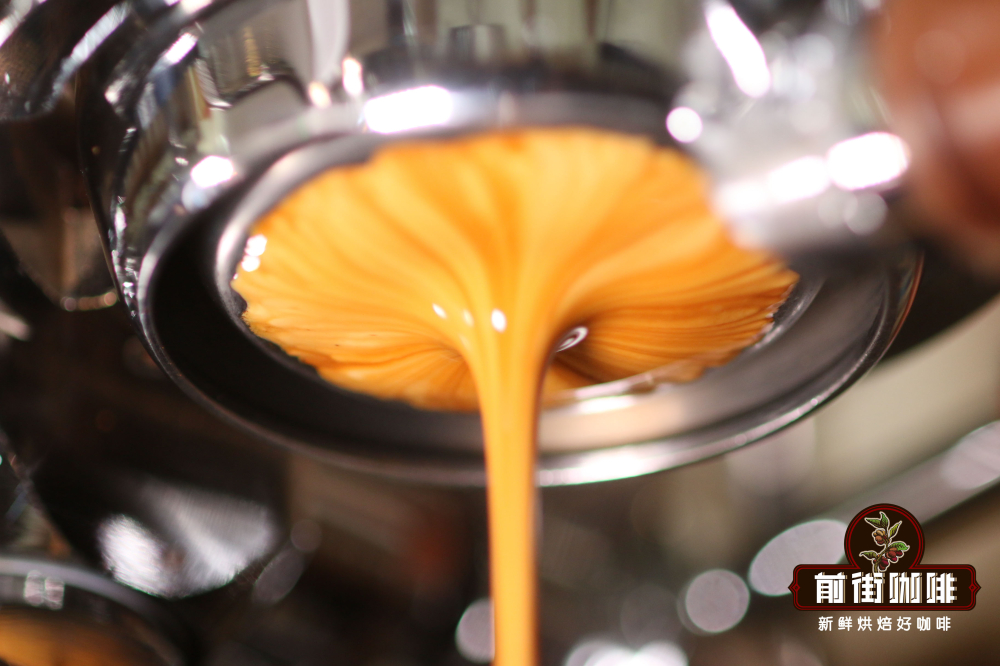
Cappuccino: A Blend of Intensity and Fluffy Foam
Cappuccino is a classic coffee with a three-layer structure, composed in a 1:1:1 ratio—that is, one shot of espresso, one portion of steamed milk, and one portion of thick foam. This ratio originated from early Italian coffee culture before steam wands became widespread. Modern versions typically use one shot of espresso (around 30ml) as the base, combined with about 150ml of steamed milk and 1–2cm of dense foam, totaling around 180ml, often poured to about 11/12 full. Its most distinctive feature is the small, pointed layer of foam on top, resembling a friar’s cap. This not only adds visual appeal but also creates a richer textural experience.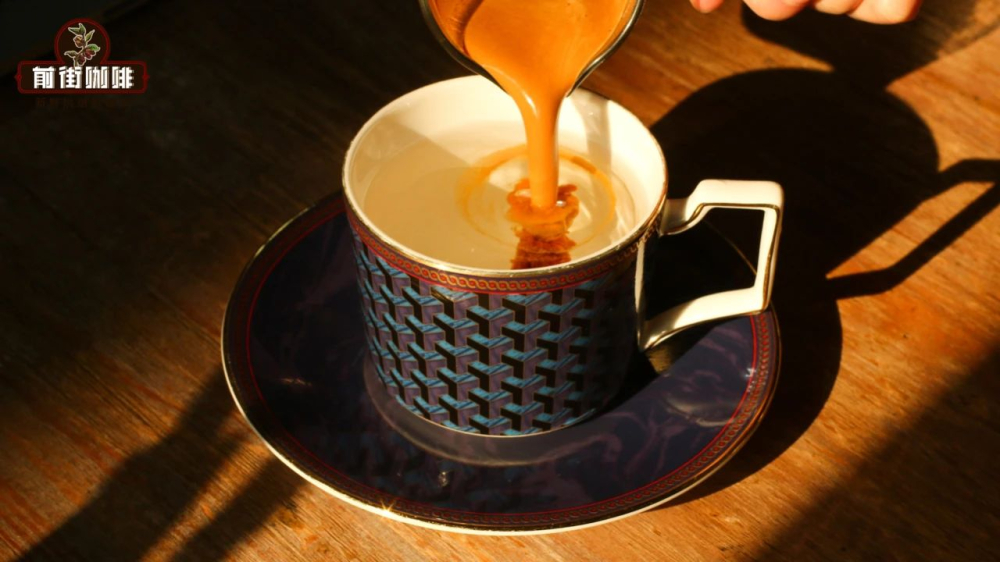
The Structural Differences Are Clear at a Glance
In terms of composition, an Americano is simply espresso plus hot water; a latte is espresso with hot milk and a small amount of thin foam; while a cappuccino is a balanced combination of espresso, milk, and thick foam. In categorization, the Americano is a black coffee, whereas the latte and cappuccino are considered milk coffees, suitable for those who prefer milky flavors and softer textures.
Flavor and Texture: A Detailed Comparison
In terms of flavor, the Americano transitions from intense to mild, making it ideal for sipping slowly; the latte features thick foam and sweet milk, overall resembling a milky coffee beverage; the cappuccino, with its thick foam, offers a velvety texture, and the coffee aroma stands out even more against the milk, tasting like coffee-flavored marshmallows with rich layers.
Brewing Essentials and Common Misconceptions
No matter which coffee you choose, it all starts with the essential base: espresso. Common parameters for extracting espresso include using 20g of coffee grounds to produce 40g of espresso liquid, at a 1:2 powder-to-liquid ratio, over about 30 seconds. The Americano is made by adding hot water to this base; the latte adds a large amount of steamed milk and thin foam; the cappuccino uses thick foam to create a velvety mouthfeel, and often features delicate foam art on top. It’s worth noting that the thickness and ratio of foam in a cappuccino can vary across periods and regions, but modern versions emphasize fine foam and overall balance.
Additional Knowledge: Visual Guides and Practical References
If you still have questions about the visual presentation or specific steps for each coffee, it’s recommended to observe how baristas control foam thickness, pouring sequence, and final volume. Each illustration (such as ,
 ,
 ,
 ,
 ,
 ,
 ,
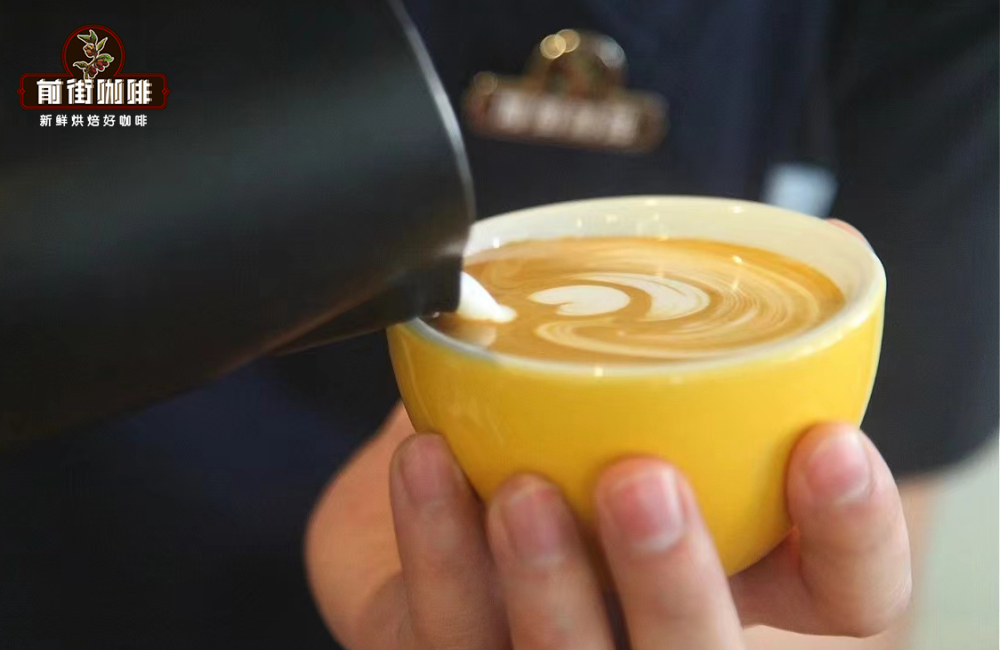 ,
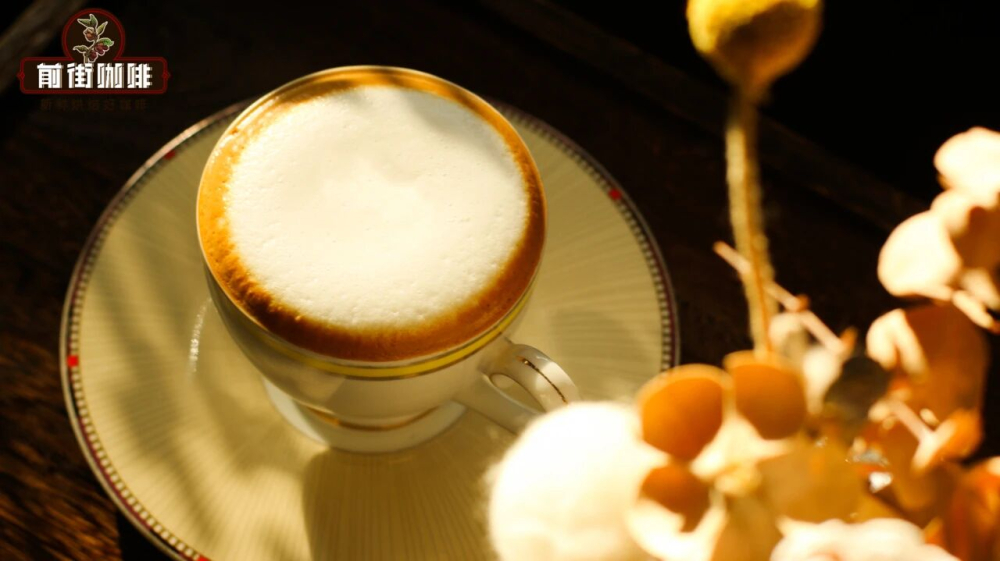 ) can help you better understand the composition and characteristics of these three classic espresso drinks, further boosting your confidence in ordering and enjoying them.
The above content is compiled by CoffeeHunters, a coffee news website.

