







Introduction:This article delves into the geographical characteristics and microclimates of Ethiopia’s two renowned coffee regions—Yirgacheffe and Kochere—and how they influence flavor profiles. It explores how the washed processing method shapes their bright fruity and floral notes. In addition to introducing the classic Yirgacheffe flavor profile, it also covers characteristics of surrounding sub-regions such as Worka, and recommends representative washed processed coffee beans to provide purchasing and tasting references, helping you explore the essence of highland Ethiopian coffee.
Ethiopia is hailed as the birthplace of coffee and boasts numerous coffee regions with distinct styles. Among them, Yirgacheffe and Sidamo are the most iconic specialty coffee regions and are globally recognized as premium origins by coffee enthusiasts. This article will guide you through Yirgacheffe’s regional positioning, unique flavors, and the critical role of washed processing in accentuating its citrus and floral notes. It also discusses the characteristics of surrounding sub-regions like Kochere and Worka, and recommends two washed processed specialty coffee beans to help you more comprehensively appreciate the coffee flavors nurtured by this magical land.
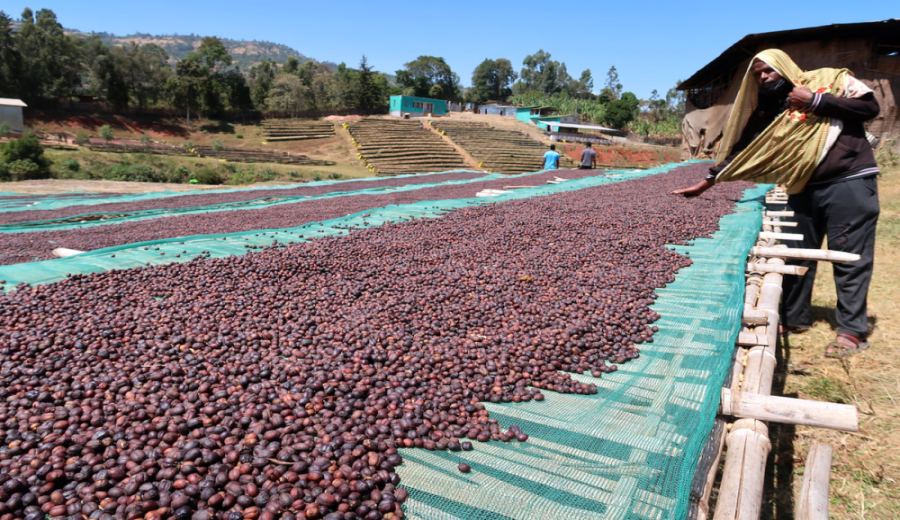
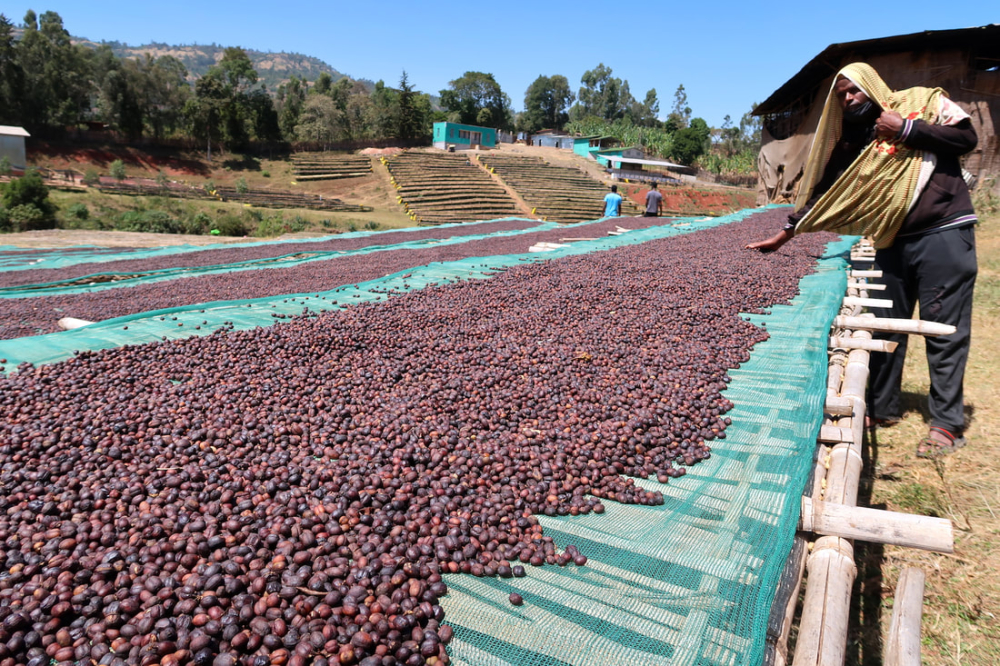 Ethiopia’s coffee-growing areas are vast and scattered, among which Yirgacheffe and Sidamo are the two most internationally renowned and those that best demonstrate the potential of specialty coffee. The name Yirgacheffe originates from the local town “YIRGACHEFFE” and was originally a sub-region under the Sidamo administrative zone, geographically located northwest of Sidamo. Before the mid-20th century, coffee from this area was primarily processed using the traditional natural (sun-dried) method, similar to other parts of Sidamo, and Yirgacheffe coffee had not yet shown the distinctive flavors for which it is now famous.
The turning point came in the 1970s when Yirgacheffe town established Sidamo’s first washed coffee processing station, introducing advanced washed processing techniques and equipment originating from South America. This innovation significantly improved the overall quality of green coffee beans while successfully unlocking the bright citrus and lemon-like fruity notes inherent in the region’s coffee, along with delicate floral aromas reminiscent of jasmine. This resulted in a cleaner, more layered cup profile and established the unique style for which Yirgacheffe is known. Since then, Yirgacheffe has separated from Sidamo to become its own distinct region, and its coffee flavors quickly gained popularity in the global specialty coffee market.
The so-called “Yirgacheffe flavor” is often described as featuring prominent citrus fruit aromas (such as lemon and orange), accompanied by subtle floral notes (like jasmine and white flowers). The overall cup is bright and refreshing, with a delicate and nuanced acidity and a clean, pure aftertaste. According to the classification standards of the Ethiopian Commodity Exchange (ECX), in addition to coffee from Yirgacheffe town itself, beans produced in nearby areas such as Wenago in the north, Gelena Abaya to the west, and Kochere town in the south can also be classified as Yirgacheffe flavor profile regions—as long as they meet specific flavor criteria.
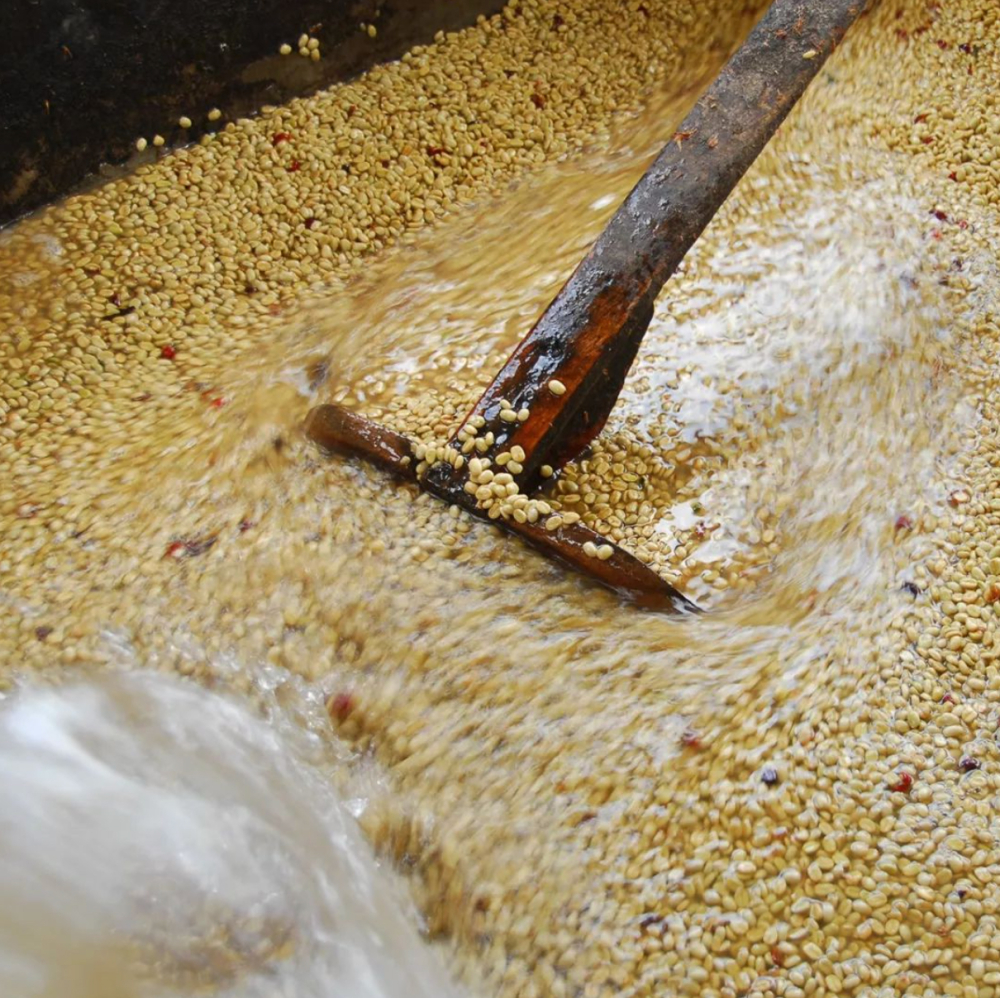 Regarding the washed processing method, the steps are generally as follows: First, freshly harvested coffee cherries are sorted to remove unripe or defective ones, then sent to a pulper to remove the outer skin and pulp. Next, the beans, still covered with some mucilage, are soaked in water for about 24 hours of fermentation, a process that helps break down and remove residual mucilage. After fermentation, the beans are moved to flowing water channels for thorough washing to ensure no residue remains on the surface. Then, the beans are dried on African raised beds or mechanical drying equipment until their moisture content is stabilized at around 12%. Finally, the parchment layer surrounding the beans is removed, completing the washed process. This method effectively enhances the coffee’s acidity and clarity while highlighting its inherent flavor characteristics.
If you’d like to taste a representative washed Yirgacheffe coffee, the washed Gute Ding Ding from a well-known coffee brand is a recommended option. These coffee beans come from the Gute Ding Ding cooperative in Yirgacheffe town, where local farmers collect harvested coffee cherries and send them to the processing station for washed processing, then export them under the cooperative’s name. The Gute Ding Ding cooperative provides full traceability information for its beans, and its washed processing technique is refined. In addition to showcasing classic Yirgacheffe citrus and floral traits, it also offers a hint of natural sweetness resembling honey and pears. The cup is clean and balanced, making it ideal for pour over brewing, and it performs excellently whether hot or cold brewed.
In addition to Yirgacheffe town, Kochere is another noteworthy sub-region within the Yirgacheffe area. Its altitude and microclimate conditions are similar to those of Yirgacheffe, and its coffee also features bright acidity and rich floral-fruity notes. Furthermore, the Worka area, though often considered part of Yirgacheffe, has an elevation of approximately 1,800 to 2,000 meters and also presents unique coffee flavor profiles. The Worka Cooperative was established in 2005 and joined the Yirgacheffe Coffee Farmers Cooperative Union (YCFCU) in the same year. The cooperative consists of around 300 coffee farmers, including the Alemayehu Alako farm. The Worka area was historically known for producing high-quality natural (sun-dried) Yirgacheffe, but in recent years it has also continued to refine its washed processing techniques, making it an excellent choice for exploring the flavors of Yirgacheffe’s surrounding micro-regions.
The above content is compiled by CoffeeHunters, a coffee news website.


