







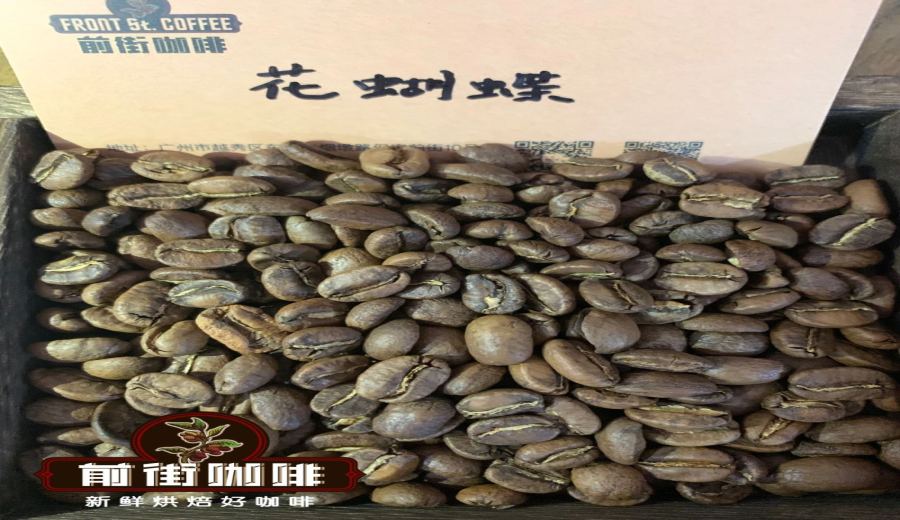
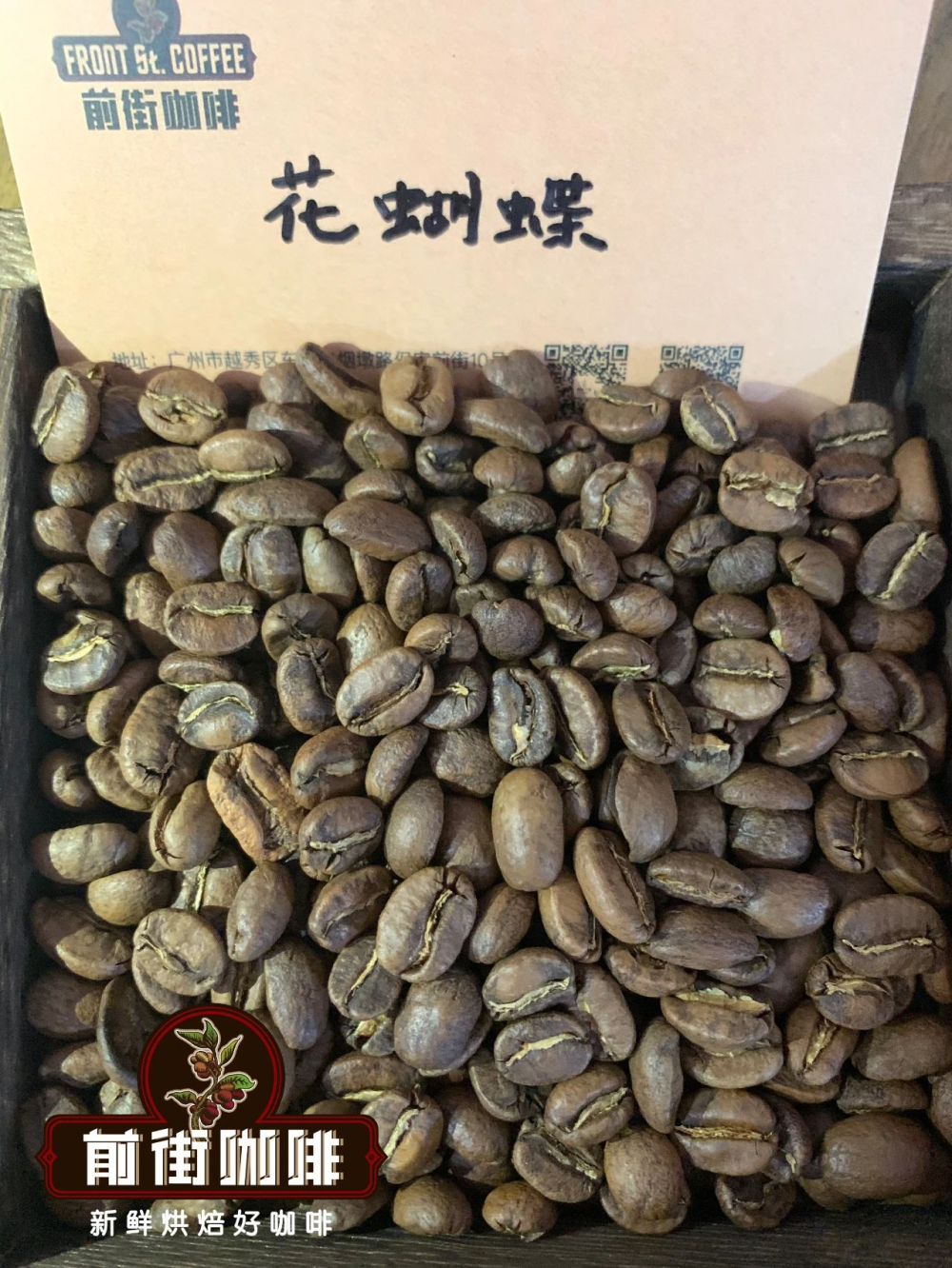
Introduction:The Panamanian Geisha Butterfly coffee beans are a high-value blend sourced from the Barú Volcano region in Boquete. Combining three varieties — Geisha, Caturra, and Catuai — this washed-processed coffee delivers clean flavors of peach, honey, and nuts. This article details the region’s characteristics, variety background, roasting curve, and optimal pour over extraction parameters, teaching you how to use a V60 to bring out layers of white grape, caramel, and high-mountain black tea.
The Panamanian Geisha Butterfly coffee beans come from the Boquete Barú Volcano area. This blend consists of three varieties: Geisha, Caturra, and Catuai. After washed processing, it exhibits fresh notes of peach, nuts, honey, and green tea. Despite having over 50% Geisha lineage, its price is quite affordable, making it the go-to choice for many coffee enthusiasts looking to experience the flavor of Panamanian Geisha.
This coffee is medium-light roasted, successfully preserving bright acidity and delicate floral aromas. It is recommended to use a V60 pour over with a dose of 15 grams, water temperature at 89–90°C, a 1:15 coffee-to-water ratio, and a total extraction time of about 2 minutes. This setup highlights the charming aromas of white grape, caramel, honey, and high-mountain black tea.
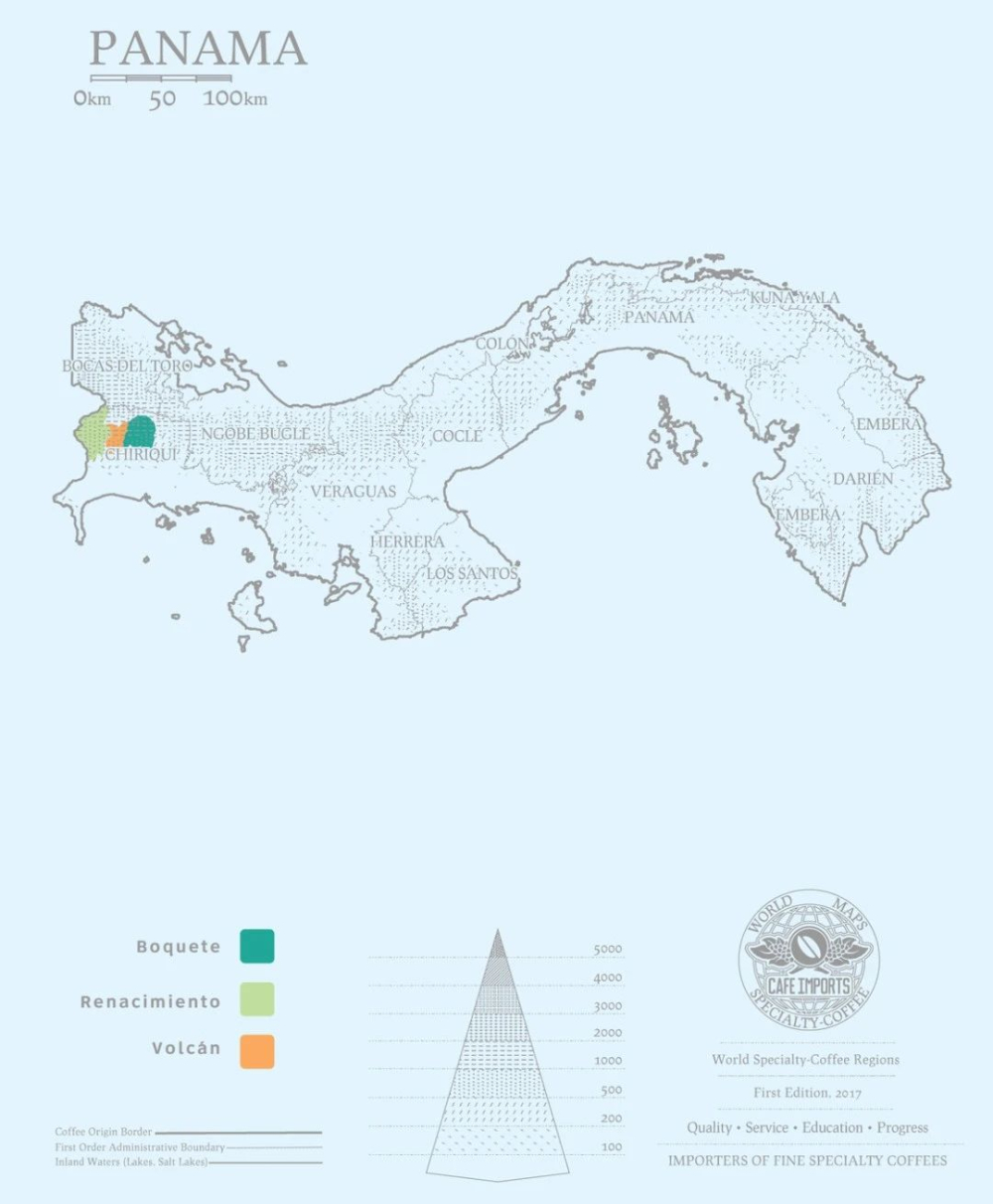
Panama is located in Central America, bordering Costa Rica and Colombia. Among its renowned specialty coffee regions, Boquete stands out the most. Situated in the Chiriquí Province and adjacent to the Barú Volcano, Boquete boasts fertile volcanic ash soil and a microclimate with significant day-night temperature variation — ideal conditions for cultivating high-quality coffee. In addition to the famous Finca El Esmeralda, the region also includes several other well-known estates known for producing specialty coffee, such as Finca Eldora and Finca Caturra Duncan.
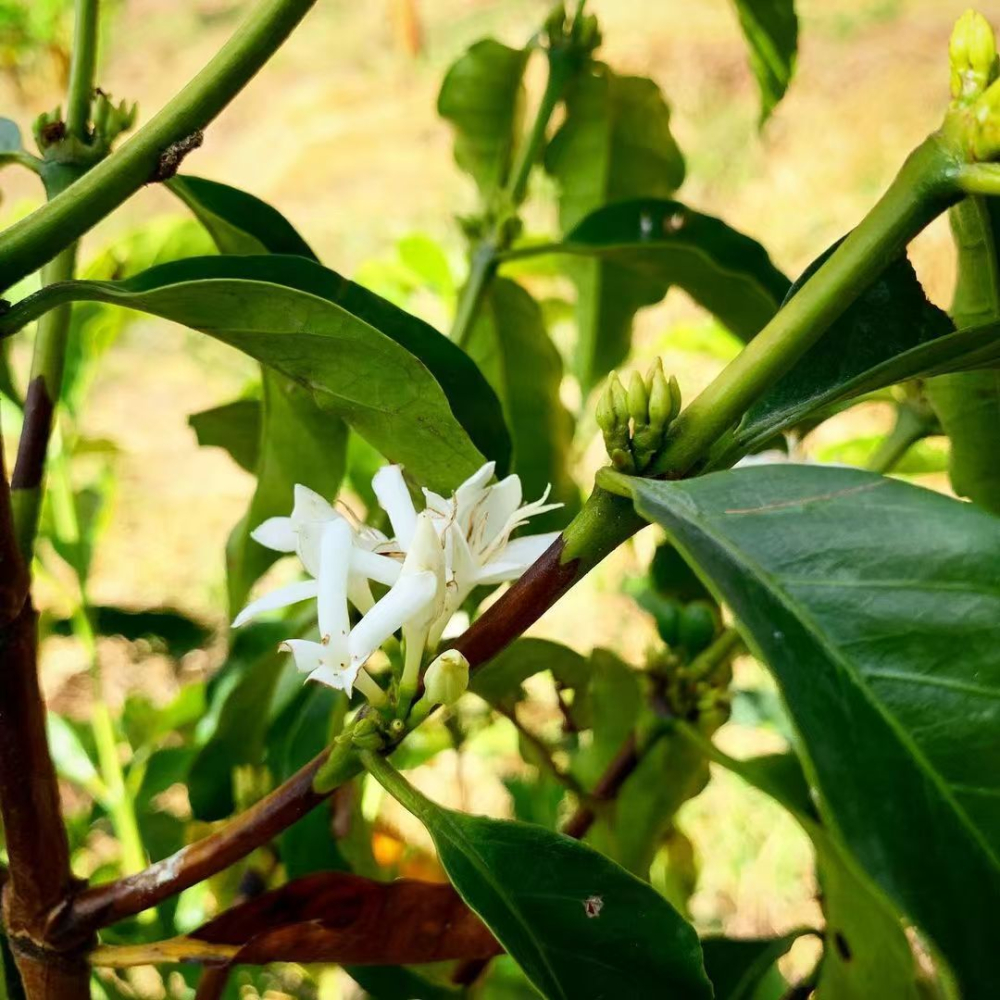
The Geisha Butterfly coffee beans are grown at an altitude of around 1,600 meters, right in the golden zone of the Boquete volcanic region. The local microclimate, combined with meticulous hand-picking and washed processing, allows this blend — despite not being a single variety — to showcase highly layered flavors, especially that unique floral-fruit character derived from the Geisha variety.
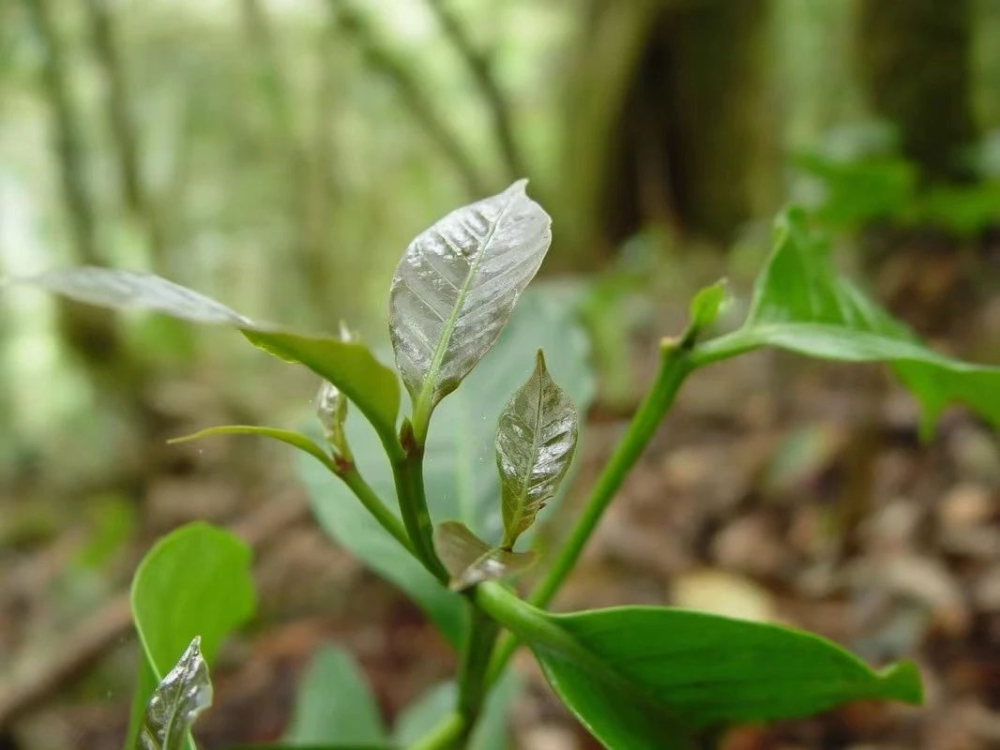
Many people wonder, “Is Geisha Butterfly a blend?” In fact, this coffee was originally planted by the estate years ago to increase yield, mixing Geisha with Caturra and Catuai. Later, for ease of harvesting and processing, all three varieties were picked, washed, and exported together. Since they all come from the same region and growing environment, the coffee maintains a high degree of flavor consistency, thus being considered a special blend with single-origin-like characteristics.
The Geisha Butterfly series generally uses washed processing, which highlights the beans’ cleanliness and clear floral-fruit aromas. According to green bean supply information, its moisture content is only 9.9%. Therefore, during roasting, it is recommended to start with a low inlet temperature, rapidly remove moisture with high heat, then adjust to medium heat and airflow to control the Maillard reaction pace, finally dropping the beans at the beginning of first crack to preserve the maximum aromatic compounds.
Due to the variety characteristics, roasters often opt for a medium-light roast for this coffee to maintain the bright floral notes and delicate acidity commonly found in Geisha. When designing the roast curve, emphasis is placed on quickly passing through the drying phase and reducing Maillard reaction time to avoid developing overly smoky or bitter tones, thereby fully preserving the aftertaste reminiscent of white grape, honey, and black tea.
Recommended roasting parameters: inlet temperature at around 200°C, first crack starting at approximately 184.5°C (±0.5°C), with a total roast time of about 8 minutes and 31 seconds (±3 seconds). Observe the density of first crack and drop the beans at the right moment to achieve the best flavor profile.
Cupping results show that the wet aroma of Geisha Butterfly features distinct citrus and jasmine notes; upon sipping, layered flavors of peach, grape, caramel, and honey emerge, with an aftertaste reminiscent of high-mountain black tea. Overall, the sweetness is prominent, the acidity is soft, and the mouthfeel is smooth and rounded.
For brewing recommendations, Geisha Butterfly is suitable for various methods including pour over, siphon, French press, cold drip, and drip bags. If choosing pour over, it is recommended to use a V60 dripper with a dose of 15 grams, water temperature maintained at 89–90°C, a 1:15 coffee-to-water ratio, and an EK43s grinder setting of about 10 to fully showcase its flavor layers.
The specific pour over process is recommended as follows: First, pour 30 grams of water for a 28–30 second bloom. During this stage, observe the expansion of the coffee grounds to adjust subsequent pouring speed. After the bloom, continue pouring until reaching 110 grams, then perform the first break. Once the water level drops to about half, continue pouring to a total of 225 grams. You may discard the last 5 grams to avoid over-extraction. The entire process should take about 2 minutes, bringing out the optimal balance of sweetness and fruit acidity.
Brewing tip: The fineness of the bloom foam is related to the internal air content of the coffee grounds. If the foam is fine and long-lasting, it indicates higher air content in the coffee bed. It is recommended to gently stir with a soft stream of water to help release gases and ensure even extraction. Also, try to maintain a stable and consistent pouring rhythm to avoid inconsistent extraction due to fluctuating water flow.
In summary, the Panamanian Geisha Butterfly coffee beans are a high-value and flavor-rich blend, suitable for coffee lovers who enjoy Geisha profiles but prefer a more accessible price. By mastering the characteristics of medium-light roasting and using appropriate pour over parameters, you can easily brew an enticing cup at home with the aromas of peach, honey, caramel, and high-mountain black tea.
The above content is compiled by CoffeeHunters, a coffee news website.


