







Introduction:There are many types of Italian-style coffee, from the classic Espresso to popular drinks like Latte and Americano. Each has its unique flavor and extraction logic. Want to know whether Latte or Americano is more bitter, if you should add sugar to Espresso, or if Starbucks Americano is worth trying? This article delves into the brewing principles of Italian Espresso and the key factors influencing its flavor, helping you understand the characteristics of various coffee styles, along with practical parameters and drinking suggestions.
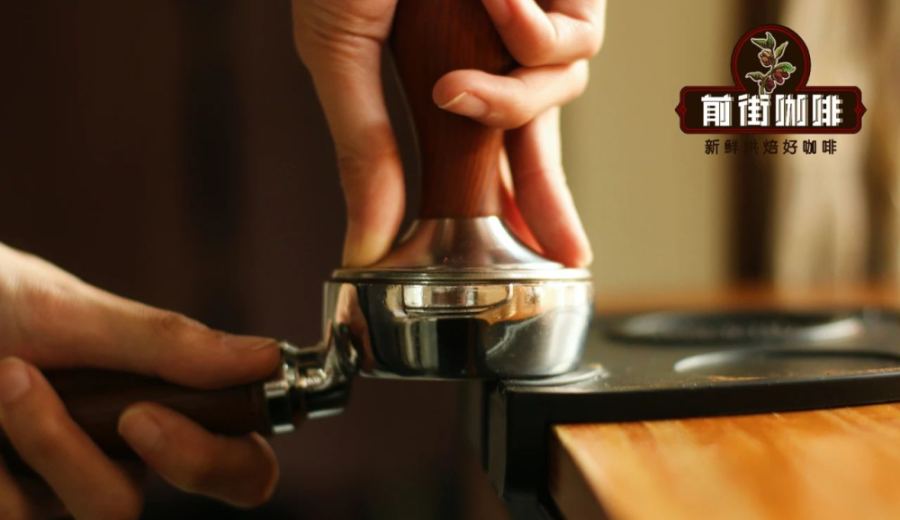
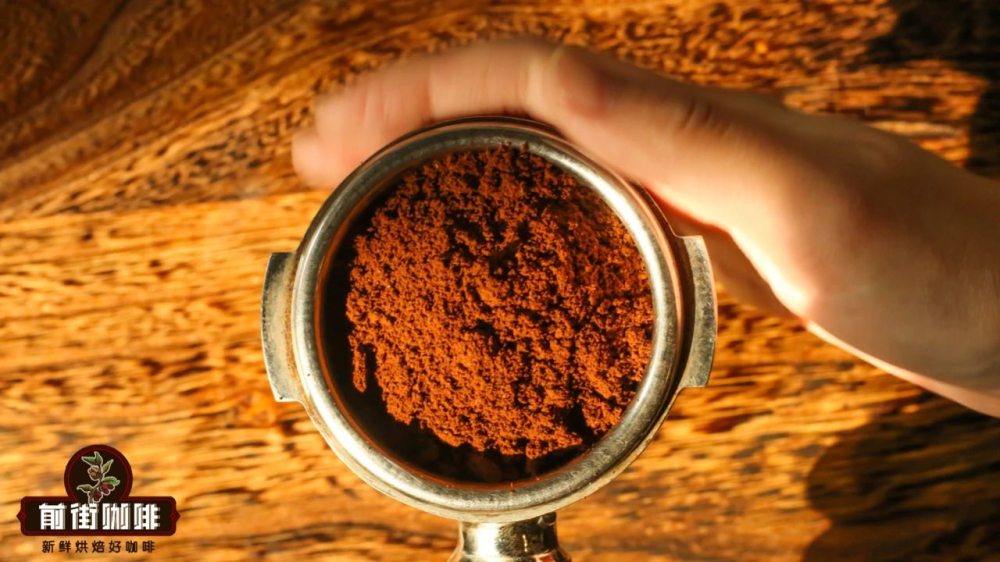
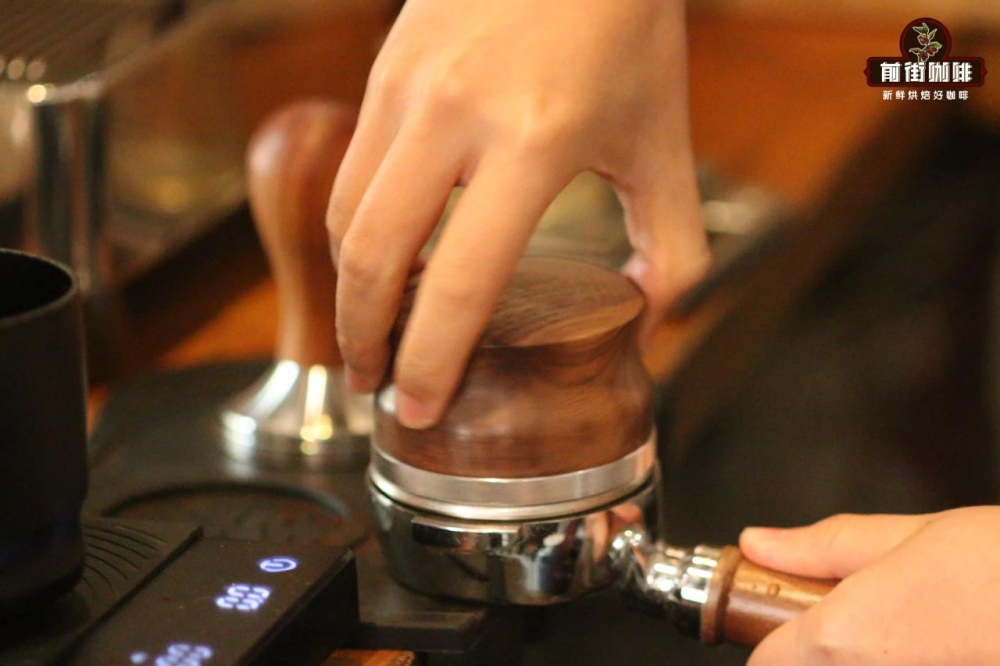
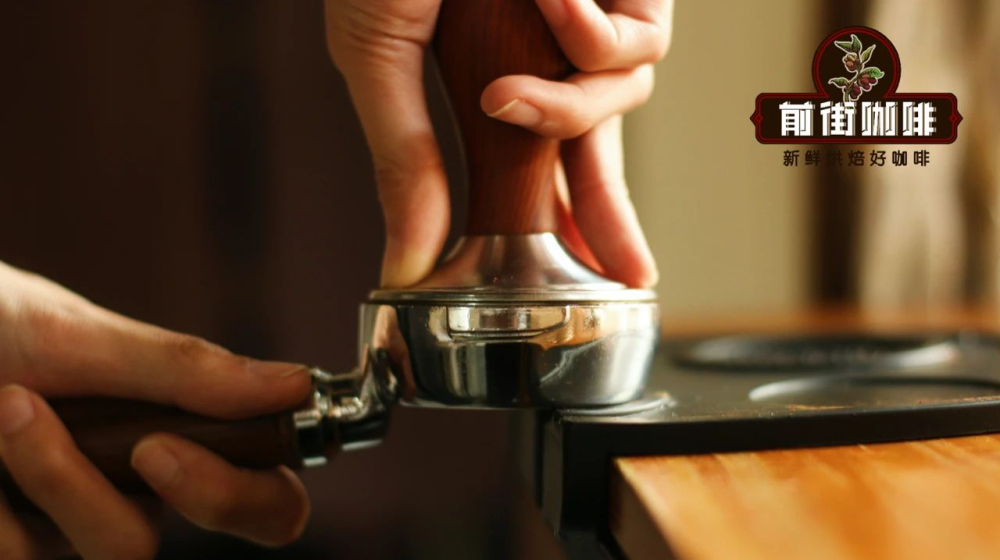
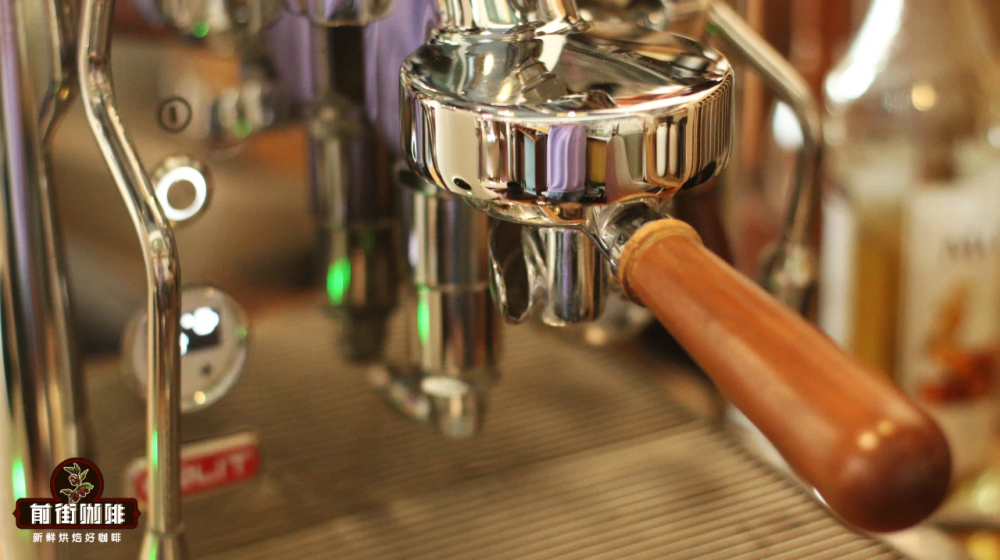
Espresso is not just a single drink, but also the foundation of many specialty coffee beverages. This type of coffee is extracted under high pressure (about 9 BAR) in a short time using finely ground and evenly tamped coffee powder, resulting in a thick and highly viscous coffee liquid, typically about 30 ml per cup. During the brewing process, parameters such as water temperature, grind size, coffee dosage, and extraction time directly impact the final flavor profile.
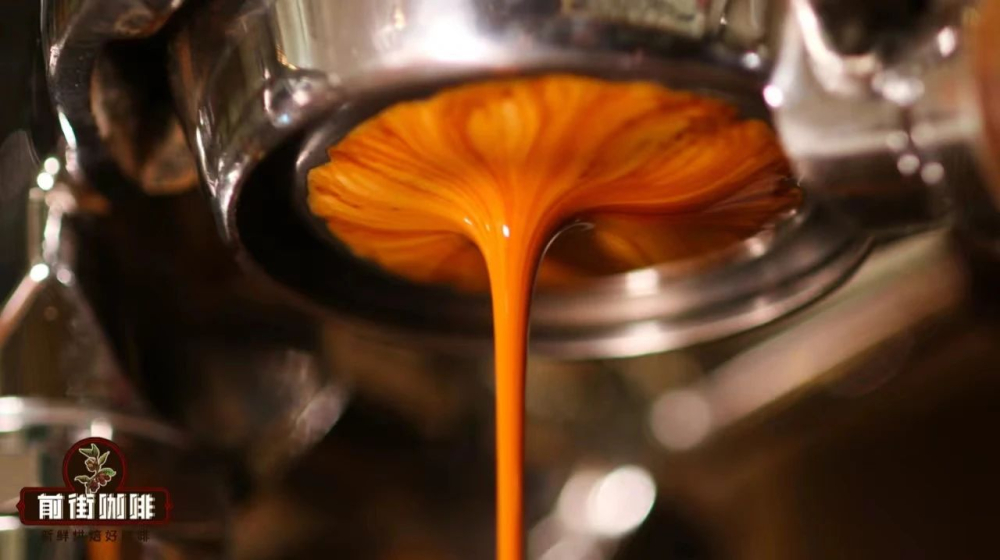
The key to Espresso lies in that layer of golden-brown coffee crema.It not only enhances the visual appeal but also releases aromatic compounds, while the actual taste of the coffee comes from the liquid beneath the crema. The texture and richness of this crema are often key indicators of a successful extraction.
Many people wonder,can you add sugar or milk to Espresso? The answer is yes, but it will alter the original flavor.Traditionally, Espresso is enjoyed straight to experience its subtle layers, including fruity acidity, floral notes, and even wine-like aromas. If you find it too bitter, you can add a small amount of white sugar and stir gently—this softens the taste slightly and highlights the acidity. However, to fully appreciate Espresso’s complete flavor profile, it's best to try the original version without any additives first.
As for the difference between Americano and Latte, it essentially comes down to the base and what’s added.Americano is made by diluting Espresso with hot water, so its flavor mainly depends on the quality of the Espresso itself.The addition of water reduces the overall concentration, making the bitterness milder, but if the Espresso is not of good quality, the overall drink will be affected as well.
Latte (Latte), on the other hand, is a milk-based coffee made by adding a large amount of milk to Espresso—"Latte" means "milk" in Italian. The focus of this coffee is the proportion of milk, which usually makes up most of the drink, resulting in a flavor dominated by milk, with coffee playing a supporting role. To make a great Latte, aside from choosing the right coffee beans and extraction parameters,the steaming technique and milk integration are crucialand rely heavily on the barista’s skill and experience.
In the world of Italian coffee,Espresso is the starting point of everything.Whether it’s Americano, Latte, Cappuccino, or other variations, none can do without this highly concentrated and flavorful base. If the Espresso extraction isn’t good, no amount of milk or water added afterward can make a satisfying cup.
Additionally, Italian coffee beans on the market can generally be divided into two main categories: single-origin and blends.Blend beans are typically composed of beans from multiple origins, aiming to create a more balanced and complex flavor profile.Single-origin beans, on the other hand, highlight the unique characteristics of a specific region. Different blend recipes can yield diverse flavors ranging from dark chocolate and nuts to citrus and wine, allowing you to choose based on personal preference.
In summary, the charm of Italian coffee lies in the combination of its versatility and precise craftsmanship. Whether you prefer strong and bold Espresso, milky and rich Latte, or refreshing and balanced Americano, understanding the extraction principles and flavor features will help you better appreciate the uniqueness of each cup.











The above content is compiled by CoffeeHunters, a coffee news website.


