







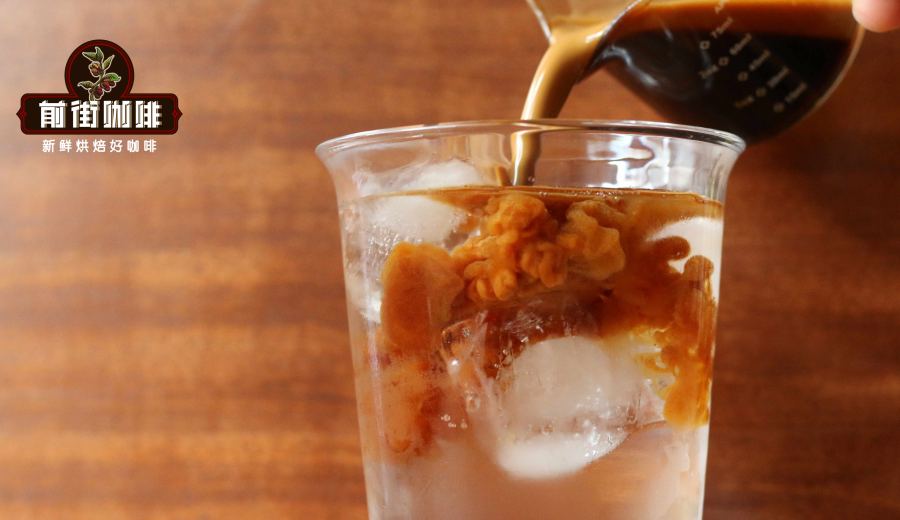
Introduction:Many coffee beginners often confuse the difference between Americano and espresso, and are even more puzzled by why the flavor of Americano made at home with a drip machine differs from that served in cafés. This article delves into the two main methods of making Americano—traditional drip brewing and espresso plus hot water—offering a recommended golden water-to-coffee ratio starting at 1:20, and revealing the optimal range of 1:4 to 1:8 for diluting espresso. From extraction parameters to bean selection, it guides you through the key details that make Americano taste better.
When walking into a café, it’s common to hear customers ask: “What’s the real difference between espresso and Americano?” This question actually touches on the core distinction between types of coffee drinks. Looking at the menus of many cafés, Americano is often listed under the espresso category, which is related to historical origins—during World War II, American officers diluted espresso with water to suit their taste preferences, and Europeans thus jokingly referred to this adjusted drink as “Americano.”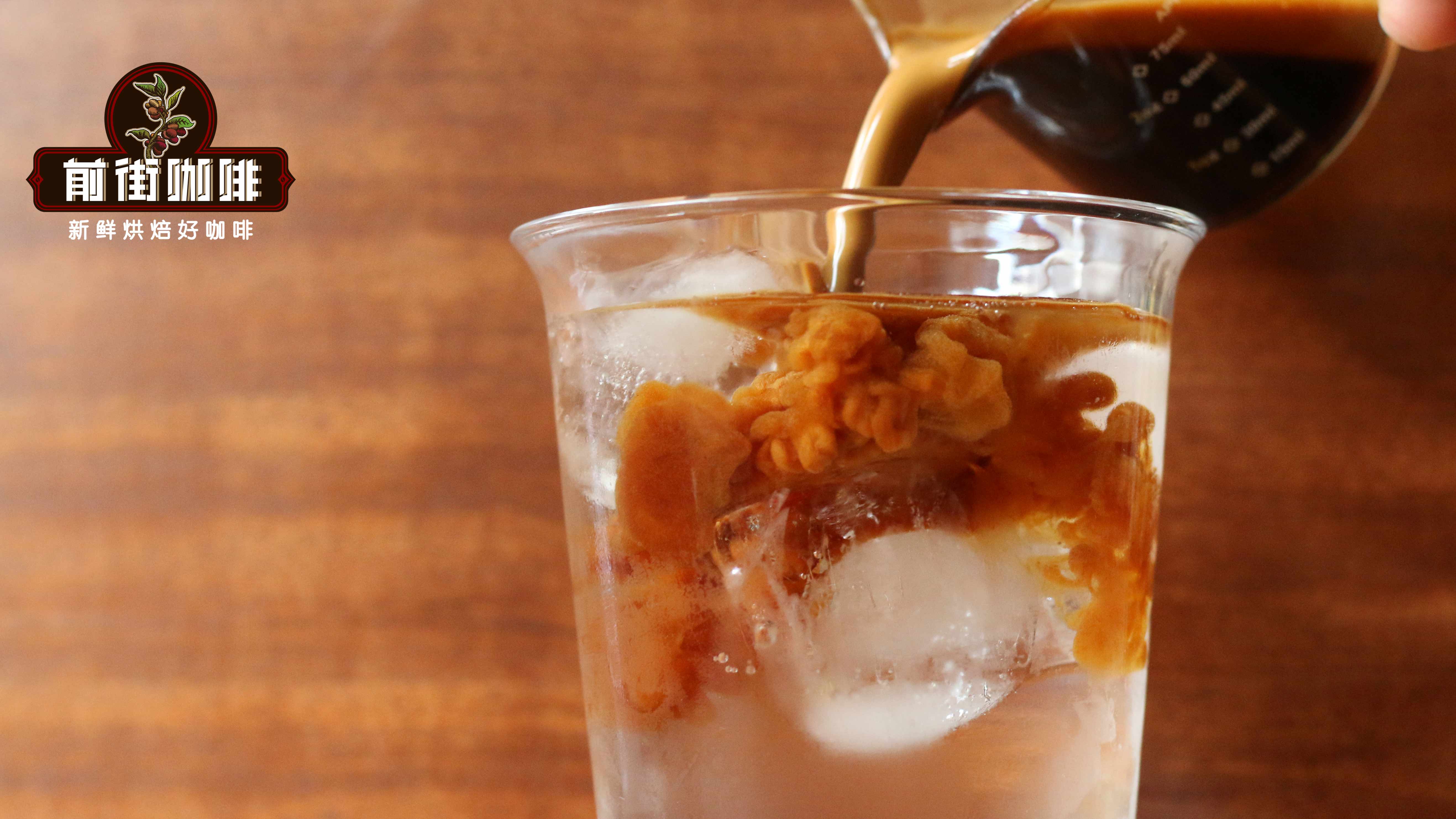
The commonly used home drip coffee machines are actually a simple option for making Americano. This so-called “foolproof coffee machine” is extremely easy to operate: just add an appropriate amount of coffee grounds, pour water into the tank, and then press the switch. For beginners, it’s recommended to start with a 1:20 water-to-coffee ratio, with the entire extraction process taking about 5–8 minutes, to achieve a basic flavor.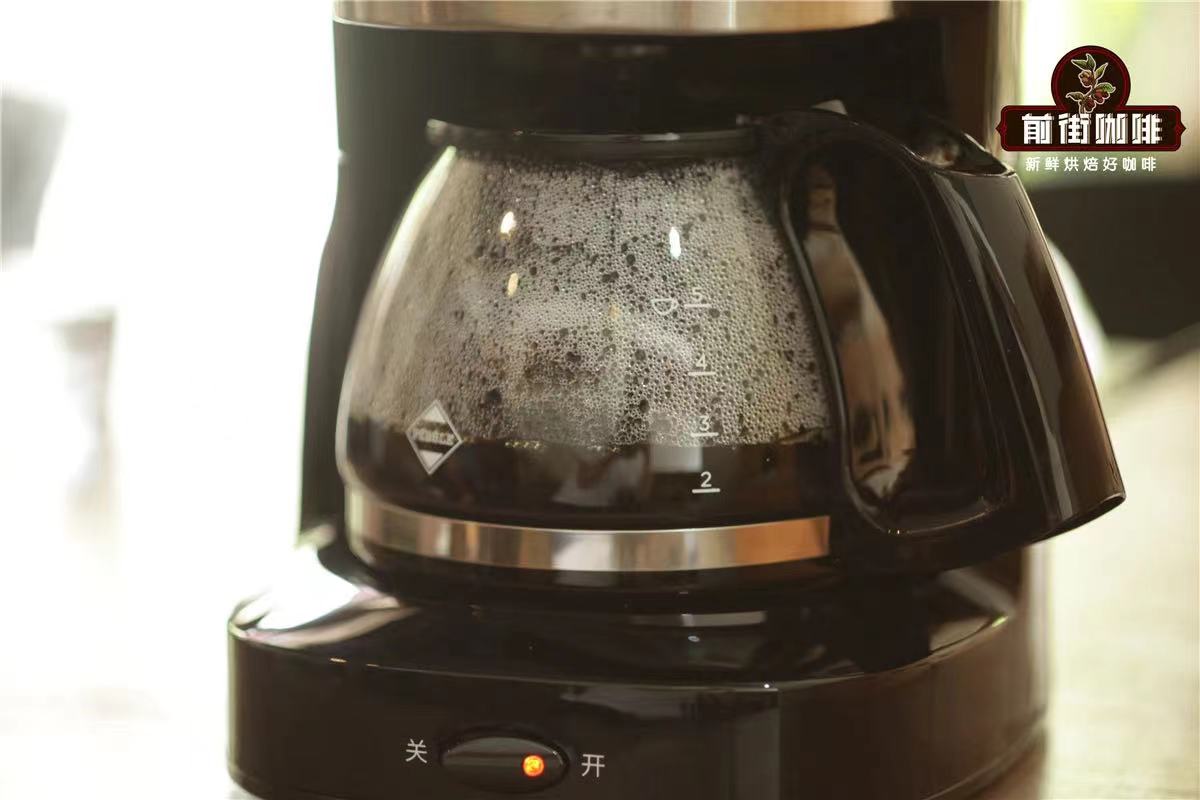
However, it’s important to note that the Americano made by a drip machine is completely different from the espresso-plus-hot-water version commonly found in cafés. Nowadays, the Americano available in the market is mostly made by adding hot or cold water to espresso. This flavor adjustment originated during wartime to cater to American soldiers who were not accustomed to the intense taste of espresso, and gradually evolved into the common form of Americano we see today.
As the base for many coffee drinks, the extraction parameters of espresso are crucial. Taking a common current setup as an example: using 19.5 grams of coffee grounds to extract 35 grams of coffee liquid within 28 seconds. The international standard Espresso typically uses 7–9 grams of coffee grounds, extracted under 9 bar pressure and approximately 92°C water temperature for 25–30 seconds to yield 14–18 grams of coffee liquid. Many cafés use double espresso (about 20 grams of grounds yielding 35 grams of liquid) as the base, which influences how the subsequent Americano is prepared.

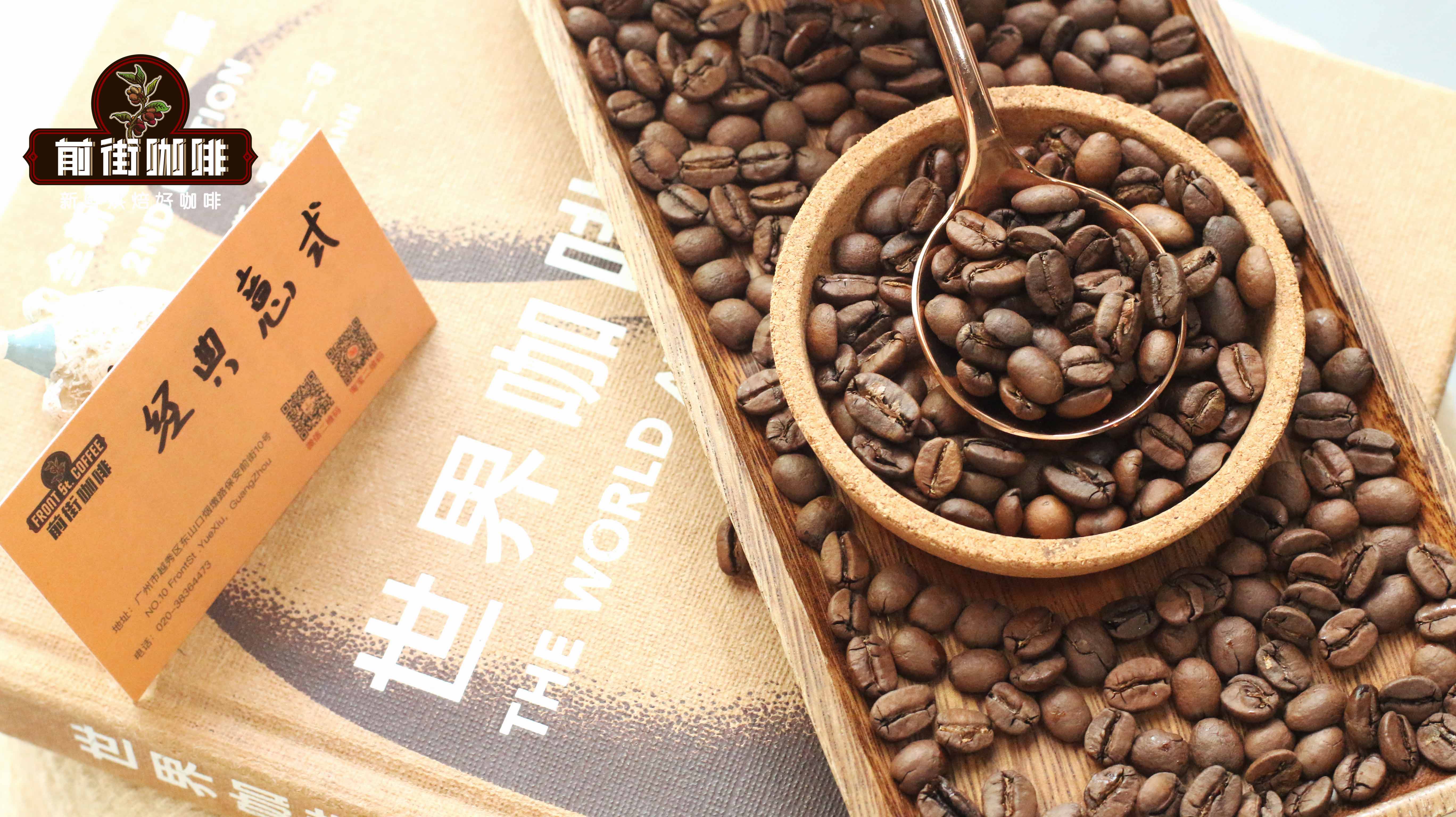
The flavor expression of espresso is closely related to the blend of beans used. For example, a well-known café uses a blend called Warm Sun, which combines Honduran Sherry and Ethiopian Red Cherry beans, resulting in vibrant acidity, a pronounced chocolate note, and a heavy body. This blending strategy stems from multiple considerations: balancing flavors from different regions, ensuring extraction stability, and flavor masking for commercial needs. Adjusting the blend ratio is a key technique to achieving the ideal flavor state.
Regarding the water-to-espresso ratio, hot Americano typically uses a 1:4 ratio of espresso to water, while iced Americano expands to 1:8 due to the addition of about 100 grams of ice. Beginners are advised to start adjusting within the 1:4 to 1:8 range of espresso to water, fine-tuning according to personal taste preferences. Whether choosing the drip or espresso route, finding the right ratio for yourself is the key to enjoying Americano.
There’s no absolute answer when choosing between Americano and espresso. Those who prefer black coffee can directly experience the original flavors of the coffee beans through Americano; if you’re not used to strong bitterness, espresso-based milk coffee series might be a better entry point. Milk can effectively neutralize the bitterness and astringency of coffee, creating a smooth and pleasant drinking experience. In addition, the popular SOE (Single Origin Espresso) in recent years can highlight the characteristics of specific regions, but not all varieties successfully showcase the essence of the coffee—sometimes the milk flavor is too strong and ends up masking the original taste.

The above content is compiled by CoffeeHunters, a coffee news website.


