







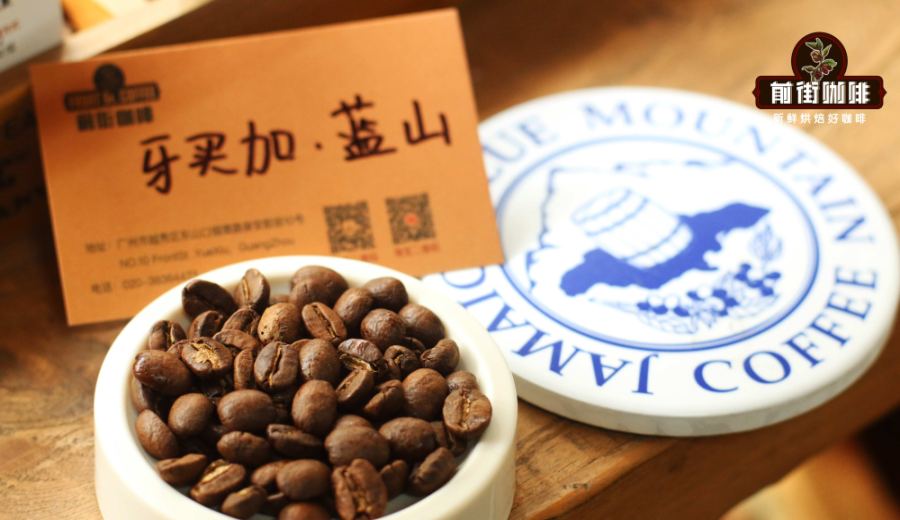
Introduction:Blue Mountain coffee is world-renowned for its perfectly balanced acidity, sweetness, bitterness, and body. But can Yunnan also grow beans with a similar flavor profile? This article delves into the history of Blue Mountain coffee, the evolution of Japan’s quota system, and the market shifts following the 2008 financial crisis. It also provides four key methods of identification — from appearance and grind feel to aroma and taste — and exposes common misconceptions about commercially available "Blue Mountain-style" products, helping readers choose truly high-quality Blue Mountain coffee.
When it comes to top-tier coffee, Jamaican Blue Mountain is undoubtedly the dream of many coffee enthusiasts. Its uniquely harmonious blend of acidity, bitterness, sweetness, and body leaves an unforgettable impression. However, many also wonder: could Yunnan, which is equally suitable for coffee cultivation, produce beans of a similar caliber to Blue Mountain? The answer involves a combination of factors including climate, altitude, variety, and processing techniques. This article not only explores the origins of Blue Mountain coffee and global market changes, but also breaks down from a professional perspective how to identify genuine Blue Mountain coffee, enabling you to make smart choices when faced with a myriad of “Blue Mountain-style” products.
The reason Blue Mountain coffee is so prized lies not only in its exceptional growing environment, but also in its highly meticulous processing. From the harvesting and processing of green beans to roasting and packaging, every step follows strict standards. Especially in Jamaica, coffee harvesting relies entirely on manual labor to ensure that only the ripest cherries are selected. During transportation, Jamaica still maintains the tradition of using wooden barrels, with each barrel bearing a government-issued certification label to guarantee the authenticity of its origin. This commitment to quality has allowed Blue Mountain coffee to maintain a unique position in the global coffee market.
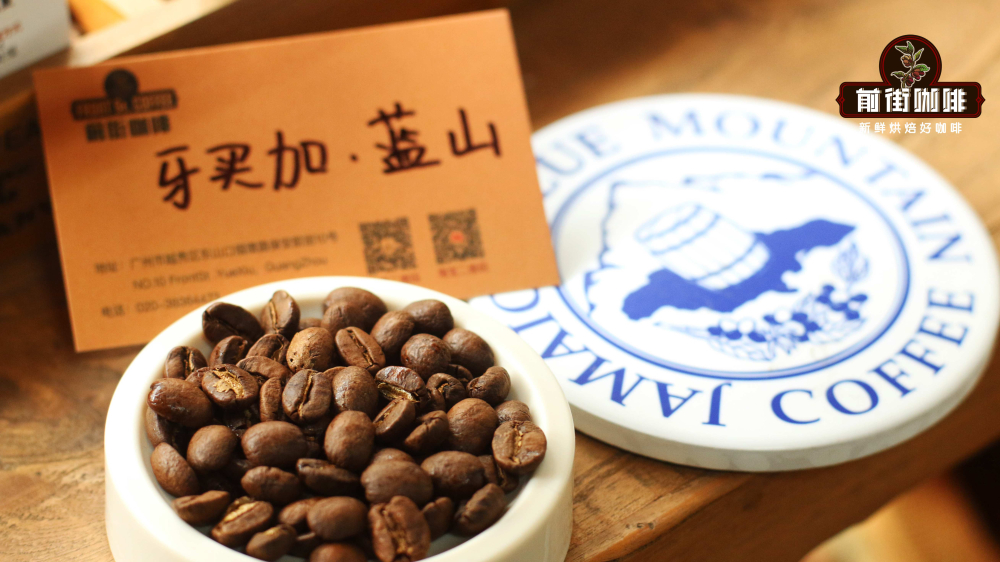
Authentic Blue Mountain coffee achieves a perfect balance between acidity, bitterness, sweetness, and body — a harmony that is difficult for coffees from other regions to replicate. As such, it is generally recommended to enjoy it as black coffee to fully appreciate its subtle layers. Among coffee enthusiasts, Blue Mountain represents not just the pinnacle of flavor, but also a symbol of status and taste, consistently ranking among the most expensive coffees in the world. Its classic sense of balance remains unmatched by most other producing regions to this day.
Looking back at history, as early as the 1960s, Jamaican Blue Mountain had already garnered attention in the specialty coffee market. However, Hurricane Gilbert in 1969 severely damaged the local industry. At this critical moment, Japan’s UCC company provided financial and technical support, introducing advanced eco-friendly cultivation and management practices. In gratitude, the Jamaican government signed a 30-year agreement with Japan, under which 90% of the annual Blue Mountain coffee production was prioritized for the Japanese market, with only 10% allocated to Europe and the United States. During this period, although some Blue Mountain beans made their way to other Asian markets such as Singapore, South Korea, Hong Kong, and Taiwan, the overall volume was limited. Coupled with strong promotion by Japan, Blue Mountain gained international renown.
Entering the 2000s, the Blue Mountain craze gradually spread to mainland China. Surging demand but limited supply led to persistently high prices and scarcity. It wasn’t until after the 2008 global financial crisis that Jamaica gradually relaxed its export restrictions, and the previous exclusive quota agreement with Japan came to an end. More Blue Mountain coffee became available in the global market, including China. With the rise of China’s coffee consumption market, consumers can now directly import Blue Mountain coffee beans through official channels, and prices have become relatively more affordable compared to earlier years — though they still remain a premium product.
However, the market is also flooded with various products labeled as “Blue Mountain-style,” “Blue Mountain blends,” or “Blue Mountain-roasted.” These are often dark roast blends containing only a small amount of Blue Mountain beans, or sometimes have no connection to Blue Mountain at all. Judging by price, genuinely high-quality Blue Mountain coffee is never cheap. If you see products priced at just a few dozen yuan, they can almost certainly be counterfeit. For reference, a 100g pack of Blue Mountain No. 1 coffee beans is priced at around 198 yuan — this is the reasonable market positioning for authentic Blue Mountain coffee.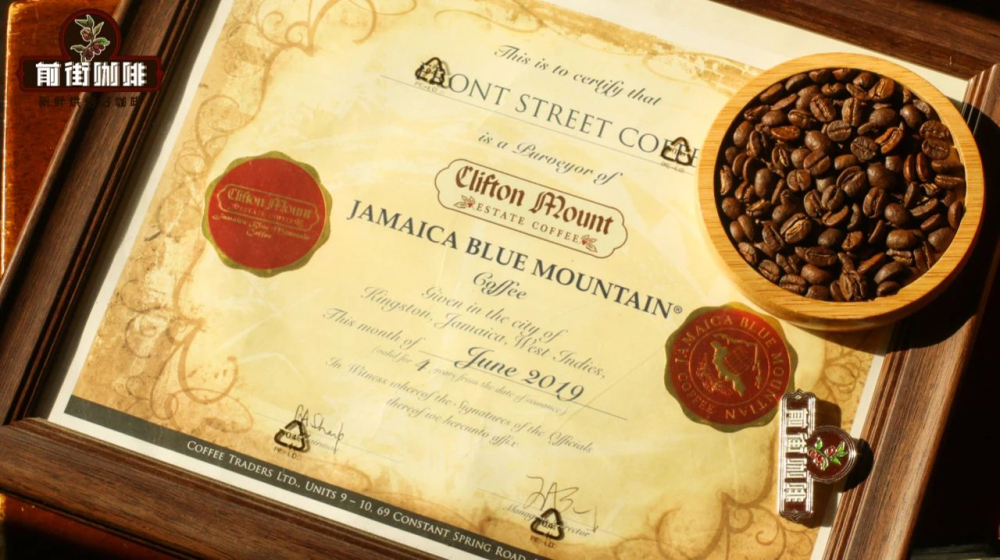
So, how can you distinguish real Blue Mountain from fake? Here are four key identification indicators: First, look at the appearance. Genuine Blue Mountain green beans are bluish-green in color, medium to slightly small in size, with slightly upturned ends. After roasting, the beans visibly expand and take on a plump shape. Second, the grind feel is also an important clue. Due to the loose cellular structure of high-altitude-grown Blue Mountain beans, hand grinding should feel crisp and smooth, with no significant resistance. Third, consider the aroma. True Blue Mountain coffee emits a rich and long-lasting chocolate and roasted hazelnut scent — something that ordinary blends struggle to match. Finally, in terms of flavor, high-quality Blue Mountain coffee achieves a balanced harmony among its acidity, sweetness, bitterness, and body. No single flavor dominates, and the taste is rich yet smooth — this is the most critical characteristic for distinguishing authenticity.
In summary, although Yunnan has favorable conditions for coffee cultivation, replicating the unique flavor and quality of Jamaican Blue Mountain still faces significant challenges in terms of climate, variety, and processing techniques. Understanding the historical background and market evolution of Blue Mountain, along with mastering identification skills from appearance to flavor, will help you find the truly worthwhile Blue Mountain coffee among the many options available.
The above content is compiled by CoffeeHunters, a coffee news website.


