







Introduction:Yirgacheffe Wolkite coffee is beloved by many coffee enthusiasts for its unique honey-like sweetness and rich floral-fruity character. This article delves into the flavor profile of this origin, analyzing its regional environment, variety background, aroma and taste layers, as well as exploring the suitable brewing methods and parameter settings to help readers fully grasp the essence of this classic coffee. Whether you’re a beginner or a seasoned connoisseur, you’ll find practical insights here.
Yirgacheffe is undoubtedly a star origin in today’s specialty coffee landscape, and the highly regarded Wolkite batch stands out with its honey-warm sweetness and delicately interwoven floral-fruity notes, earning widespread acclaim. This article will start with the basic flavor profile of the region, then deeply analyze the aroma, taste structure, and cultivation background of Wolkite coffee, while also introducing representative offerings such as the washed Guodiding from a well-known café. This will allow coffee lovers to gain a more comprehensive understanding of this captivating origin. Whether you're new to the world of specialty coffee or a veteran seeking your daily go-to bean, you'll find useful flavor interpretation and brewing guidance here.
 When it comes to Yirgacheffe, many people first think of the vibrant, spring-garden-like aromatic expression. The so-called "Yirgacheffe flavor" often encompasses bright jasmine, citrus fruit aromas, paired with stone fruit sweetness like peach and apricot, along with a touch of soft tea-like quality. Many drinkers describe that upon first tasting Yirgacheffe, it feels as if a hundred flowers are blooming simultaneously on the tongue and in the nose—this layered, refreshing sensory experience is one of the most enchanting traits of this origin.
When actually tasting a well-known brand’s Yirgacheffe, its dry aroma often releases intense fruity notes, intertwined with rich dried fruit tones—for example, the sweet layers of strawberry, mango, and apricot jam blend together. As hot water is poured in, the wet aroma becomes even sweeter, resembling thick apricot nectar, softly enveloped by a gentle honey or chocolate note. On the palate, the overall body is medium, with acidity that is not strong but bright and lively. The overall flavor is akin to a black tea with fruity aromatic notes, leaving a clean and lingering aftertaste.
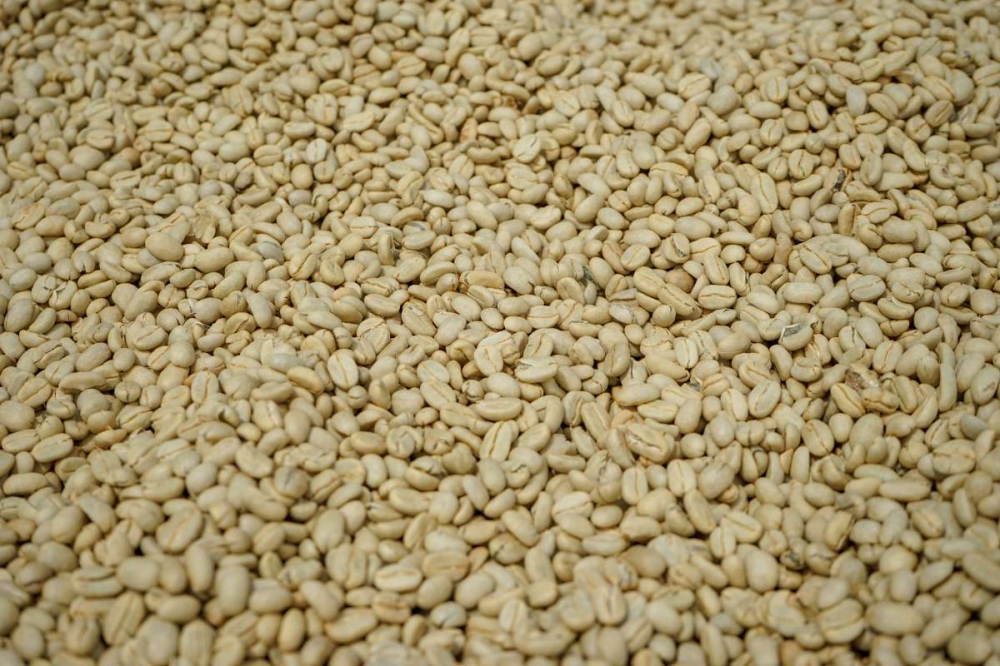
If you want to explore a deeper and more complex Yirgacheffe flavor, try a well-known brand’s washed Guodiding. This coffee comes from the excellent Guodiding Cooperative, and through a rigorous post-harvest processing procedure, it clearly presents elements such as yellow lemon, orange, honey, Asian pear, and green tea. It is suitable for brewing via various methods including pour over, French press, AeroPress, moka pot, and cold brew, showcasing high compatibility and diverse expressions.
The Yirgacheffe origin is situated at a high altitude of nearly two thousand meters, making it one of the highest-altitude coffee-growing regions in the world. Since ancient times, this area has been a wetland terrain, where "Yirga" means "to settle down" and "Cheffe" means "wetland." The surrounding Lake Turkana, Lake Abaya, and Lake Chamo provide abundant moisture, especially in the Great Rift Valley’s Fog Valley area, where fog envelops the region year-round. The climate is mild and humid, with cool breezes and spring-like conditions all year, offering ideal growing conditions for coffee trees and nurturing the unique terroir where floral and fruity aromas intertwine in subtle complexity.
When selecting Yirgacheffe-style coffee beans, it’s recommended to pay special attention to their processing method and roast level. Washed processing typically preserves clearer acidity and floral notes, while a medium-light roast helps highlight its delicate aroma layers and citrus character. If you prefer using a pour over method, it is suggested to use a medium-fine grind (roughly between superfine sugar and white sugar in coarseness), with water temperature controlled at 90–92°C, employing a pulsed pouring technique (for example, 30g water for a 30-second bloom, followed by adding 90–100g of water, then adjusting total extraction to a 1:15 to 1:16 ratio based on dose). This helps bring out its bright acidity and honey sweetness.
In summary, Yirgacheffe Wolkite coffee holds a distinctive place in the specialty coffee market due to its highly expressive aroma and delicate taste structure. Whether you’re a beginner looking to deeply understand coffee flavor profiles or a coffee enthusiast seeking daily brewing inspiration, you can experience the unique charm of nature and craftsmanship perfectly combined in this coffee from a high-altitude wetland.
The above content is compiled by CoffeeHunters, a coffee news website.


