







Introduction:As an important representative of Ethiopia’s specialty coffee, the Guji region boasts unique geographical and climatic conditions that nurture intensely flavored coffee beans. This article delves into the terroir characteristics of the Guji-Hambela sub-region, analyzes the background behind the fame of the Huacai Natural coffee, explores the meticulous processing methods of the Buku Able washing station, and provides practical green bean analysis, roasting recommendations, cupping data, and V60 pour-over parameters. It helps coffee enthusiasts fully grasp this classic natural-processed bean that combines sweetness and fruity notes.
When Ethiopian coffee is mentioned, many people immediately think of the bright and vibrant acidity of Yirgacheffe. However, the Sidamo region in the southern part of the country also possesses significant coffee potential that should not be overlooked. Within Sidamo lies the Guji region, which has gained widespread recognition due to the rise of Huacai Natural coffee. This article will take you on an in-depth journey through the historical roots of the Guji region, the natural conditions of the Hambela sub-region, and focus on the origin of Huacai coffee beans, the evolution of their processing techniques, the flavor differences across various batches. It also offers professional green bean evaluations, reference roasting curves, cupping results, and practical V60 pour-over suggestions, allowing you to comprehensively understand this highly acclaimed Ethiopian natural-processed specialty coffee from origin to cup.
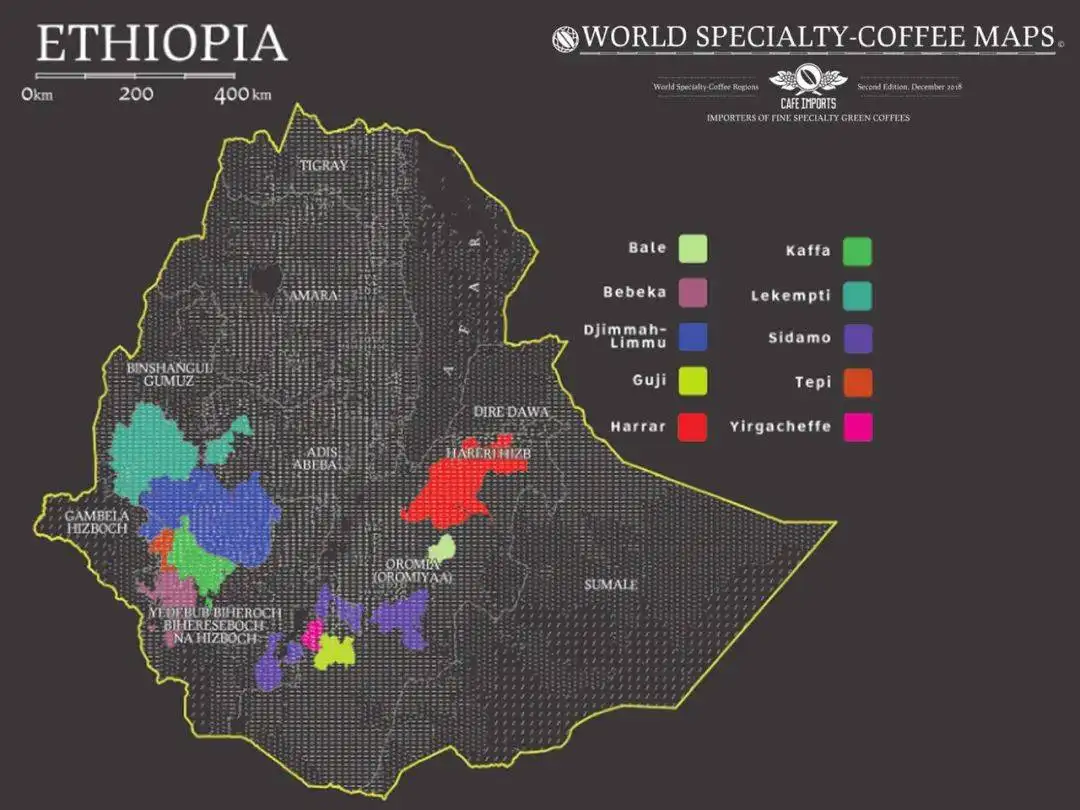
The Guji region was originally part of Sidamo until it was officially designated as an independent region by the Ethiopian Commodity Exchange (ECX) in 2010. Located southeast of Yirgacheffe, the area features diverse terrain, including high mountains, deep valleys, and expansive plains. The soil is predominantly fertile black clay (Vertisol), with layers nearly two meters deep, and the average altitude exceeds 1800 meters. Such topography and climate create significant diurnal temperature variations, providing an ideal environment for coffee cherries to accumulate sugars and flavor compounds, making it an excellent location for cultivating high-quality specialty coffee.
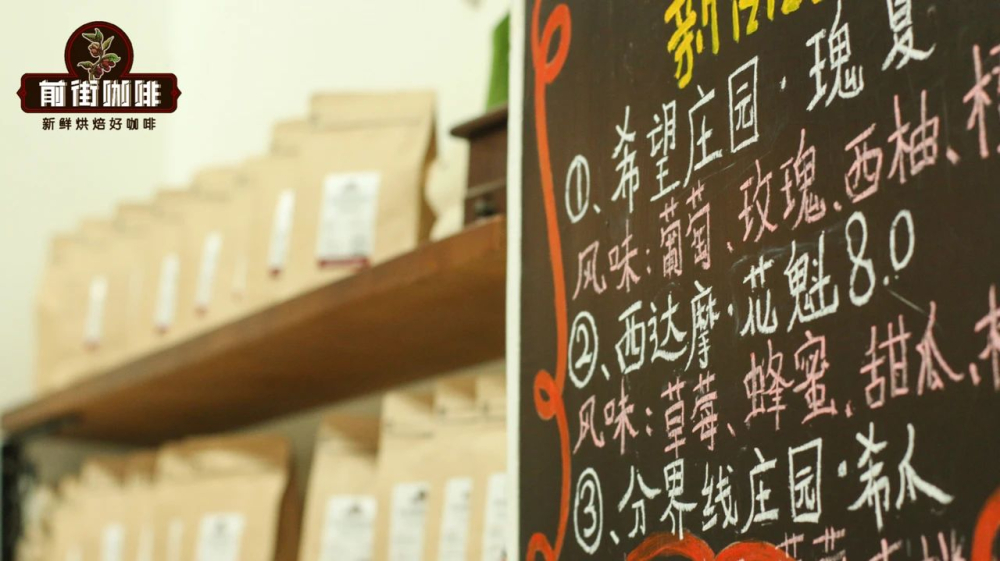
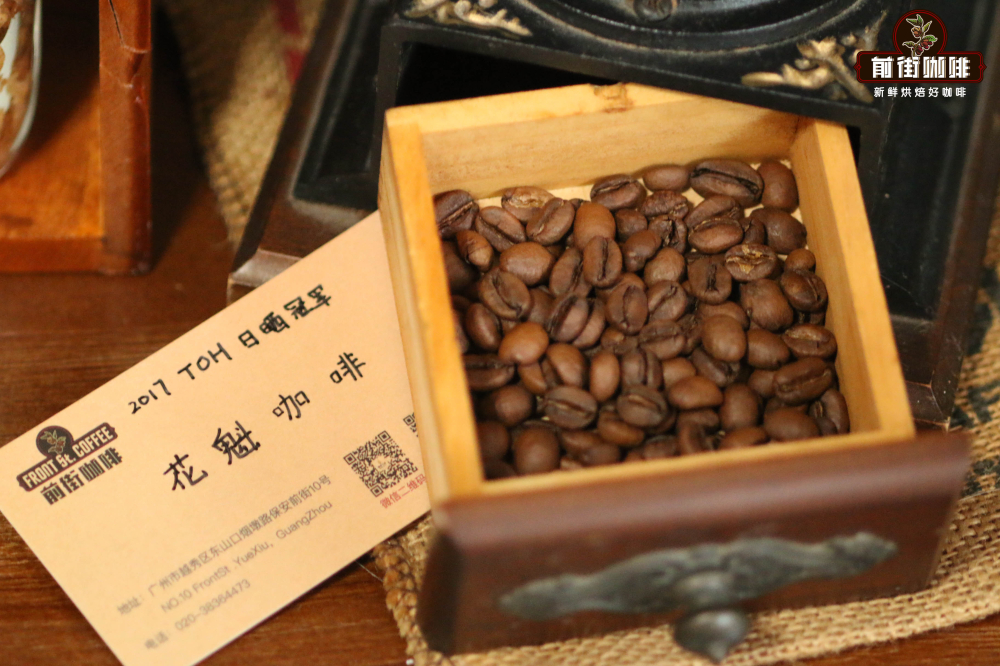
The most well-known coffee from the Guji region is the Huacai bean. This particular coffee won first place in the natural category of the TOH (Ethiopia National Taste of Harvest Competition) in 2017, impressing judges with its rich flavors of strawberry cream and berries, thereby earning the prestigious title “Huacai,” symbolizing its outstanding performance in the competition. Even before winning the championship, this natural-processed coffee from the Buku Able washing station in Hambela, Sidamo, had already made a name for itself in competitions with its abundant berry aroma and smooth mouthfeel. After winning the title, these beans were introduced to the Chinese market, quickly gaining popularity among consumers and baristas for their affordable price and captivating flavors. They later achieved fame by defeating several Geisha coffees in subsequent coffee competitions.
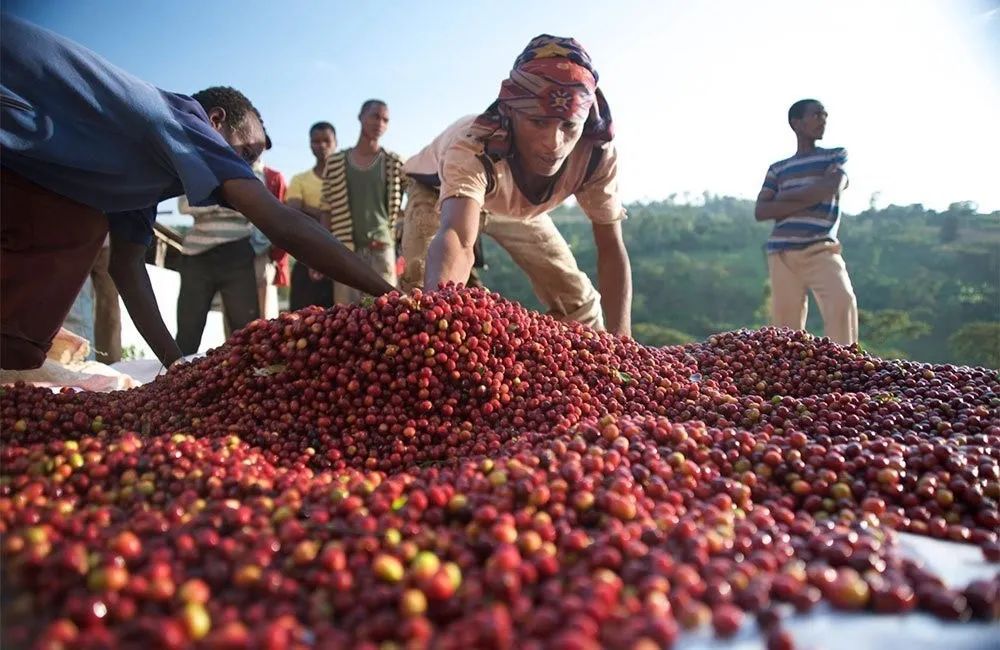
The Buku Able washing station is located in the village of Buku Abel at an altitude of approximately 2200 meters. The site enjoys a superior geographical position, surrounded by red-brown nutrient-rich soils and planted under moderate shade, allowing the coffee trees to receive ample sunlight while avoiding excessive transpiration of nutrients. The harvest season from December to January is the crucial period that determines the flavor profile of Huacai. The washing station selects only ripe red cherries with a sugar content of 30 or above and strictly enforces handpicking to ensure every coffee cherry reaches optimal ripeness.
During the processing, Buku Able employs African raised beds for sun drying, controlling the thickness of the fruit layer and ensuring continuous turning over a 24-hour period to maintain even ventilation and stable fermentation. During the initial two days of sun drying, appropriate humidity is maintained to initiate the fermentation of fruit sugars, while the cool nighttime temperatures at high altitude (around 12°C) help avoid over-fermentation. Shade is used during midday to prevent excessive sun exposure. This rigorous control allows the Huacai Natural beans to retain intense fruity aromas while developing a layered sweetness and a rich, lingering aftertaste.
Since its debut in 2017, the Huacai series has successively released versions such as 2.0, 3.0, and 3.1. Early batches featured dominant flavors of strawberry, cream, and bright acidity, with exceptional body and aftertaste. However, some batches in later years showed slight differences in flavor due to the inclusion of small-bean varieties. By 2020, the official line was divided into the 4.0 series and the Small Bean Huacai series, making it easier for consumers to identify them. Among them, Small Bean Huacai does not belong to the 【X.0】 main series but still showcases the unique character of the Guji region.
Taking Huacai 5.0 as an example, it originates from the Buku Able washing station in the Hambela area of Guji, cultivated at an altitude of 2350 meters using Ethiopian native varieties. Through a refined natural processing method, it presents intense tropical fruit and honey-like sweetness. This coffee not only performs exceptionally well in cupping but has also become the preferred choice for many pour-over enthusiasts trying Ethiopian naturals.
In terms of green bean characteristics, Ethiopian native varieties, due to their wide diversity and lack of full public classification by the government, often vary significantly in size, which adds difficulty to identification and sorting. When handling this batch of green beans, special attention was given to their relatively high moisture content. Therefore, the drying phase was extended to ensure even heating of both the bean surface and core. To highlight its floral and fruity aromas and clear acidity, a medium-light roast is recommended. This approach preserves the vibrant fruit notes while making the sweetness more concentrated.
Roasting reference as follows: Using a Yangjia 800N machine, charge 480g of beans, initial drum temperature 175°C, air damper set to 3, flame at 120. When temperature reaches 140°C, adjust air damper to 4; at around 6 minutes, when the bean surface turns yellow and grassy notes fade, indicating dehydration is complete. Subsequently, as the bean surface shows wrinkles and dark spots and distinct coffee aromas emerge, closely monitor the first crack signal. Around 9 minutes and 50 seconds, the first crack begins. At this point, fully open the air damper and reduce flame to 80. The first crack development lasts about 1 minute and 40 seconds, with the final drop at 196°C.
For cupping, it is recommended to proceed within 8 to 24 hours post-roast. Use 200ml ceramic cupping bowls, water temperature controlled at 94°C, water TDS advised to be around 150ppm, grind size preferably at 70%-75% through a #20 sieve, coffee-to-water ratio at 1:18.18 (11 grams of coffee to 200 milliliters of water), immersion time about 4 minutes. Cupping results show dry aroma carrying citrus and berry notes, while wet aroma exhibits blackcurrant and rose scents. The cup presents layers of almond, strawberry, and blackcurrant flavors, accompanied by noticeable fermentation character and a lasting sweetness.
For pour-over, it is recommended to use a V60 #01 filter, water temperature at 90-91°C, coffee dose at 15 grams, coffee-to-water ratio of 1:15, grind size approximately 77% through a #20 sieve (size of fine sugar). Suggested pour-over steps: pre-wet the filter and preheat the equipment, bloom with 30 grams of water for 30 seconds, then pour in a small circular motion to 125 grams for the first pour. When the water level drops and is about to expose the coffee bed, pour again to 225 grams before stopping. Total extraction time is about 2 minutes and 5 seconds. This method fully highlights the berry acidity, honey-like sweetness, and rich aftertaste of Huacai, delivering a cup full of layers and complexity in every sip.
In summary, the Huacai Natural coffee from the Guji region stands out in the global specialty coffee market with its unique processing technique, distinct regional terroir, and captivating sweetness. Whether you’re a beginner pour-over enthusiast or a seasoned coffee connoisseur seeking fresh flavors, this Ethiopian natural-processed specialty coffee is truly worth savoring and exploring.
The above content is compiled by CoffeeHunters, a coffee news website.


