







Introduction:Delve into the diverse flavors of Guatemalan coffee and the characteristics of its eight major regions — from the fruity acidity nurtured in volcanic soil to the clean, bright profiles showcased by washed processing. This article details the unique traits of classic regions such as Antigua and Huehuetenango, explores the flavor profile of the Geisha variety, and provides practical pour over parameters and techniques to help you extract the full potential of each coffee bean more precisely.
Guatemala’s exceptional volcanic terrain and diverse microclimates give rise to richly layered and complex coffee flavors. From the smoky, spicy notes of Antigua to the citrusy and berry-like acidity of Huehuetenango, each region showcases its own distinctive terroir. This article systematically introduces the essence of Guatemalan coffee — covering varieties, regional traits, washed processing, and the actual flavor and brewing recommendations of the Geisha variety — and offers practical pour over parameters to help you master the optimal extraction method.
Among the many factors that influence coffee flavor, variety plays a crucial role. The main Arabica varieties grown in Guatemala include Bourbon, Typica, Caturra, and Catuai. Among these, both Bourbon and Typica are ancient, high-quality varieties. Bourbon is a mutation of Typica and typically features brighter acidity and richer aromatics, sometimes with a delicate wine-like finish. The combination of these varieties makes Guatemalan coffee particularly outstanding in terms of acidity, with a full-bodied and layered mouthfeel, making it an excellent base for specialty coffee blends.
Located in Central America, Guatemala borders the Pacific Ocean to the west and the Caribbean Sea to the east, and shares frontiers with countries such as Mexico and Honduras. Its terrain is highly varied, encompassing highland volcanoes, tropical lowlands, and coastal plains. The country has over 300 microclimates, along with 34 volcanoes and abundant water sources, all contributing to ideal growing conditions for coffee. Coffee was introduced by Jesuit missionaries in 1750, and by the end of the 19th century, with the push of German immigrants, it gradually developed into a major agricultural industry, especially concentrated in the high-altitude southern regions.
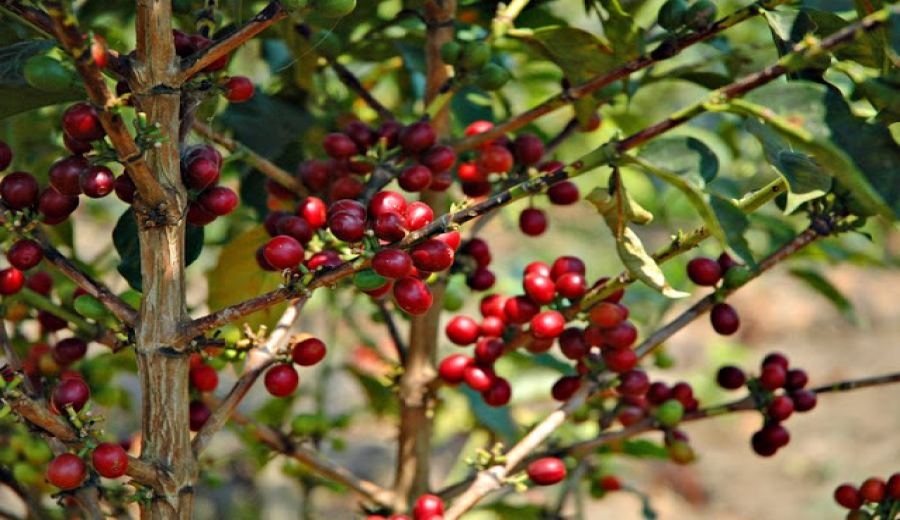
Guatemalan coffee is known for its vibrant acidity, clear aromas, and layered complexity. Common flavor notes include green apple-like acidity, berries, jasmine, citrus, green pepper, and even a hint of smokiness in the finish. These characteristics stem from its unique geographical environment: the large diurnal temperature variation at high altitudes, fertile volcanic soil, clean water sources, and moderate shading are all key elements that shape its distinct flavors.
When it comes to top-tier varieties in Guatemala, one cannot overlook the Geisha grown at Finca El Injerto. This internationally award-winning estate benefits from unique volcanic soil and a special microclimate, and its Geisha plants originate from both Panama and Malawi. Among them, the Geisha seeds from Panama originally came from the renowned Hacienda La Esmeralda and have since become one of the flagship varieties of the estate. Their auction price has even surpassed that of Pacamara, which has long been favored by the market.
Guatemala is divided into eight major coffee-producing regions, five of which are volcanic: Antigua, Acatenango, Atitlán Lake, San Marcos Volcano, and Fraijanes Plateau; the other three are non-volcanic: Huehuetenango, Cobán, and Nuevo Oriente. These regions, due to differences in climate, altitude, and soil, each exhibit distinctly different coffee personalities. For example, Antigua is known for its smoky spice notes and balanced fruit acidity, while Huehuetenango stands out with its nutty aromas and bright citrus notes derived from high altitudes.
In terms of processing methods, due to the prevalence of very hard beans at high altitudes and abundant rainfall, washed processing is the mainstream in Guatemala. This method effectively highlights the origin characteristics of the coffee, presenting a cleaner and clearer flavor profile. The steps of washed processing include: removing the skin and pulp of the coffee cherry, fermenting the mucilage-covered beans in water for about 24 hours, then rinsing with clean water to remove residual mucilage, and finally reducing the moisture content to around 12% through sun drying or mechanical drying, followed by removal of the outer parchment layer.
It is recommended to use a medium-light roast for Guatemalan coffee to preserve its floral and fruity aromas and bright acidity. For actual pour over brewing, it is advised to use a V60 filter cone, with a water temperature of 91°C and a coffee-to-water ratio of 1:15. The grind size should be medium-fine (similar to fine sugar, with about 80% passing through a #20 sieve). Specifically, it is suggested to start with a 30-second bloom using 30 grams of water to initiate the degassing of the coffee grounds, then pour in a circular motion with a slow stream until reaching 125 grams and pause, followed by pouring up to a total of 225 grams. The total extraction time should be controlled to around 2 minutes. These parameters are designed to fully showcase the delicate layers and clean finish of Guatemalan coffee.
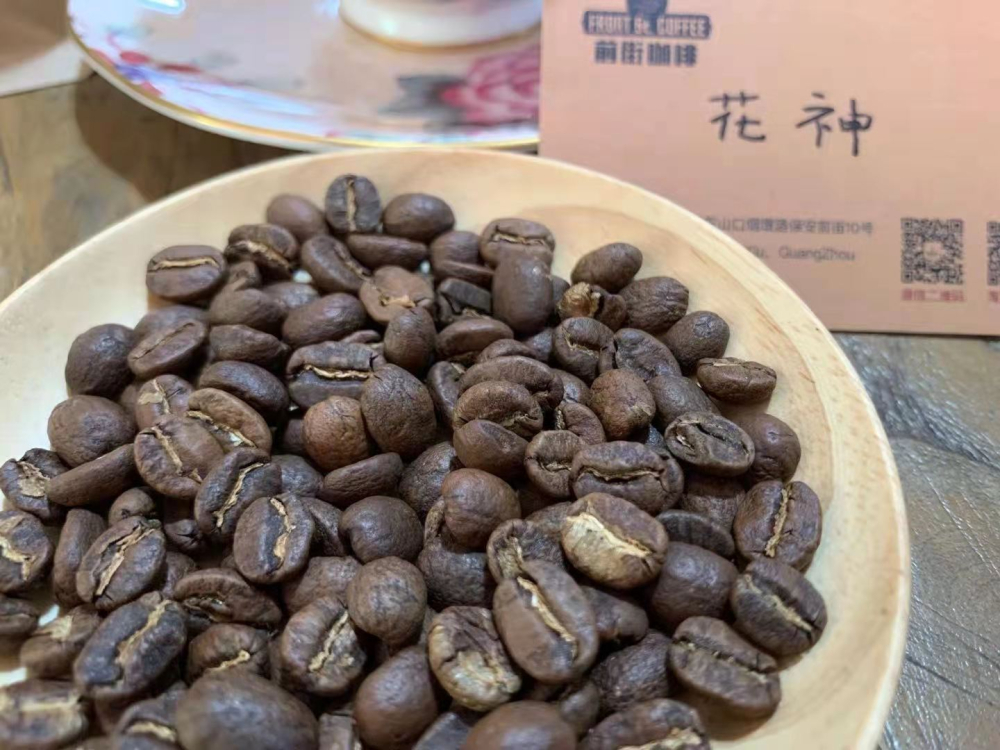
Guatemalan coffees from different regions each have their own unique characteristics: Classic Antigua coffee is known for its balanced fruit acidity, spicy notes, and a slight smoky finish; Huehuetenango displays the citrus and berry acidity unique to high altitudes, accompanied by nutty aromas in the mid-palate and a tea-like aftertaste; Flor de Café features a more refreshing berry and citrus profile, paired with a mild chocolate aftertaste, offering an overall smooth and layered mouthfeel.
It is worth noting that the freshness of coffee beans greatly impacts the final flavor. It is generally recommended to choose beans roasted within five days and allow a 4 to 7 day resting period to let carbon dioxide fully dissipate, achieving optimal extraction. If choosing pre-ground coffee, due to faster oxidation, it is advisable to use it promptly to preserve the best aroma and flavor.
The above content is compiled by CoffeeHunters, a coffee news website.


