







Introduction:Although both drip bags and instant coffee are convenient forms of coffee, they differ greatly in production methods, ingredient selection, and flavor profiles. This article provides an in-depth comparison of their fundamental differences, explains the origins of drip bags, the types of coffee drinkers they suit, the correct brewing method, and offers practical purchasing advice and shelf life information to help both beginners and daily coffee drinkers find the option that best suits them.
Many people new to coffee often ask: "Are drip bags and instant coffee the same thing?" The answer is no. Instant coffee is made by removing the water from coffee extract using special drying techniques, resulting in a soluble powder that dissolves quickly in hot water. It has a long shelf life and is easy to carry. However, to achieve a stable flavor and long-term preservation, instant coffee typically uses lower-quality coffee beans, and during processing, most of the natural aroma and flavor compounds are lost, relying mainly on artificial flavorings to mimic the taste of coffee.
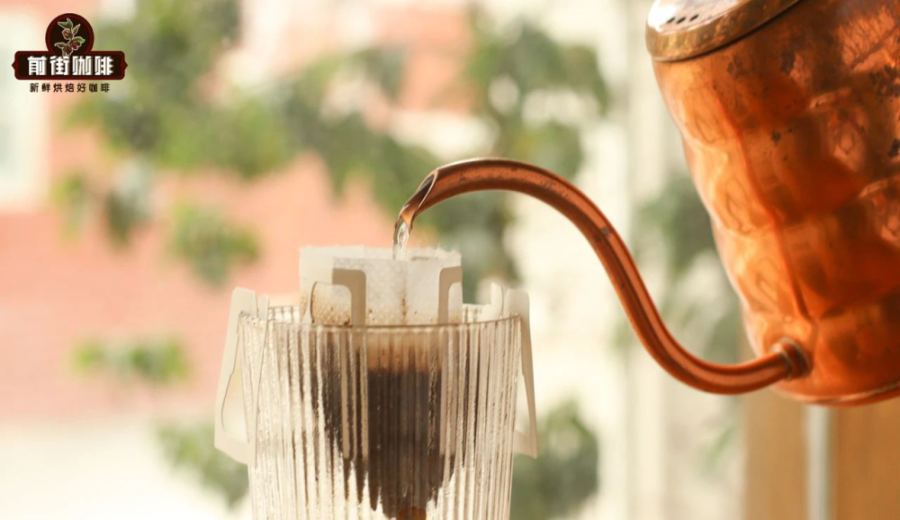
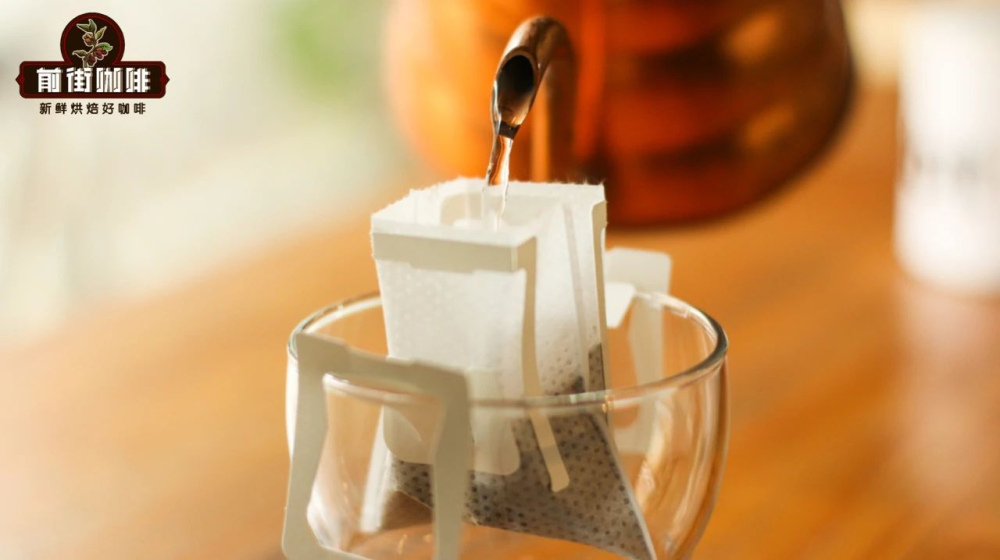
In contrast, drip bags are a simplified form of pour over coffee. They contain pre-ground coffee packed in a filter bag equipped with two expandable “ears.” Users simply hang the bag on the edge of a cup, pour hot water, and enjoy a coffee experience similar to pour over. This format preserves more of the original flavor characteristics of coffee, making specialty coffee more accessible in everyday life—allowing you to brew a great cup without complicated equipment.
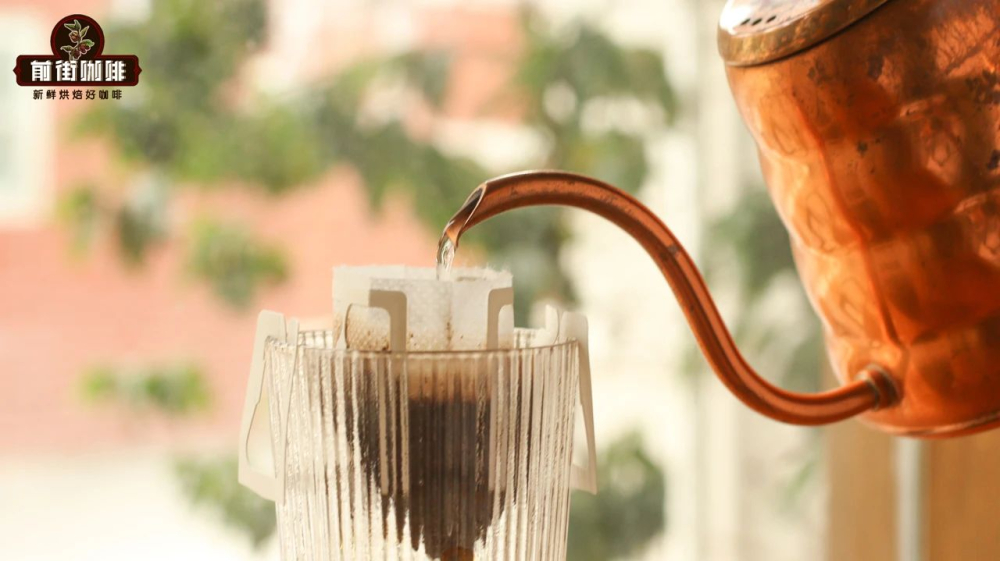
The concept of drip bags originated in Japan. In 2001, UCC Ueshima Coffee introduced the world’s first drip bag coffee and applied for a patent. In the Japanese market, this product is called “one-cup extraction type coffee.” Its design principle involves placing pre-ground coffee in a non-woven or paper filter bag, with two expandable paper supports on either side. When used, the supports are opened and hung over the cup’s rim, and hot water is poured in to complete the brewing process—simple and hygienic.
The advantage of drip bags lies in their ease of use. There’s no need to purchase a grinder, filter cone, or filter paper—just hot water is required. The structure includes a filter bag with “ears” that holds a fixed dose of pre-ground coffee, eliminating many of the preparation steps of pour over, making it highly suitable for busy individuals or those new to coffee. However, since the coffee is pre-ground, even with individual sealed packaging, the aroma will gradually dissipate over time. Therefore, it’s recommended to choose products that have been freshly produced and to consume them within about a month of purchase to enjoy the best flavor.
Can a drip coffee bag be brewed multiple times? The answer is no. Only about 30% of the substances in coffee beans are extractable, and a single brew can already fully release their essence. Adding more water will only dilute the coffee, making it weak and bland. Therefore, it’s recommended to brew a drip bag only once, following the suggested coffee-to-water ratio, to achieve a balanced taste.
For coffee beginners, selecting a drip bag that matches your personal taste is also an art. If you prefer a bold and full-bodied flavor, go for options with nutty notes and creamy textures—these coffees usually have low acidity and a rich mouthfeel. If you enjoy bright acidity, choices with citrusy notes and floral aromas can deliver a lively and refreshing taste experience. For those who like fruity and aromatic profiles, try products that highlight tropical fruit and milk-like layers—these drip bags often feature pronounced floral, mango, or berry notes.
The correct brewing method is crucial for extracting the optimal flavor from drip bags. It’s generally recommended to use 10 grams of coffee powder and a 1:15 coffee-to-water ratio, which means pouring 150 grams (about 150 milliliters) of hot water per bag. First, take the drip bag out of the packaging, tear it open along the opening, and unfold the two “ears” on the sides, then securely hang them over the cup’s rim. It’s recommended to use a straight-sided cup or one with a not-too-wide opening to ensure the drip bag stays firmly in place.
During brewing, it’s advised to control the water temperature at around 90°C, and begin with a 10-second bloom step—pouring an amount of hot water equal to the coffee powder to awaken its aroma. This step helps enhance the flavor performance of subsequent extraction. Once the coffee grounds have slightly settled, you can start pouring hot water in stages, filling the filter bag to about 80% each time, allowing the coffee liquid to slowly drip through. Repeat this process until the extraction is complete. Maintain a steady water flow throughout to avoid under-extraction due to too fast a pour, which could negatively affect the flavor layers.
It’s important to note that because the coffee is pre-ground and has a large surface area exposed to air, the aroma can easily dissipate over time. Improper storage or prolonged placement may result in a woody, aged taste. Therefore, it’s best to consume the product soon after purchase and store it in a cool, dry place, away from direct sunlight and humidity. Additionally, factors such as water temperature, flow rate, and pouring technique during brewing can all influence the final coffee flavor. It’s recommended to fine-tune the coffee-to-water ratio according to personal taste to find the brewing method that suits you best.
The above content is compiled by CoffeeHunters, a coffee news website.


