







Introduction:As the birthplace of coffee, Ethiopia is globally renowned for its distinctive floral and fruity aromas as well as bright acidity. This article takes an in-depth look at six highly representative specialty pour over coffee regions, including Yirgacheffe, Guji Dingding, Red Cherry, Hambela, Gimbi, and Kafa Forest. From altitude, processing methods to flavor profiles, it offers detailed references and practical advice to help you find the Ethiopian bean that best suits your taste.
As the cradle of coffee, Ethiopia has nurtured countless astonishing coffee varieties. Its coffees are known for their bright acidity, honey-like sweetness, and clean mouthfeel, making it a holy grail for many coffee enthusiasts. This article will guide you through six highly acclaimed specialty pour over coffee regions in the country—from the small-town flavors of Yirgacheffe to the wild forest coffees from high altitudes—each showcasing unique personalities and layers.
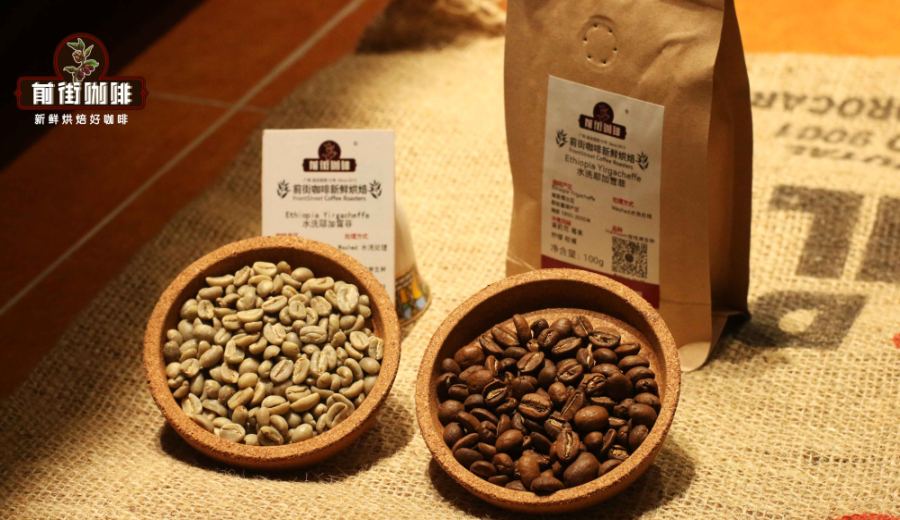
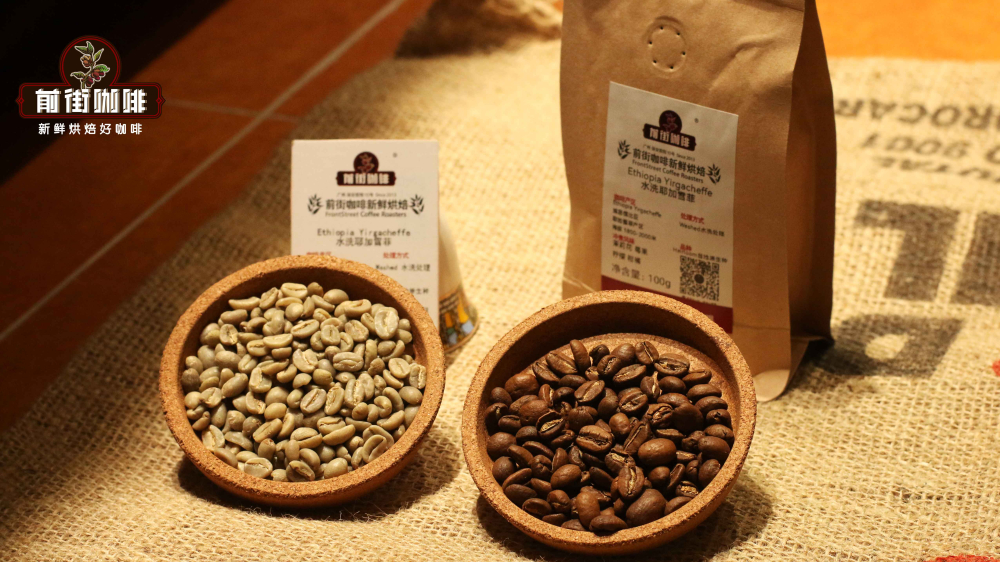
First up is a washed Yirgacheffe, sourced from a plateau town located between 1700 and 2100 meters above sea level. The cool and humid climate, often shrouded in mist year-round, contributes to its unique interplay of floral and fruity notes. The washed process highlights a refreshing acidity of citrus and lemon, paired with delicate jasmine floral tones. Upon tasting, it’s like sipping a refreshing lemon tea, with a tea-like aftertaste—making it an ideal entry-level choice for both pour over beginners and seasoned enthusiasts.
Next is the Guji Dingding Cooperative from the Wolkite region in the southeastern part of Yirgacheffe. Established independently in 2012, the cooperative emphasizes traceability and single-region characteristics. During processing, Guji Dingding removes the coffee cherry's flesh first to enhance the clarity of the beans’ inherent aromas. After washed processing, it presents refined citrus and lemon notes along with soft white floral tones. The overall flavor is bright and delicate, perfect for coffee aficionados who enjoy fresh and clean profiles.
If you prefer fruit-forward natural processed flavors, the Red Cherry Project natural from a certain brand's Yirgacheffe offering is definitely worth trying. Natural processing involves first removing defective cherries, then allowing the coffee fruit to dry in the sun for an extended period so that the sugars from the pulp fully penetrate the bean core. This Red Cherry lot features pronounced flavors with sweet layers of peach, cocoa, honey, and lemon. It has a rich yet balanced mouthfeel, making it an ideal choice for those who love sweet and fruity profiles.
Shifting to the Sidama region, a certain brand’s natural processed Hambela displays a completely different charm. Although Sidama once included Yirgacheffe and Guji, it is now independently delineated. Hambela coffee is known for its rich berry and citrus aromas, paired with a sweet mango note, creating a depth reminiscent of black tea. This coffee strikes a balance between sweet and acidic, suitable for those who enjoy complex flavors without excessive intensity. Medium-light roasting is especially recommended to preserve its nuanced layers.
Also from Sidama, the Hambela washing station has consistently stood out in domestic and international green bean competitions thanks to its excellent quality and stable performance. Hambela mainly uses disease-resistant varieties from the JARC-released 74 series, among which the 74158 variety, though small in bean size, is particularly notable for its floral and fruity aromas. A certain brand’s Hambela 74158 coffee exudes enticing scents of perfumed lemon, strawberry, and starfruit. Upon tasting, the sweet notes of strawberry and starfruit come through immediately, followed by a delicate floral finish. It’s a highly distinctive specialty bean.
Finally, one must not miss the wild coffee from the Kafa Forest. Unlike conventionally farmed coffee, the coffee trees in Kafa Forest grow at altitudes between 1400 and 2100 meters in shaded environments, relying on pristine microclimates, red soil, and abundant rainfall to develop unique wild flavors. A certain brand’s Kafa Forest coffee is medium-light roasted, and even upon grinding, a distinct white floral aroma can be detected. The cup reveals a refreshing lemon acidity, followed by layers of sweet orange and bergamot, with a lingering finish of subtle melon and nut tones. The overall mouthfeel is as clean as green tea, making it a must-try for coffee lovers seeking something truly special.
In summary, Ethiopia’s six specialty pour over coffee regions each offer their own unique character. Whether you’re a beginner just starting out or a seasoned coffee enthusiast looking for new challenges, you’ll find the perfect match here. From the freshness of washed to the richness of natural, from high-altitude single-origin lots to the mysterious flavors of wild forests—this homeland of coffee always has new surprises waiting to be discovered.
The above content is compiled by CoffeeHunters, a coffee news website.


