







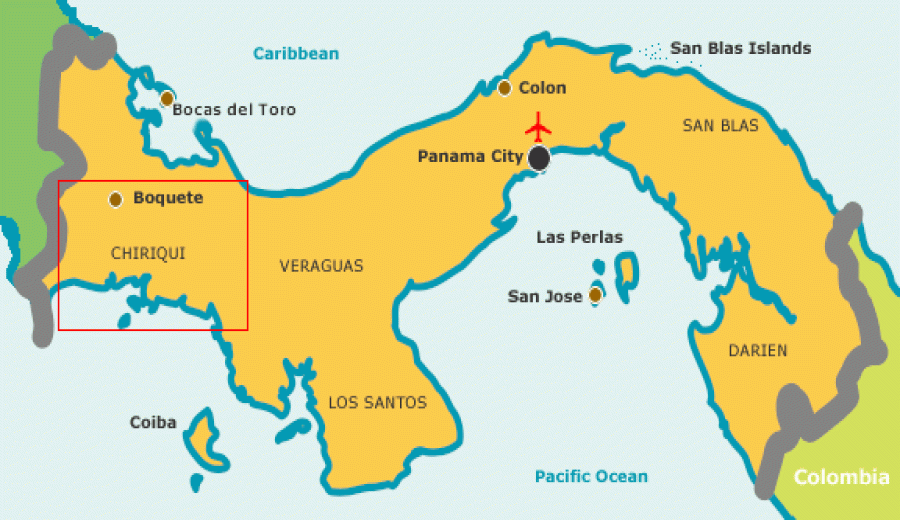
Introduction:As an important origin of specialty coffee in Central America, Panama is globally renowned for its Geisha variety, which is celebrated for its unique floral and fruity aromas as well as bright acidity. This article delves into the natural conditions of core producing regions such as the Boquete Valley, analyzes the flavor profiles of washed Geisha and the red and green labels from Hacienda La Esmeralda, and provides a detailed guide to crafting SOE flat whites—from grind settings to milk steaming techniques—to help you master professional-level brewing essentials.
Though a small country in Central America, Panama holds a pivotal position in the global specialty coffee arena. Of its approximately 20,000 hectares of coffee cultivation, nearly 16,000 hectares are planted with Arabica varieties, primarily concentrated in the volcanic regions of Chiriquí Province in the west. Among these, the Boquete Valley, with its mineral-rich volcanic soil and cool climate averaging 18–22°C, nurtures coffee beans with bright citrus acidity and vibrant tropical fruit notes, making it the ideal stage for showcasing the Geisha variety.
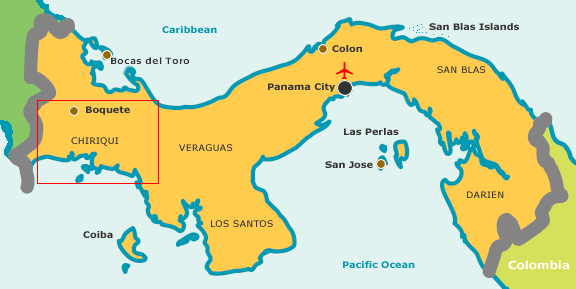
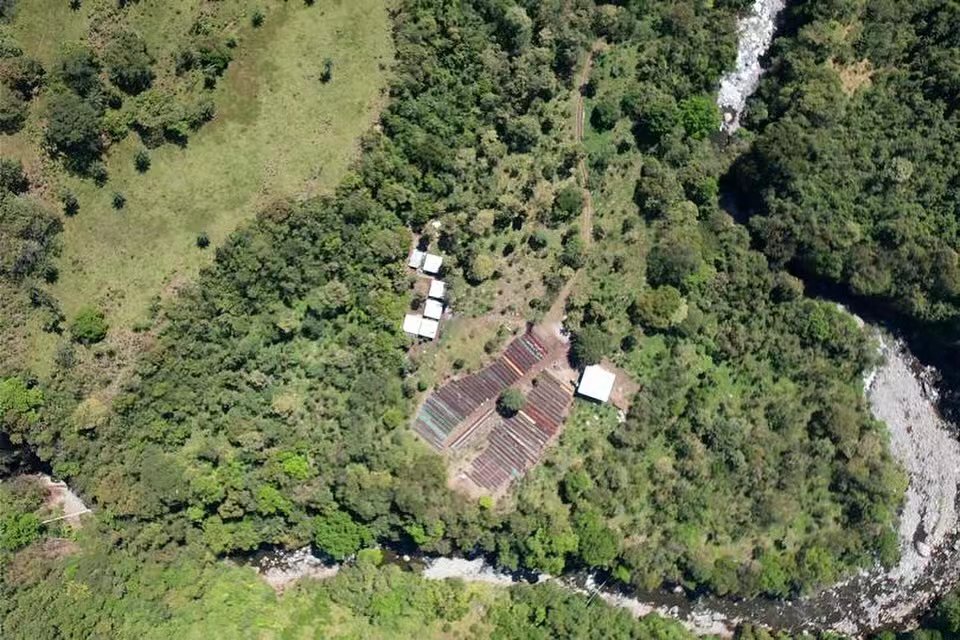
Chiriquí Province boasts four renowned producing regions, including Boquete and Volcán, all surrounding the 3,475-meter-high Barú Volcano and sharing a unique microclimate. Within the approximately 514-square-kilometer Boquete Valley, over a hundred coffee farms are scattered across elevations generally ranging from 1,600 to 1,800 meters. The volcanic ash soil, rich in potassium and phosphorus, combined with daily morning mist and occasional light rain, allows coffee cherries to ripen slowly, accumulating exceptional flavor compounds.
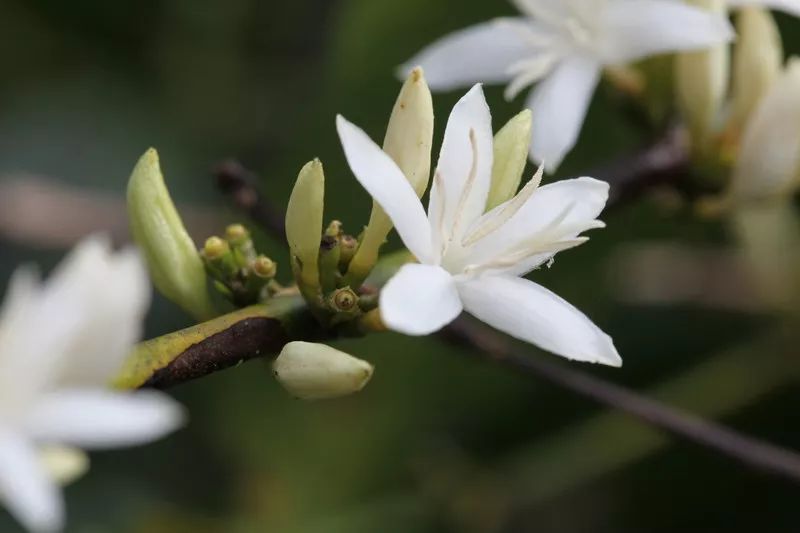
Local coffee farmers employ shade-grown cultivation techniques, preserving native trees to maintain ecological balance while moderating sunlight intensity to extend the development period of green beans. Notably, the microclimatic variations in the Boquete region are significant—coffee grown on sunlit slopes versus shaded areas of the same hillside often exhibits differing levels of sweetness and aroma complexity, which is why professional buyers pay close attention to the specific plot of origin.
When discussing Panamanian coffee, one must mention the Geisha variety, which disrupted the industry landscape in 2004. This ancient lineage originating from Ethiopia was initially overlooked due to its low yield and susceptibility to disease, until it won the BOP competition with its explosive aroma of white jasmine, blueberries, and pu’er tea, instantly becoming a legend in the specialty coffee world. Today, washed Geisha from Boquete, when roasted to medium-light levels, presents a harmonious combination of lemon peel, peach, and green tea notes, with lively yet non-harsh acidity and a honey-like, lingering sweetness in the aftertaste.
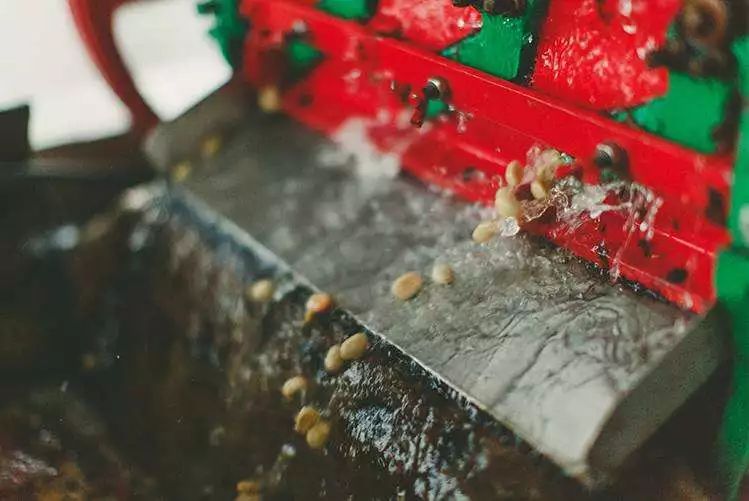
As the discoverer of the Geisha variety, Hacienda La Esmeralda’s red label is sourced from single lots at elevations of 1,650–1,800 meters, showcasing an exquisite jasmine and citrus profile after meticulous washed processing. The green label blends Geisha from various altitude batches, resulting in a more rounded flavor suited for everyday drinking. Consumers can preliminarily assess the quality of the processed batch by observing the degree of silver skin attachment on the green beans and differences in roast color.
For beginners looking to replicate café-quality Geisha flat whites at home, the following professional parameters are recommended: use 20 grams of medium-ground (roughly French press coarseness) Geisha coffee beans, extracted with 92–94°C hot water for 26–32 seconds, aiming for 40 grams of concentrated liquid. Specifically, begin with a small amount of hot water (about 30 ml) for a 30-second bloom, then apply the remaining water in stages, paying attention to the expansion of the coffee bed and consistency of flow rate.
The milk steaming step is crucial: use fresh milk with a fat content of 3.2%–3.8%, strictly controlling the milk pitcher temperature between 55–60°C, with foam density sufficient to maintain the microfoam crown shape for about 3 seconds without collapsing. A steam wand with a diameter of 7–8 mm is recommended. First, inject a small amount of air to create fine bubbles (about 15% of the total volume), then evenly heat the milk using an “8”-shaped motion path. Finally, mix while maintaining a coffee-to-milk ratio of 1:3.75 to achieve a balanced sweet-and-acidic profile.

The ideal flavor profile of the final cup should feature a three-phase experience: an initial dominance of citrus and white floral notes, a middle phase of creamy honey sweetness, and a finish with a caramelly aftertaste that rounds out the cup. Common mistakes include under-extraction leading to sharp acidity, excessively high milk temperature that disrupts tropical fruit aromas, or over-frothing that results in large bubbles affecting mouthfeel smoothness. It’s advised to practice repeatedly to master the delicate balance of coffee-to-water ratio and steam pressure.
The above content is compiled by CoffeeHunters, a coffee news website.


