








Introduction:Panama Geisha coffee beans are renowned for their distinctive floral aroma and tropical fruit flavors, and the Hacienda La Esmeralda estate has been a key force in bringing this coffee onto the world stage. This article will delve into the origin background of Geisha, its varietal evolution, flavor differences across various producing regions, as well as how to bring out its most captivating layers of complexity and aromatic expression through suitable roasting and pour over methods. It is an essential guide for specialty coffee enthusiasts and flavor explorers.
Geisha (Geisha) coffee beans, with their delicate floral notes and vibrant tropical fruit character, have long been a focal point of global specialty coffee. Among them, Panama’s Hacienda La Esmeralda has propelled this variety onto the international stage, earning numerous international competition accolades with its exceptional flavor profiles. This article will not only introduce the physical appearance and aromatic features of Geisha green beans, but also trace its varietal origins, planting evolution, and analyze flavor variations across different regions, helping coffee lovers gain a deeper understanding of the unique charm of this star coffee bean.
Represented by Hacienda La Esmeralda, common Geisha green beans often exhibit a pleasant bluish-green hue with a delicate touch, reminiscent of high-quality jade. A light sniff reveals not only the common fresh grassy notes and sweet peach-like aromas, but also a hint of soft creamy scent similar to oolong tea — a unique aromatic layering that many other coffee varieties struggle to deliver. Although some of these aromas may require association to be fully recognized, the faint yet impressive tea-like undertones are truly memorable.

To fully showcase the multi-layered aromas and taste of Geisha, it is recommended to roast it to a level approaching the start of the second crack. Particularly within the range from the beginning to the middle of the second crack, this roast degree can effectively balance acidity and sweetness, fully releasing its hidden floral, fruity, and tea-like nuances. It should be noted that under-roasting may cause unpleasant off-flavors to emerge, while over-roasting can lead to a significant loss of the originally delicate floral notes and bright fruit acidity. Therefore, mastering the heat and roasting rhythm is key to unlocking Geisha’s potential, and roasters are advised to fine-tune based on the condition of the green beans.
A high-quality Panama Geisha typically presents delicate floral notes, rich tropical fruit character, and a long-lasting sweet aftertaste. Its flavor layers are distinct, with a smooth mouthfeel and a lingering finish, making it especially suitable for brewing via pour over, which can fully highlight its complex and nuanced layers of change, allowing drinkers to experience the different aromas and flavor transitions brought by each stage of extraction.
Under ideal roasting conditions, the experience of drinking Geisha is like being immersed in a field of flowers, with fresh and soft aromas gently caressing the taste buds. But do you know that Geisha actually did not originate in Panama, but was first discovered as an ancient heirloom variety in Ethiopia? Later, it was taken as a research sample to the coffee experimental farm in Costa Rica, and then distributed to other small farms for small-scale trial planting. However, for a long time, Geisha did not receive much attention until it stood out at Hacienda La Esmeralda in Panama, winning the national coffee competition’s top prize with its unique fruity and floral characteristics, which then drew global attention.
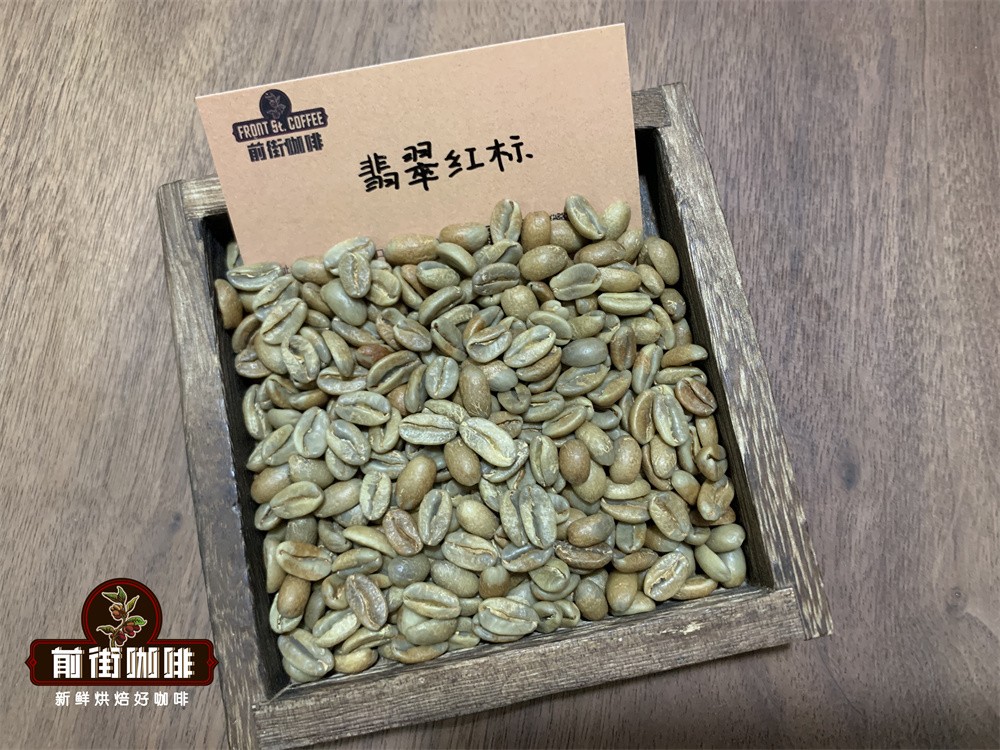
The reason why Geisha can exhibit a refreshing fruity tone and floral nuance similar to Ethiopia’s Yirgacheffe is inseparable from its genetic background. However, as more and more small farms introduce the Geisha variety and attempt to grow their own styled versions, actual expressions vary due to differences in altitude, climate, and soil conditions. Among them, the Geisha from the Acatenango region still retains the most representative characteristics: including its slender bean shape, unique reactions during roasting, and the elegant and refreshing flavor profile presented in cupping — making it one of the exemplary representations of Geisha quality.
Overall, understanding the varietal background of Geisha, the appropriate roast level, and using the correct extraction method is an essential journey for every coffee enthusiast exploring this star bean. Whether you’re a beginner just starting out or an experienced coffee aficionado, gaining a deeper understanding of Geisha can bring you further appreciation and enjoyment of the aromas and layers found in specialty coffee.
The above content is compiled by CoffeeHunters, a coffee news website.


