







Introduction:Want to learn about Ethiopia’s most iconic Yirgacheffe Wukro coffee? This article delves into its unique jasmine floral notes, regional geographical advantages, primary cultivated varieties, and details the evolution from washed to natural processing methods. It also includes practical pour over and extraction parameters to help you fully grasp the charm and characteristics of this classic African specialty bean.
Yirgacheffe Wukro is an exceptionally representative coffee region in Ethiopia, renowned worldwide for its distinctive jasmine, citrus, and tea-like flavors. Originally part of the Sidamo province, its uniquely exceptional flavor and outstanding quality eventually led it to stand out as an independent region, now regarded as a model of African specialty coffee. This article not only introduces its regional environment and varietal background but also provides a detailed analysis of the evolution of both washed and natural processing methods, along with practical flavor profiles and brewing suggestions to give you an in-depth understanding of this captivating coffee.
Yirgacheffe is located in the northwest of Ethiopia’s Sidamo province. Although it was originally under the jurisdiction of Sidamo, its unique terrain and pleasant climate gradually nurtured highly recognizable flavor profiles. This led local farmers to take pride in producing coffee with “Yirgacheffe characteristics,” which in turn propelled the area to be upgraded to an independent coffee-producing region. The region generally features high altitudes, ranking among the highest in Ethiopia’s many coffee-growing areas. Such geographical conditions have a decisive impact on developing bright acidity and delicate aromas.
The area is surrounded by mountains and dotted with lakes, enjoying mild year-round weather similar to spring—cool breezes in summer, abundant yet not humid rainfall, and rarely any severe cold in winter—creating a microclimate highly suitable for growing Arabica coffee trees. Most coffee trees are planted in local residents’ home gardens or intercropped with other crops, following a small-scale, family-oriented farming model. Though yields are not large, careful management and ecological diversity allow for the production of layered, aromatic coffee beans rich in flavor.
When it comes to the “Yirgacheffe taste,” the most classic description is bright lemon acidity, soft sweetness reminiscent of peach and almond, coupled with a delicate tea-like mouthfeel, along with intense jasmine and dried blueberry aromas. Especially at the dry aroma stage, the scent of blueberries often stands out prominently, and once ground, the fresh fruity fragrance can be sensed throughout the room. If you’re just starting to explore single-origin coffee, experiencing this refreshing yet layered flavor is an excellent introduction to specialty coffee.
In terms of the evolution of processing methods, Yirgacheffe Wukro initially used Ethiopia’s most traditional natural (dry) processing method. However, in 1972, to improve overall coffee quality and consistency, the region introduced washed processing technology originating from Central and South America. This significantly enhanced the coffee’s cleanliness and made the expression of citrus and jasmine floral notes clearer and more refined. As a result, Yirgacheffe rose to the ranks of world-class specialty coffees, with the introduction of washed processing playing a crucial role.
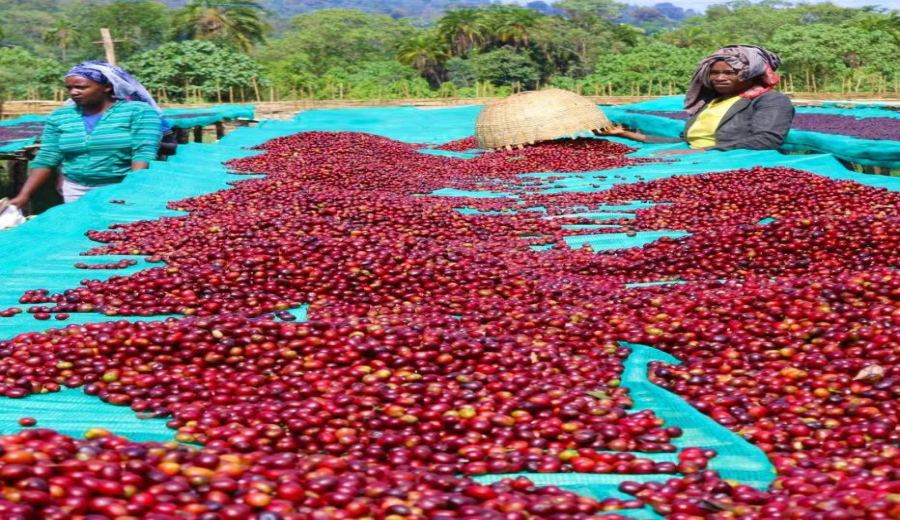
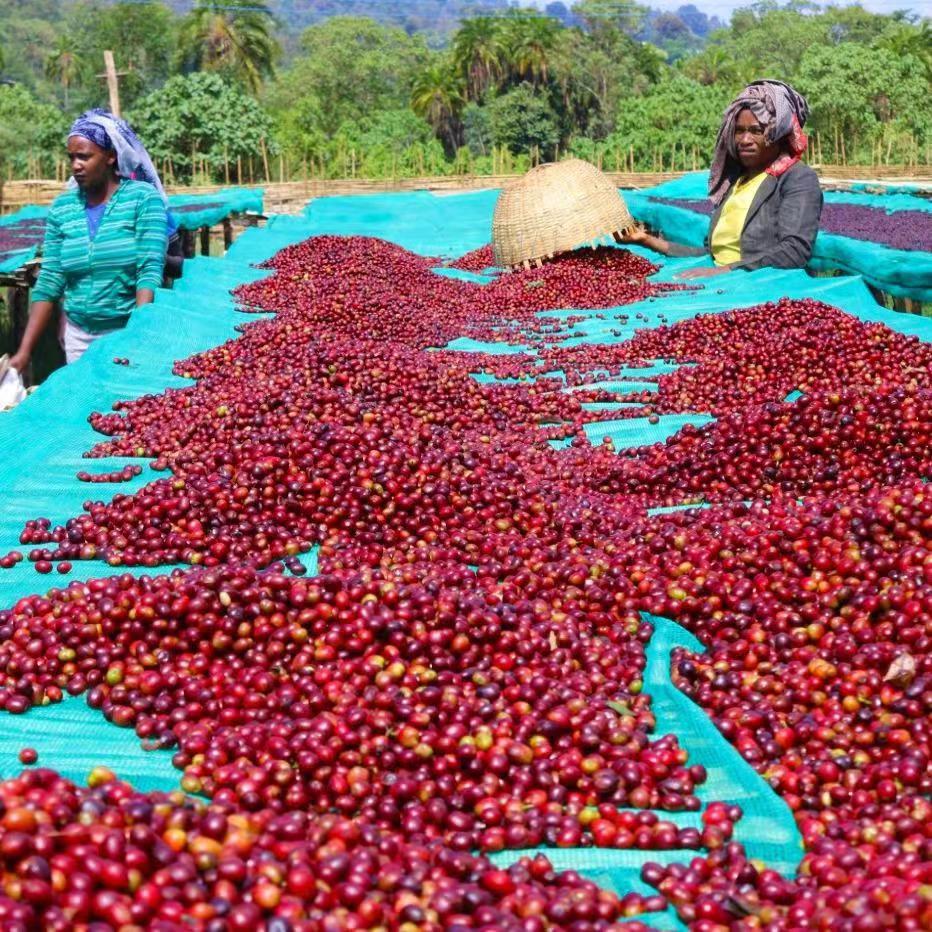
Since the 1970s, washed processing has become the mainstream method for Yirgacheffe, but in recent years, naturally processed Yirgacheffe has once again captured market attention. The production process of modern natural beans is now more rigorous—only fully ripe red cherries are selected during harvest, and unripe green cherries and defective beans are manually removed before drying. Over the two-week sun-drying period, continuous monitoring is required to remove moldy or damaged coffee cherries, ensuring that only the highest-quality fruits proceed to further processing. Once the sugars and flavor compounds in the pulp have fully penetrated the beans, the moisture content is reduced to around 12%. The beans are then mechanically depulped, mucilage and parchment are removed, followed by density grading and visual sorting. Finally, experienced workers visually inspect and remove defective beans to ensure the final product is pure, free of impurities, with intense and fruity flavors.
This multi-layered and strictly controlled processing procedure is the key reason why modern natural Yirgacheffe can exhibit clean, sweet, and distinctly layered flavors. If you prefer coffee with strong fruitiness and pronounced sweetness, try the natural version of Yirgacheffe and contrast its flavors with the floral and tea-like notes of the washed version to better appreciate the diverse charm of Ethiopian coffee.
The above content is compiled by CoffeeHunters, a coffee news website.


