







Introduction:Want to dive deeper into the unique characteristics of Ethiopian Yirgacheffe's Sidamo region? This article provides an in-depth look at the geography and microclimates of its renowned sub-regions, Guji and West Arsi, and how they influence flavor profiles. It also explores the origins and traits of the Huacai variety. Additionally, it breaks down the differences between washed and natural processing methods, paired with practical pour over parameters and flavor comparisons to help you fully grasp the essence of this specialty coffee haven.
Sidamo is a renowned specialty coffee region in the southern highlands of Ethiopia, often mentioned alongside Yirgacheffe, particularly celebrated for its naturally processed Huacai coffee. The area encompasses two major sub-regions, Guji and West Arsi, with elevations generally ranging from 1400 to 2200 meters. Due to its complex terrain, diverse microclimates, and cultivation of mostly local heirloom varieties, Sidamo coffee offers remarkable flavor diversity. This article will delve into Sidamo’s geographic and climatic background, key regional features, the evolution of the Huacai variety, as well as the impact of washed and natural processing methods. Practical pour over recommendations and flavor characteristics are also provided to help coffee enthusiasts better understand this fascinating region.
Ethiopia is considered the birthplace of coffee and boasts the world’s richest coffee gene pool, with many popular varieties originating here. Both Sidamo and Yirgacheffe are representative of the country’s specialty coffee, and both are available with either washed or natural processing. However, Yirgacheffe is famed for its washed coffee, while Sidamo has gained widespread attention for its naturally processed Huacai coffee. The two types of Sidamo beans sold in the industry are both naturally processed, sourced respectively from the Hambella area of Guji and the smallholder farming systems of West Arsi.
Sidamo green beans have a grayish appearance and vary in size. Their acidity and body exhibit great flexibility, featuring both bright fruit acids and soft sweetness, along with delicate floral and herbal aromas. Compared to other African regions, Sidamo coffee tends to have clearer fruit acidity and a smoother mouthfeel, making it a top choice for many beginners and advanced coffee enthusiasts alike.
Overview of the Sidamo Region
Sidamo is located in the southern part of Ethiopia, bordering the Arsi and Bale administrative regions to the east and Gamogofa to the west. Its overall elevation ranges between 1400 and 2000 meters, forming an important coffee-growing belt around the East African Rift Valley. The local climate is primarily influenced by high-altitude rainforests, with annual rainfall of about 1000 to 2000 millimeters and average temperatures ranging from 15 to 30°C—conditions highly favorable for coffee growth. The high altitude not only reduces pests and diseases but also slows the ripening process of coffee cherries, allowing more time for flavor compounds to develop.
Guji Region: The Birthplace of Huacai
Guji was once part of Sidamo but was designated as an independent region by the Ethiopian Commodity Exchange (ECX) in 2010. Located southeast of Yirgacheffe, the area features diverse terrain, including high mountains, deep valleys, and expansive plains. The soil is predominantly fertile black clay (Vertisol), reaching nearly two meters in depth, with an average elevation exceeding 1800 meters. Significant diurnal temperature variations, combined with excellent drainage, provide ideal growing conditions for specialty coffee.
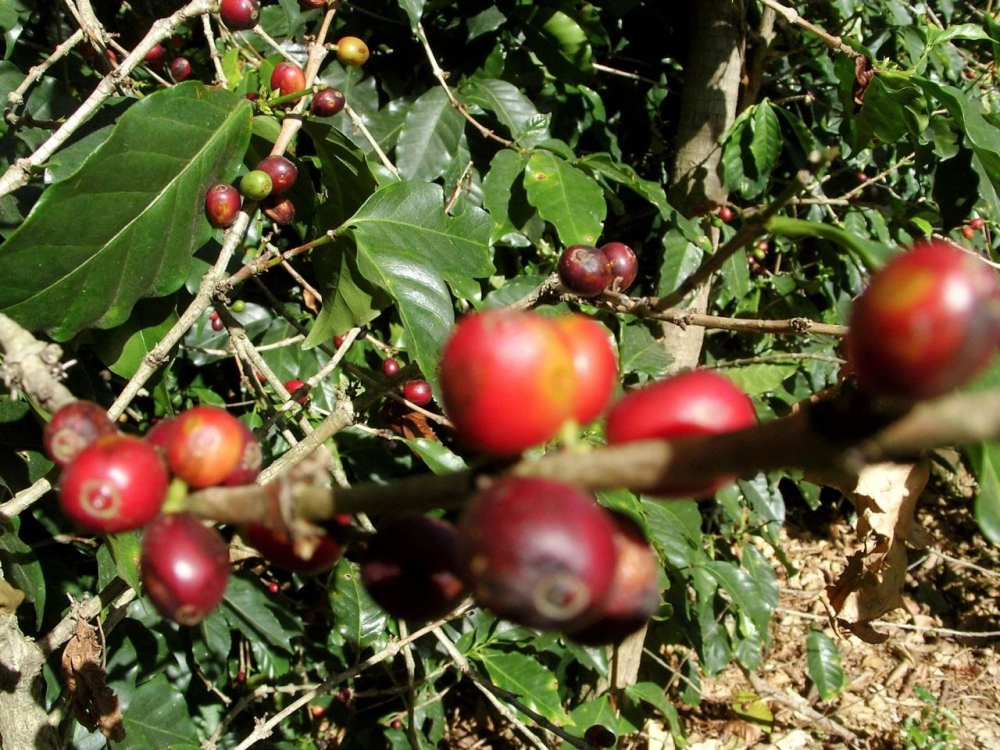
The most well-known sub-region of Guji is Hambella, which is also the birthplace of Huacai coffee. Hambella is situated in a high-altitude zone, surrounded by several notable micro-regions, and is one of the highest coffee-growing areas in Ethiopia. In 2017, a natural lot from the local “Buku Abel” processing station won the TOH (the Taste Of Harvest) green bean competition with its intense strawberry and cream aromas. Later introduced to China by Hongshun, it earned the name “Huacai” due to its outstanding performance in brewing competitions. Since then, Hongshun has continued to source coffee from this processing station, releasing subsequent versions such as Huacai 2.0 and 3.0, all based on the natural beans from the “Buku Abel” station.
Huacai coffee is grown at elevations exceeding 2000 meters, surrounded by shade crops like sugarcane and bananas. Its flavor varies slightly each year due to subtle climate changes. It is named according to the year, such as Huacai 2.0 in 2018, 3.0 and 3.1 in 2019, up to Huacai 6.0 in 2022. Now, Huacai 8.0 has also been released, becoming a favorite daily drinker for many coffee enthusiasts.
West Arsi Region: A Model of Smallholder Precision Farming
West Arsi is located in the western part of Sidamo, nestled between Yirgacheffe and Hararghe, with elevations ranging from 1900 to 2200 meters. The region’s name originates from the Oromo people, a major ethnic group in the area who are considered among the earliest coffee drinkers in human history and have had a profound influence on Ethiopian coffee culture.
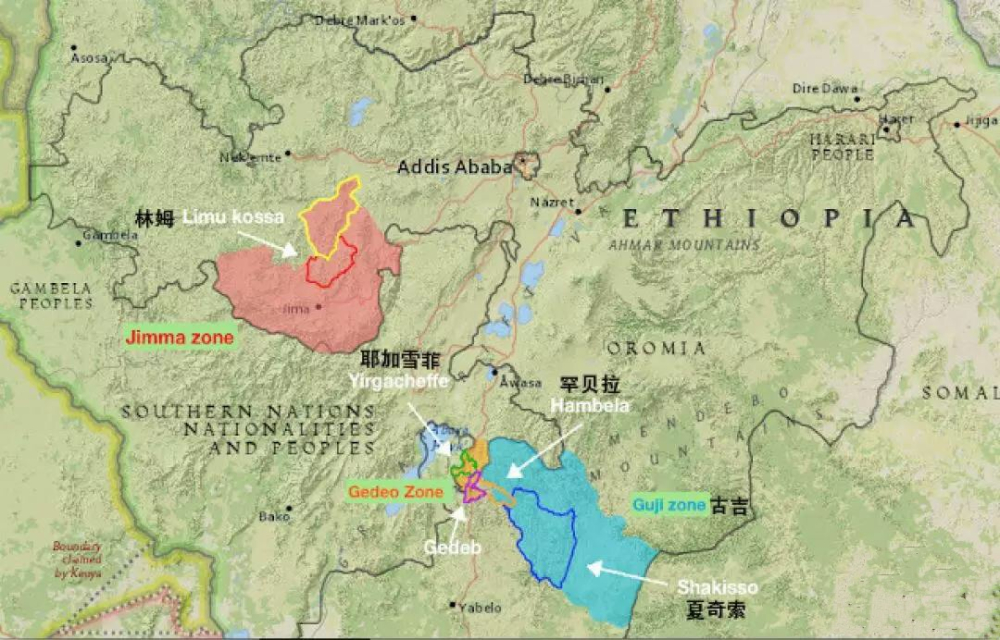
West Arsi consists of three administrative zones: Arsi, Bale, and East Shewa, with approximately 88.52% of its residents being Oromo. Coffee here is predominantly cultivated by smallholders, with each farm averaging about 2 to 3 hectares in size—though modest, this is slightly larger than the typical Ethiopian smallholder farm of 1.5 to 2 hectares. Smallholders often handpick red cherries using family labor and are motivated by processing stations to improve quality. Although the techniques are still developing, quality control awareness is gradually strengthening, laying a foundation for future improvements.
Huacai Variety: The Diverse Charm of Heirloom Coffee
The variety used in Huacai belongs to Ethiopia’s common “Heirloom” heirloom type. These are not a single variety but a mix of various coffee trees from different smallholders and regions, uncategorized. Due to diverse origins and casual cultivation practices, each batch of beans varies in size and shape, resembling a “blend medley” in the coffee world. Yet, it is precisely this diversity that brings unexpected flavor surprises with each harvest and processing.
Processing Method Differences: Flavor Distinctions Between Natural and Washed
Sidamo coffee commonly employs either natural or washed processing methods. Washed processing involves removing the pulp, fermenting, washing, and drying, emphasizing the bean’s inherent citrus acidity and bright floral notes. Natural processing, on the other hand, relies on sun-drying the coffee cherries directly, preserving more pulp sugars and resulting in intense fruitiness and a rich mouthfeel. Typically,naturally processed Sidamo coffee exhibits floral and fruity aromas with a hint of earthiness, offering a smooth texture and prominent sweetness.;washed processing, meanwhile, highlights more nutty tones, slight cocoa notes, and brighter, crisper acidity.Both are suitable for light to medium roasts as single origins, while medium to dark roasts can serve as bases for blends or espresso.
Pour Over Recommendations and Flavor Profiles
For lightly roasted Sidamo coffee, it is recommended to use a V60 filter, with a water temperature of around 90°C, a coffee-to-water ratio of 1:15, 15 grams of coffee, and a grind size passing 80% through a Chinese No. 20 standard sieve. Use a staged extraction method: start with 30 grams of water for a 30-second bloom to release CO₂; then pour in small streams up to 125 grams, followed by a final pour to 225 grams before stopping. The total extraction time is about 2 minutes. Enjoy once the dripping from the filter has finished.
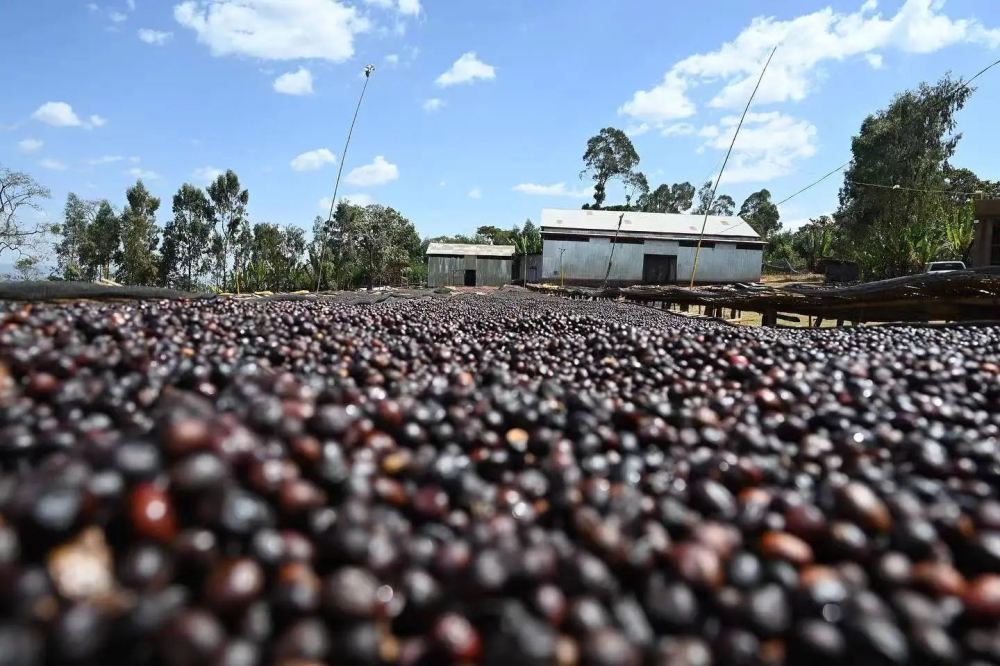
[Flavor Profile of Naturally Processed West Arsi Coffee]: Features pronounced berry and honey aromas, with an entrance sweetness as rich as jam, a finish that offers the juiciness of nectarine and plum, and more concentrated flavors as it cools.
[Flavor Profile of 2025 New Crop Huacai Coffee]: Highlights fruity and floral notes, with citrus, passionfruit, strawberry, and oolong tea aromas. It has high sweetness and bright acidity, with a rich and layered flavor profile.
Overall, the naturally processed coffee of West Arsi delivers especially enticing jam and honey aromas when hot, with more pronounced juiciness upon cooling. Huacai, on the other hand, showcases a more tropical fruit character, with a sweet-and-sour interplay and slightly stronger fermentation notes—ideal for those who enjoy bold, expressive flavors.
The above content is compiled by CoffeeHunters, a coffee news website.


