







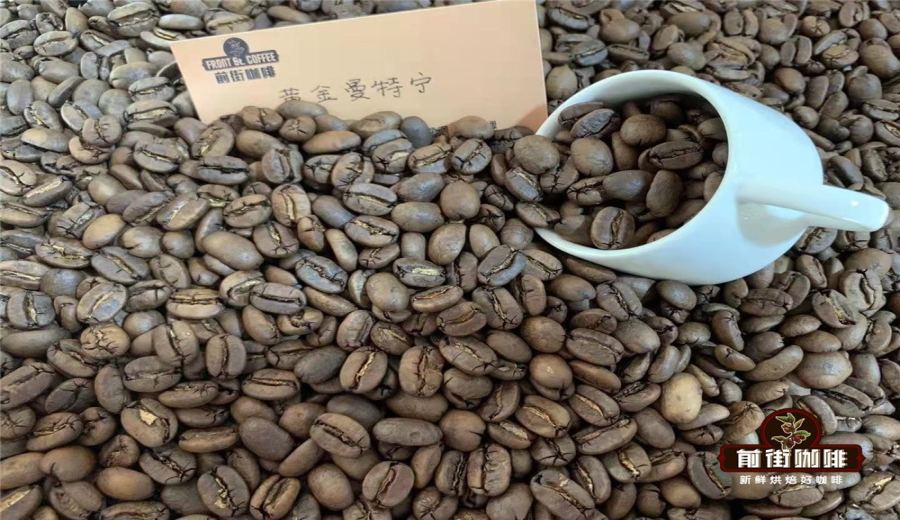
Introduction:Indonesian Mandheling coffee is renowned for its full body, low acidity, and rich herbal aroma. The key to its distinctive profile lies in the unique wet-hulling process. This article delves into this special technique originating from Sumatra, explaining how it was born in the region’s high temperature and humidity, and how it contributes to Mandheling’s signature pine, nut, and chocolate flavors. We will also compare the regional differences and flavor characteristics of Lintong and Golden Mandheling, along with providing practical pour over parameters to help you fully explore the charm of this classic Asian coffee.
When it comes to Indonesian coffee, most people think of "Mandheling" first. This coffee, known for its bold flavor, low acidity, and unique herbal and spicy notes, owes its place in the specialty coffee market largely to the "wet-hulling process." This special method not only emerged as an adaptation to Sumatra’s extreme climate—hot, humid, and with limited sunlight—but also directly shaped the unforgettable flavor profile Mandheling is known for today.
How did the wet-hulling process come about?Indonesia, especially the island of Sumatra, experiences year-round humidity, long rainy seasons, and frequent typhoons, making it difficult to secure the consecutive sunny days required for washed processing or the stable drying conditions needed for natural sun-drying. Under such challenging conditions, traditional processing methods are nearly impossible to implement. With average humidity levels in Sumatra consistently ranging between 70% to 90%, and heavy rainfall during the coffee fruit ripening period, direct sun-drying can easily lead to mold or over-fermentation. Meanwhile, the washed method’s demand for large amounts of clean water and drying facilities is a major burden for many smallholder farms. As a result, the "wet-hulling process"—a technique that combines elements of washed and semi-dried processing followed by the removal of the parchment layer—emerged as the standard for Sumatran coffee.
The general process of wet-hulling is as follows: First, harvested coffee cherries undergo flotation to remove unripe and defective beans, then the outer skin and pulp are removed using a pulper, leaving the mucilage and part of the parchment intact. After a short fermentation, the beans are washed. Next, the beans, still wrapped in their parchment, are sun-dried for 1 to 2 days to reduce moisture content to around 30% to 50%. At this stage, the beans are still considered "semi-dry." They are then processed with a specialized machine to remove the not-yet-fully-dried parchment and inner skin. Finally, the exposed green coffee beans are further dried to reach a moisture level of about 12% to 13%, completing the entire process.
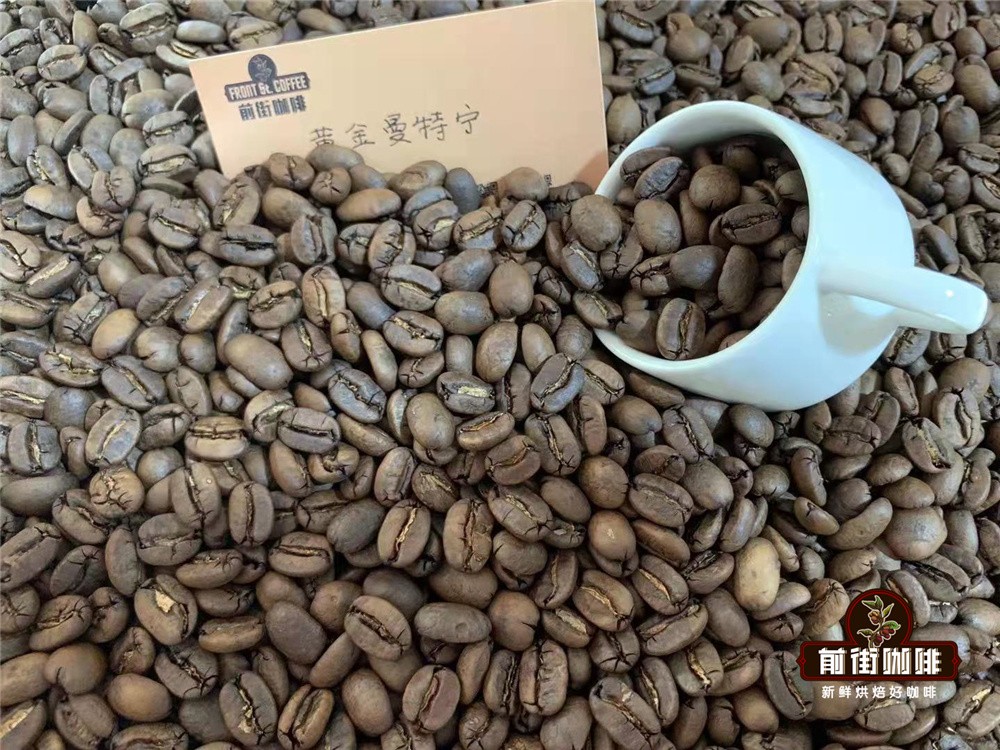
What makes this process unique is that it removes the outer protective layers—the parchment and inner skin—while the beans are not yet fully dry. This makes the beans more susceptible to external influences during subsequent drying, but it also accelerates flavor concentration and chemical transformation, resulting in Mandheling’s characteristic low acidity, full body, and earthy, herbal, and nutty aromas. However, because the beans are still soft during processing, mechanical removal can easily cause physical damage, leading to the so-called "elephant foot" cracks. These marks are very common in Mandheling and are not considered defects—readers need not worry.
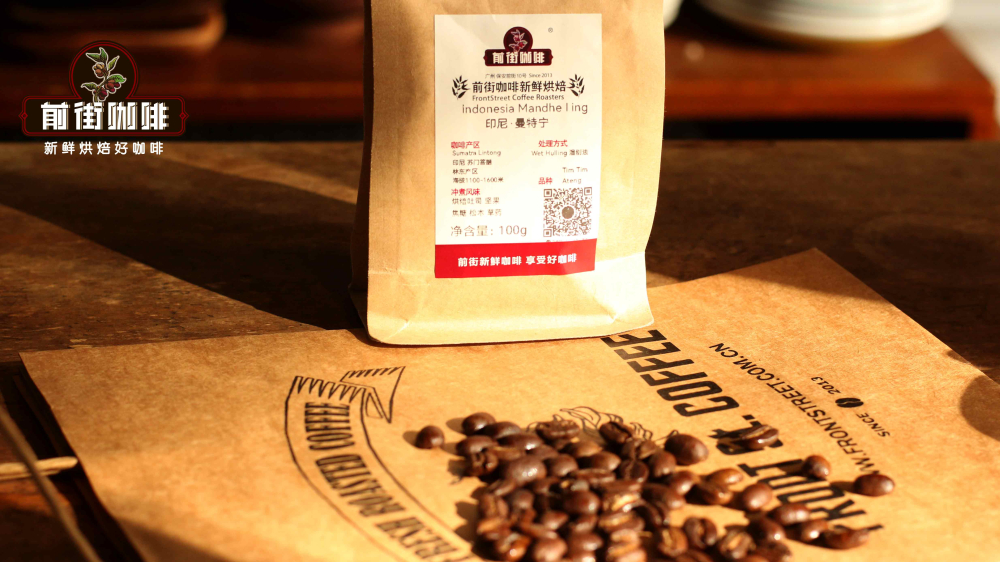
If you want to experience the classic flavors of wet-hulling,Lintong Mandhelingis your best entry point. Produced in the Lintong region of central-northern Sumatra, near Lake Toba, this area is one of the core Mandheling-producing zones. The coffee here is usually medium to dark roasted, highlighting a full body and rich spice notes, making it ideal for everyday drinking. The Lintong region sits at an altitude of about 900 to 1200 meters, with climatic conditions well-suited for producing coffee with low acidity, bold flavors, and a solid body.
For a more advanced choice, considerGolden Mandheling. This coffee is sourced and carefully selected by Indonesia’s local Pawani Coffee Company, which also registered the "Golden Mandheling" trademark—meaning only coffee produced by this company can officially be called Golden Mandheling. Its green bean specifications are strict: beans must be 18 mesh size or larger, with no more than 3 defective beans per 300 grams sample, placing it in the highest grade G1. These beans are darker green in color and uniformly shaped. After meticulous selection, impurities and earthy flavors are significantly reduced, sweetness is enhanced, and aromatic layers become clearer. Compared to regular Lintong Mandheling, Golden Mandheling offers a more balanced profile of spices, nuts, and caramel, with a cleaner and brighter mouthfeel. It is also considered by many coffee enthusiasts as the representative of “premium Mandheling.”
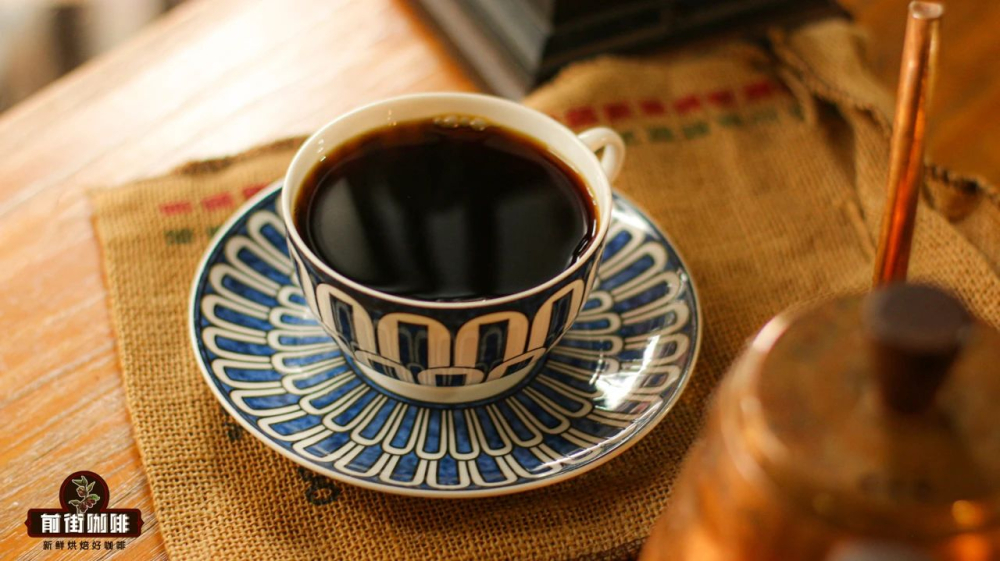
Those unfamiliar with Mandheling flavors may find its low acidity, heaviness, and slightly herbal character unusual at first, but once accustomed to this style, many are drawn to its rich and layered aftertaste. Common flavor descriptors include pine, chocolate, nuts, caramel, and even herbal and spicy notes. Some batches may even carry the calm, medicinal-like aroma reminiscent of traditional Chinese herbs. These characteristics stem not only from the coffee variety itself (primarily TimTim or Ateng, which have some Robusta lineage), but also closely relate to the wet-hulling process.
If you’d like to try pour over Mandheling at home, here are some practical parameter suggestions: Use a KONO filter (its ribbed design reduces airflow and extends extraction time, enhancing body), water temperature around 88°C,with a 1:15 coffee-to-water ratio(e.g., 15 grams of coffee to 225 grams of water). The grind size is recommended to pass 75% through a #20 sieve, representing a medium-coarse to medium grind. Use a three-stage pouring method: start with a 30-gram bloom for 30 seconds, then pour in stages up to 125 grams and 225 grams, keeping total extraction time around 2 minutes. This setup helps fully express Mandheling’s bold foundation and spicy finish, ideal for those who enjoy a rich cup.
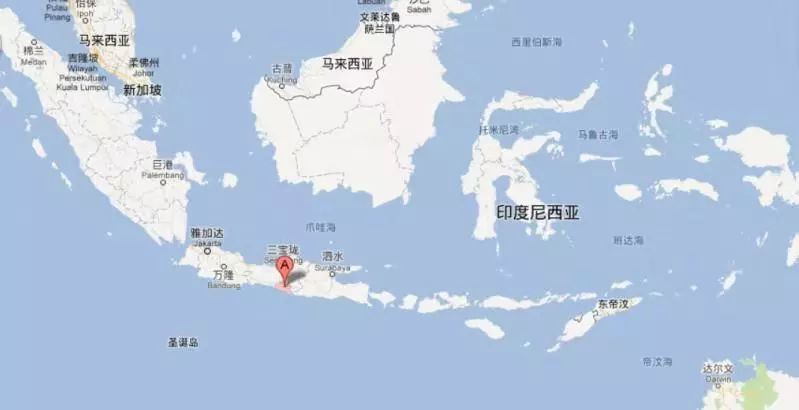
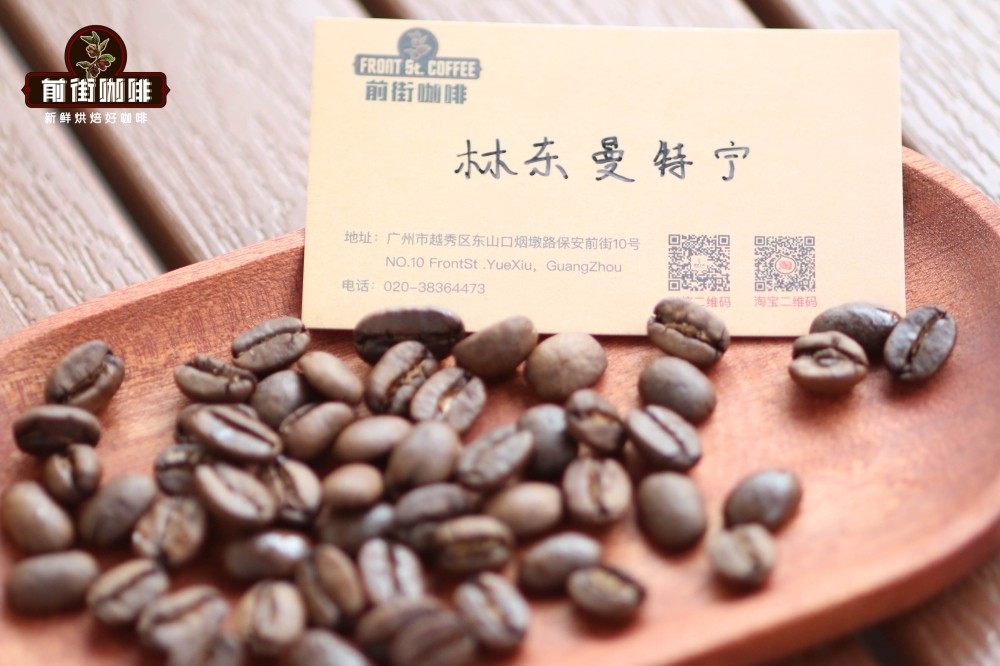
The flavor profile of Lintong Mandhelingusually features herbal, chocolate, and caramel notes, with a balanced and approachable character;Golden Mandhelingshowcases more refined expressions of nuts, spices, licorice, and dark chocolate, along with superior sweetness and clarity, making it a must-try for advanced enthusiasts.
Finally, remember that coffee bean freshness is crucial to extraction results. Choose beans shipped within 5 days post-roast, and allow them to rest at home for 4 to 7 days before brewing for optimal flavor. If you prefer pre-ground convenience, be aware that ground coffee oxidizes quickly upon exposure to air—grind just before brewing. For the fullest experience of Mandheling’s layers and characteristics, grinding whole beans fresh is the ideal choice.
The above content is compiled by CoffeeHunters, a coffee news website.


