







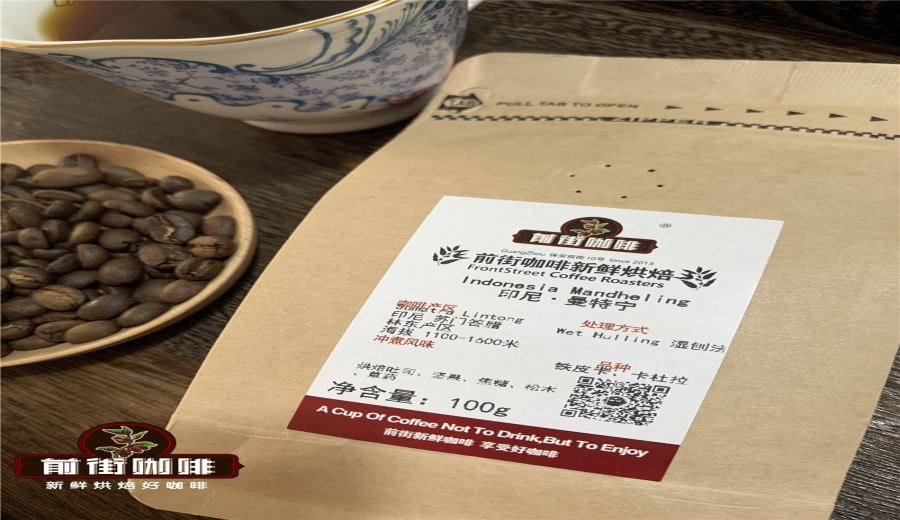
Introduction:Sumatra Mandheling coffee is world-renowned for its rich, full-bodied flavor and distinctive herbal aroma, both of which are closely tied to the local wet-hulling processing method. This article will delve into the geography, climate, regional distribution of Sumatra Island, as well as the production process of wet hulling, to help you understand the craftsmanship and flavor characteristics behind this classic bitter-toned coffee. Practical pour over parameters and techniques are also provided.
Sumatra Mandheling coffee is celebrated for its bold, full mouthfeel and pronounced herbal and piney notes, making it a top choice for many fans of strong-flavored coffee. This unique flavor profile is inseparable from Indonesia’s tropical rainforest climate on Sumatra Island and the region’s distinctive “wet hulling” processing technique. From the introduction of coffee cultivation during the Dutch colonial period, to the origin of the name “Mandheling” after World War II, to today’s highly regarded Golden Mandheling, this coffee not only carries historical significance but also stands out in both processing methods and flavor characteristics.
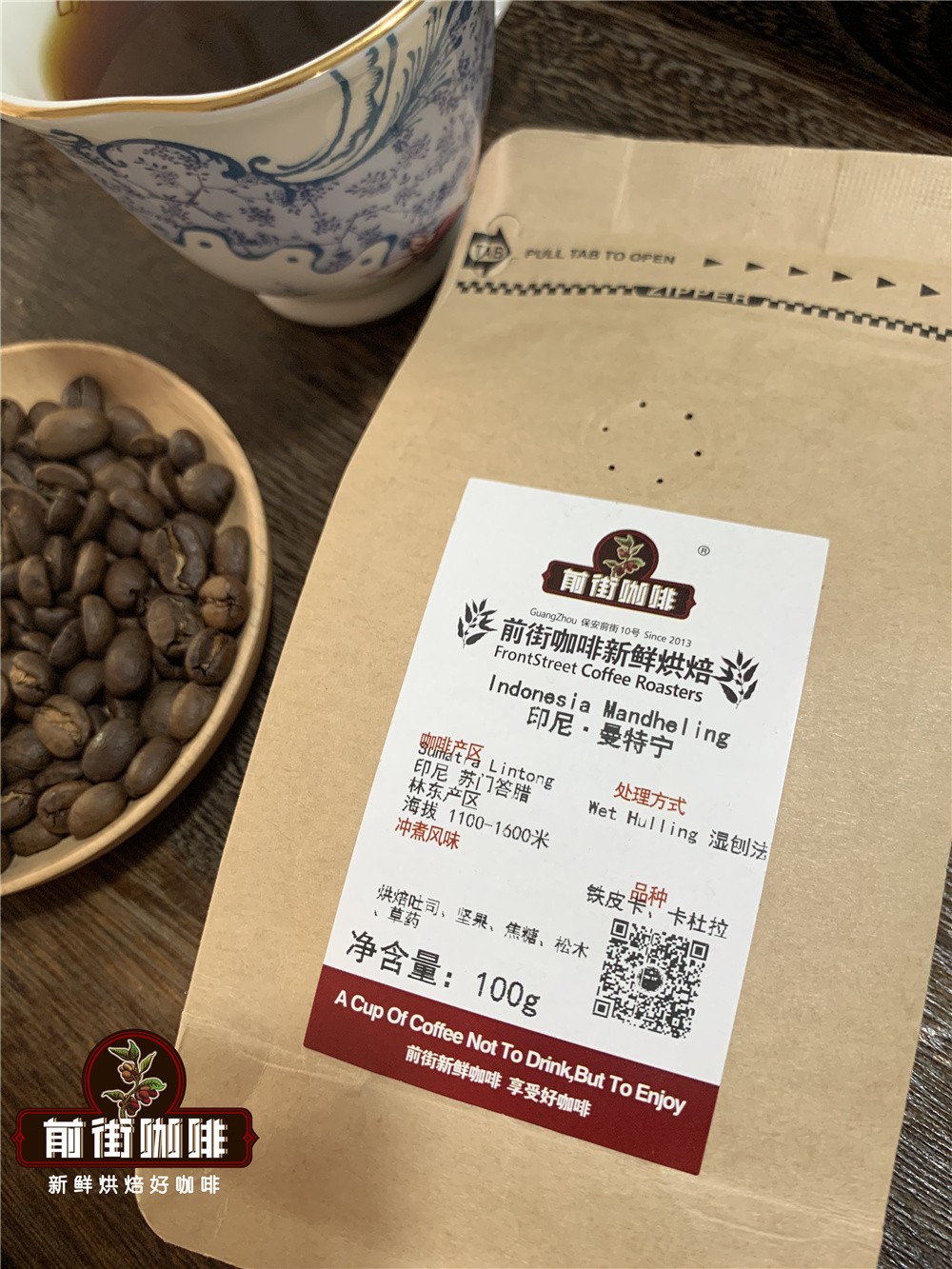
When evaluating the flavor of a coffee, common cupping descriptors can serve as an initial basis for judgment. Descriptions featuring prominent terms like fruit, citrus, or floral usually indicate a coffee with high acidity, whereas labels mentioning dark chocolate, nuts, caramel, or spices often point to a bold, bitter-toned coffee. Among the many bitter-toned coffees from various regions, Indonesia’s Sumatra Mandheling stands out with its intense chocolate base, herbal undertones, and solid body, making it a classic entry point for many coffee enthusiasts exploring dark roasts and bold flavors.
Like many agricultural products, the flavor of coffee beans is influenced by multiple factors, including variety, altitude, microclimate, harvest ripeness, and post-harvest processing methods. The unique character of Mandheling originates from Indonesia’s Sumatra Island—a distinct geographical environment—and the widespread use of the wet hulling process there. This method not only adapts to the region’s humid and rainy climate conditions but also directly shapes its ultimately unforgettable flavor attributes.
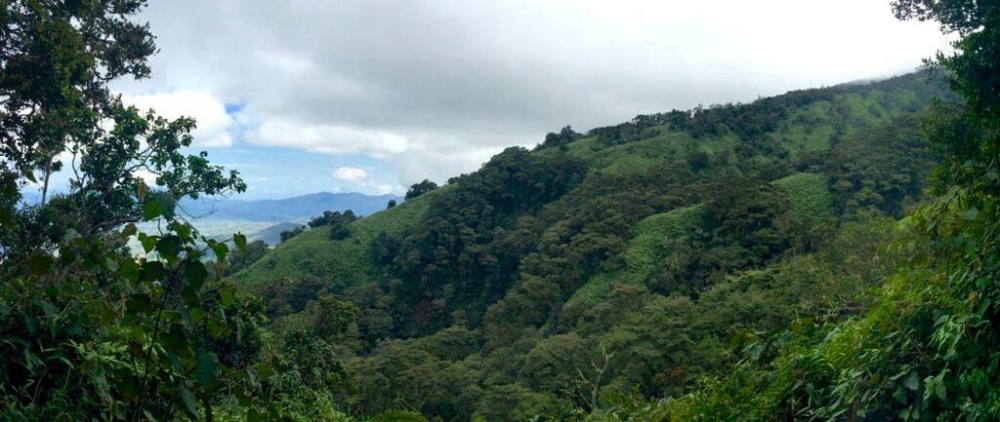
As the world’s largest archipelagic nation, Indonesia’s history of coffee cultivation dates back to the 18th century, when Dutch colonists first promoted it starting from Java. Subsequently, coffee cultivation gradually expanded to other islands such as Sumatra and Sulawesi. Among them, northern Sumatra and North Sumatra Province are the main regions for Arabica coffee production, mostly centered around the renowned Lake Toba and Lake Tawar—traditionally known as the Lintong and Aceh regions. Due to their location within the volcanic belt, the soil is rich in minerals, and the resulting coffee often exhibits intense notes of cream, chocolate, and herbs, making it highly favored in international markets, especially by Japanese consumers.
There is an interesting historical anecdote about the origin of the name “Mandheling.” It is said that during World War II, a Japanese officer tasted an exceptionally good coffee at a café in Indonesia. Curious, he asked the shop owner about the name of the coffee, but the owner misunderstood the question as being about his own origin and replied “Mandailing” (a local ethnic group in Sumatra). After the war, the officer tried to find this coffee again based on memory and purchased large quantities to bring back to Japan. The name “Mandheling” thus became widely spread and came to be synonymous with this Sumatran coffee.
Sumatra Island has a typical tropical rainforest climate, characterized by high temperatures and humidity year-round, long rainy seasons, frequent typhoons, and limited freshwater resources in some areas—all of which pose challenges for coffee post-processing. Under early economic and technical constraints, local farmers gradually developed the “wet hulling” method to enable fast processing and sales. The most distinctive feature of this method is that the parchment layer of the green coffee bean is removed by machine before it is fully dried, leaving the bean exposed during the final drying stage. This significantly shortens the overall processing time to about four days.
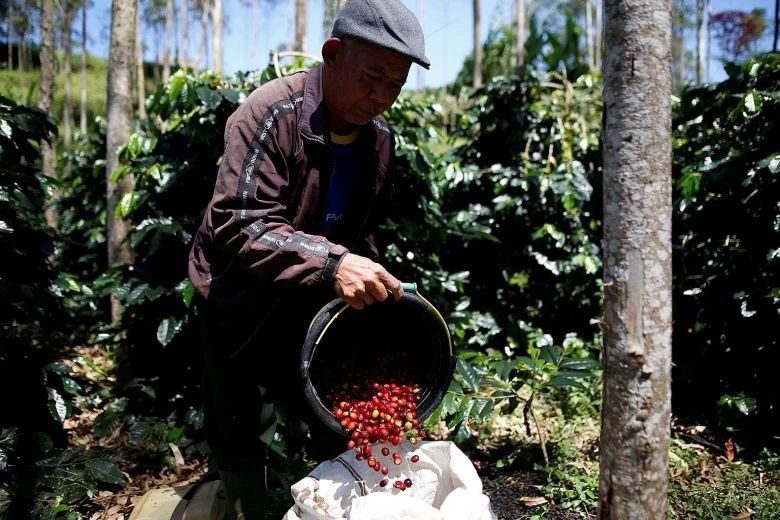
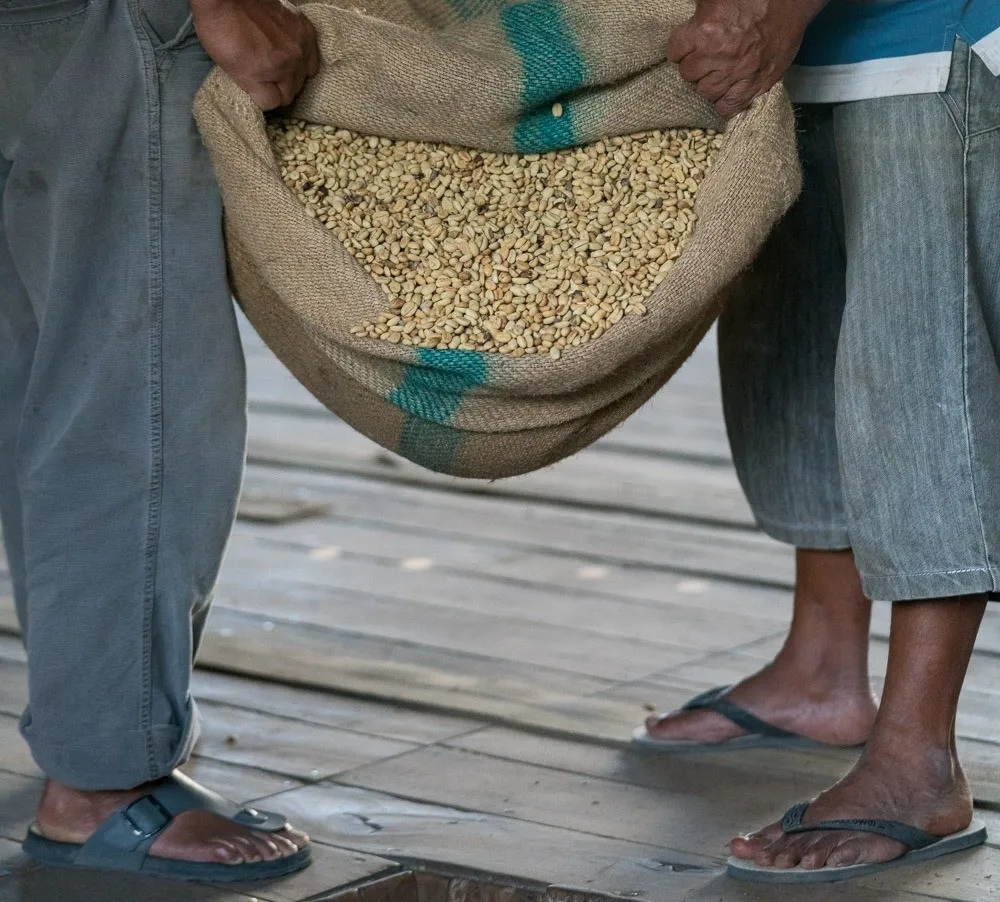
In specific terms, harvested coffee cherries first have their outer skin removed, followed by a brief fermentation in water tanks for several hours to remove some of the mucilage. The beans-in-parchment are then subjected to initial sun drying until their moisture content drops to 30%–40%, at which point they are sold to intermediaries. These intermediaries then use specially designed high-friction machines to remove the still-damp parchment layer, extract the inner bean, and continue drying it down to approximately 12%–13% moisture. During this process, because the beans remain semi-dry in a hot and humid environment for extended periods, they easily absorb surrounding moisture, which contributes to Mandheling’s unique deep aromas of wood, earth, and herbs.
Indonesia’s grading system for green coffee beans is primarily based on the number of defects, supplemented by bean size and density. G1 is the highest grade, requiring no more than 11 defects in a 300-gram sample. PWN Company goes beyond the G1 standard by applying even stricter screening criteria and using density and color sorting equipment to ensure uniformity across all beans. The commonly seen labels “Triple Pick” and “Grade 1” on the packaging are guarantees of quality.
In terms of extraction, Mandheling is a classic bitter-toned coffee, with flavors mainly of nuts, dark chocolate, spices, pine, and caramel, and little acidity—but excellent body and layering. It is recommended to use a medium-coarse grind (approximately 70% passing through a Chinese standard 20-mesh sieve), paired with a KONO filter for pour over. The KONO filter, featuring fewer straight ribs and slower airflow, promotes immersion-style extraction, yielding a rounder and fuller mouthfeel that helps highlight Mandheling’s aromatic richness and sweetness.
Suggested practical parameters are as follows: water temperature controlled at87–88°C, coffee-to-water ratio of1:15, with a total brew water volume of 225 grams. A three-stage pouring method is employed: the first pour adds 30 grams of water for a 30-second bloom; the second pour brings the total to 125 grams with slow circular pouring; once the water level drops by half, the final pour is added up to 225 grams, with a total extraction time of approximately2 minutes. These parameters effectively balance Mandheling’s body and sweetness while minimizing the risk of over-extraction.
Additionally, since the volatile aromatic compounds in coffee beans diminish over time, it is recommended to use freshly roasted beans within5 daysof roasting for optimal flavor performance. By understanding the origin characteristics, grasping the processing methods, and precisely adjusting extraction parameters, you too can fully experience the unique charm of Sumatra Mandheling coffee at home.
The above content is compiled by CoffeeHunters, a coffee news website.


