







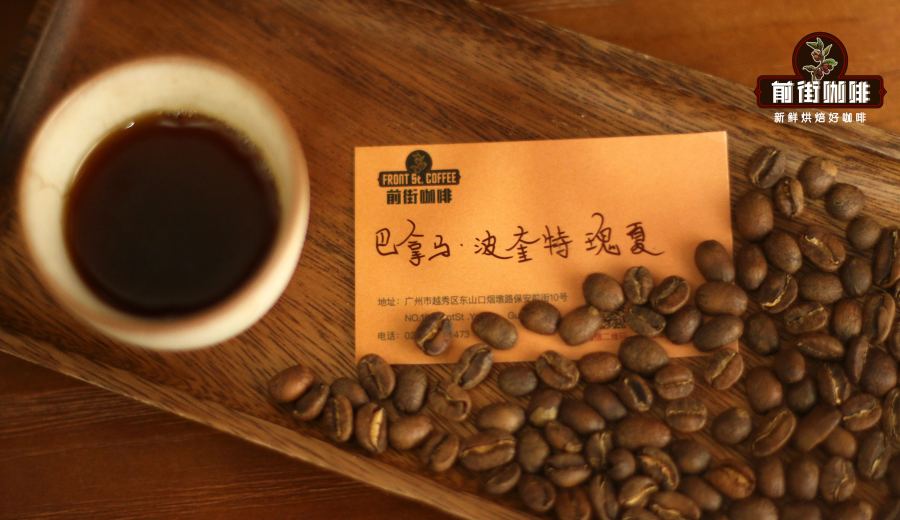
Introduction:The Boquete region in Panama, with its unique microclimate and high-altitude environment, produces specialty coffee renowned worldwide. This article delves into how this region shapes the distinctive flavors of the Geisha variety and introduces the popular blend "Flower Butterfly." From regional characteristics and processing methods to optimal brewing techniques, it offers practical advice to help you find your own high-value specialty coffee experience.
Although Panama is a small Central American country, it holds a notable place in the global specialty coffee market. Particularly in the mountainous areas bordering Costa Rica to the west, the combination of high altitude and volcanic soil gives rise to coffee beans with rich flavor layers. Among them, the Boquete region is the heart of it all—not only producing numerous competition-level coffees but also being an important origin of the famous Geisha variety.
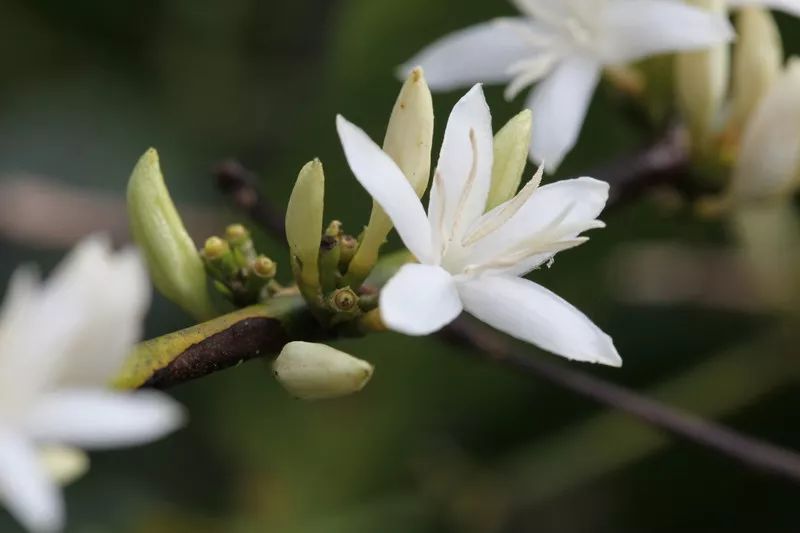
When discussing Panamanian coffee, one cannot overlook Geisha, a wild variety originating from Ethiopia. Legend has it that it was first discovered near a small village called Gesha in Ethiopia, hence the name. This variety features slender green beans, tall plants with long, narrow leaves, and a certain resistance to common coffee leaf rust. Its branches are also spaced farther apart, characteristics that make its cultivation and management relatively unique.
What Geisha coffee is most celebrated for is the fresh citrus aroma released after roasting, with a finish that carries distinct floral notes and fruity sweetness, presenting a vivid and layered flavor profile. However, due to its scarce production and demanding growing conditions, Geisha has long been synonymous with high-priced coffee. Panama’s exceptional geographical environment—especially the microclimate formed above approximately 6,500 feet (about 2,000 meters) where the central mountains block cold air—has made Boquete and its surrounding areas ideal for growing Geisha. The volcanic soil in these regions is rich in minerals, providing ample nutrients for coffee trees.
Panama’s high-altitude regions, such as Boquete, not only have lower temperatures but also significant day-night temperature variations. This results in slower ripening of coffee cherries, allowing for the accumulation of richer flavor compounds. Compared to medium and low-altitude areas, high-altitude-grown coffee beans typically have firmer bean texture, clearer acidity structure, and complex flavor profiles. Common flavor notes include honey, caramel, floral, and even gentle chocolate undertones. These qualities have earned Panamanian coffee numerous accolades in international evaluations and gradually established it as a symbol of high quality among specialty coffee enthusiasts.
If you’re looking for a daily-drinking bean that balances quality and value, consider the "Flower Butterfly" coffee, a blend based on Geisha. Sourced from the high-altitude regions of Boquete, this blend showcases a delicate sweet foundation with a large proportion of Geisha, while also incorporating the natural sweetness of nuts and sweet potatoes. It has a mild acidity and unobtrusive bitterness, making it suitable for various brewing methods. Whether using pour over, cold brew, or devices like the French press, siphon pot, or AeroPress, it delivers excellent flavor performance.
For brewing recommendations, if using the pour over method, opt for a medium-fine grind (similar to granulated sugar), with water temperature controlled between 90°C and 93°C. A coffee-to-water ratio of 1:15 to 1:16 can better highlight its fruity aroma and sweetness. If you prefer cold brew, extend the extraction time to 16–20 hours to fully bring out its low acidity and rich body.
In summary, the microclimate and high-altitude conditions of the Boquete region are key to crafting the unique flavors of specialty coffees like Geisha and Flower Butterfly. Whether you’re a coffee novice or an enthusiast seeking high-quality everyday brews, understanding these regional traits and brewing details will allow you to better appreciate the stories and subtle nuances behind a great cup of coffee.
The above content is compiled by CoffeeHunters, a coffee news website.


