







Introduction:Jamaican Blue Mountain coffee is renowned for its delicate and balanced flavor profile and rare production volume, making it the dream bean for many coffee enthusiasts. This article delves into the core growing regions of Blue Mountain coffee, explores the actual differences between washed and natural processing methods, and provides expert tips on authentic identification — breaking down everything from appearance, aroma to taste — to help readers fully grasp the unique charm and brewing essentials of this top-tier coffee.
With its fine and balanced flavor and extremely low yield, Jamaican Blue Mountain coffee has long held a premier position in the global specialty coffee scene. Originating from this Caribbean island, this coffee is not only a target for many coffee lovers but also a legend in the world of coffee due to its unique terroir and strict production standards. This article focuses on the core producing area of Blue Mountain coffee — the Blue Mountains — starting with its geography and varietal heritage, and then delving into a detailed comparison of the flavor profiles of the washed and natural versions produced by the Clifton Estate.
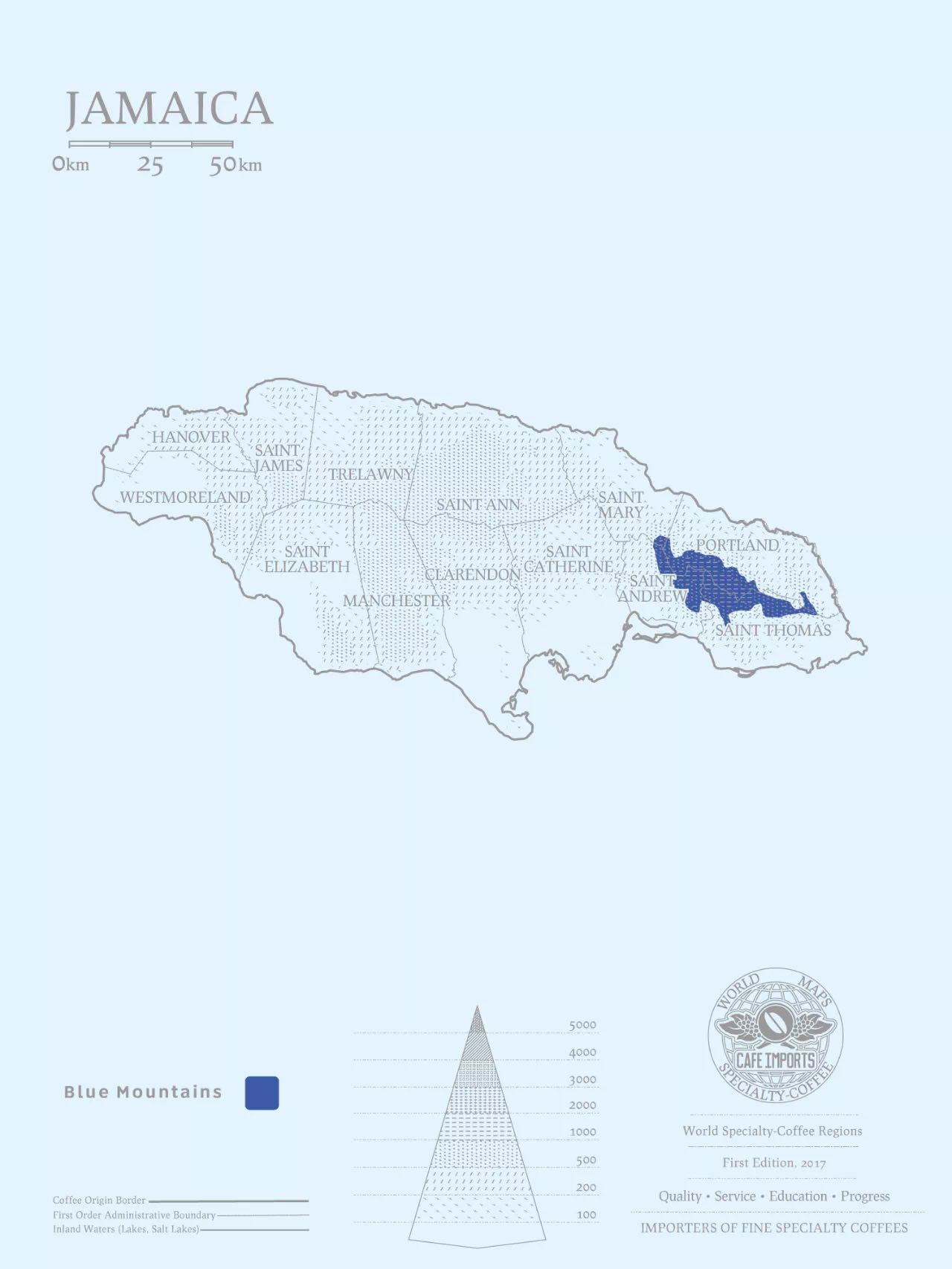
The Blue Mountains are located on the island of Jamaica, with the main peak reaching an elevation of 2,256 meters, making it the highest point in the Caribbean region. Situated in a seismic zone, the area features mineral-rich volcanic soil, along with a climate that is consistently humid, foggy, and abundant in rainfall — creating an ideal environment for coffee cultivation. As a result, only coffee grown at elevations above 1,000 meters in the Blue Mountains can be officially called “Jamaican Blue Mountain coffee,” while beans produced at elevations below 1,000 meters are classified as “High Mountain coffee.” Although slightly lower in quality, these are still considered premium-grade.
Genuine Blue Mountain coffee has distinct identifying characteristics in appearance, aroma, and taste. First, the green beans exhibit a light green color, with medium-to-small bean size and slightly upturned ends. After roasting, their volume expands noticeably, appearing plump and uniform.When hand-grinding, due to the loosely structured cell walls resulting from high-altitude growth, you can feel a clear and smooth grinding sensation with almost no resistance.In terms of aroma, Blue Mountain coffee emits a rich and solid fragrance — a complexity that is extremely difficult for ordinary blended beans to replicate. As for taste, the most captivating aspect of Blue Mountain coffee is its exceptional balance among acidity, bitterness, and sweetness. There’s almost no harsh bitterness, leaving behind only a soft yet pronounced acidity and a mellow aftertaste.
Due to the extremely limited production of Blue Mountain coffee — globally only about 40,000 bags are produced each year, with as much as 90% purchased by Japanese buyers — the supply available in other markets is even more precious. This supply-demand relationship is one of the main reasons why its price remains consistently high. It’s worth noting that not all coffee grown in the Blue Mountain region can be called Blue Mountain coffee; it must meet the strict criterion of being cultivated above 1,000 meters in altitude, a standard certified by the CIB (Jamaica Coffee Industry Board).
The primary variety of Blue Mountain coffee is Typica, one of the oldest and most classic Arabica varieties, originating from Ethiopia and introduced to Jamaica by French and British colonists in the early 18th century. Early Blue Mountain coffee was primarily processed using the washed method to preserve the purest original flavors of the coffee cherry. However, with the evolution of the global specialty coffee market — especially the rise of varieties such as Ethiopia’s Yirgacheffe and Panama’s Geisha — the Clifton Estate also began experimenting with the natural processing method for Blue Mountain coffee cherries, despite the significant challenges posed by the region’s rainy and foggy weather.
Next, we conduct an actual cupping session to compare the flavor differences between two Blue Mountain coffees from the Clifton Estate — one washed and one natural. Both coffees are grown at an elevation of 1,310 meters in the core area of the Blue Mountains and share the same Typica variety, yet they showcase distinctly different flavor profiles due to their respective processing methods.
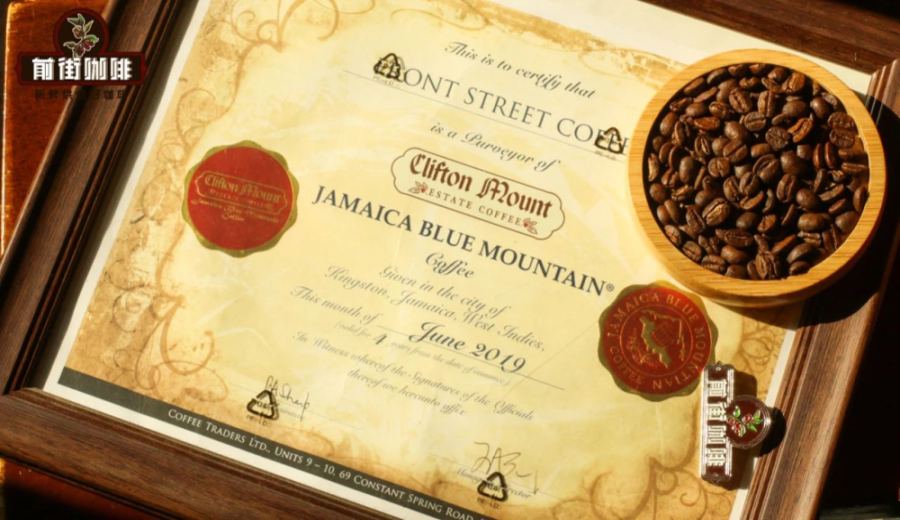
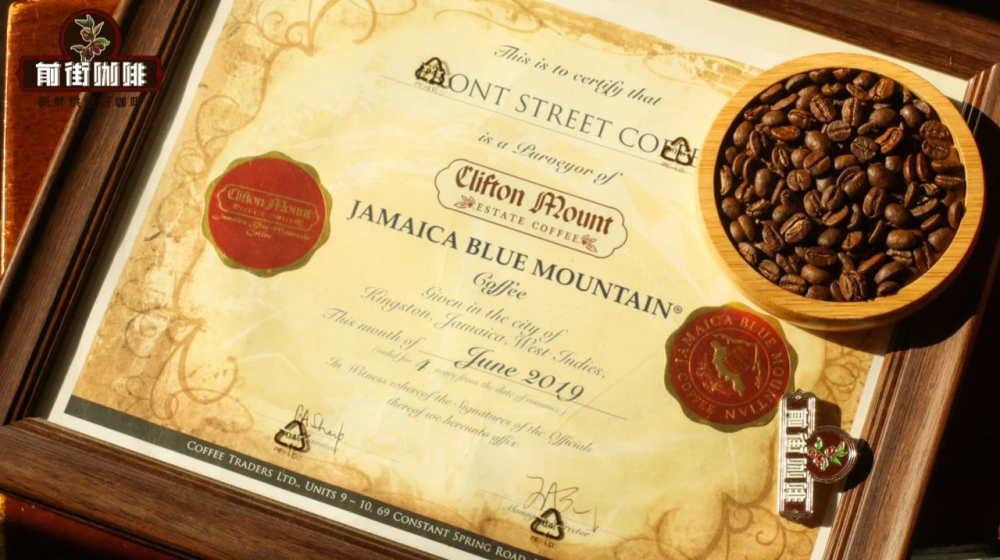
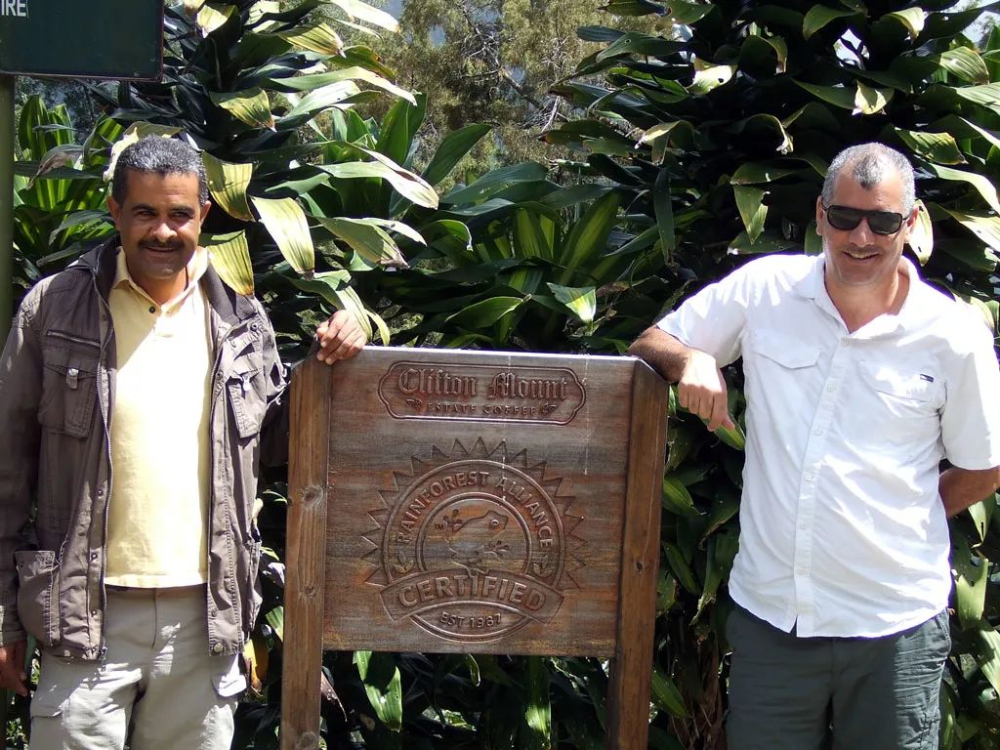
The Clifton Estate, as the oldest and highest-altitude coffee plantation in the Blue Mountain region and currently the only Rainforest Alliance-certified Blue Mountain coffee producer, is known for its rigorous sustainable agricultural management and high-quality standards, making it one of the representatives of Blue Mountain coffee. The Rainforest Alliance certification emphasizes not only environmental protection — including reducing water pollution, minimizing pesticide use, and maintaining biodiversity — but also focuses on safeguarding farmers' rights and improving production efficiency. These are all key reasons for choosing Clifton Estate Blue Mountain coffee.
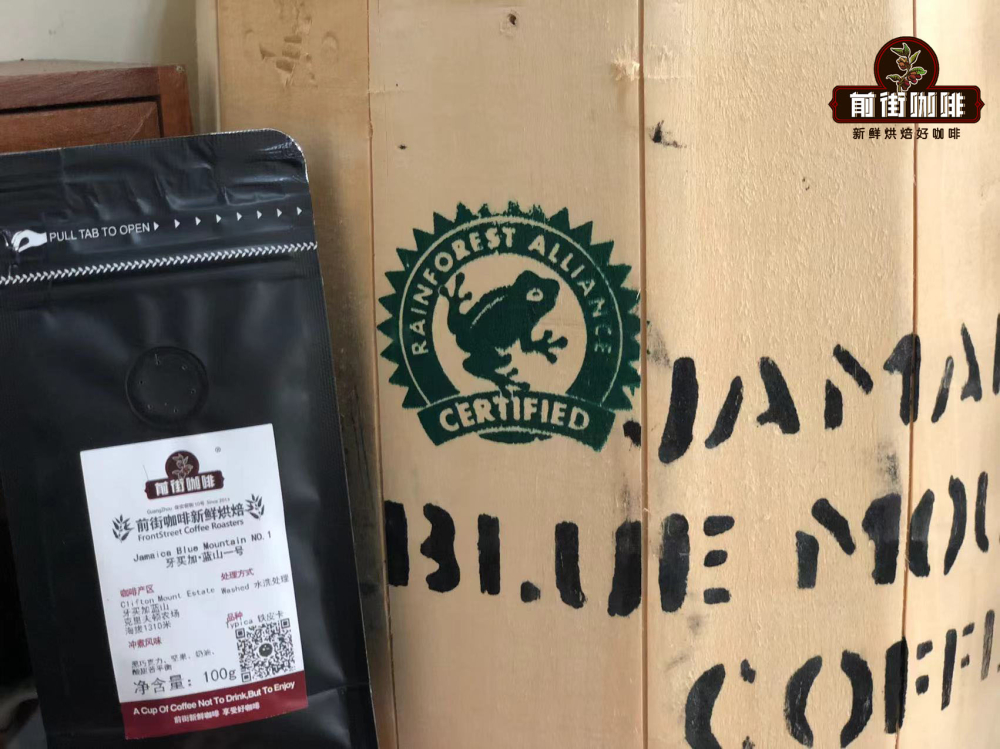
Jamaican Washed Blue Mountain Coffee Beans (Clifton Estate)
Region: Blue Mountains (Clifton Estate)
Elevation: 1,310 meters
Variety: Typica
Processing Method: Washed
Flavor: The cup opens with a pronounced brown sugar sweetness and berry-like acidity, followed by notes of nuts and cocoa in the mid-to-late stages. The texture is silky and creamy, with well-defined layers, and the finish leaves a gentle walnut aroma.
Jamaican Natural Blue Mountain Coffee Beans (Clifton Estate)
Region: Blue Mountains (Clifton Estate)
Elevation: 1,310 meters
Variety: Typica
Processing Method: Natural
Flavor: The cup immediately presents bold black chocolate and nutty tones. The overall profile is clean and bright, with excellent body and a well-balanced acidity, sweetness, and bitterness. The flavor layers are more expressive and complex.
Overall, the natural-processed Blue Mountain coffee showcases more vibrant flavor layers and sweetness, making it suitable for coffee lovers who enjoy intense fruitiness and rich textures. Meanwhile, the washed Blue Mountain highlights the classic balance characteristic of Blue Mountain coffee — smooth, bright, and well-harmonized in acidity, sweetness, and bitterness — making it the best choice for experiencing the traditional flavor of Blue Mountain.

Beyond tasting the flavors, understanding the processing methods of Blue Mountain coffee is key to appreciating its full charm. Below is a brief introduction to the actual processes of both washed and natural methods:
Natural (Dry) Processing Method
The natural process is the oldest method of coffee processing, used by Arabs as far back as a thousand years ago. Traditionally, harvested coffee cherries are placed directly under the sun to dry for about 27 to 30 days, reducing the moisture content from 60% to 12%. The modern refined natural process is more meticulous: harvested cherries are first carefully sorted to remove unripe, overripe, or damaged fruits, then placed on raised drying beds where they are turned daily to ensure even drying until the desired moisture level is reached. They are then hulled and polished.
Washed (Wet) Processing Method
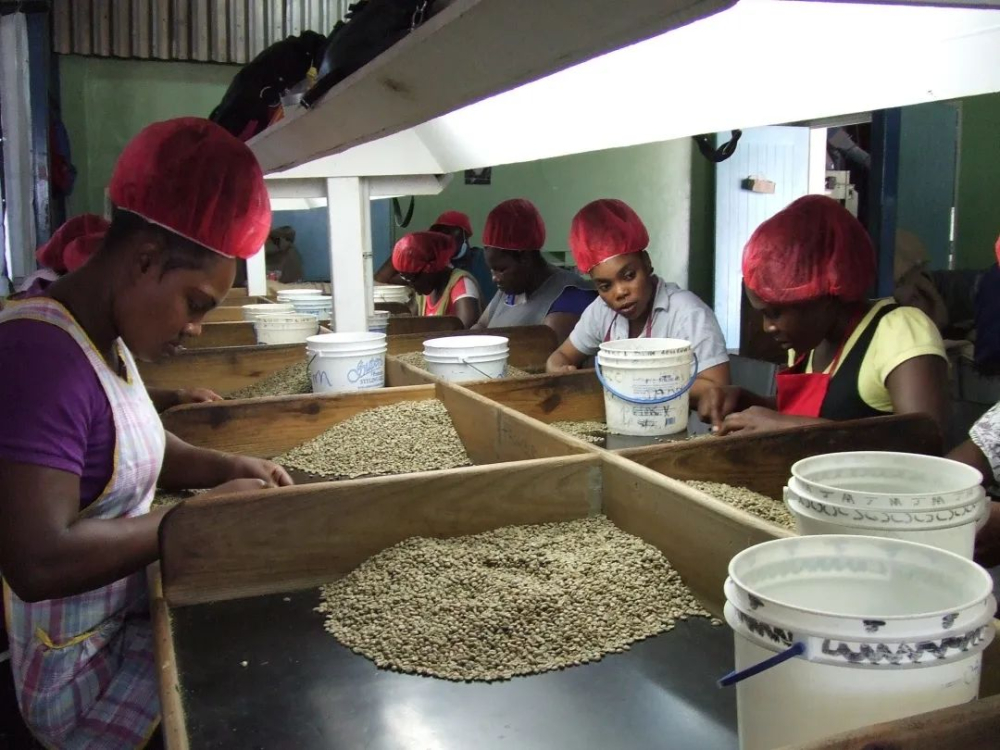
The washed process, invented by the Dutch in the 18th century, is one of the most widely used high-quality processing methods today. In this method, most of the fruit pulp is first removed using a pulper, and then the parchment-covered beans are soaked in water tanks for fermentation to remove any remaining pulp. During fermentation, unripe and defective beans naturally float to the surface and are removed. The beans are then washed to remove mucilage, and the parchment-covered green beans are dried until their moisture content drops to 12%, before the parchment is finally removed prior to export.
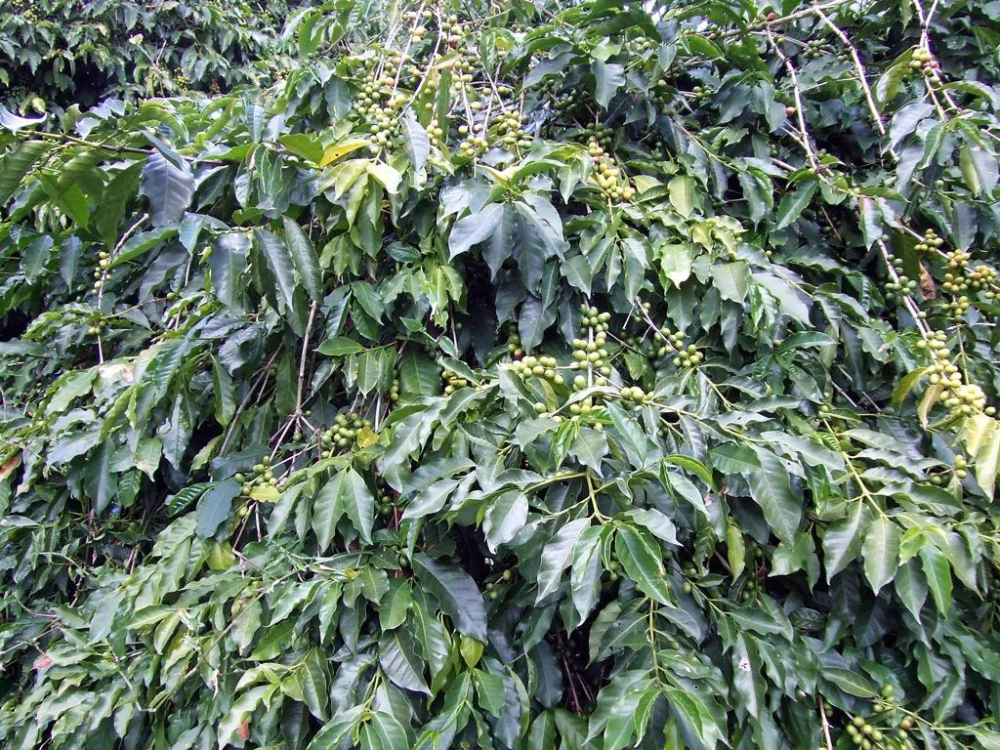
By gaining an in-depth understanding of the origin environment, processing methods, and evaluation points of Blue Mountain coffee, coffee enthusiasts can not only select and taste this premium coffee more accurately, but also better bring out its potential during daily brewing. Whether you’re pursuing the classic balance of the washed style or the rich intensity of the natural process, Blue Mountain coffee offers a truly unique flavor experience.
The above content is compiled by CoffeeHunters, a coffee news website.


