







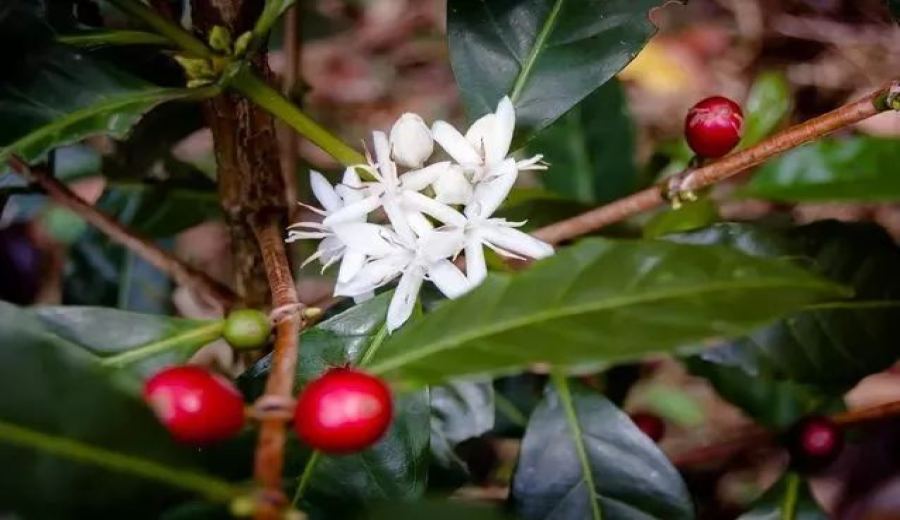
Introduction:As the birthplace of coffee, Ethiopia boasts the world’s richest gene pool of native coffee varieties, particularly renowned for its Yirgacheffe and Sidamo regions. This article will delve into the characteristics of the three major coffee species—Arabica, Robusta, and Liberica—and explore the unique terroirs of two star regions among Ethiopia’s nine major coffee-growing areas: Yirgacheffe and the Hambela sub-region of Sidamo. It will also examine how washed and natural processing methods shape diverse flavor profiles, while offering practical pour over parameters to help you discover your preferred coffee flavor.
The world of coffee is incredibly diverse, but at its core, it can be divided into three main species: Arabica, Robusta, and Liberica. As the cradle of coffee, Ethiopia is home to numerous native varieties that have yet to be fully classified. These are commonly referred to as "heirloom" varieties, with the Yirgacheffe and Sidamo regions being the most representative of premium coffee production. Starting with species characteristics, this article will take you on a journey to uncover the unique charm of these two regions, analyze the impact of washed and natural processing on flavors, and provide practical pour over recommendations to help you gain a more comprehensive understanding of the depth and diversity of Ethiopian coffee.
Although there are many coffee varieties available globally, they can essentially be grouped into three categories: Arabica, Robusta, and Liberica. According to statistics from the International Coffee Organization (ICO), excluding domestic trade within countries, Arabica accounts for about 65% of the coffee in circulation, while Robusta makes up around 35%. Arabica varieties are widely used in specialty coffee due to their delicate flavors and bright acidity, whereas Robusta, with its strong disease resistance and high caffeine content (approximately 3.2%), is commonly used for instant and industrial coffee. Liberica varieties, though hardy, offer relatively mediocre flavor profiles and hold an extremely low market share.
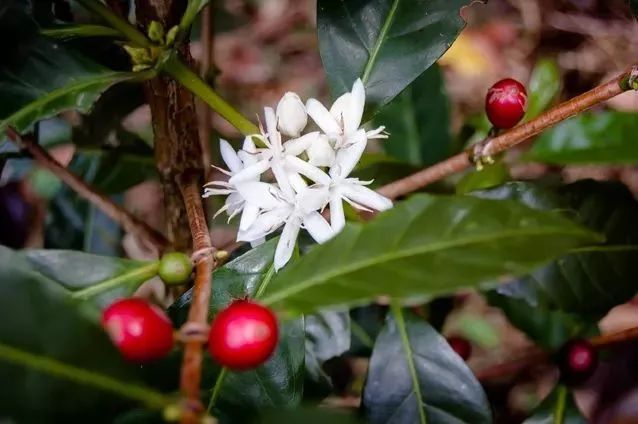
Ethiopia is not only the birthplace of coffee but also a global treasure trove of native coffee genetics. Due to its diverse geography and long cultivation history, many varieties remain officially unclassified. As a result, coffee produced locally is often labeled as "heirloom," though the vast majority are actually Arabica. These heirloom varieties vary in appearance, flavor, and adaptability, contributing to the irreplicable uniqueness of Ethiopian coffee.
Ethiopia has nine major coffee-growing regions, including Sidamo, Yirgacheffe, Harrar, Gimma, Limu, Illubabor, Jimma (Lekempti), Teppi, and Bebeka. Among them, Yirgacheffe and Sidamo (especially its Hambela sub-region) are the most celebrated premium coffee origins. These regions feature high altitudes, diverse microclimates, and are primarily produced by smallholder farmers and villages, giving rise to distinctive terroir-driven flavors.
Yirgacheffe is located at an altitude of 1,700 to 2,100 meters, making it one of the highest-altitude coffee-growing regions in Ethiopia and synonymous with specialty coffee. Once part of Sidamo, this town became an independent and well-known region due to its unique washed processing style and bright floral, citrus notes. The name "Yirgacheffe" means "cool land" in the local language, and its humid environment and high elevation contribute to the coffee beans’ delicate acidity and rich aromatic profile. A certain coffee shop often uses washed Yirgacheffe as a representative of entry-level specialty coffee. Its lemony acidity, citrus sweetness, and light tea-like body are highly favored by consumers.
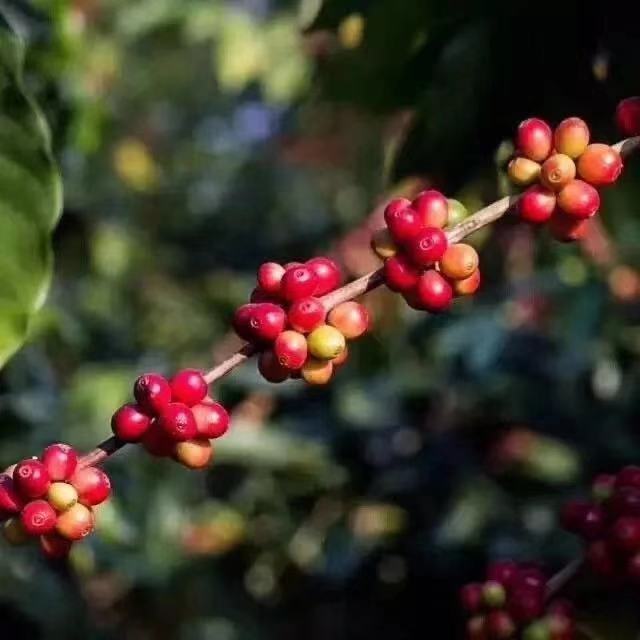
The Sidamo region showcases a more diverse range of processing styles, with the natural method being the most famous. For example, the popular Huakui 5.0 comes from the Hambela sub-region of Sidamo, featuring intense floral, berry, and citrus notes paired with honey sweetness and black tea undertones, delivering a full-bodied and layered mouthfeel. Hambela was originally a sub-region of Guji, located in the Oromia region and adjacent to Kochere in Yirgacheffe. Its rugged terrain and distinct climate contribute to the unique character of its coffee. In 2017, a natural-processed coffee from Hambela won the Ethiopian Cup of Excellence (TOH) competition, and subsequently gained international recognition under the name "Huakui," becoming a flagship flavor of the region.
Yirgacheffe’s widespread popularity stems not only from its exceptional geographical conditions but also from the complex aromas and delicate flavors it exhibits under light roasting. Lightly roasted Yirgacheffe often features bright lemon acidity, citrus, honey-like sweetness, and subtle floral notes, with a clean and refreshing mouthfeel and a long-lasting aftertaste. It can be enjoyed black, without milk or sugar, making it especially appealing to female consumers.
If you want to brew Ethiopian coffee at home to bring out its refined flavors, here are some practical tips: first,choose freshly roasted beans within 5 days of roasting, and allow the beans to degas for 4 to 7 days after arrival to reach peak flavor. It is recommended to use a Hario V60 dripper for pour over, with a water temperature of 90°C, a coffee-to-water ratio of 1:15, and a medium-fine grind size (about 80% through a #20 sieve). These parameters can fully extract the layered flavors and fruity acidity of Ethiopian coffee.
If you opt for washed Yirgacheffe, you’ll experience brighter acidity, such as lemon, citrus, and gentle floral notes, with a tea-like softness in the aftertaste. Meanwhile, the natural-processed Sidamo Huakui 5.0 showcases rich tropical fruit, berry, and citrus sweetness, paired with honey and black tea undertones, resulting in a full and vibrant mouthfeel. Additionally,it is recommended to choose whole beans rather than pre-ground coffee, as ground coffee oxidizes faster and loses flavor more quickly. If you need to grind it, do so just before brewing to preserve optimal freshness.
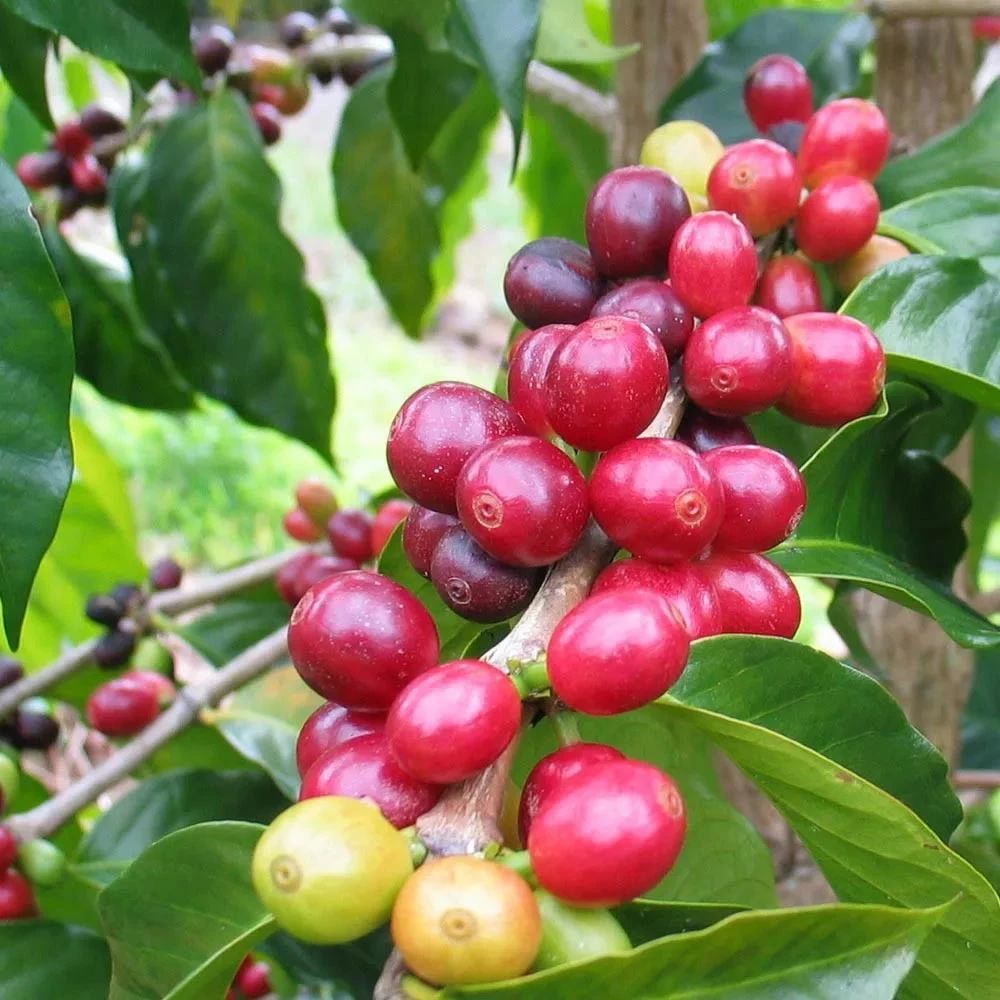
In summary, Ethiopian coffee, with its rich native variety genetics, diverse regional terroirs, and varied processing methods, offers endless exploration opportunities for coffee enthusiasts worldwide. Whether you’re a beginner or a seasoned coffee connoisseur, you can find your own perfect cup of flavor in the coffees of Yirgacheffe and Sidamo.
The above content is compiled by CoffeeHunters, a coffee news website.


