








Introduction:For those who enjoy the tropical fruit notes in pour over coffee, this article is specially curated for you. Focusing on bright fruit aromas such as passion fruit, grape, and pineapple, it recommends several representative high-altitude natural processed single-origin beans, analyzes their flavor characteristics and suitable brewing parameters, and explains why subtle fruit flavors like papaya and lychee are less prominent in coffee—helping you choose your ideal beans more precisely.
In the world of coffee, tropical fruit notes often leave a deep impression. Fruits like passion fruit, mango, pineapple, guava, and jackfruit possess distinct and easily recognizable aromas, making it easy to detect similar flavors in coffee. Compared to berries or citrus, these fruit notes are more likely to leave a lasting impression in memory, and have become a top choice for many pour over enthusiasts.
These tropical fruit notes are not limited to a single origin or variety. Especially in high-altitude regions of Africa and Central and South America, coffee beans processed using the natural method often exhibit rich and complex fruit aromas. If you enjoy the intensity of berries and are also drawn to the sweetness of ripe mango, you might want to start exploring medium-light roasted natural beans.
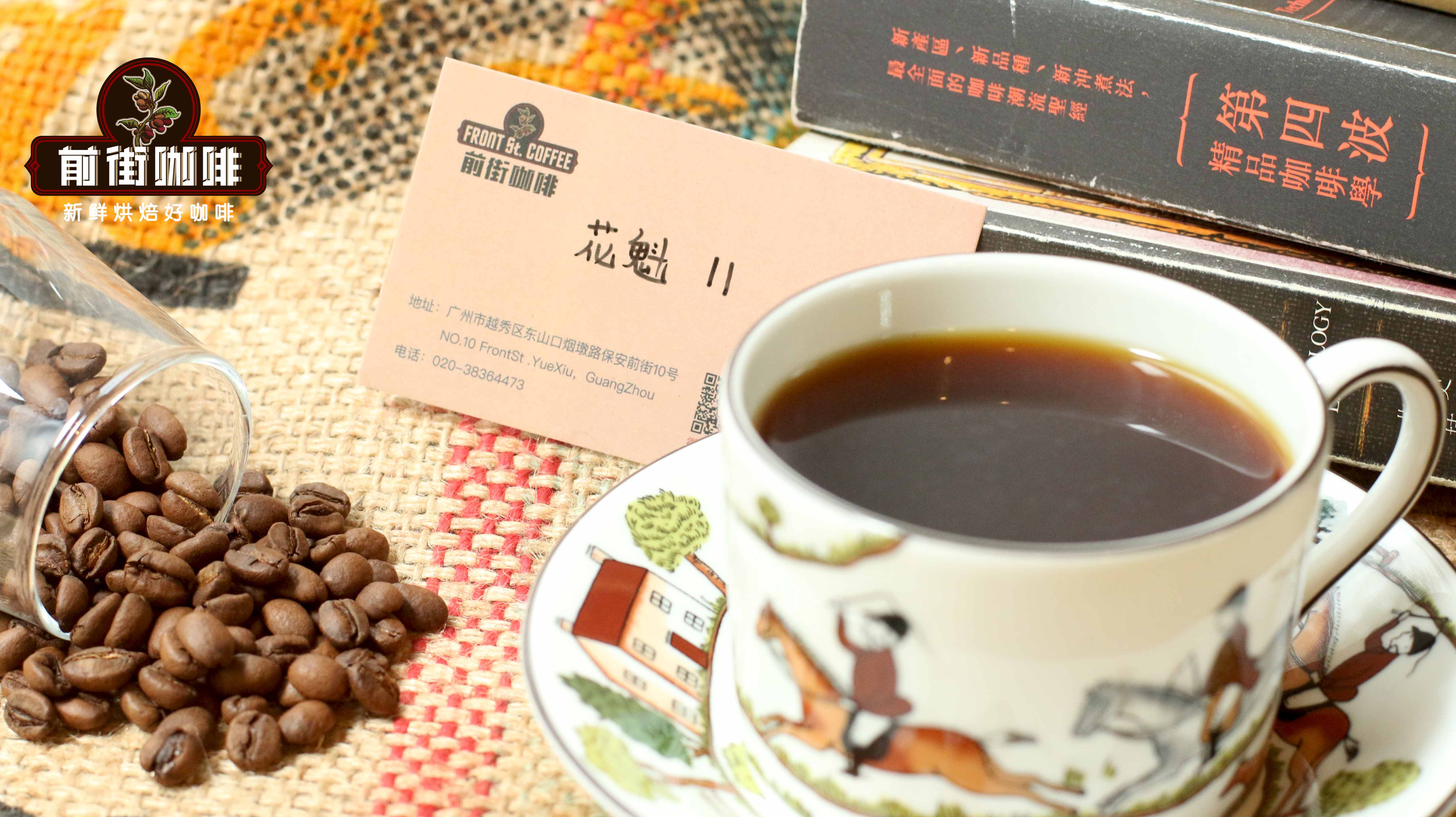
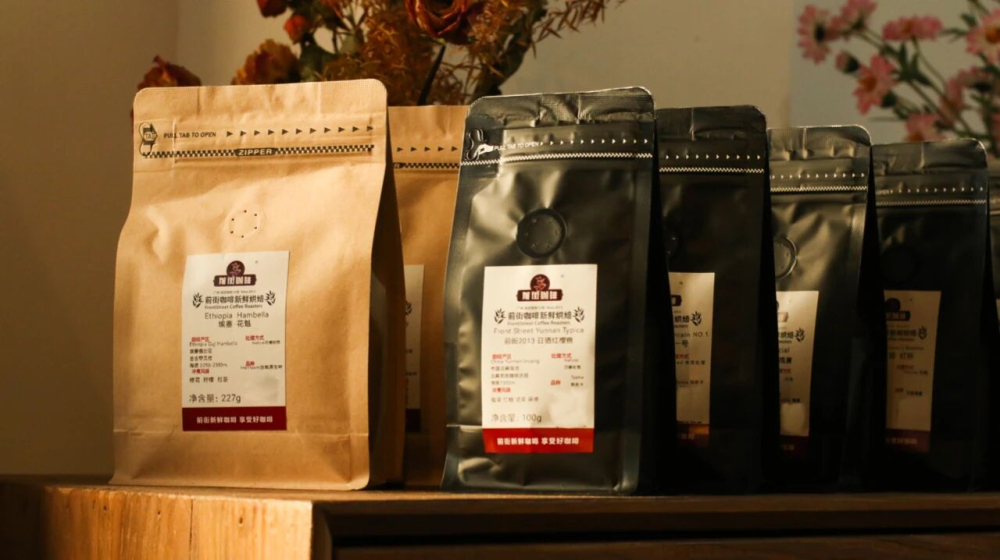
Centered around tropical fruit notes, this article recommends several representative single-origin coffee beans, including Huakui, Sidra, Dabutou, Mozart, Elida Catuai, and Costa Rica Blackberry. Each showcases distinct flavors such as passion fruit, grape, and pineapple. Additionally, it explains why lighter fruit notes like papaya, star fruit, and lychee are less noticeable in coffee, helping pour over lovers make more informed bean selections.
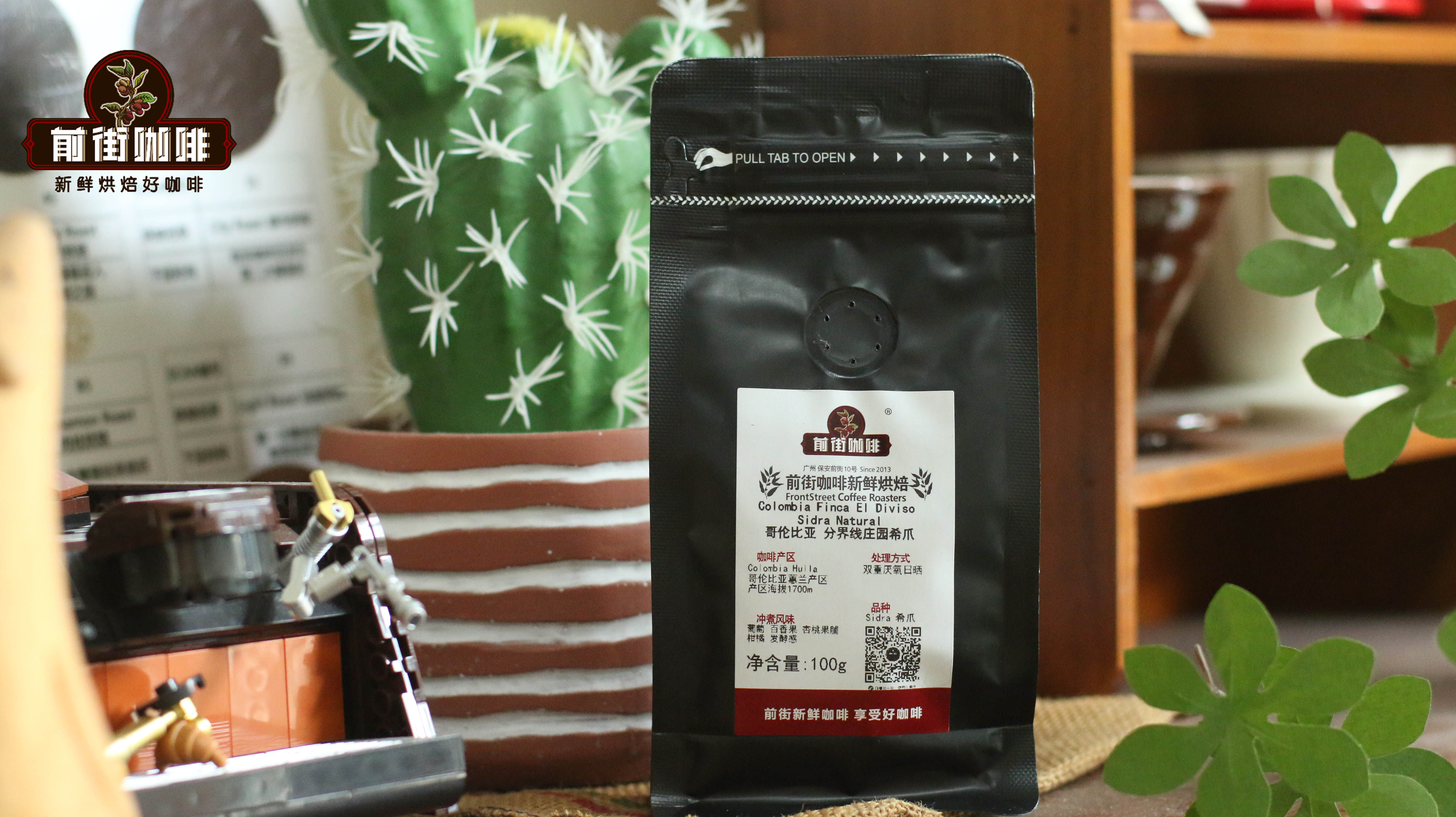
If you prefer coffee with a balanced sweet-and-sour profile and bold flavors, Sidra and Dabutou are great options to try. These two beans often present layers of sweet-and-sour notes reminiscent of passion fruit and grape juice, creating a mouthwatering sensation upon tasting. It is recommended to use a medium-fine grind, a water temperature of around 90-92°C, and a 1:15 coffee-to-water ratio, using the pour over method to highlight their bright acidity and fruity notes.
If you have a preference for fruits with unique aromas like pineapple or jackfruit, Mozart is a highly fitting choice. In addition to showcasing the distinct character of pineapple, it also comes with elegant floral notes and a raisin-like sweetness, delivering a clear and layered overall flavor profile. For brewing, it’s recommended to extend the blooming time to 30-40 seconds to fully bring out its floral and fruity aromas. The coffee-to-water ratio can be slightly adjusted to 1:16 to enhance the sweetness.
In contrast, fruits like papaya, star fruit, and lychee, while possessing unique aromas, often have lighter and more delicate profiles in coffee. They can also easily blend with roasty flavors such as chocolate, caramel, or nuts, making them harder to discern and relatively less prominent in coffee. Therefore, if you’ve sensed a warm tropical vibe in your coffee but couldn’t pinpoint which fruit it was, that’s actually quite common.
In such cases, many coffees are labeled generally as “tropical fruit,” encompassing a variety of possible fruit aroma combinations. Beans such as natural Huakui, Elida Catuai, and Costa Rica Blackberry exhibit such characteristics, with flavor profiles that blend multiple bright fruit notes. They are suitable for coffee lovers who enjoy exploring complex flavor profiles. It’s recommended to adjust grind size and water temperature based on personal taste preferences—for instance, those who prefer more pronounced fruit notes may slightly lower the water temperature to 88-90°C to preserve more volatile aromatic compounds.
In summary, when selecting single-origin coffee beans with tropical fruit characteristics, in addition to paying attention to origin and processing method, it’s also important to consider the pairing of roast level and brewing parameters. Medium-light roasting preserves more of the fruit’s original flavors, while appropriate extraction techniques can make the aromas of passion fruit, grape, or pineapple more distinct. Hopefully, this bean selection guide will help you discover your most satisfying tropical fruit coffee experience during your pour over sessions.
The above content is compiled by CoffeeHunters, a coffee news website.


