







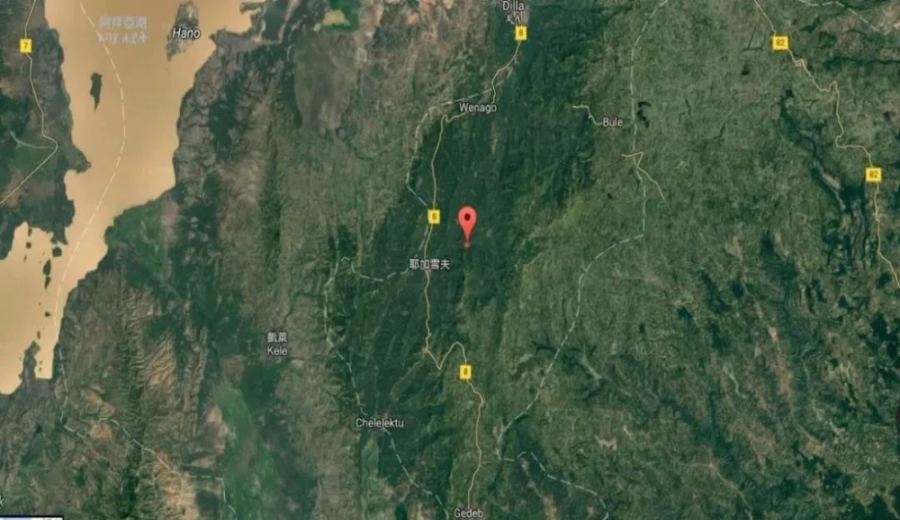
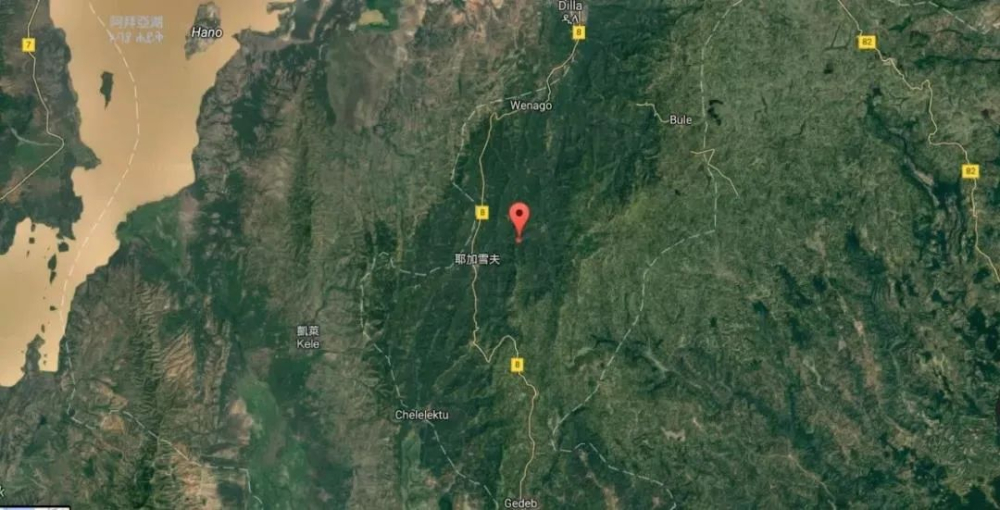
Introduction:Ethiopia’s Yirgacheffe is one of the world’s most renowned specialty coffee regions, yet many coffee enthusiasts remain puzzled by the distinctions between G1 and G2 grades. This article delves into Ethiopia’s former defect-based grading system and the cupping score-based system adopted after 2009, explaining how both natural and washed beans are graded. Through a practical comparison of washed batches, it takes you from bean appearance and defect counts to extraction flavors, offering a comprehensive understanding of the quality differences behind the grades—an essential guide to exploring Yirgacheffe.
When it comes to Ethiopia’s Yirgacheffe, many coffee lovers immediately think of its distinctive citrus, floral notes, and bright acidity. But what do the commonly seen G1 and G2 grade labels really mean? In fact, these two grades are key indicators in Ethiopia’s coffee grading system, but over time, the scoring method has undergone significant changes.
Coffee grading methods vary greatly around the world, with no single unified standard. Some producing countries base grading on bean size, like Kenya; others use altitude, such as Jamaica Blue Mountain; while Ethiopia primarily grades based on the ratio of defective beans, giving its classification system a strong local character.
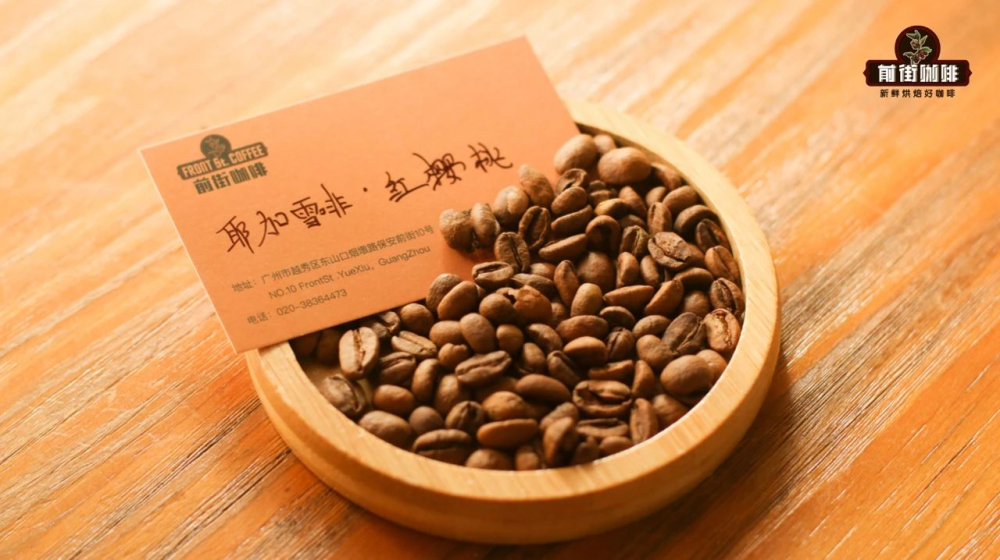
As a genetic treasure trove of Arabica coffee, Ethiopia is home to numerous indigenous varieties that have not yet been fully classified. To protect these precious genetic resources and prevent their outflow, the government typically refers to them collectively as “Heirloom,” or native varieties. These heirloom green beans are usually smaller in size and less uniform in shape, but this also endows the coffee with richer and more complex flavor layers. For example, the red cherry natural beans sold by a well-known shop are a typical example of heirloom processing, often showcasing berry, citrus, floral, and subtle fermentation notes.
Since Ethiopian coffee is mostly grown wild or semi-wild, fields often have dozens of varieties growing together, and strict varietal separation during harvesting is difficult. The beans are usually mixed and sent to processing facilities. These collection and processing characteristics lead to greater variations in bean size and appearance, making it unlike countries such as Kenya where size can be used as a grading criterion. As a result, defect rate naturally becomes an important indicator of quality.
Before 2009, Ethiopia’s coffee grading was managed by the CLU department under the Ministry of Agriculture, with only five grades. Among them, G1 and G2 were reserved exclusively for washed coffee beans and were considered specialty-grade. At the time, most washed Yirgacheffe on the market was G2, with G1 being extremely rare. Traditional natural processing, due to its simpler technique, was prone to contamination and off-flavors, and was usually classified as G3 or lower, with less stable quality.
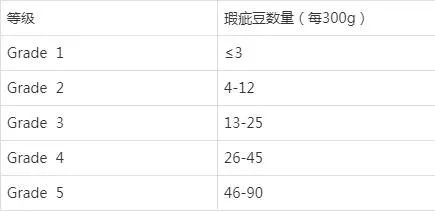
The old grading system was relatively straightforward, mainly calculating the number of defective beans: G1 required no more than 3 defects per 300g of washed beans, while G2 allowed 4 to 12 defects. Although this defect-rate-only scoring method was intuitive, it ignored other key factors such as flavor performance.
In 2009, the Ethiopian Commodity Exchange (ECX) officially launched a new grading system, a reform endorsed jointly by the United States and European specialty coffee associations. The new system not only considers defect rates but also incorporates cupping scores, allowing natural beans to also achieve G1 and G2 grades, completely breaking the previous restriction that only washed beans could be rated high. Now, as long as they pass professional cupping, high-quality natural Yirgacheffe can also earn the honor of G1 or G2, and the market has gradually seen more high-scoring natural batches.
Under the new system, coffee beans are divided into natural and washed categories based on processing method, and then graded comprehensively based on defect rates and cupping performance. This reform not only makes grading more comprehensive but also gives consumers the opportunity to taste more diverse and high-quality Ethiopian coffees.
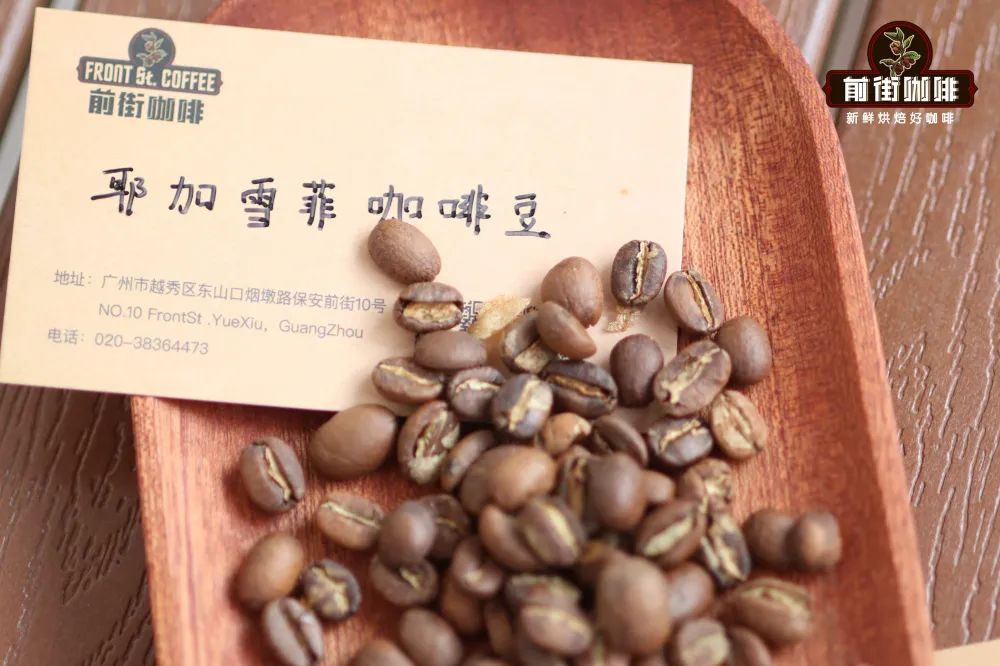
Taking washed Yirgacheffe as an example, the differences between G1 and G2 can be observed from multiple aspects. First, in terms of green bean appearance, G1 beans are usually more uniform in size, consistent in color, and noticeably fewer in defects; in contrast, G2 green beans are slightly more varied in size and have a higher number of defects. Regarding defect rates, G1 requires 0 to 3 defects per 300g of washed beans, while G2 allows 4 to 12 defects, which directly affects the final flavor purity and market price.
In terms of actual brewing performance, the Gu Ding Ding washed Yirgacheffe (G1) sold by a certain shop and the shop’s regular washed Yirgacheffe beans (G2) both use a light roast. It is recommended to use a V60 filter, with a water temperature of about 91°C, a grind size of about 80%, and a brew ratio of 1:15. In terms of flavor, G2 typically exhibits white floral, lemon, citrus, and a light tea-like profile, which is a very classic Yirgacheffe character; while G1 retains these features but has even more refined aroma, cleaner mouthfeel, brighter and more layered acidity, with an overall performance closer to the definition of specialty coffee.
In summary, the difference between G1 and G2 grades in Yirgacheffe is not just a numbers game of defect rates—it is directly reflected in green bean appearance, processing quality, and the final extraction flavor. For coffee enthusiasts, understanding the standards behind these grades can help you make more accurate purchasing decisions and better appreciate the unique charm of Ethiopian coffee.
The above content is compiled by CoffeeHunters, a coffee news website.


