







Introduction:Typica is one of the oldest varieties of Arabica coffee, with far-reaching influence and being the origin of many modern coffee varieties. This article provides a detailed introduction to the botanical characteristics and flavor profile of Typica, and deeply analyzes the performance differences in globally renowned producing regions such as Jamaica Blue Mountain, Papua New Guinea, Hawaii Kona, and Yunnan Baoshan, allowing you to comprehensively grasp the essence of this classic variety from altitude, processing methods to tasting highlights.
As one of the most historically significant original varieties within the Arabica coffee system, Typica stands alongside Bourbon as an important cornerstone in the evolution of modern coffee varieties. However, many coffee enthusiasts often confuse 'Typica' with 'Arabica', mistakenly thinking they are on the same level. In fact, Typica is just an ancient branch within the large Arabica family, not a synonym for the entire category. This article will start from its botanical characteristics and take you on an exploration of Typica’s flavor profiles across different producing regions, analyzing through practical examples from several representative global locations how altitude, climate, and processing methods critically influence its flavor.
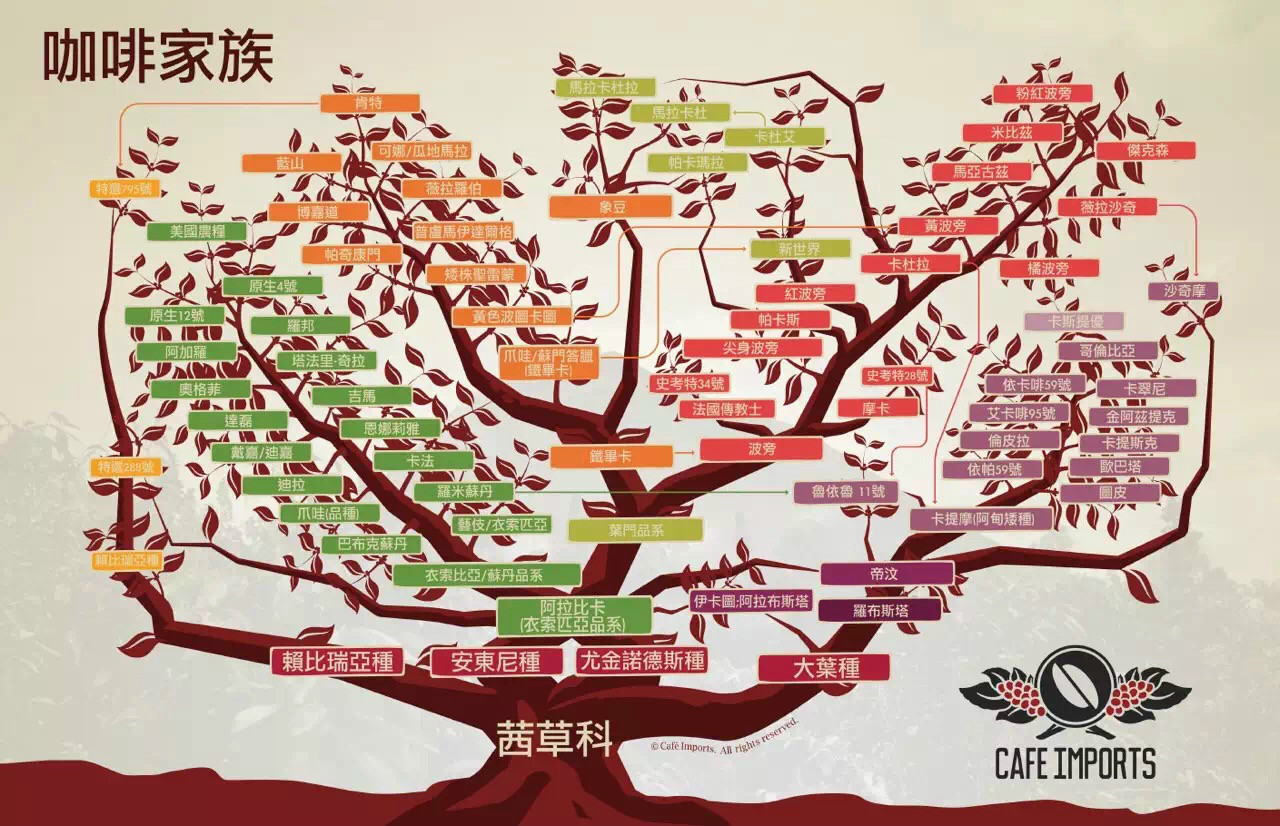
Many beginners in specialty coffee may have heard of the name 'Typica', and even been told it’s the 'best variety among Arabicas', thus mistakenly assuming it is a concept parallel to Arabica. But in reality, Typica belongs to the Arabica variety group, being one of its most original and representative branches. In addition to Typica, Bourbon is also a historic variety in the Arabica family, and many common commercial or specialty beans such as Caturra and Catuai later evolved or were hybridized from these two varieties.
Currently, several Typica variety beans are available, including Jamaica Blue Mountain No.1, Hawaii Kona, Papua New Guinea Highland Bird, and Yunnan Baoshan’s small-bean Typica. These Typicas from around the world, although sharing common genetic lineage, display distinctly different flavor personalities due to terroir differences. From clean and elegant to rich and bold, each expression is worth savoring individually.
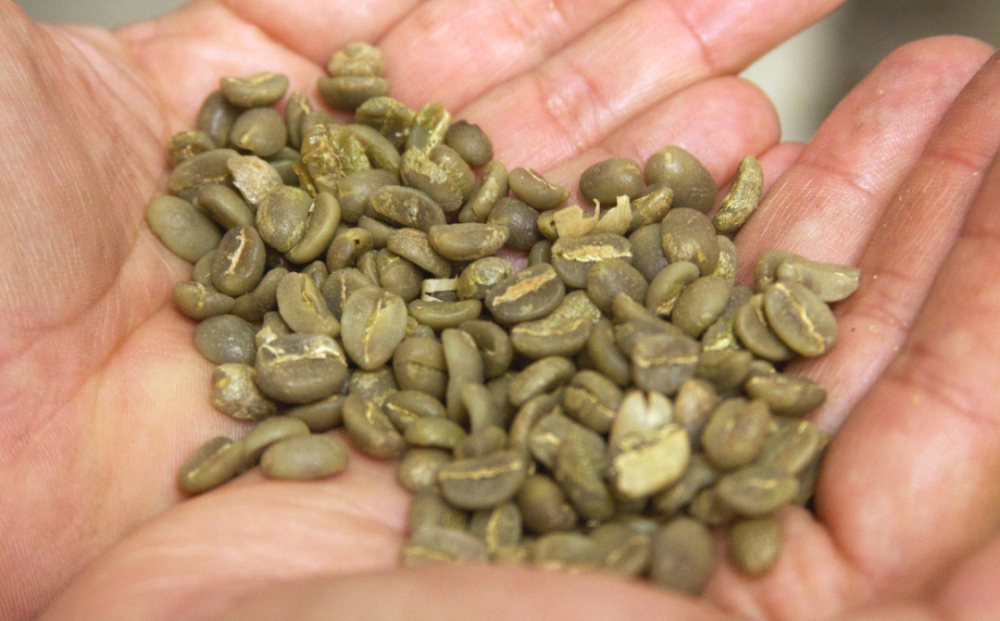
Speaking of Typica, we must start with the basic characteristics of Arabica. Arabica coffee cherries typically contain two seeds, so the cross-section of common coffee beans usually shows one flat side, and occasionally you may encounter ‘peaberries’ where two beans are fused together. Some believe that peaberries, due to their close contact, have more concentrated flavors, and some farms or merchants even deliberately select and sell them separately. However, peaberries are simply a natural phenomenon during fruit growth, and as long as the maturity and variety are good, individual beans can also exhibit excellent flavor. What matters more is overall processing and roasting control, rather than differences in bean shape alone.
Arabica coffee is generally grown within the ‘coffee belt’ between approximately 45 degrees north and south latitude, but compared to Robusta, it prefers higher-altitude cultivation environments, typically requiring altitudes above 800 meters to achieve optimal quality. Due to its lower resistance to environmental changes and pests/diseases, Arabica has relatively higher cultivation barriers, but this also gives it more delicate and varied flavor layers. In contrast, Robusta is more cold and heat resistant, with strong disease resistance, mostly found in low-altitude areas, but its flavor tends to be stronger, with noticeable woody or herbal notes, making it less suitable for consumers seeking refined taste.
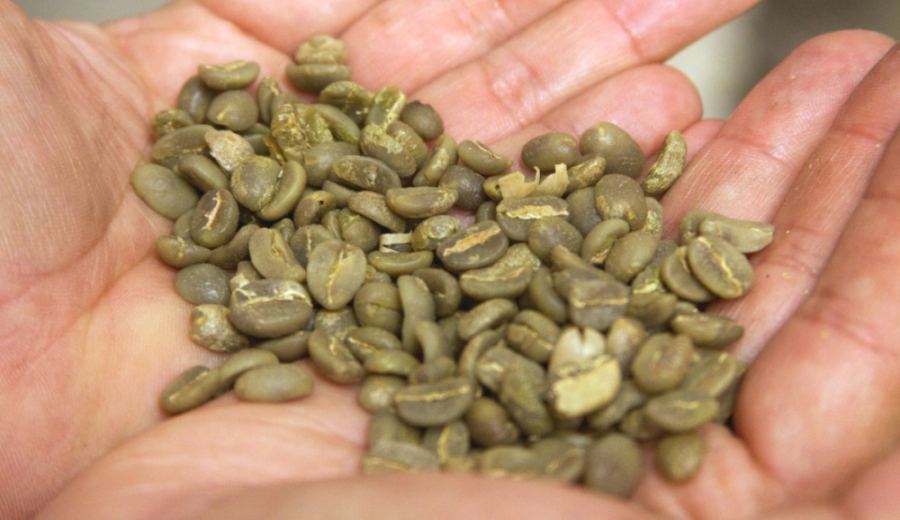
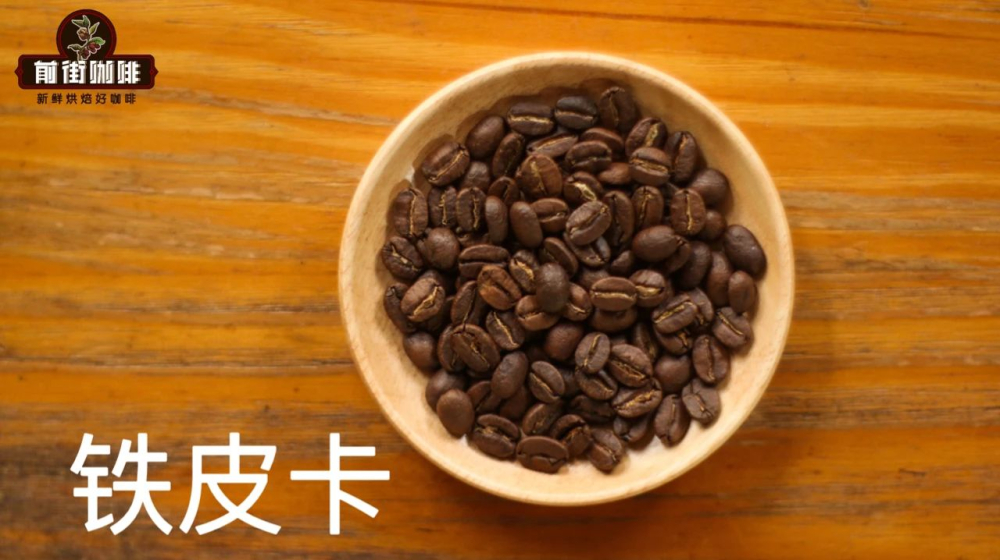
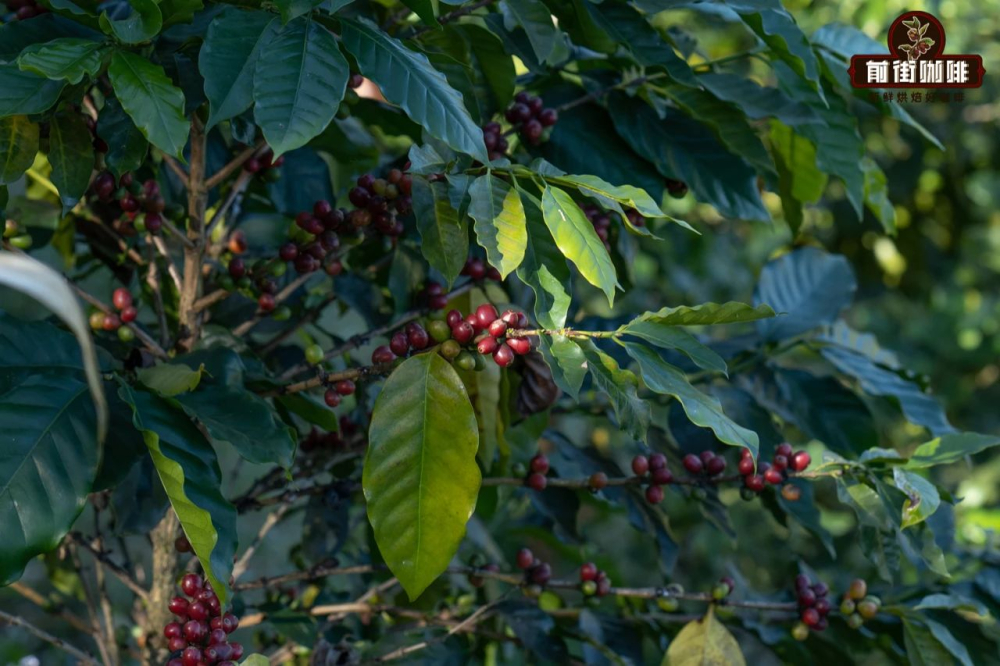
Typica originated in southeastern Sudan and Ethiopia in Africa, and is regarded as one of the ‘ancestors’ of many current Arabica varieties. Its top leaves exhibit a distinctive reddish-copper color, hence it is also called ‘red-top coffee’ or ‘old-variety small-bean coffee’. This variety’s coffee trees can grow up to 5 meters tall, with straight trunks, wider branch spacing and internode distances compared to other varieties, making harvesting and management more challenging. The angle between Typica’s lateral branches and main stem is about 50 to 80 degrees, the leaves are relatively long and slender, with smooth edges and few waves, and its most distinctive feature is that young shoots appear bronze-colored. When the fruits ripen, they turn bright red, and the seeds are relatively slender and pointed at both ends, belonging to the typical conical or oval bean shape.
However, Typica also has many disadvantages: low yield, weak resistance to pests and diseases—especially leaf rust—and strict requirements for altitude and climate conditions, which have led to its gradual replacement by other high-yield, disease-resistant varieties in modern commercial planting. But precisely because of this, the clean, balanced, and delicate flavor characteristics it exhibits continue to captivate many coffee experts and enthusiasts, especially in high-altitude regions where its potential is fully realized.
Jamaica Blue Mountain Typicais considered one of the classic representatives of the Typica variety. These coffee trees were introduced to Jamaica from Martinique in the 1720s and have taken root in the Blue Mountains for over two hundred years. The unique local climate and meticulous management have enabled Blue Mountain Typica to develop a very high level of disease resistance, particularly outstanding resistance to common diseases like coffee berry disease. It is worth mentioning that once Blue Mountain Typica leaves Jamaica, its unique sweetness and elegant aroma are often hard to replicate. Cupping results show that its flavor balance is exceptionally good, with almost no other producing regions able to fully match it.
The offered Blue Mountain No.1 comes from the Clifton Estate, grown at an altitude of 1310 meters and processed using the washed method. After brewing, it shows distinct dark chocolate and nutty tones, with excellent balance of acidity, sweetness, and bitterness, a rich yet clean mouthfeel, and is highly suitable for coffee lovers who enjoy delicate flavors.
Papua New Guinea Typicais known as the 'Little Blue Mountain'. This variety was introduced from Jamaica in 1931, during the British colonial period, and due to Papua New Guinea’s close ties with Britain at the time, this classic variety was brought in. Although its overall flavor profile is balanced, compared to Blue Mountain, it has slightly less body, a more pronounced acidity, and relatively restrained sweetness.
Among them, the Typica from Sigri Highland Bird Estate, grown at an altitude of 1600-1800 meters, after washed processing, reveals a sweet aroma reminiscent of toasted bread, layered with nuts and soft fruit acidity, with an aftertaste featuring a unique spicy sweetness. The overall mouthfeel is rich and refreshing, making it a standout performer among Typicas.
Hawaii Kona Typicais another classic representative producing region. These beans were introduced from Guatemala in 1892, and although the planting altitude is only 600-1100 meters (relatively low compared to other regions), they still demonstrate extraordinary flavor potential under Hawaii’s unique microclimate. Kona Typica beans are large in size, with moderate disease resistance, but when transplanted to other regions, they often fail to reproduce their gentle acidity and smooth mouthfeel.
The Hawaii Kona Typica comes from the Queen’s Estate, at an altitude of 1100 meters, and after washed processing, presents a sweet sensation akin to osmanthus honey, paired with mulberry aroma and a mellow malted sweetness. Upon cooling, it also offers a tea-like aftertaste, with an overall performance that is very balanced and approachable.
Finally, let’s head to Asia’sYunnan Baoshan Typica. This variety can be traced back to 1904, when French missionary Father Timothée introduced the first coffee tree in Zhugula Village, marking the beginning of coffee in Yunnan. Although later, due to considerations of yield and cost, higher-yielding varieties like Catimor were planted instead, Typica still remains in some small-scale farms. After replanting and cupping in the Lincang area, it was found to exhibit rich fruity, herbal, and melon notes, especially with more distinct layers under sun-dried processing.
For example, the 2013 vintage Yunnan sun-dried Typica, from a producing region at an altitude of 1300 meters, is smooth on the palate with Asian herbal aromas, bright and lively acidity, and a noticeable saliva-inducing effect. Upon cooling, it releases a sweet aftertaste of brown sugar and honey, representing a classic Typica expression full of regional character.
The above content is compiled by CoffeeHunters, a coffee news website.


