







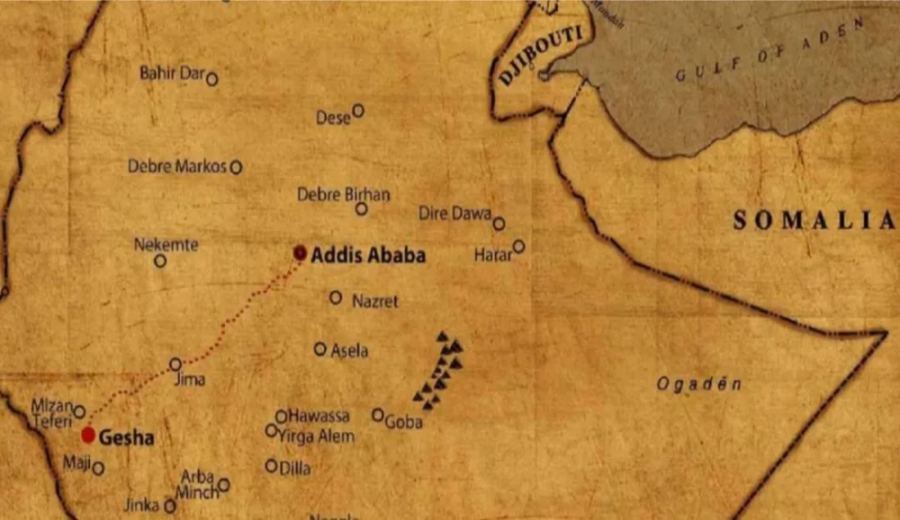
Introduction:Did you know? The globally popular Panamanian Geisha actually originates from wild coffee trees in Ethiopia. This article takes you to the origin of Gesha Village — the Gori Gesha Forest — to explore how this estate developed its grading system, including Red Label and Green Label, from native varieties. We’ll also analyze the differences between the two main cultivars, Gori Gesha and Gesha 1931, and examine the unique flavor profiles achieved through sun-drying processing, helping you understand the true essence of Geisha from its roots.
When it comes to Geisha, many people immediately think of high-end specialty coffee from Panama. However, the origins of this variety can be traced back to the birthplace of coffee — Ethiopia. This region boasts the world’s richest coffee genetic library, with numerous wild coffee trees growing locally, many of which haven’t even been officially named yet, and are therefore commonly referred to as “Ethiopian native varieties.”
The seeds of Panamanian Geisha were first discovered in a forest in Ethiopia called “gesha,” and later made their way to Kenya, Uganda, Tanzania, Costa Rica, and finally Panama. The star of today’s story — Gesha Village Coffee Estate — was established by documentary filmmaker Adam Overton and his photographer wife Rachel Samuel near the Gori Gesha Forest, becoming Ethiopia’s first truly modern coffee estate.
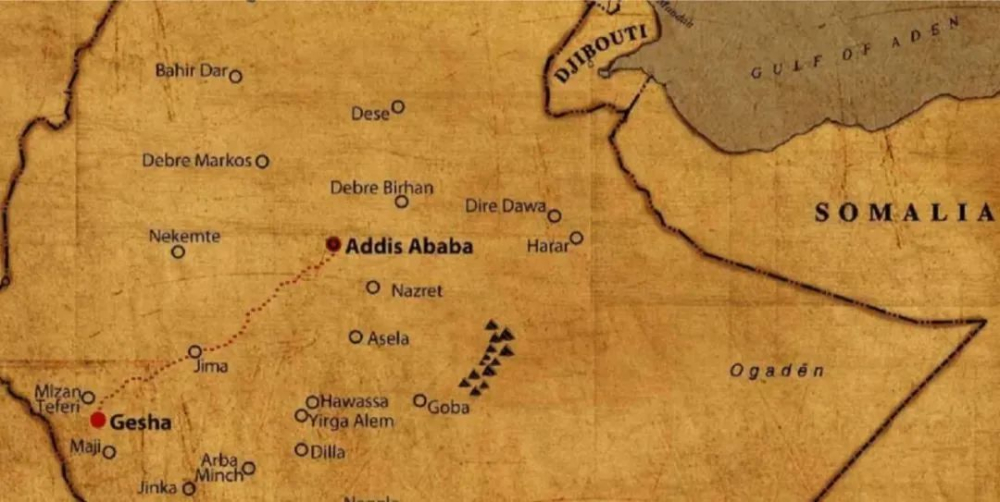
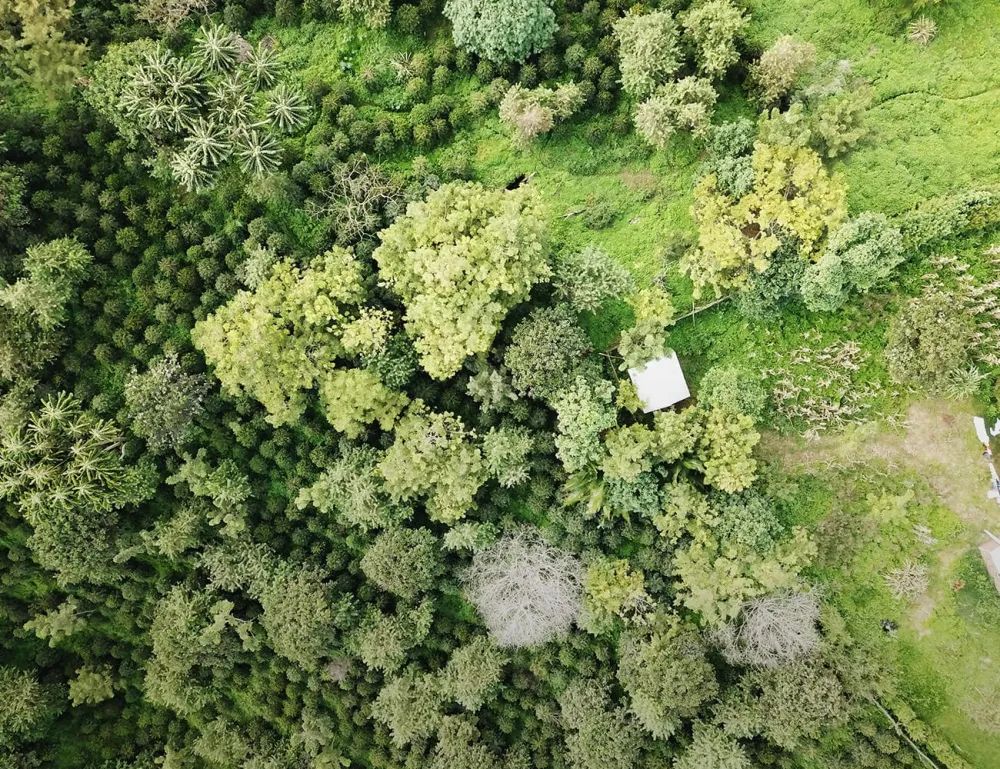
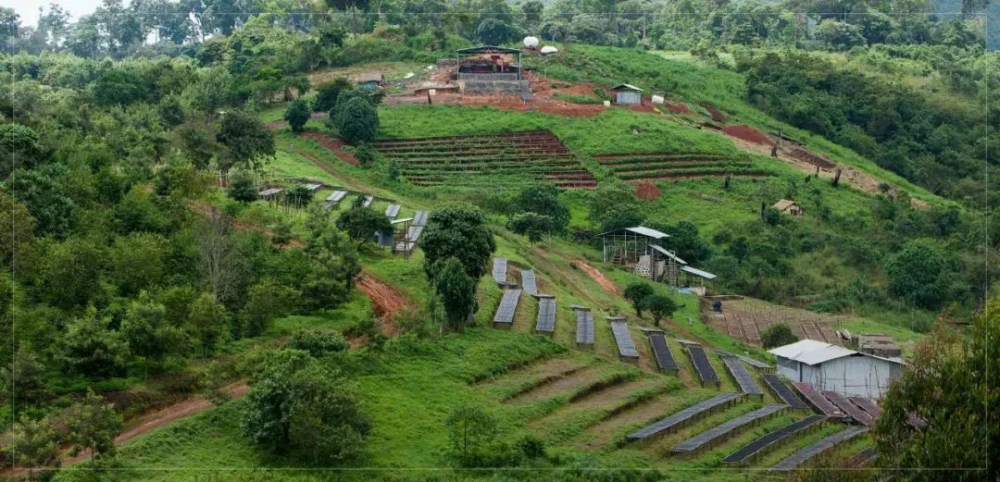
Adam and his wife explored the Gori Gesha Forest and, together with Willem Boot, owner of the Mule Mountain Estate and a former BOP judge, discovered several precious wild coffee varieties in this remote jungle surrounded by pristine forests. The most significant discovery was the now world-renowned original Geisha variety. They collected seeds from the forest known as Gori Gesha, selected them, and planted them on land about 12 miles away from the forest, establishing the 475-hectare Gesha Village estate.
Unlike the smallholder production model common in Ethiopia, Willem and Adam introduced the refined management practices of Hacienda La Esmeralda (the renowned Panamanian Geisha estate), making Gesha Village Ethiopia’s first coffee estate to implement strict quality control and grading systems. Each batch of coffee can be traced back to specific plots, varieties, and processing methods, and is categorized into a grading system that includes auction, Gold Label, Red Label, Green Label, and Chaka lots, allowing consumers to choose based on their preferences.
It’s worth noting that because a well-known coffee-growing region and another famous Panamanian estate both use label colors to distinguish grades, many consumers often confuse the two, especially Red Label and Green Label, which actually represent different regions and variety characteristics. For example, the Red Label from a certain coffee-importing region consists of single-plot, single-variety batches that not only allow traceability of planting information but are also lightly roasted to highlight their floral and fruity profiles.
The coffee from this region is primarily processed using the natural (sun-dried) method. A supplier processes the coffee by first removing floaters and impurities, then evenly spreading the coffee cherries in thin layers on African raised beds, and covering them moderately with breathable, waterproof plastic sheeting to aid even fermentation and drying. During the drying process, workers frequently turn the cherries and remove any insect-damaged or unripe beans. The overall drying period lasts about 18 to 30 days to ensure stable moisture content and full flavor development. This method preserves more sugars and fruit aromas, resulting in a coffee with bright acidity and rich fruit notes, particularly appealing to those who enjoy fruity and sweet profiles.
When it comes to the Geisha variety, many assume there’s only one type, but in fact, Gesha Village grows two main cultivars: Gori Gesha and Gesha 1931. The former is the original variety directly discovered in the Gori Gesha Forest and is the source of the Green Label; the latter is a variety named to commemorate the year 1931 when Geisha was first scientifically recorded, commonly found in Gold Label batches. The famous Geisha from Hacienda La Esmeralda is the fungus-resistant variety “geisha T2722,” which, although related to the varieties at Gesha Village, has undergone different environmental conditions and selection processes, resulting in slightly different flavor profiles.
To better understand the differences, a well-known coffee supplier once conducted a cupping comparison between Panamanian Green Label Geisha and the Green Label from this region. Both were ground to 11.3 grams and brewed at 94°C. During the first four minutes, the changes in wet aroma could be carefully observed, and after the time was up, the crust was broken and the grounds removed for tasting. The results showed that the regional Green Label exhibited richer berry and candied fruit flavors, accompanied by bright acidity from cherry and citrus notes, with a gentle floral and black tea finish. The overall profile was layered, fresh, and vibrant.

With these details in mind, whether you’re a beginner coffee enthusiast or a roaster searching for high-quality single origins, you’ll be able to choose the Geisha coffee that best suits your taste more precisely. From the native varieties of the Gori Gesha Forest to the now clearly graded Red and Green Label batches, every step at Gesha Village adds richness and depth to the legendary story of this remarkable variety.
The above content is compiled by CoffeeHunters, a coffee news website.


