







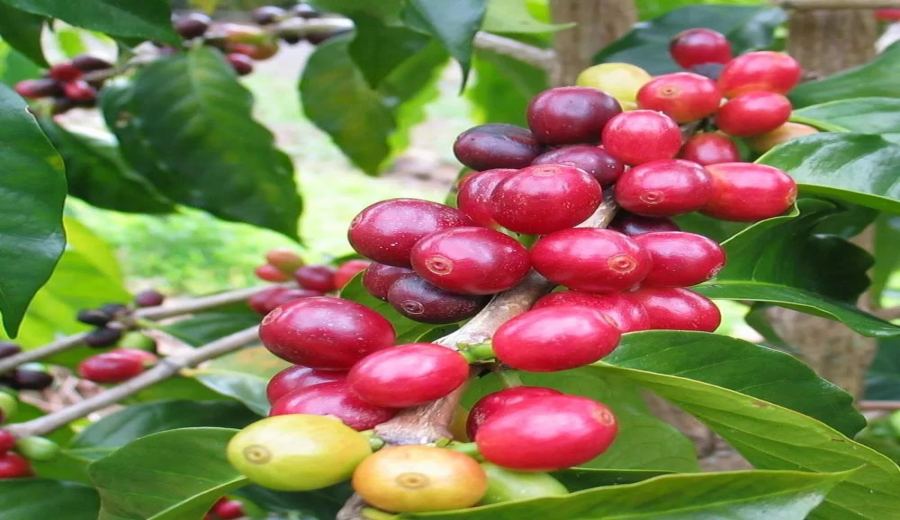
Introduction:Delve into San Cristóbal Island in Ecuador’s Galápagos Islands to discover how this remote locale produces top-tier organic coffee with floral, fruity aromas and caramel-like sweetness. From its historical origins and microclimatic conditions to the bean characteristics and brewing recommendations, this article offers a comprehensive exploration of this rare and captivating island specialty coffee—helping you better understand what makes it so unique.
Among South America’s many coffee-producing nations, Ecuador stands out for cultivating both Arabica and Robusta beans. Within Ecuador, however, the coffee from San Cristóbal Island in the Galápagos Islands is the most renowned—not only because of its rarity but also due to its exceptional flavor profile. This volcanic archipelago in the Pacific Ocean benefits from a distinctive maritime climate, paired with fertile volcanic soil and numerous mineral-rich streams originating from highland lakes, creating the perfect environment for high-quality coffee cultivation.
San Cristóbal Island is one of the larger islands in the Galápagos archipelago. Though its overall elevation isn’t particularly high, the oceanic regulatory effect results in microclimatic conditions akin to inland altitudes between 1,000 and 1,800 meters. At 410 meters above sea level on the island lies a small freshwater lake named El Junco. Its waters flow down the southern slopes through volcanic rock and rugged terrain, forming multiple mineral-rich natural streams that provide stable and fertile water sources to surrounding coffee-growing areas—forming one of the foundations of the distinct flavors of the local coffee.
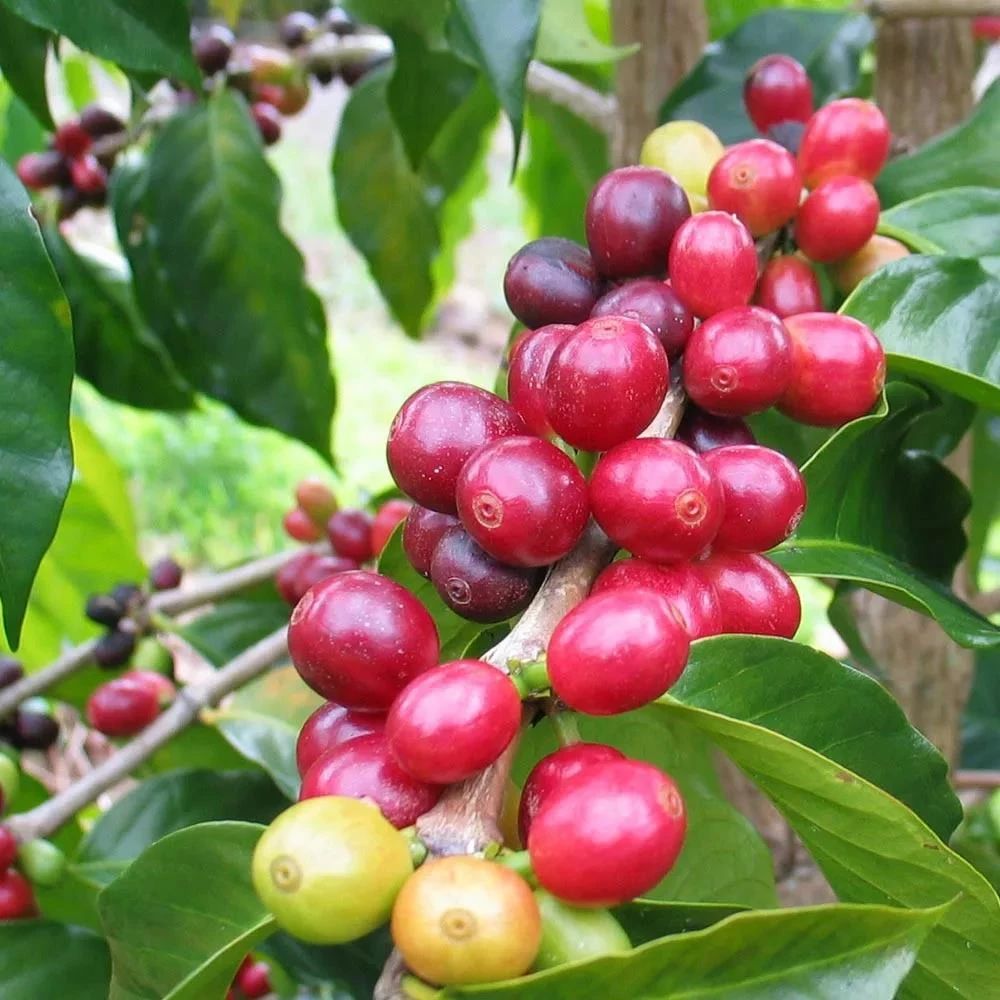
The Galápagos Islands are located about 1,000 kilometers from mainland Ecuador, situated at the convergence of three major ocean currents in the eastern Pacific, and possess an extraordinarily unique ecosystem. As early as 1978, the islands were designated a UNESCO World Natural Heritage Site, known not only as a "living museum of biological evolution" but also as a key source of inspiration for Darwin when formulating his theory in *On the Origin of Species*. It’s worth noting that Ecuador is one of the few South American countries capable of producing both Arabica and Robusta coffee beans, with the Arabica coffee from San Cristóbal Island representing the most iconic specialty-grade quality.
Looking back in history, in 1535, Spanish missionary Fray Tomás de Berlanga discovered the Galápagos Islands by accident when strong ocean currents diverted his course en route to Peru. Records indicate that he landed on what is now San Cristóbal Island—the only island in the archipelago with a reliable source of fresh water. At the time, he and his crew survived extreme water scarcity by squeezing cactus juice and seeking out water from rock crevices. Interestingly, the day they landed coincided with Good Friday, and Tomás regarded the water source as a miracle. That island would later become the cradle of premium coffee.
It wasn’t until 1875 that a local indigenous man named Cobo established the first commercial coffee plantation on San Cristóbal Island—Hacienda El Cafetal, spanning approximately 100 hectares and primarily planting Arabica varieties derived from Bourbon. The plantation’s elevation ranges between 140 and 275 meters, but due to the maritime microclimate, the actual growing environment is comparable to inland altitudes of 915 to 1,830 meters, making it highly suitable for cultivating high-acidity, intensely flavored Strictly Hard Bean (SHB) coffee. These exceptional natural conditions laid a solid foundation for the region’s future coffee reputation.
However, as the global coffee market increasingly shifted toward large-scale, high-yield production, these small-scale, quality-focused coffee farms faced mounting challenges. It wasn’t until the early 1990s that the González family took over Hacienda El Cafetal and began efforts to revive and expand cultivation. Leveraging the unique microclimate brought by the Humboldt Current, along with dramatic diurnal temperature variations (with sea-level highs reaching 43°C while temperatures at 275 meters can drop to just 10–16°C), they further enhanced the complexity of the coffee’s flavors. Additionally, as the Galápagos Islands are designated as a national park where the use of chemical fertilizers and pesticides is strictly prohibited, the coffee here maintains 100% organic cultivation, making it an extremely rare green specialty coffee on the market.
San Cristóbal coffee is celebrated for its mild acidity, pronounced floral and fruity aromas, and a finish marked by smooth caramel-like sweetness. This flavor profile stems not only from the island’s volcanic soil and microclimate but also from its entirely organic, pesticide-free cultivation practices. Upon tasting, the coffee often presents bright notes of jasmine and citrus, followed by red berries and peachy sweetness in the mid-palate, with a lingering finish of warm caramel and honey—delivering an overall balanced and layered cup that appeals to coffee lovers who enjoy both fruitiness and sweetness.
If you’d like to brew San Cristóbal coffee at home, it’s recommended to use a light to medium roast to highlight its floral and fruity notes. For pour over, opt for a medium-fine grind (around the size of granulated sugar), with water temperature controlled between 90–92°C and a coffee-to-water ratio of 1:15 to 1:16. In terms of technique, a pulsed pouring method is advised—such as initially pouring 30% of the hot water for a 30-second bloom, followed by two to three even pours to reach the target volume. The total brew time should ideally be around 2 minutes and 30 seconds to 3 minutes, helping to fully express its delicate aromas and layered complexity.
Please note that the 4 to 7 days following the roast are considered the coffee bean’s degassing or “resting” period, during which flavors develop optimally. It’s best to begin brewing after this time to achieve the best flavor experience. If you purchase pre-ground coffee, be aware that it oxidizes quickly upon exposure to air—so it’s advisable to use it soon after opening, and ideally brew it immediately after grinding to preserve the original aroma and taste. For coffee enthusiasts seeking the fullest flavor experience, purchasing whole beans and grinding them fresh for each brew is strongly recommended to truly savor the unique charm of San Cristóbal coffee.
The above content is compiled by CoffeeHunters, a coffee news website.


