







Introduction:The coffee beans from Guatemala’s Antigua region are renowned for their distinctive smoky finish, a trait that stems from the secrets of volcanic soil, high altitude, and significant day-night temperature variations. This article delves into the region’s geography, bean variety characteristics, and challenges posed by leaf rust, while also providing a practical V60 three-stage pour over method to help coffee enthusiasts fully grasp the flavor potential and brewing techniques of this classic Central American bean.
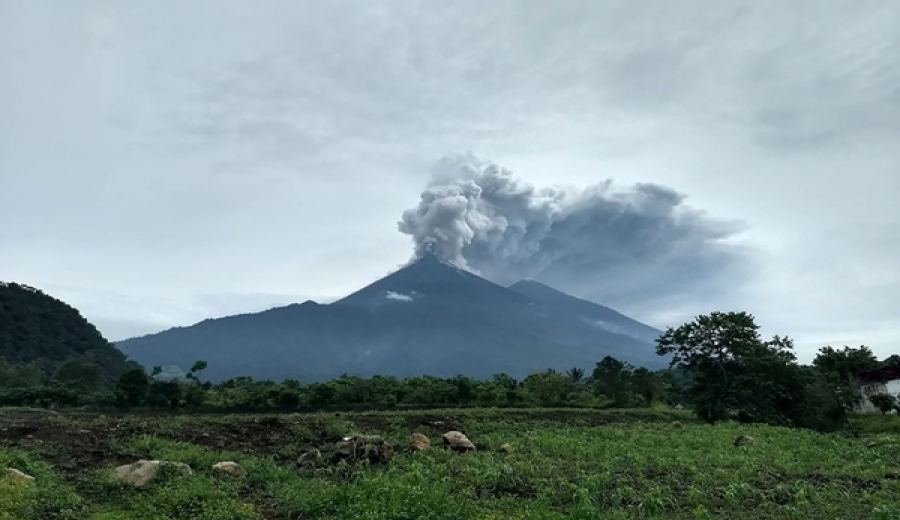
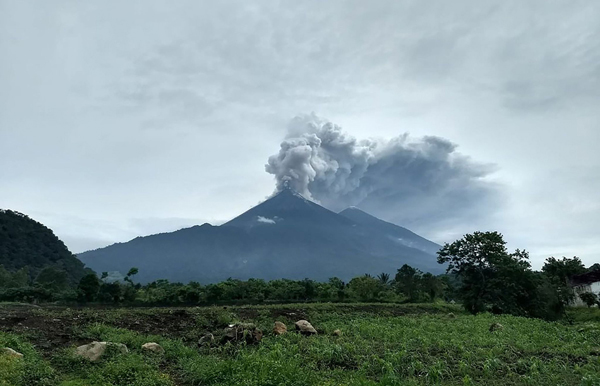
When it comes to Guatemalan coffee, many people first think of that faint yet intriguing smoky note. This unique aromatic trait is actually closely tied to the country’s exceptional volcanic landscape. As the most volcanically dense nation in Central America, Guatemala is home to 37 volcanoes, including Fuego, Pacaya, and Santiaguito, which remain active to this day. Their periodic eruptions release minerals that seep into the soil, creating nutrient-rich, fertile layers. Thanks to these natural conditions, the coffee beans produced in the Antigua region are not only dense and hard, but also showcase a complex flavor profile of richness, balanced acidity and sweetness, with a hint of smokiness in the aftertaste that adds depth to the overall cup.
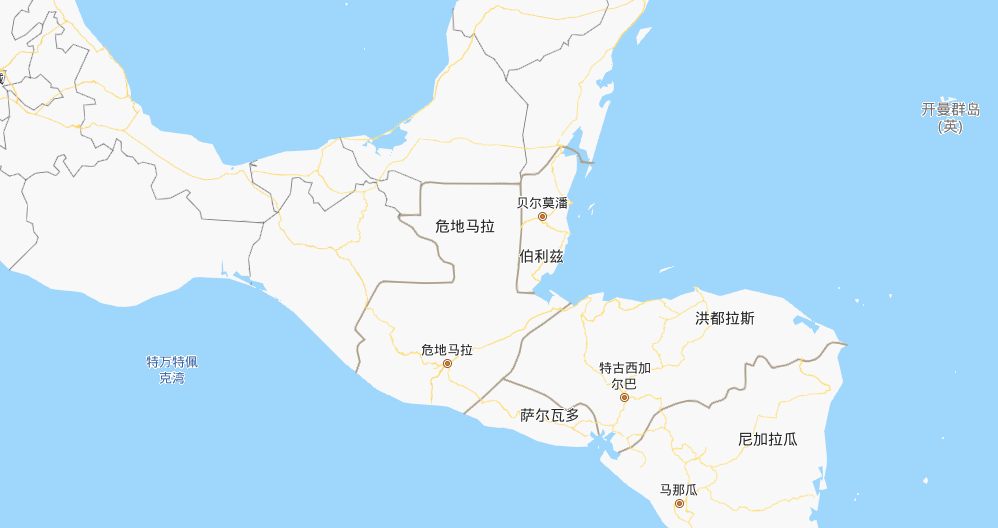
Geographically, Guatemala is situated at the junction of North and South America, covering an area of approximately 108,899 square kilometers with diverse terrain. The country includes highland volcanic zones, lowland tropical rainforests, volcanic sandy plains along the Pacific coast, and less-developed areas along the Caribbean Sea. Rivers and lakes are scattered throughout the nation, while equatorial forests and plains jungles cover vast expanses. Its two coastlines also preserve pristine volcanic beach landscapes.
The Famen Coffee grown in the Antigua region thrives at elevations between 1,300 and 1,680 meters above sea level. Such heights produce extremely dense, hard beans, and the surrounding embrace of three volcanoes provides rich soil nutrients, along with significant day-night temperature differences that help coffee cherries mature slowly, accumulating more complex flavor compounds. The area receives an average annual rainfall of about 812 to 1,219 millimeters, making it one of the relatively drier zones among Guatemala’s eight coffee regions. However, the widespread volcanic pumice soil offers excellent water retention, effectively storing moisture for absorption by the coffee trees’ root systems. The local coffee harvest season runs annually from January to March.
Among the region’s famous estates, La Finca La Milagrosa is well known for its organic farming practices. Due to the high altitude environment and unique climatic conditions, pests are less likely to thrive, allowing the estate to avoid the use of pesticides altogether. The farm conducts soil tests twice a year and adjusts the timing and amount of fertilization precisely based on the results, ensuring that coffee trees receive adequate nutrition while also effectively preventing disease outbreaks.
In terms of variety selection, Guatemala primarily cultivates traditional varieties such as Bourbon, Caturra, and Catuai, as well as specialty varieties like Geisha and Pacamara. Although some varieties, such as Catimor, exhibit stronger resistance to leaf rust, local farmers still insist on planting high-quality varieties that are susceptible to the disease. This commitment is also reflected in Guatemala’s multiple victories in the COE (Cup of Excellence) competition. Notably, in 2012, the country experienced a major leaf rust epidemic, causing coffee production to drop by over 20%, prompting the local coffee association to actively promote trials of disease-resistant varieties. Even so, Caturra remains the most widely planted variety in Guatemala today.
Regarding roasting strategies for Guatemalan coffee, medium roast levels are typically employed. This roasting approach preserves the beans’ inherent nutty and cocoa notes while bringing out delicate floral aromas and gentle fruit acidity, resulting in a bright and clear flavor profile. Medium roasting also helps balance the variety’s naturally rich characteristics, adding more dimensionality to the taste.
As for pour over extraction parameters, since medium-roasted Guatemalan beans are used, it is recommended to brew with a fast-flow V60 dripper. The specific settings are as follows:Water temperature should be controlled at 91°C, with a coffee dosage of 15 grams, using a 1:15 coffee-to-water ratio, and grind size adjusted to 80% passing through a standard #20 sieve.This setup helps fully extract the coffee’s aromatic compounds while avoiding over-extraction of bitter substances.
During actual brewing, it is recommended to follow a three-stage extraction process: first, pour 30 grams of hot water for a 30-second bloom to help release carbon dioxide from the coffee grounds, laying a stable foundation for subsequent extraction. Then, pour water in small circles until the total volume reaches 125 grams for the first pour. Continue pouring until the total reaches 225 grams, then stop pouring and let the V60 drip naturally. The entire extraction process should ideally take exactly 2 minutes, as timing is crucial for flavor expression. Finally, gently swirl the brewed coffee to evenly mix the flavors before pouring it into your cup for tasting.
Famen Coffee from the Antigua region showcases bright berry acidity, paired with a smooth citrus tone and a gentle chocolatey aftertaste. The overall mouthfeel is silky and layered. This flavor combination is the result of high-altitude cultivation and refined processing techniques.
When enjoying this coffee, special attention should be paid to the impact of bean freshness on flavor performance. It is recommended to choose beans roasted within 5 days prior and consumed within 4 to 7 days of receipt, as this period is typically the golden window when the coffee’s flavors are at their peak. Proper resting time allows internal gases in the beans to stabilize, enabling a more balanced flavor during extraction.
The above content is compiled by CoffeeHunters, a coffee news website.


