







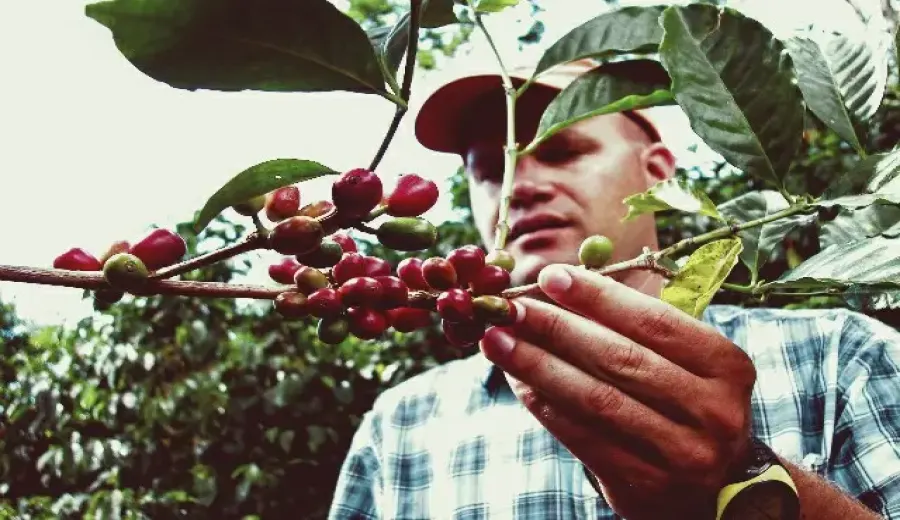
Introduction:To deeply understand how Panamanian Geisha evolved from an Ethiopian variety into one of the world’s top specialty coffees, this article traces its varietal origins, analyzes the unique geography and climate conditions of the Boquete region, and explores the cultivation characteristics of two renowned farms—Jaramillo and Elida. It also details the nutty, citrusy, floral, and tea-like layers that Geisha exhibits under light roasting, along with practical brewing suggestions and flavor references. This is a beginner’s guide for coffee enthusiasts to appreciate and select Geisha.
The Geisha (Geisha) coffee variety originally comes from the Kaffa forests in Ethiopia, Africa. In the early 20th century, it was widely collected and selected to combat leaf rust disease. Initially, these trees were taken to Kenya and Tanzania for breeding research, and later introduced to places like Costa Rica and Uganda. It wasn’t until 2004 that Panama’s Hacienda La Esmeralda submitted Geisha beans to the national coffee competition (BOP), unexpectedly defeating many popular varieties at the time and becoming famous overnight, thereby securing a place in the global specialty coffee market.
The reason Geisha has shined so brightly in Panama lies in the country’s unique microclimate and geographical environment. Panama is located on the Central American isthmus, bordered by the Caribbean Sea to the north and the Pacific Ocean to the south. Its mountainous terrain and tropical maritime climate feature large day-night temperature variations, abundant rainfall, and high altitudes, providing an ideal stage for coffee cultivation. Especially in the Boquete region, adjacent to the Barú Volcano, the volcanic soil is rich in minerals, and the mountainous area’s unique foggy rains and variable air currents create diverse microclimates, enabling Geisha to showcase its ultimate flavor potential.
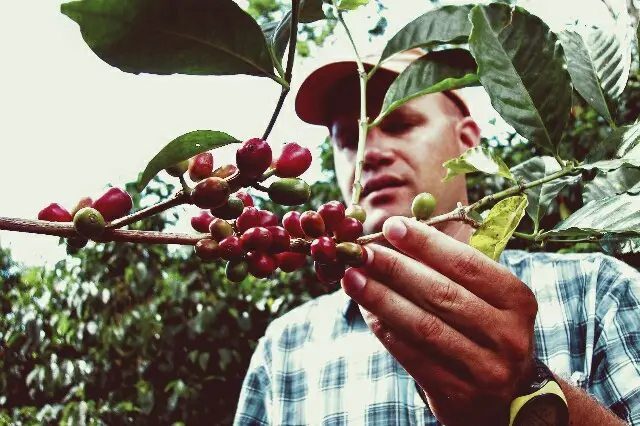
In the Boquete region, elevations generally range between 1400 and 1900 meters. This area not only has fertile volcanic ash soil but also enjoys optimal temperature and humidity conditions, making it an ideal place for growing high-quality Geisha. In addition to Hacienda La Esmeralda, many other small, high-quality farms—including Elida Estate and Finca Kotowa Duncan—are also located here, collectively establishing Boquete as a hub of Panama’s specialty coffee production.
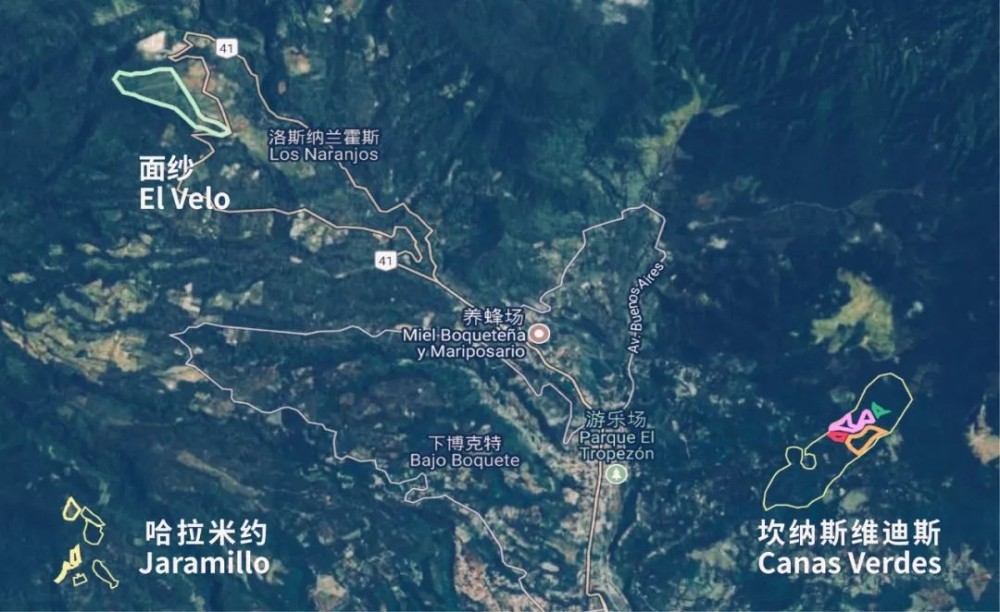
When talking about Geisha, one cannot fail to mention Hacienda La Esmeralda. This farm, located at the foot of the Barú Volcano, has been renowned since the 1960s for its strict block management system and cupping selection processes. The farm divides its coffee into multiple brands for sale based on differences in altitude, microclimate, and processing methods, among which the Geisha variety is the most notable. The Red Label Geisha is its top-tier series, sourced from the Jaramillo and Cañas Verdes blocks at elevations of 1600 to 1800 meters, typically processed using washed or natural methods. Cupping scores often exceed 90, with outstanding flavor profiles that frequently feature notes of jasmine, bergamot, and tropical fruits.
The Green Label Geisha belongs to a private collection series and is not reserved for competition-specific batches, yet it still maintains a high standard. Its production areas have similar elevations, with beans sourced from multiple small plots. Processing methods include both washed and natural, with flavor profiles based on a jasmine tea-like foundation, bright acidity, and some natural versions even exhibiting sweet notes of passion fruit and honey. Notably, since 2021, Hacienda La Esmeralda has discontinued the sale of the Blue Label (Geisha 1500) batches.
Another noteworthy farm is Elida Estate. This estate not only has a history of over a hundred years, but also has more than half of its planting areas located within the boundaries of the Barú Volcano National Park, at elevations between 1670 and 1850 meters, making it one of Panama’s few high-altitude coffee-growing regions. Due to the cold climate, coffee cherries ripen more slowly, and special processing techniques such as ASD slow anaerobic natural fermentation give Elida Geisha distinctive complexity and aroma. It once won the Geisha Processing Category Championship in the BOP competition, showcasing extraordinary potential.
In terms of roasting, to faithfully present Geisha’s delicate floral aromas and fruity acidity, a light roast is recommended. Over-roasting can easily mask its elegant scents and the delicate balance of acidity and sweetness. Based on actual cupping experience, lightly roasted Geisha often exhibits a complex flavor profile of nuts, cream, citrus, and floral tea, with a refreshing taste and distinct layers. It is recommended to use a medium-fine grind (e.g., 80% passing through a #20 sieve), with a 1:15 coffee-to-water ratio, and water temperature controlled at 90–91°C to fully highlight its flavor nuances.
For pour over brewing, the V60 dripper is a good choice. Its 60-degree angle design and spiral ribs help control water flow and extraction time, highlighting Geisha’s layers and aromas. If you prefer a richer taste, you can also try a Kalita Wave dripper to enhance body. Regardless of the brewing device used, stable water temperature and even pouring technique are key to successful extraction.
In summary, the reason Panamanian Geisha stands out in the global specialty coffee market is not only due to its exceptional terroir, but also closely related to rigorous cultivation management, diverse processing techniques, and appropriate roasting strategies. Whether you are a beginner or a seasoned coffee enthusiast, understanding the varietal background and flavor characteristics of Geisha can help you more accurately select and appreciate this iconic specialty coffee.
The above content is compiled by CoffeeHunters, a coffee news website.


