








Introduction:Indonesian coffee is renowned for its rich, bold flavors, with Sumatra Mandheling being the most celebrated. This article delves into the geographical characteristics, coffee varieties, and processing methods of Indonesia’s three representative regions—Sumatra, Java, and Sulawesi. It highlights the origins of Mandheling, the terroir of Lake Toba, the unique steps of the wet-hulling process, as well as innovative practices like honey processing in West Java and semi-washed methods in Sulawesi. Gain essential insights for selecting and appreciating Indonesian beans.
As a key coffee-producing nation in Asia, Indonesia has carved out a niche in the global market with its distinctive herbal, dark chocolate, and cedar notes. Beyond the widely known Mandheling coffee, the country’s diverse geography and climate have fostered a variety of processing techniques and cultivars. From the highland lakes of Sumatra to the volcanic soils of Java and the rugged hills of Sulawesi, each region tells a unique flavor story.

If you prefer coffee with a bold, low-acid profile and earthy undertones, Indonesian Mandheling is an excellent choice. These coffees often exhibit a balanced bitterness and sweetness, paired with deep spicy and woody finishes, making them a favorite among those who enjoy intense flavors. Indonesia’s premier Arabica coffee regions—Sumatra, Java, and Sulawesi—each offer signature flavor profiles and processing methods.
To understand Indonesian coffee, one must start with its history. In the mid-17th century, the Dutch introduced coffee trees to Indonesia, and in 1712, Java coffee was first shipped to Europe. However, the 1877 coffee leaf rust epidemic nearly wiped out local Arabica varieties, leading to widespread cultivation of disease-resistant Robusta. Today, Arabica accounts for only 6%–10% of Indonesia’s total coffee production, yet its unique flavors remain highly prized by niche markets. For high-quality Indonesian Arabica, the regions of Sumatra, Java, and Sulawesi are definitely worth exploring.
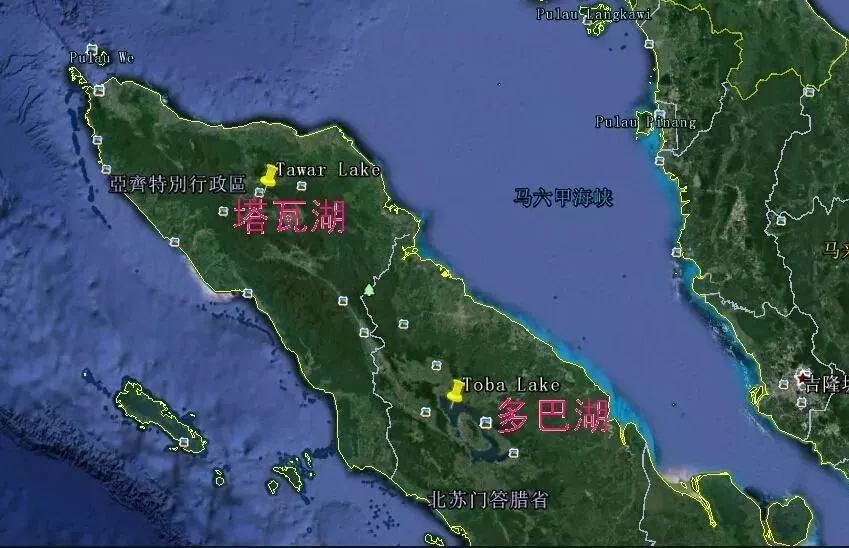
As Indonesia’s flagship coffee region, Sumatra’s Lake Toba area is the birthplace of Mandheling coffee. Located in central North Sumatra, Lake Toba is a high-altitude (around 900 meters) freshwater lake surrounded by cool, humid mountainous terrain—ideal for coffee cultivation. Traditionally, coffee from the Lintong area and around Lake Toba is considered authentic Mandheling, with Lintong being the core producing region. The main varieties grown here are Timor and Ateng, with Ateng being the local term for Catimor, a hybrid of Arabica and Robusta.
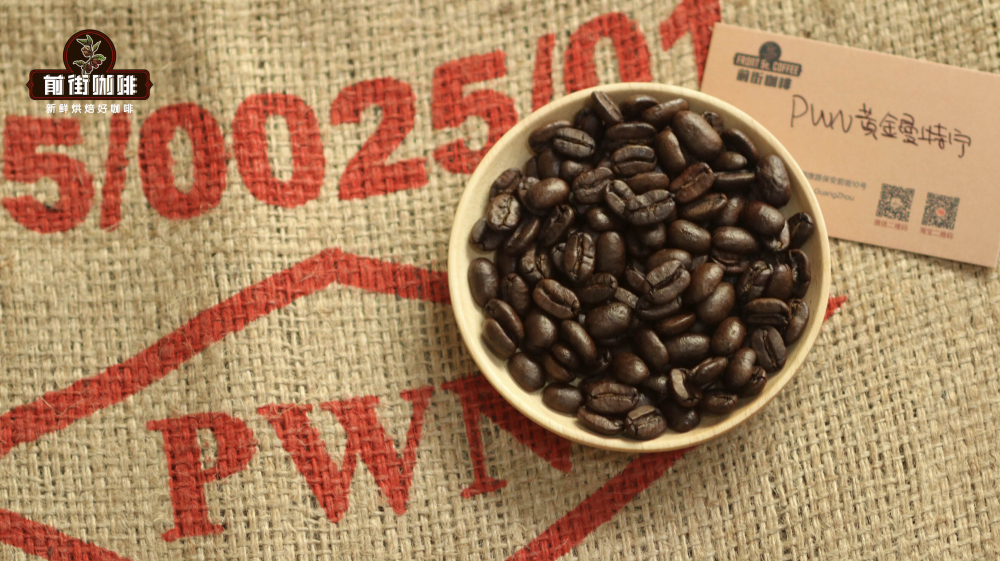
The name “Mandheling” actually stems from a misunderstanding. During World War II, Japanese soldiers were impressed by coffee from a local tribe but, due to trade secrecy, the locals referred to it only as “Mandheling.” This name later became synonymous with the coffee. Interestingly, PWN (Pwani Coffee Company) was the first to export this coffee to Japan, and their product is considered the authentic “Golden Mandheling.”
PWN Golden Mandheling uses the Ateng variety, grown in the Gayo Mountains of northern Sumatra (Aceh Province) at elevations of about 1,100–1,600 meters. Most of the farmers here are smallholder tenants, cultivating shade-grown coffee using the region’s unique wet-hulling process. Adapted to Sumatra’s rainy climate, this method involves removing the skin and pulp, briefly fermenting the beans, and drying them to 30%–50% moisture content before partially removing the mucilage. The beans are then dried further to 12%–13% moisture. This process gives Mandheling its intense earthy and herbal aromas, along with a distinctive deep, bassy tone.
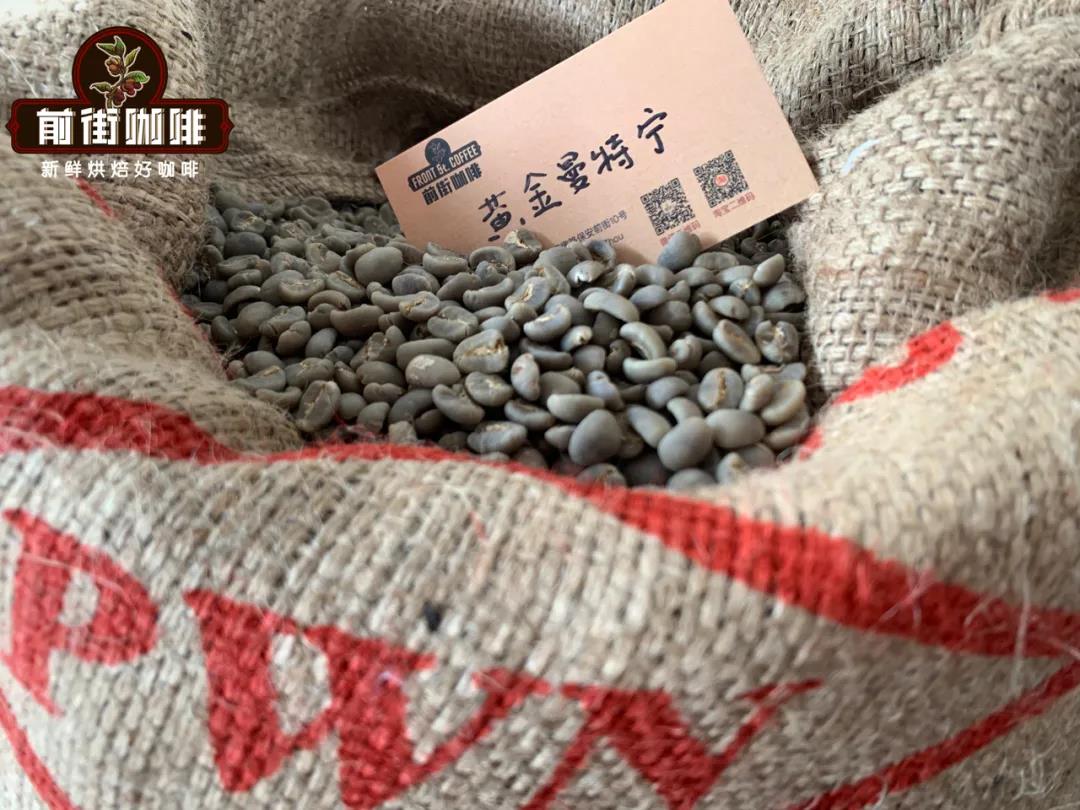
How to identify genuine PWN Golden Mandheling? It is graded G1, with fewer than 3 defects per 300g sample, beans larger than 18 mesh, and a dark green, uniform appearance. The beans undergo four rounds of rigorous screening to eliminate off-flavors, significantly enhancing sweetness and cleanliness. Many coffee professionals can easily distinguish its unique profile in blind tastings, underscoring its distinctiveness.
Indonesia’s wet-hulling process is a highly localized technique developed to suit the rainy climate and economic constraints. Unlike traditional washed or natural methods, wet-hulling removes the skin and part of the mucilage, allowing the beans to be hulled in a semi-dry state before final drying. This accelerates processing while creating Mandheling’s signature bold flavors and deep aromas, making it an iconic Indonesian method.
Leaving Sumatra, we arrive at the Mount Tigaraja region in West Java, where the Amarene coffee beans present a strikingly different profile. This area features a tropical rainforest climate with cool highland temperatures and fertile volcanic ash soil. The coffee is grown using the S795 variety (also called Jember), originating in India and developed through multiple hybridizations, offering intense fruity notes and complex sweetness. Local farmers employ a blend of sun-drying and honey processing, resulting in flavors of mango, jackfruit, and other tropical fruits, with a subtle wine-like finish and remarkable depth.
Honey processing is uncommon in Indonesia, but West Javan farmers skillfully use this method, drying the beans with their mucilage intact and frequently turning them to prevent mold. This process yields a rounder mouthfeel and a richer aromatic profile, adding a fresh twist to traditional Indonesian coffee.
Finally, we visit the Toraja region of Sulawesi, known for its semi-washed method. Located in the highlands of South Sulawesi, Toraja’s rugged terrain makes cultivation challenging, with average yields of just 300 kg per hectare. The semi-washed process involves fermenting the coffee cherries, removing the mucilage, and drying them directly before final processing at lower-altitude collection points. This method preserves bright floral notes, gentle acidity, and pronounced caramel sweetness, with a long, stable finish.
In summary, the diversity of Indonesian coffee stems from its varied terrain, climates, and processing techniques. Whether you’re drawn to the bold richness of Sumatra Mandheling, the fruity layers of West Java honey-processed coffee, or the bright sweetness of Sulawesi semi-washed beans, these three regions offer something for every palate. Understanding the characteristics and details of these regions will enhance your tasting and brewing experience of Indonesian coffee.
The above content is compiled by CoffeeHunters, a coffee news website.


