








Introduction:To brew a rich and full-bodied latte at home or in a café, choosing the right espresso beans is key. This article starts with blending logic, analyzing why espresso beans are primarily blends, and takes an in-depth look at the flavor profiles and ideal use cases of four distinctive blends. It also explores the relationship between roast level, acidity, and milk compatibility, while offering practical tips for making both hot and iced lattes—helping you master the entire process from bean selection to final drink.
When crafting a memorable latte, the choice of espresso beans holds many nuances. Compared to single-origin coffees, espresso beans are mostly presented as blends, aiming to create a more balanced and layered foundation by combining beans from different regions, processing methods, and roast levels—especially suitable for showcasing a rich yet delicate taste when paired with milk.
The original intention of blending is to compensate for the limitations of individual coffee varieties. For example, some beans may have a smooth mouthfeel but lack aroma; pairing them with another bean that has prominent aroma but a slightly weaker body can complement each other’s weaknesses, resulting in a more harmonious overall profile. This blending philosophy is one of the reasons why espresso blends are so widely loved.

When selecting espresso beans, key considerations include flavor expression, body richness, and acid-to-bitterness balance. Especially for popular milk-based coffees, maintaining a clear flavor line even after blending with milk—without letting the milk completely overshadow the coffee’s characteristics—is a major challenge in recipe design. Every element, from bean variety combinations to roast depth, influences the final taste experience.
The design process of espresso blends usually begins with a clearly defined target audience, whether for home users, small shops, or large cafés, requiring adjustments to flavor direction and roast level based on usage scenarios. Roasters must clarify the desired flavor profile in advance when planning a blend and decide on the roasting strategy accordingly to ensure the final product meets expectations.
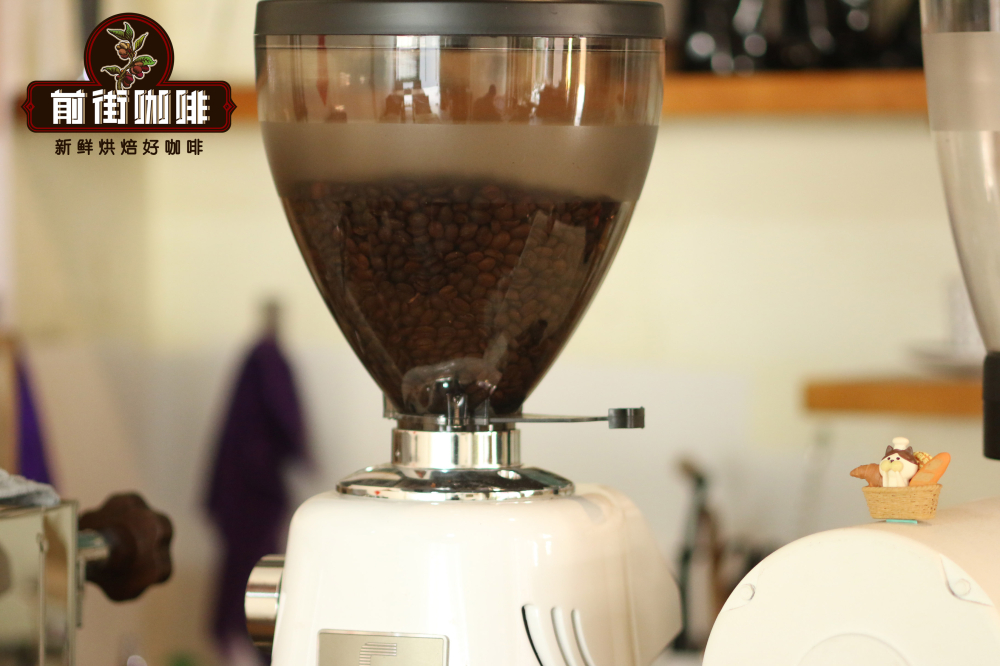
Each coffee bean in the blend should possess independent and excellent quality, performing well even when brewed alone. Some suppliers mix low-quality beans and rely on roasting techniques to mask flaws—a method that is neither sustainable nor well-received by consumers. Additionally, conducting independent roasting tests for each bean variety and adjusting the roasting curve based on its characteristics is a crucial step to ensuring consistent blend performance. Neglecting this often leads to unbalanced flavors or unstable results.
It is recommended to meticulously record the origin of each green bean, roasting parameters, and blend ratios for easier future optimization and adjustments. Since coffee bean characteristics can vary slightly each season, regularly re-evaluating the blend helps maintain stable output quality. A successful blend often comes from continuous experimentation and fine-tuning.
Below are four representative espresso blends, each designed for different needs and scenarios:
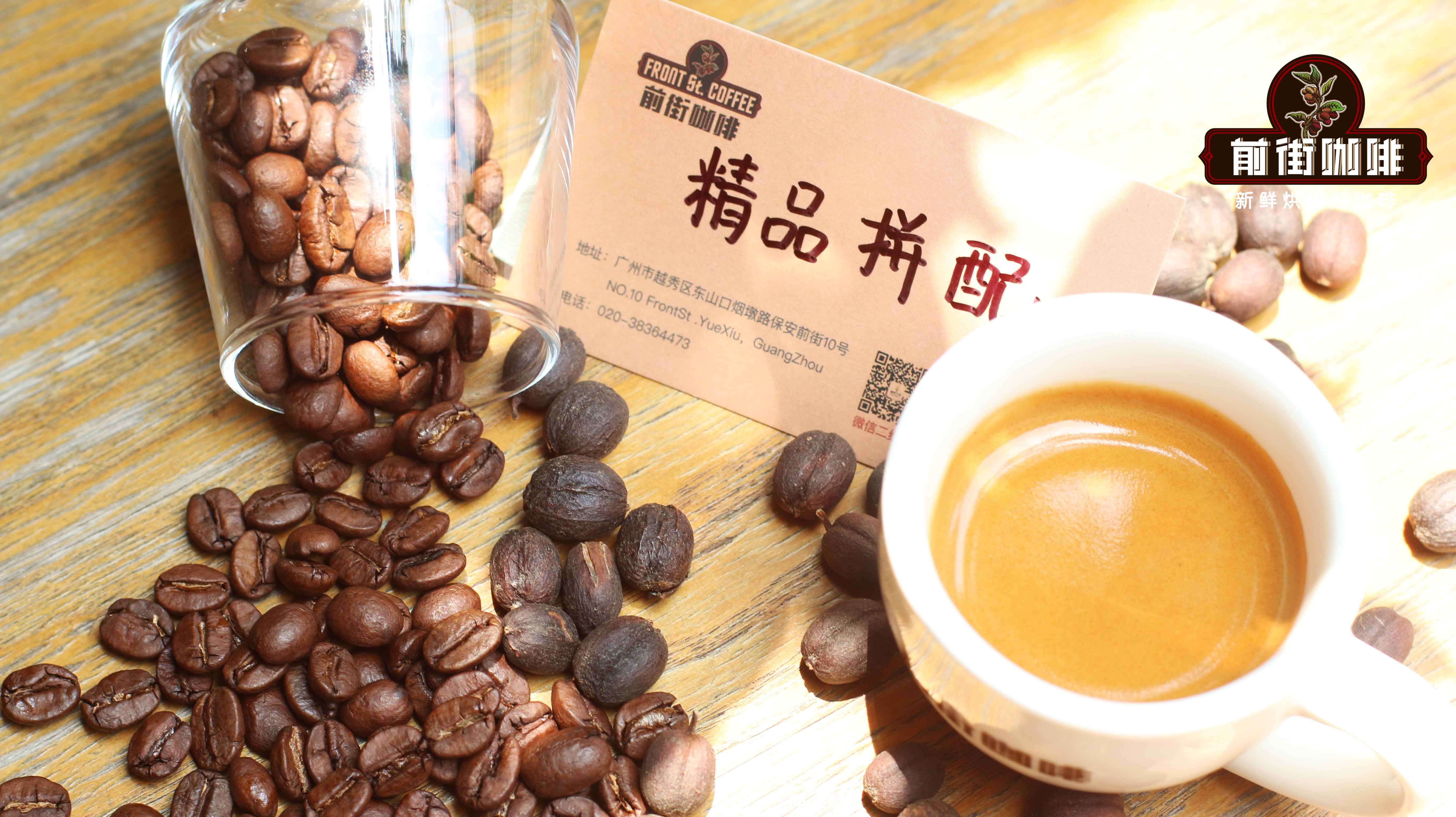
[Premium Blend] Suitable for home and office use, composed of Colombian washed and Brazilian semi-washed beans, featuring a profile of nuts, dark chocolate, and caramel, with a balanced bitterness-sweetness and stable crema. Excellent for lattes or Dirty drinks, especially the latter where it often displays a beautiful tiger-stripe layering effect.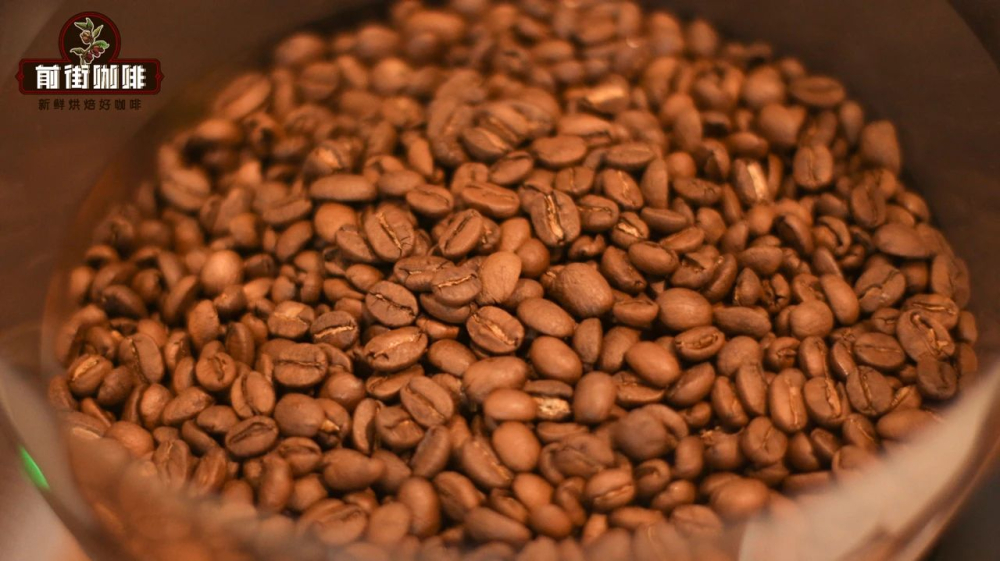
[Strawberry Candy Espresso] Combines Costa Rican honey-processed beans, Ethiopian heirlooms, and Colombian beans, offering a soft profile with a sweet-tart note reminiscent of strawberry gummies, and a delicate crema texture. Ideal for consumers who enjoy a balance of fruity notes and sweetness.
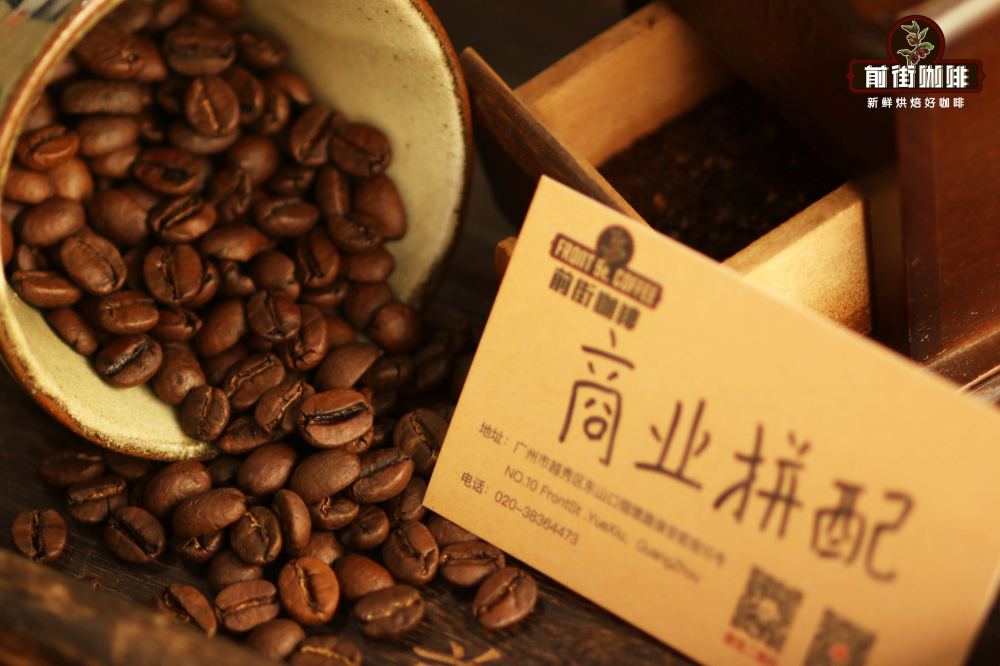
[Commercial Espresso Blend] Based on Colombian, Brazilian, and Robusta beans, with a bold profile of caramel, nuts, and dark chocolate, balanced sweetness-acidity and a long aftertaste. A classic choice for daily café operations, especially suited for environments requiring consistent output.
[Dark Cocoa Base Blend] Blends Yunnan and Brazilian beans in a 3:7 ratio, offering a mild profile with fruity acidity, caramel, and nutty notes, delivering a smooth overall impression. Suitable for budget-conscious users seeking basic flavor quality, especially recommended for beginners or small shops.
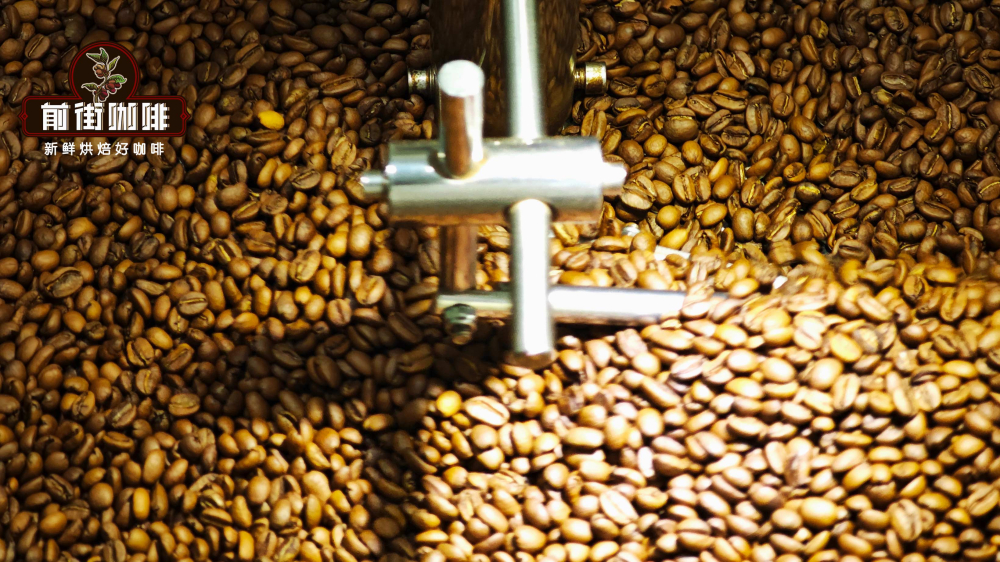
In the blending process, it’s advisable to define primary and secondary beans to shape a more distinctive flavor profile. Take [Sunflower Warmth] and [Commercial Blend] as examples—the former pairs vinous chocolate notes with milk for captivating layers, while the latter highlights a rich nutty-chocolate core, both being popular choices for milk-based coffees.
Roast level plays a crucial role in milk coffee, particularly in crema stability and overall mouthfeel. Acidity in coffee affects the structure of milk proteins, thereby influencing crema longevity. Generally, the higher the acidity of the beans, the more likely they are to shorten crema retention time; conversely, lower-acid beans help extend crema stability.
Factors such as heat control, duration during roasting, as well as subsequent grinding and extraction parameters, all impact the final flavor. Baristas are advised to deeply understand roasting principles and flexibly adjust roast curves based on seasonal changes and bean characteristics to ensure consistency.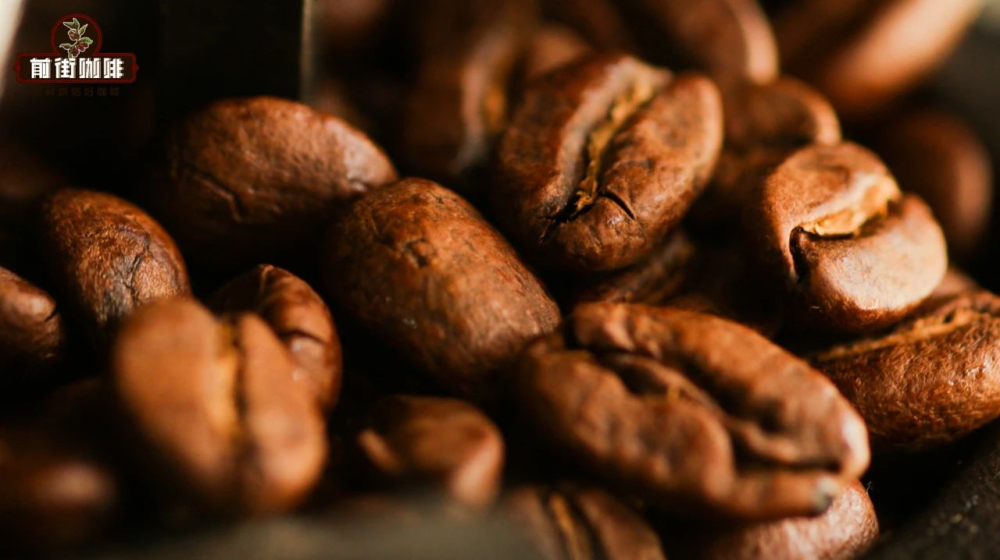
Roasting methods can generally be divided into slow and long, fast and short, or hybrid approaches. Slow roasting helps reduce sourness and astringency while enhancing body, but care must be taken to avoid smokiness and burnt bitterness. Fast roasting emphasizes acidity and brightness but may result in uneven bean color and off-flavors. Hybrid approaches aim for balanced and rounded flavors, suitable for consumers preferring milder tastes.
Below are practical preparation suggestions for iced and hot lattes:
For iced lattes, it’s recommended to use a classic blend, with espresso extraction parameters adjustable based on the machine. Pour the extracted shot into a cup filled with nine-tenths ice and cold milk to bring out flavors of chocolate, caramel, and butter cookies—smooth in texture with noticeable sweetness, especially refreshing for summer.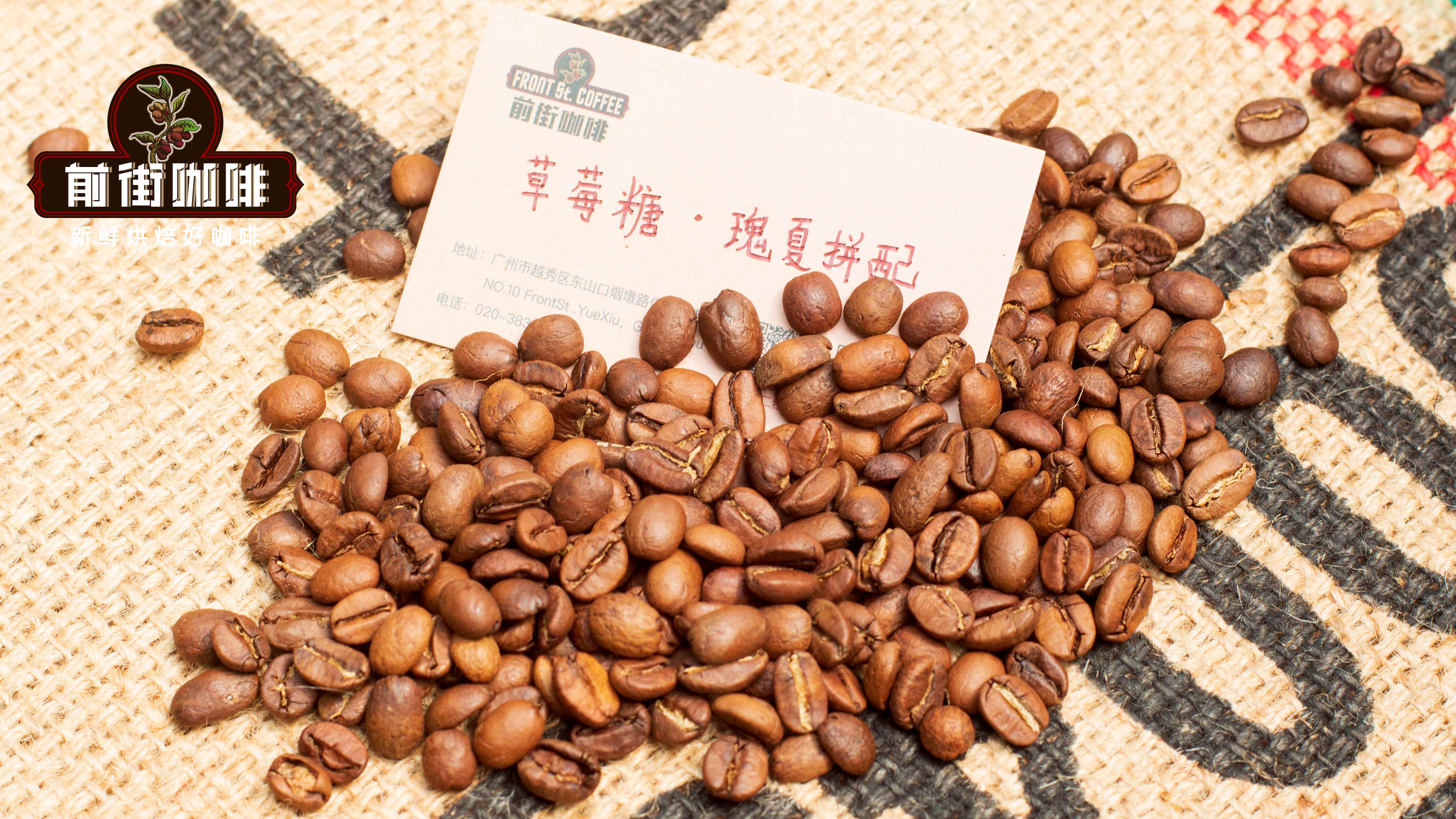
Hot lattes require attention to milk foam texture and integration technique. Aim for a fine and smooth foam without large bubbles, and quickly integrate it with the shot after extraction to ensure even flavor distribution, finishing with latte art. Proper foam thickness and integration are key to a smooth hot latte.
The above content is compiled by CoffeeHunters, a coffee news website.


