







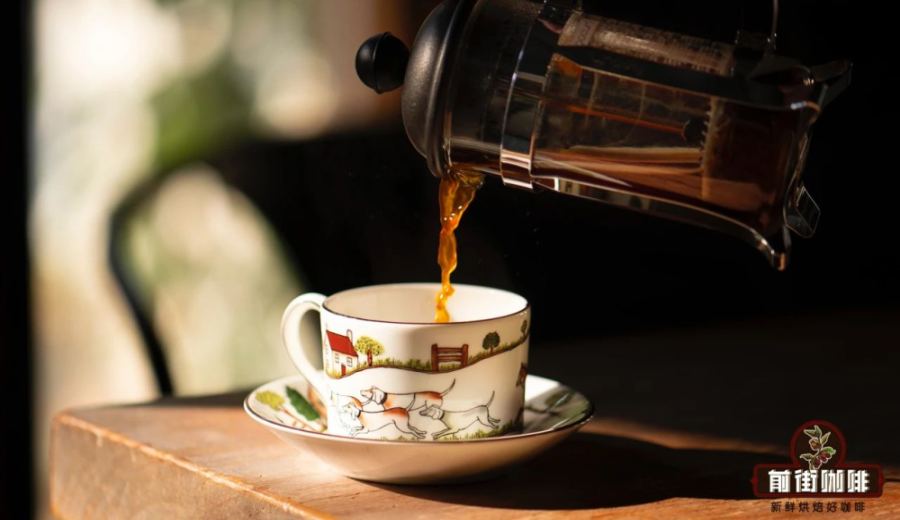
Introduction:The French press is a common brewing tool in many homes and offices due to its simple operation and ease of use. However, to brew a cup of French press coffee with balanced flavor and distinct layers, it’s essential to master key parameters such as grind size, water temperature, steeping time, and coffee-to-water ratio. This article explains how to adjust these elements to highlight the unique characteristics of coffee beans with different roast levels, and emphasizes the importance of cleaning the metal filter—helping you easily replicate professional-grade flavor.
The French press, also known as a cafetière or coffee plunger, is a coffee brewing device originating from France. It features an intuitive design and simple structure, primarily consisting of a cylindrical glass (or metal, ceramic) container paired with a plunger-mounted stainless steel mesh filter. By steeping coarsely ground coffee with hot water and then pressing the filter down to separate the grounds, you can produce a cup of coffee rich in flavor and with a proper amount of crema. This tool requires no complex techniques and is ideal for brewing multiple servings at once, making it extremely popular in households across Europe and America.
However, many users still perceive the French press as merely a “tea-like” tool, overlooking its potential in coffee brewing. In fact, by precisely controlling grind size, water temperature, steeping time, and coffee-to-water ratio, the French press can deliver nuanced flavors and layered profiles that rival those of pour over coffee. Especially for beginners, the French press is often one of the top choices for getting started.
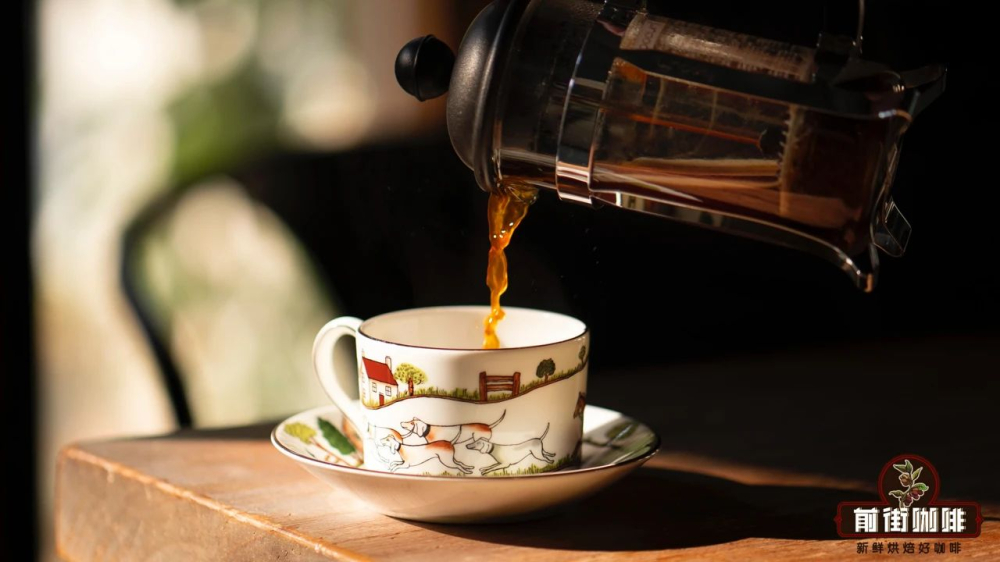
Let’s start with grind size. It’s recommended to use a coarse grind similar to 70% passing through a Chinese No. 20 standard sieve—roughly the texture of coarse sugar. This grind size effectively reduces the chance of producing ultra-fine particles, preventing them from passing through the metal filter and causing cloudy coffee, while also providing a wider margin for extraction error. If you prefer a richer mouthfeel with more layers, you can try a slightly finer grind, but be sure to shorten the steeping time accordingly to avoid over-extraction, which can lead to bitterness or woody aftertastes.
Steeping time is another crucial factor influencing flavor release. Generally speaking, for medium to light roasted coffee beans, it’s recommended to steep for about4 minutesto fully bring out fruity acidity and floral-fruity notes without sacrificing body. For medium to dark roasted beans, whose flavors lean toward caramel, nuts, and chocolate, it’s advisable to reduce the time to3 minutes and 30 secondsto avoid excessive bitterness. This time range balances extraction efficiency and flavor clarity, based on practical experience shared by most users.
Water temperature is equally important. Since the French press involves a single pour followed by steeping, the water temperature will naturally decrease over time. Therefore, the starting water temperature should be slightly higher than that used for pour over. For medium to light roasted beans with bright acidity, it’s recommended to use92–94°Chot water to help highlight fruity and floral aromas. For medium to dark roasted beans with bitter-sweet profiles, the temperature should be lowered to89–90°Cto reduce the risk of over-extraction. If brewing in autumn, winter, or in a cooler room environment, preheating the French press with hot water beforehand can help maintain a stable brewing temperature.
Coffee-to-water ratio is also a key variable for adjusting strength. A commonly recommended golden ratio is, for example, 15 grams of coffee to 240 milliliters of water, yielding a coffee liquid with a concentration of about 1.1%–1.2%, offering a refreshing taste with clear layers. If you prefer a stronger flavor, you can try1:16a different ratio1:15(specific values not provided), suitable for those who enjoy a fuller-bodied cup.
As for bean selection, the French press is actually suitable for most coffee beans that work well with pour over. However, due to its static steeping nature, it better highlights the richness and crema of medium to dark roasted beans. If you don’t enjoy pronounced acidity, consider medium to dark roasted beans such as Golden Mandheling, Queen Estate, Bird of Paradise, or Huilan—these often feature aromas of dark chocolate, nuts, and caramel. If you prefer fruit-forward coffee, medium-roasted beans like Strawberry Candy, Mozart, or Xi Zha can also be great choices, showcasing delightful flavors in the French press as well.
Finally, a reminder: don’t overlook the cleaning step after using the French press. The metal filter and plunger are prone to retaining coffee oils. If not cleaned promptly, oxidized oils can not only affect the flavor of your next brew but may also produce off-odors. After each use, disassemble the filter, plunger, and container thoroughly, wash them with a neutral detergent, and dry them completely to ensure optimal performance for your next brew.
The above content is compiled by CoffeeHunters, a coffee news website.


