







Introduction:As the largest coffee-producing country in Central America, Honduras, with its diverse microclimates and rigorous grading system, cultivates Arabica beans rich in complex flavor layers. This article systematically explores the unique terroirs of its six major producing regions by examining geographic environments and industry development, and provides practical information such as altitude grading and defect rate standards. It also includes professional roasting profiles and pour-over parameters to help you delve into the allure of this emerging coffee region.
Although not a traditional coffee powerhouse, Honduras has risen rapidly thanks to its exceptional geographical conditions. Over 70% of the country consists of mountainous highlands, where the convergence of trade winds from the Caribbean Sea and the Pacific Ocean brings abundant rainfall, along with an extensive altitude range of 1,000 to 1,600 meters, creating ideal microclimates for growing Arabica.Honduran coffee is predominantly washed processed.Its annual production has long ranked first in Central America and it is also the world’s second-largest exporter of washed Arabica.
The flavor profile of Honduran coffee is similar to that of its neighboring Central American countries, all showcasing prominent floral and fruity notes. However, what sets Honduran beans apart is their aromatic layers often blooming with exotic spice undertones, while the finish settles into a rich texture of nuts and chocolate, delivering an overall balanced and multi-layered cup.
Geographic and Industry Background
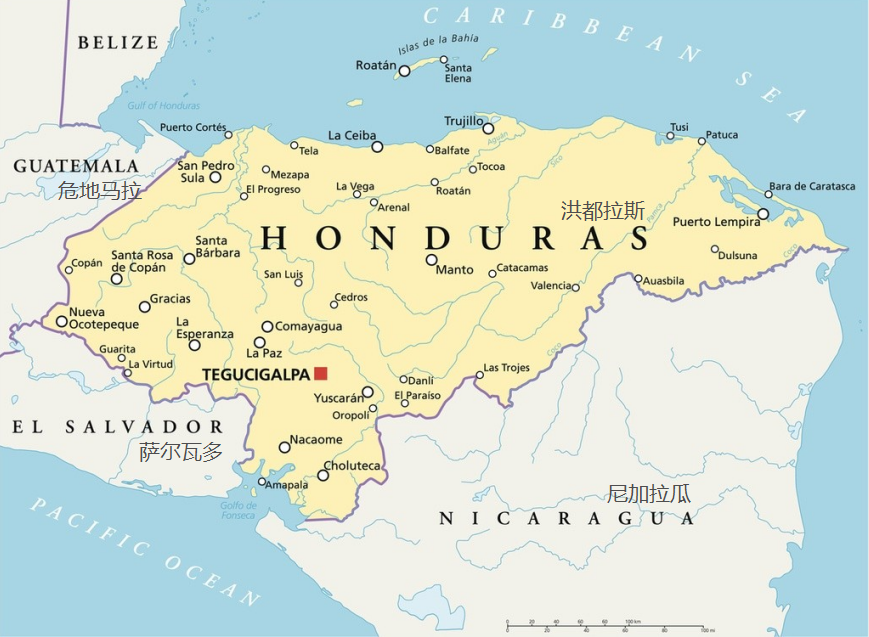
Honduras is located in northern Central America, bordered by the Caribbean Sea to the north, the Gulf of Fonseca of the Pacific Ocean to the south, and neighboring countries such as Guatemala and El Salvador.Over three-quarters of the country's area is mountainous.Lava plateaus and intermountain valleys are interspersed, forming diverse microclimates. The main coffee-growing areas are concentrated in volcanic soil zones at elevations between 1,000 and 1,600 meters, with average annual temperatures ranging from 11.5 to 22.5°C, coupled with annual rainfall of 1,300 to 2,300 millimeters, providing ideal growing conditions for coffee trees.
After the 21st century, coffee officially replaced bananas as the country’s economic pillar crop.There are currently about 110,000 coffee farmers,over 90% of whom are small-scale growers, with an average farm size of less than 3.5 hectares. These small farms collectively contribute 60% of the national output. The harvest season is concentrated from November each year to March of the following year, relying entirely on manual picking of ripe cherries.
Industry Development Milestones
Coffee cultivation in Honduras began in the late 18th century with the introduction by Spanish merchants, but it wasn’t until 1804 that small-scale planting records appeared. For a long time,inadequate transportation infrastructure severely hindered industry development.It wasn’t until the 1970s, when the government established the IHCAFE institution, that quality improvement programs gradually turned things around. The Brazilian frost event of 1975 became a turning point, with Honduran coffee production surging threefold from 500,000 bags to 1.8 million bags, solidifying its position in the international market.
The first Cup of Excellence competition in 2004 marked the beginning of the specialty era, with 21 premium lots gaining international attention through online auctions. In 2011, Honduras surpassed Costa Rica and Guatemala in production, establishing its leading role in Central America. Currently, the total area of coffee plantations nationwide reaches 280,000 hectares, 90% of which use traditional shaded cultivation methods, preserving rich biodiversity.
Grading System Explained
Honduras employs a composite grading system:
[Altitude Grading]
• Strictly High Grown (SHG): above 1,200 meters
• High Grown (HG): 1,000–1,200 meters
• Central Standard (CS): 600–1,000 meters
[Defect Rate Standards]
• USP (U.S. Standard) and EP (European Standard)
Green bean naming conventions such as ‘Honduras SHG EP’ indicate high-altitude beans meeting European defect standards.
Six Core Producing Regions Flavor Guide
1. Copan Region
Located in the west bordering Guatemala, at altitudes of 1,000–1,500 meters, with an average annual temperature of 11.5–22.5°C.The representative estate ‘Twin Flowers’ uses the Red Catuai variety with natural processing,presenting notes of brown sugar, berries, and fermented wine aromas.
2. Opalaca Region
Covering the border area of three provinces including Santa Bárbara, at altitudes of 1,100–1,500 meters. The Bourbon and Typica varieties dominate,known for their delicate acidity and tropical fruit tones of blackberry and grape.The harvest period is concentrated from November to February.
3. Montecillos
A southwestern highland border region, at altitudes of 1,200–1,600 meters.The Catuai and Typica varieties here exhibit bright acidity,with orange and peach aromas accompanied by silky-smooth mouthfeel, and the production season extends to April.
4. Comayagua
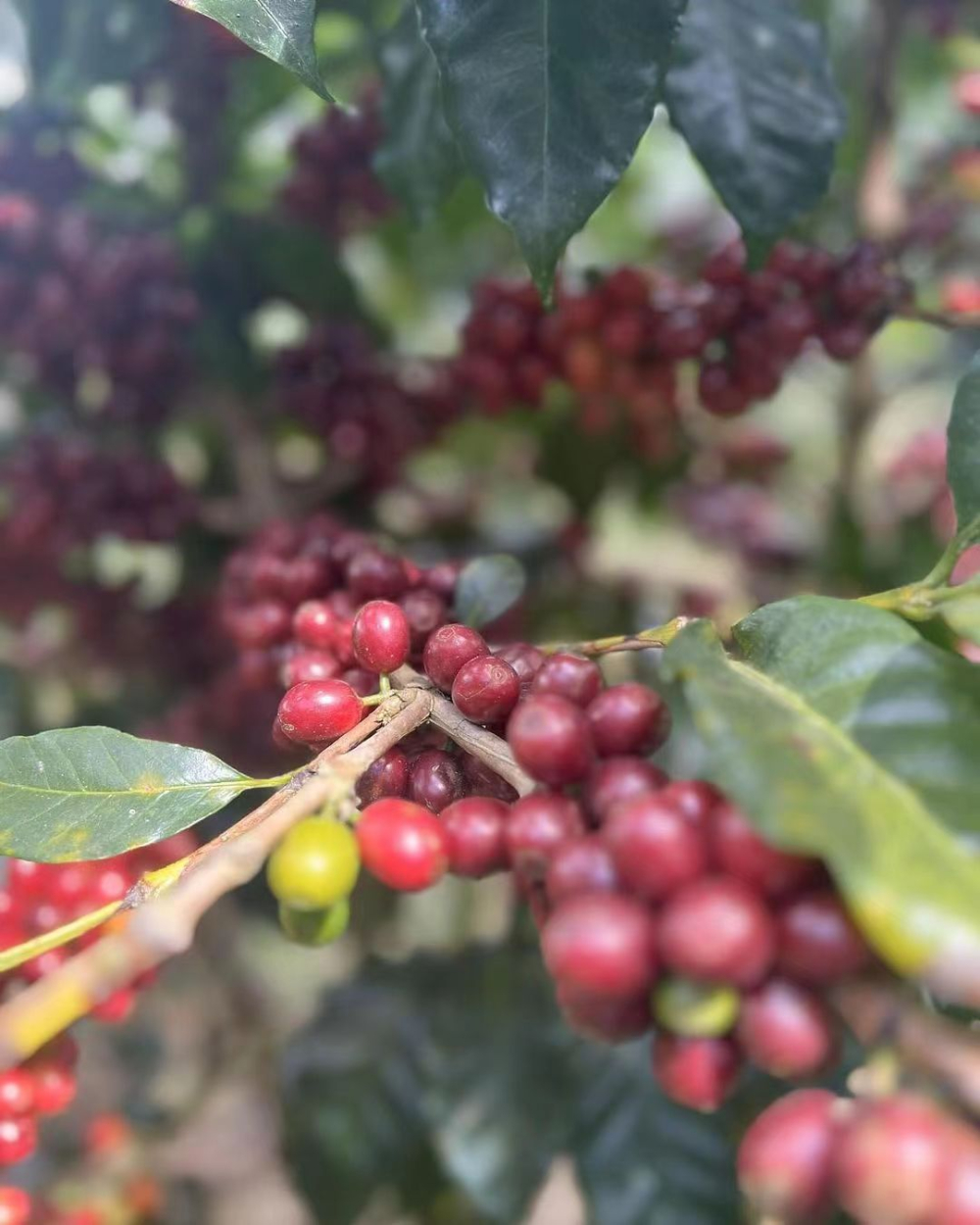
A central core producing region, at altitudes of 1,000–1,500 meters. The Bourbon and Caturra varieties bringcitrus sweetness and creamy texture,with a distinct chocolatey finish, and the main harvest window is from December to March.
5. Agalta Tropical
In the southeastern mountains, at altitudes of 1,000–1,400 meters. Honey-like aromas and citrus acidity form a unique balance, with the Pacas variety performing particularly well here.
6. El Paraiso
A southern border region adjacent to Nicaragua, at altitudes of 1,100–1,500 meters.The Parainema variety, after washed processing,releases citrus peel and dark cocoa aftertastes, with noticeably fresh berry acidity.
Notable Small Producing Regions
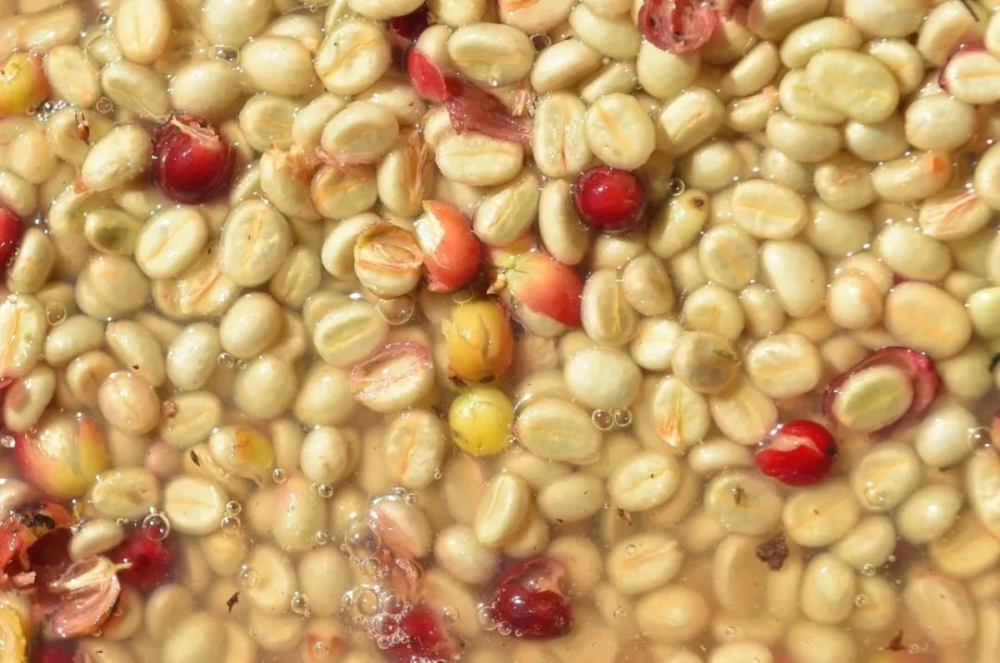
The Sweet Orange Estate (El Naranjo) in La Paz Province is worth highlighting,where the Catuai variety grown under high-altitude shaded conditionsbenefits from a unique microclimate shaped by surrounding wild orange trees, imparting a composite aroma of citrus, melon, and cane sugar. Washed processing preserves distinct floral and tea-like qualities.
Professional Processing Recommendations
Roasting reference parameters (Yangjia Feima 800N roaster, 300g charge):
• Charge temperature: 200°C
• Yellowing point: 5:15 min / 154°C
• First crack start: 9:11 min / 186.5°C
• Develop for 2 minutes after first crack, drop at 192.4°C
Pour-over recommendation (Hario V60):
• Water temperature: 90°C | Coffee-to-water ratio 1:15
• Grind size: 80% passing through a #20 sieve
• Brew steps: 30g bloom for 30 sec → 125g pour → add to 225g, total time 2 minutes
Brewing flavor profile: Bright berry and citrus acidity lead, followed by melon and cane sugar sweetness in the mid-palate, with a finish resting on nutty and dark cocoa warmth, underpinned throughout by a clear tea-like texture.
The above content is compiled by CoffeeHunters, a coffee news website.


