







Introduction:Sumatra Mandheling is a globally renowned high-quality Indonesian coffee, celebrated for its full-bodied texture and distinctive spicy flavor profile. This article will delve into the geographical and cultivation differences of major Sumatran regions such as Lintong, Lake Toba, Lake Towuti, and the Gayo highlands, while also exploring the origin and historical background of the name “Mandheling.” Additionally, we provide professional parameters and step-by-step recommendations for making an iced Americano—whether you're new to Indonesian coffee or looking to refine your home brewing skills, you’ll find practical guidance here.
Mandheling is not just synonymous with Indonesian coffee—it’s a microcosm of Sumatra’s coffee culture. From its planting history to its current international acclaim, the rise of Mandheling is filled with legendary tales. It’s said that during World War II, a Japanese soldier drank an exceptionally flavorful coffee in an Indonesian café but, due to a language barrier, mistook the shop owner’s reference to the local ethnic group “Mandailing” (Mandehning) as the name of the coffee. After the war, the soldier specifically ordered a batch of this coffee to be shipped to Japan, and thus the name stuck, eventually becoming a symbol of premium Indonesian coffee.
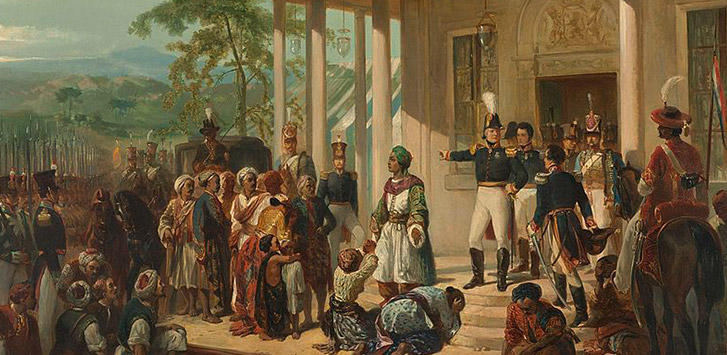
The cultivation history of Indonesian coffee dates back to the Dutch colonial period. At that time, the Dutch introduced coffee to this equatorial archipelago nation for economic gain. However, during World War II, many coffee plantations were converted to grow food crops like rice and corn to ensure stable supplies, leading to a significant decline in coffee production. It wasn’t until the 1950s, with the rebound in market demand, that coffee regained its status as an important cash crop in Sumatra. Today, Sumatra accounts for over 70% of Indonesia’s total coffee output and is one of the region’s most iconic agricultural products.
Sumatra is not only Indonesia’s largest island but also the sixth-largest island in the world. Its northwestern region features rugged mountains, including the Barisan Mountain Range, which is the primary growing area for Arabica coffee, especially the Mandheling variety. In contrast, the southeastern part of the island has flat terrain and widespread wetlands, where Robusta is mainly cultivated. With over ninety volcanoes and numerous volcanic lakes, the island offers fertile, mineral-rich soil. Coupled with its equatorial climate and suitable altitude, Sumatra enjoys exceptional conditions for coffee cultivation. The annual coffee harvest season runs from November to March of the following year, making it one of the earliest regions in Indonesia to begin harvesting.
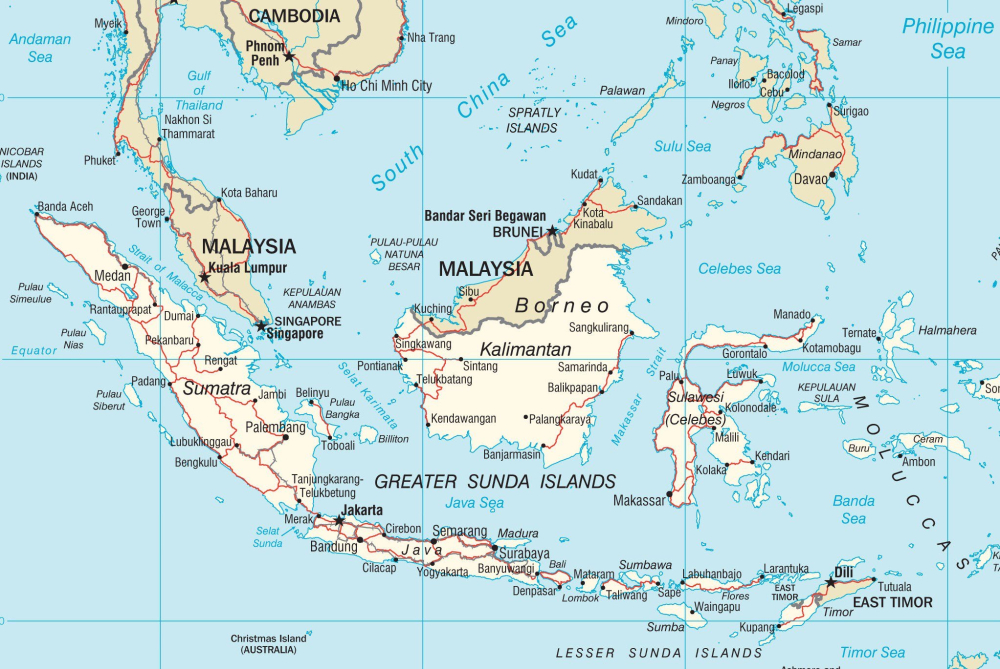
When discussing Sumatran Mandheling, it’s essential to understand its main producing regions. Although the term “Mandheling” is widely used to refer to Arabica coffee from Sumatra, the origins can be further divided into specific areas such as Lintong, Lake Toba, Lake Towuti, and the Gayo highlands. Lintong is located in north-central Sumatra, southwest of Lake Toba, and is representative of classic Mandheling. The coffee farms here are mostly situated on high-altitude, clay-rich hills covered with ferns. Production is primarily carried out by smallholder farmers without the use of shade trees or chemical fertilizers, showcasing a very pure, natural farming style. The commonly available “Mandheling” beans often come from this region.
Lake Toba is located in the central part of North Sumatra and is one of the largest volcanic lakes in the world. In 1888, Dutch colonists first transplanted coffee varieties from Java to this area, marking the beginning of the modern Mandheling flavor profile in the region. Lake Towuti is situated in the Aceh Special Region at the northern tip of Sumatra. Though smaller than Lake Toba, it also boasts favorable altitude and water conditions, making it another noteworthy niche-producing area.
Currently, the most acclaimed coffees in Sumatra largely come from the Gayo highlands. Located in Aceh Province, this region sits at an altitude of 1,500 to 2,500 meters, featuring a cool climate, abundant rainfall, and a stable water supply from Lake Towuti—making it an ideal place for cultivating high-quality Arabica. The coffee in the Gayo highlands is mostly grown by the indigenous Gayo people using traditional organic methods, without chemical fertilizers or pesticides. As a result, it is often referred to as “green coffee” or “Gayo organic coffee,” not only offering a clean flavor but also possessing unique regional characteristics.
If you’d like to brew a standout Mandheling iced Americano at home, here are some practical suggestions. First, choose a suitable Mandheling bean—for beginners, Lintong Mandheling is a great option to experience its classic full body and spicy notes; for more advanced enthusiasts, try the multiple-handpicked Golden Mandheling, which offers richer chocolate, caramel, and herbal aromas, perfect for savoring slowly.
Making an iced Americano isn’t complicated, but every step affects the final flavor. Start by adding enough ice cubes (about 180g) to your cup, then pour about 100g of cold water to pre-chill the vessel. Next, pull a shot of espresso (recommended: 20g coffee grounds, yielding 40g of espresso, extracted in 27–28 seconds). Finally, slowly pour the espresso into the ice-water mixture. A good ratio is 1:7—for example, 40g of espresso mixed with 280g of ice water—this helps maintain a concentrated flavor without excessive dilution that could flatten the layers.
If you prefer a hot Americano, start by warming the cup with hot water, then add about 240g of hot water, followed by 40g of espresso, maintaining a ratio of about 1:6. This combination highlights Mandheling’s rich base and aromatic qualities. Whether hot or cold, adjust the extraction parameters of the espresso shot based on the bean type, roast level, and grind size. Beginners are advised to start with medium-dark roasts to get a stable grasp of the coffee-to-water ratio and extraction time, then gradually explore different flavor profiles.
In summary, Sumatran Mandheling holds a respected place in the global specialty coffee market thanks to its full-bodied, richly flavored profile and unique spicy and herbal notes. From the traditional smallholder farming of Lintong to the organic, high-altitude cultivation of the Gayo highlands, each region tells its own distinct flavor story. By understanding these regional backgrounds and brewing details, you’ll not only gain a deeper appreciation for Mandheling’s layered complexity but also be able to easily brew a near-professional-quality iced Americano at home.
The above content is compiled by CoffeeHunters, a coffee news website.


